

Gaslamp Quarter (San Diego) Travel Guide - Free
Explore Gaslamp Quarter in San Diego with Evendo's free guide. Find the best shops, historic streets, restaurants, and gems on web or mobile.


Gaslamp Quarter in San Diego blends Victorian architecture, lively nightlife, rooftop bars, historic museums, restaurants and easy downtown culture.
Victorian Streets and Downtown Energy
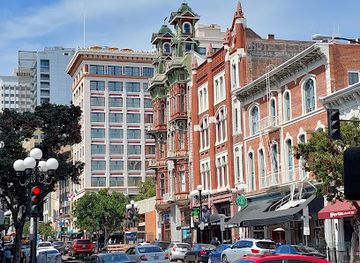
The Gaslamp Quarter occupies roughly 16 historic blocks in the centre of downtown San Diego, where Fifth Avenue, Fourth Avenue and adjoining streets form the district’s main pedestrian routes. Its red-brick pavements, ornate façades, restored commercial buildings and distinctive street lamps give the area a recognisable architectural character, while ground-floor restaurants, bars, shops and entertainment venues keep the streets active well into the evening. The neighbourhood sits between the waterfront and the East Village, with the San Diego Convention Center and Petco Park close by but outside much of the historic district itself.Read more about Gaslamp Quarter
A Quarter Shaped by Reinvention
Daytime Discovery and Evening Entertainment
Best attractions in Gaslamp Quarter
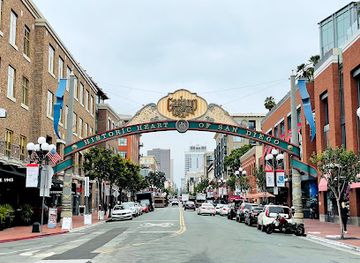
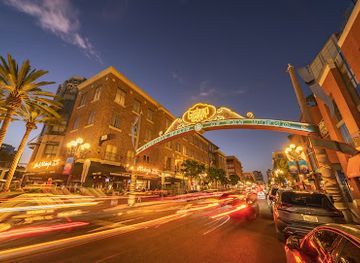
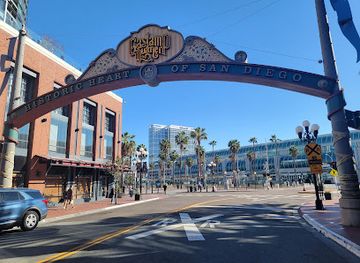
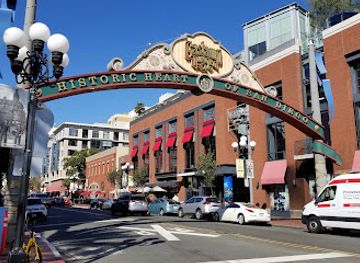
The Gaslamp Quarter is best experienced as an architectural and street-life district rather than a single-ticket attraction. Start at the Gaslamp Quarter sign and follow Fifth Avenue through a sequence of restored Victorian commercial buildings, projecting balconies, ornamented cornices and lively restaurant terraces. The Gaslamp Museum at the Davis-Horton House offers a focused introduction to the area’s nineteenth-century development and the later Stingaree era. The Balboa Theatre on Fourth Avenue contributes a richly detailed historic performance space, while the district’s illuminated street lamps and red-brick pavements provide a distinctive evening setting. Visitors can also walk towards the nearby San Diego Convention Center, waterfront or Petco Park, although these lie outside the historic quarter and belong to the wider downtown experience. Public art, seasonal decorations and event activity change regularly, so the streets themselves remain the most reliable attraction.
-
Historic city center
Gaslamp Quarter - The Historic Heart Of San Diego
Explore San Diego's Gaslamp Quarter: A vibrant blend of Victorian history, modern dining, and exciting nightlife in the heart of downtown.
2 min walk · 0.2 km from neighbourhood centre
-
Tourist attraction
WNDR Museum
Explore interactive art and technology in San Diego's Gaslamp Quarter at WNDR Museum, where curiosity and creativity come to life.
2 min walk · 0.2 km from neighbourhood centre
-
Local history museum
Gaslamp Museum at the Davis-Horton House Museum
Discover the rich history of San Diego at the Gaslamp Museum, where the past comes alive in a beautifully restored Victorian house.
2 min walk · 0.2 km from neighbourhood centre
-
Historical landmark
Gaslamp Quarter Sign
A vibrant gateway to San Diego's historic Gaslamp Quarter, where Victorian charm meets modern excitement and unforgettable experiences.
5 min walk · 0.4 km from neighbourhood centre
Best landmarks in Gaslamp Quarter
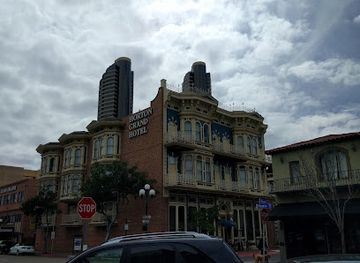
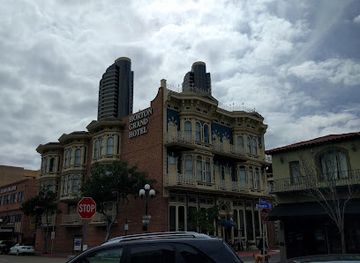
The Gaslamp Quarter Historic District is itself the principal landmark, with a sizeable collection of late nineteenth- and early twentieth-century commercial buildings that express downtown San Diego’s New Town development. The Gaslamp Quarter sign and stylised street lamps have become visual symbols of the area’s later revival. At 410 Island Avenue, the Davis-Horton House is a significant surviving residence and now houses the Gaslamp Museum, linking the modern entertainment district to its early domestic and civic history. The Balboa Theatre on Fourth Avenue is another important building, known for its historic theatre interior and prominent façade. Rather than being isolated monuments, these structures form a connected streetscape in which corner sites, balconies, brickwork and narrow blocks show how the quarter functioned as a dense commercial centre. Petco Park and the Convention Center are nearby landmarks, but lie beyond the historic district.
-
Historic city center
Gaslamp Quarter - The Historic Heart Of San Diego
Experience San Diego's vibrant history and nightlife in the Gaslamp Quarter, a meticulously preserved Victorian district offering dining, entertainment, and cultural attractions for every visitor.
2 min walk · 0.2 km from neighbourhood centre
-
Tourist attraction
WNDR Museum
Experience the intersection of art and technology at WNDR Museum San Diego, where interactive exhibits ignite curiosity and inspire creativity in the heart of the Gaslamp Quarter.
2 min walk · 0.2 km from neighbourhood centre
-
Local history museum
Gaslamp Museum at the Davis-Horton House Museum
Discover San Diego's Victorian past at the Gaslamp Museum, housed in the city's oldest standing structure, the Davis-Horton House, in the heart of the historic Gaslamp Quarter.
2 min walk · 0.2 km from neighbourhood centre
-
Historical landmark
Gaslamp Quarter Sign
Step into San Diego's historic heart: the Gaslamp Quarter, where Victorian charm meets modern excitement, offering a vibrant blend of dining, nightlife, and cultural experiences.
5 min walk · 0.4 km from neighbourhood centre
Explore Gaslamp Quarter on the map
A handpicked selection of must-see spots in Gaslamp Quarter, mapped for you.
Best hotels in Gaslamp Quarter
Best restaurants in Gaslamp Quarter
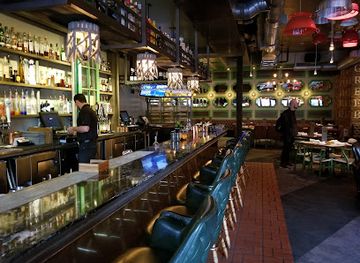
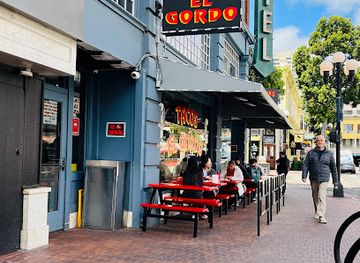
Dining in the Gaslamp Quarter centres on Fifth Avenue and the adjoining numbered streets, where historic commercial premises now hold restaurants, cafés, bars and late-evening kitchens. The range is broad rather than tied to one local cuisine: visitors will find Californian cooking, seafood, steakhouses, Mexican influences, Italian dishes, Asian-inspired menus, casual food and more formal dining rooms. Rooftop restaurants and terraces make use of the district’s upper storeys, while older storefronts create a more intimate setting at street level. The area’s visitor economy means that menus and businesses change more quickly than the architecture, so the most useful approach is to browse current offerings and reservations locally. Nearby Little Italy and the East Village provide different dining identities, but they should not be confused with the Gaslamp Quarter. The historic district’s particular appeal lies in eating amid preserved façades and lively evening foot traffic.
-
Italian
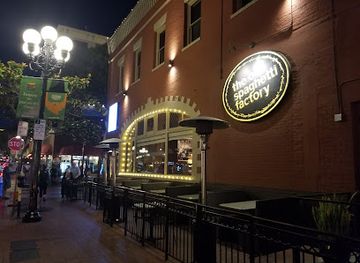
The Old Spaghetti Factory
Savor authentic Italian dishes amidst charming decor at The Old Spaghetti Factory in San Diego's vibrant Gaslamp Quarter.
4 min walk · 0.3 km from neighbourhood centre
-
Spanish
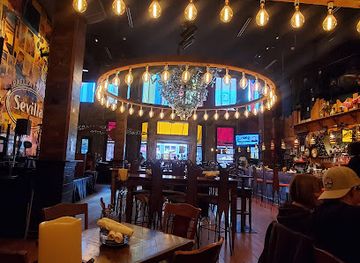
Cafe Sevilla of San Diego
Discover the flavors of Spain at Cafe Sevilla - where exquisite cuisine meets vibrant nightlife in San Diego's Gaslamp Quarter.
3 min walk · 0.2 km from neighbourhood centre
-
American
Rustic Root
Discover Rustic Root in San Diego's Gaslamp Quarter - where American flavors meet innovative cocktails in a charming setting.
1 min walk · 0.1 km from neighbourhood centre
-
American
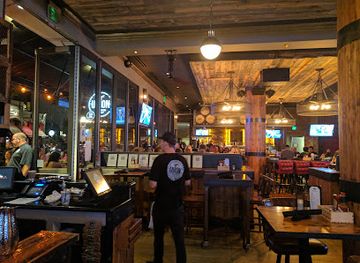
Union Kitchen and Tap Gaslamp
Discover Union Kitchen and Tap Gaslamp – a vibrant American eatery offering fresh flavors in San Diego's historic Gaslamp Quarter.
3 min walk · 0.3 km from neighbourhood centre
Best bars in Gaslamp Quarter
Nightlife is one of the Gaslamp Quarter’s defining uses, concentrated especially along Fifth Avenue and extending into the surrounding streets. The scene includes cocktail bars, sports bars, rooftop lounges, live-music rooms and dance-oriented clubs, with many venues occupying adapted Victorian or early twentieth-century buildings. Some spaces emphasise polished drinks and views over downtown, while others are louder, more informal and geared towards late-night dancing. The quarter becomes busiest on Friday and Saturday evenings, during conventions and when events take place at nearby Petco Park, so queues, security checks and street crowds are normal possibilities. Visitors should check current venue policies and age requirements, as the entertainment mix changes. The Gaslamp is not San Diego’s only nightlife district: North Park, Little Italy and the waterfront offer different atmospheres, while the historic quarter is the city-centre option most closely associated with concentrated evening activity.
-
Piano bar
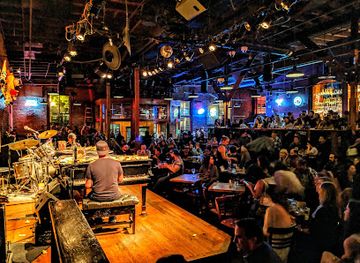
The Shout! House
Discover the exhilarating nightlife at The Shout! House, a dueling piano bar in San Diego's Gaslamp Quarter, with live music, delicious food, and crafted drinks.
3 min walk · 0.2 km from neighbourhood centre
-
Bar
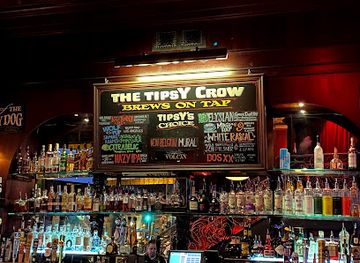
The Tipsy Crow
Experience the excitement of San Diego's nightlife at The Tipsy Crow, where great drinks and vibrant entertainment await in the Gaslamp Quarter.
4 min walk · 0.3 km from neighbourhood centre
-
Lounge
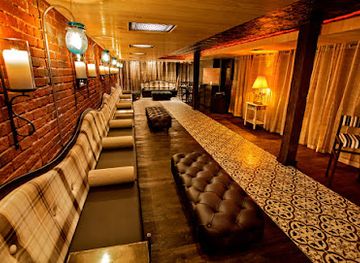
Prohibition Lounge
Discover the enchanting Prohibition Lounge in San Diego's Gaslamp Quarter, where vintage charm meets modern mixology and live music.
2 min walk · 0.1 km from neighbourhood centre
-
Grill
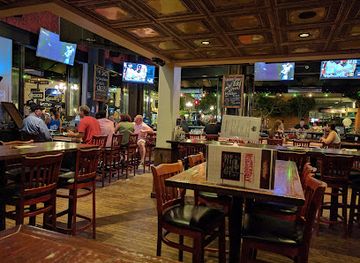
Gaslamp Tavern
Experience the lively atmosphere of Gaslamp Tavern, where great food and sports combine in the heart of San Diego's Gaslamp Quarter.
5 min walk · 0.4 km from neighbourhood centre
Best nightclubs in Gaslamp Quarter
Nightlife is one of the Gaslamp Quarter’s defining uses, concentrated especially along Fifth Avenue and extending into the surrounding streets. The scene includes cocktail bars, sports bars, rooftop lounges, live-music rooms and dance-oriented clubs, with many venues occupying adapted Victorian or early twentieth-century buildings. Some spaces emphasise polished drinks and views over downtown, while others are louder, more informal and geared towards late-night dancing. The quarter becomes busiest on Friday and Saturday evenings, during conventions and when events take place at nearby Petco Park, so queues, security checks and street crowds are normal possibilities. Visitors should check current venue policies and age requirements, as the entertainment mix changes. The Gaslamp is not San Diego’s only nightlife district: North Park, Little Italy and the waterfront offer different atmospheres, while the historic quarter is the city-centre option most closely associated with concentrated evening activity.
-
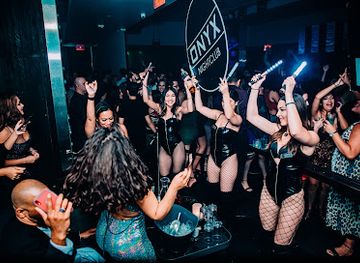
Night club
Onyx Room
Discover the excitement of Onyx Room, a premier night club and cocktail bar in San Diego's Gaslamp Quarter, perfect for an unforgettable night out.
5 min walk · 0.4 km from neighbourhood centre
-
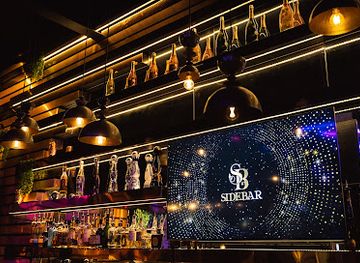
Night club
Side Bar
Experience the ultimate nightlife at Side Bar in San Diego's Gaslamp Quarter, featuring live music, creative cocktails, and a vibrant atmosphere.
1 min walk · 0.1 km from neighbourhood centre
-
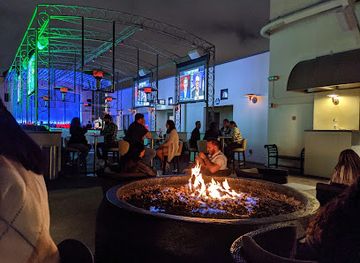
Night club
Altitude Sky Lounge
Discover the breathtaking views and vibrant nightlife at Altitude Sky Lounge, San Diego's premier rooftop destination for great food and cocktails.
3 min walk · 0.3 km from neighbourhood centre
-
Night club
Oxford Social Club
Discover the electrifying nightlife at Oxford Social Club in San Diego's Gaslamp Quarter, where upscale lounge meets energetic dance vibes.
2 min walk · 0.1 km from neighbourhood centre

Best shops in Gaslamp Quarter
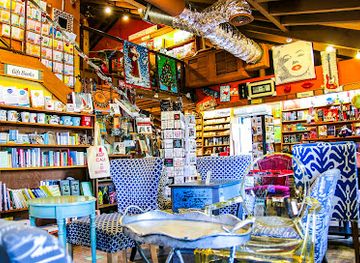
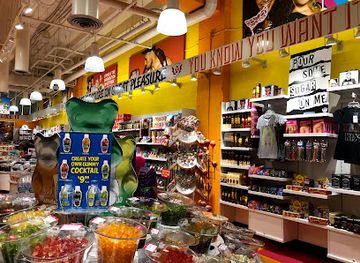
Shopping in the Gaslamp Quarter is mostly small-scale and visitor-oriented, woven among restaurants, bars and entertainment venues rather than arranged as a traditional market district. Fifth Avenue and the adjoining blocks offer fashion, accessories, gifts, souvenirs, speciality goods and independent storefronts, with retail activity often sharing buildings with hospitality businesses. The historic architecture gives even contemporary shops a distinctive setting, particularly where upper floors and preserved façades remain visible above modern signs. This is not the best part of San Diego for a large concentration of everyday local shopping: visitors seeking specialist design shops, galleries and a stronger independent retail identity may find more extensive choices in nearby Little Italy, the East Village or North Park. In the Gaslamp itself, browsing is most rewarding as part of an architectural walk, with stock and business names changing more quickly than the quarter’s protected streetscape.
-
Shopping mall
Seaport Village
Discover the charm of Seaport Village, a delightful shopping and dining destination along San Diego's stunning waterfront.
14 min walk · 1.1 km from neighbourhood centre
-
Business center
Gaslamp Quarter
Explore the Gaslamp Quarter in San Diego: a blend of history, vibrant nightlife, and diverse dining experiences in a stunning architectural setting.
3 min walk · 0.2 km from neighbourhood centre
-
Gift shop
IT'SUGAR
Explore IT'SUGAR in San Diego - a candy wonderland offering an irresistible array of sweets and quirky gifts in the lively Gaslamp Quarter.
2 min walk · 0.2 km from neighbourhood centre
-
Gift shop
Gaslamp Garage
Explore Gaslamp Garage, a vibrant gift shop in San Diego's Gaslamp Quarter, offering unique souvenirs and stylish clothing for every traveler.
4 min walk · 0.3 km from neighbourhood centre
Gaslamp Quarter essentials
Getting There
Getting Around
Safety
Emergency Situations
Do's and Don'ts
Local Tips

From Eve
Local phrases worth knowing
You don't need to get them perfect. A few words go a long way, and locals appreciate the effort.
Basics
| English | Local | Say it |
|---|---|---|
| Hello | Howdy | [haʊdi] |
| Goodbye | Catch you later | [kæʧ juː ˈleɪtər] |
| Yes | Yep | [jɛp] |
| No | Nah | [nɑː] |
| Please/You're welcome | Please/No worries | [pliːz/nəʊ ˈwʌriz] |
| Thank you | Thanks a bunch | [θæŋks ə bʌnʧ] |
| Excuse me/Sorry | Pardon me/My bad | [ˈpɑːrdn miː/maɪ bæd] |
| How are you? | What's up? | [wɑːts ʌp] |
| Fine. And you? | Good. You? | [ɡʊd juː] |
| Do you speak English? | You speak English? | [juː spiːk ˈɪŋɡlɪʃ] |
| I don't understand | I don't get it | [aɪ doʊnt ˌəndərˈstænd] |
Eating & Drinking
| English | Local | Say it |
|---|---|---|
| I'd like to see the menu, please | Can I check out the menu? | [kæn aɪ ʧɛk aʊt ðə ˈmɛnjuː] |
| I don't eat meat | I'm vegetarian | [aɪm ˌvɛdʒɪˈtɛriən] |
| Cheers! | Bottoms up! | [ˈbɒtəmz ʌp] |
| I would like to pay, please | Check, please | [ʧɛk pliːz] |
Emergencies
| English | Local | Say it |
|---|---|---|
| Help! | SOS! | [ɛsˌoʊˈɛs] |
| Go away! | Beat it! | [biːt ɪt] |
| Call the Police! | Ring the Cops! | [rɪŋ ðə kɒps] |
| Call a doctor! | Get a doc! | [ɡɛt ə dɒk] |
| I'm lost | I'm all turned around | [aɪm ɔːl tɜrnd əˈraʊnd] |
| I'm ill | I'm feeling under the weather | [aɪm ˈfiːlɪŋ ˈʌndər ðə ˈwɛðər] |
Shopping
| English | Local | Say it |
|---|---|---|
| I'd like to buy... | I wanna get... | [aɪ ˈwɑnə ɡɛt] |
| I'm just looking | Just browsing | [ʤʌst ˈbraʊzɪŋ] |
| How much is it? | What's the damage? | [wɒts ðə ˈdæmɪdʒ] |
| That's too expensive | That costs an arm and a leg | [ðæts tuː ɪkˈspɛnsɪv] |
| Can you lower the price? | Can you cut me a deal? | [kæn juː kʌt miː ə diːl] |
Time & Numbers
| English | Local | Say it |
|---|---|---|
| What time is it? | What's the time? | [wɑːts ðə taɪm] |
| It's one o'clock | It's one | [ɪts wʌn] |
| Half past (10) | Ten thirty | [tɛn ˈθɜrti] |
| Morning | AM | [æm] |
| Afternoon | PM | [piːˈɛm] |
| Evening | Evening | [ˈivnɪŋ] |
| Yesterday | Yesterday | [ˈjɛstərdeɪ] |
| Today | Today | [təˈdeɪ] |
| Tomorrow | Tomorrow | [təˈmɑroʊ] |
| 1 | One | [wʌn] |
| 2 | Two | [tuː] |
| 3 | Three | [θriː] |
| 4 | Four | [fɔːr] |
| 5 | Five | [faɪv] |
| 6 | Six | [sɪks] |
| 7 | Seven | [ˈsɛvən] |
| 8 | Eight | [eɪt] |
| 9 | Nine | [naɪn] |
| 10 | Ten | [tɛn] |
Transport & Directions
| English | Local | Say it |
|---|---|---|
| Where's a/the...? | Where can I find...? | [wɛr kæn aɪ faɪnd] |
| What's the address? | What's the street? | [wɑːts ðə striːt] |
| Can you show me (on the map)? | Can you point it out? | [kæn juː pɔɪnt ɪt aʊt] |
| When's the next (bus)? | When's the next ride? | [wɛnz ðə nɛkst raɪd] |
| A ticket (to ....) | One ticket (to ....) | [wʌn ˈtɪkɪt tuː] |
History of Gaslamp Quarter
New Town and Alonzo Horton
The district forms part of San Diego’s New Town, the downtown settlement promoted by businessman Alonzo Horton after he bought land in 1867. Horton’s choice of a waterfront-facing location helped shift the city’s commercial focus away from Old Town and encouraged the laying out of streets, lots and businesses in what is now the Gaslamp Quarter. Early development included hotels, offices, shops and residences, although the district’s built form changed repeatedly as downtown expanded. The present neighbourhood name is associated with the gas-style street lamps installed during the area’s later revitalisation, rather than with the original New Town settlement.
The Stingaree Era
By the late nineteenth and early twentieth centuries, the area had become a busy commercial and entertainment quarter, serving sailors, workers, traders and visitors arriving in downtown San Diego. Parts of it acquired the nickname Stingaree, a reference to prostitution and other illicit activity concentrated in the wider waterfront district. The reputation was real but incomplete: hotels, theatres, restaurants, shops and professional offices also occupied these blocks. Buildings such as the Davis-Horton House and surviving Victorian commercial structures preserve evidence of the period when the neighbourhood was a dense, mixed-use part of the growing city.
Decline and Preservation
As commercial activity moved elsewhere in the twentieth century, downtown buildings deteriorated and the Gaslamp blocks lost population and investment. Demolition and redevelopment threatened much of the older streetscape, prompting preservation campaigns that drew attention to its Victorian architecture. The Gaslamp Quarter was added to the National Register of Historic Places in 1980, recognising a substantial collection of late nineteenth- and early twentieth-century buildings. The designation helped establish a framework for retaining façades and historic scale while allowing the district to gain new commercial uses.
A Revived Entertainment District
From the late 1970s onwards, public agencies, preservationists and private developers worked to restore the area and attract businesses to its historic buildings. The Gaslamp Quarter emerged as a major centre for restaurants, nightlife, events and downtown tourism, with Fifth Avenue becoming its best-known social corridor. The revival brought investment and a stronger visitor economy, while also changing the mix of businesses and raising familiar questions about heritage-led redevelopment. Today, the neighbourhood’s identity rests on the combination of preserved architecture, a highly commercial evening scene and its position beside San Diego’s convention, stadium and waterfront districts.
Gaslamp Quarter in Photos
Browse through our photo collection highlighting the charm and character of the destination.
Neighbourhoods near Gaslamp Quarter
The closest neighbourhoods to Gaslamp Quarter, if you have time for more than one stop.
-

-

-

-

-


Swipe for more neighbourhoods
Explore more

Explore more of San Diego
San Diego combines Pacific beaches, Spanish colonial heritage, Balboa Park, acclaimed museums, neighbourhood dining and lively waterfront sightseeing.
Explore San Diego