

Old Town (San Diego) Travel Guide - Free
Explore Old Town in San Diego with Evendo's free guide. Find the best shops, historic streets, restaurants, and gems on web or mobile.


Old Town San Diego blends Spanish and Mexican heritage, historic adobe buildings, museums, markets, mariachi and traditional dining beside the city’s bay.
Adobe Streets and Layered Beginnings
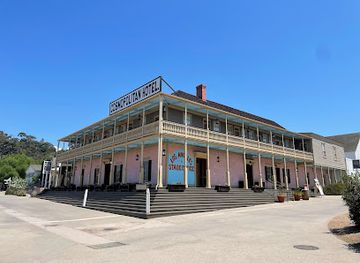
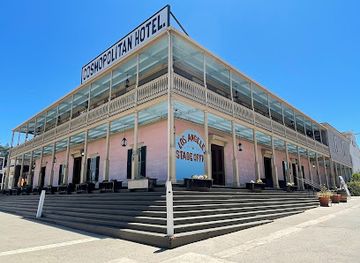
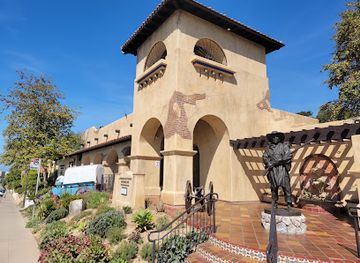
Old Town San Diego occupies the site generally recognised as the city’s birthplace, on a low rise north of the modern downtown and close to the Old Town Transit Center. Its historic core is shaped by adobe buildings, reconstructed nineteenth-century structures, courtyards and broad, tree-lined streets that recall the settlement’s Spanish and Mexican past. The area is not a preserved stage set: it combines Old Town San Diego State Historic Park with active museums, restaurants, shops, residences and transport links.Read more about Old Town
History in the Landscape
Markets, Museums and Evening Character
Best attractions in Old Town
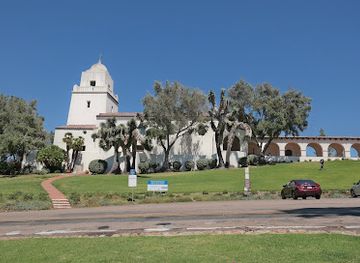
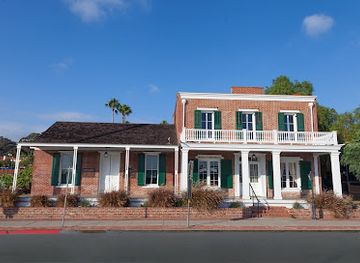
Old Town San Diego State Historic Park is the neighbourhood’s principal attraction, bringing together preserved and reconstructed adobe buildings, historic homes, museums, workshops, gardens and public plazas that interpret life in San Diego between the Spanish, Mexican and early American periods. The Wells Fargo History Museum, Seeley Stable Museum and Colorado House are among the sites that help explain transport, commerce and domestic life, while the Whaley House offers a more intimate look at a nineteenth-century family property. Around the park, Old Town Market and Bazaar del Mundo provide courtyards, crafts and food-focused experiences, though their commercial character differs from the state-managed historic buildings. Above the main district, Presidio Park adds lawns, paths and city views, with the Junípero Serra Museum occupying the site associated with the original Spanish presidio and mission settlement.
-
State park
Old Town San Diego State Historic Park
Experience San Diego's vibrant history at Old Town, where you can explore original buildings and immerse yourself in the atmosphere of early California.
3 min walk · 0.2 km from neighbourhood centre
-
Park
Presidio Park
Discover where California began! Presidio Park in San Diego offers history, stunning views, and a peaceful retreat.
7 min walk · 0.6 km from neighbourhood centre
-
Sightseeing tour agency
Old Town Trolley Tours
Explore San Diego's top attractions with comfort and ease on Old Town Trolley Tours, the ideal sightseeing experience for every traveler.
1 min walk · 0.1 km from neighbourhood centre
-
Tourist attraction
Old Town San Diego
Experience the vibrant history and culture of Old Town San Diego, where California's roots come to life amidst charming shops and authentic cuisine.
4 min walk · 0.3 km from neighbourhood centre
Best landmarks in Old Town
The neighbourhood’s key landmarks are concentrated in and around Old Town San Diego State Historic Park. Casa de Estudillo, a large adobe residence arranged around a courtyard, illustrates the scale and form associated with nineteenth-century Californian domestic architecture, while Casa de Machado y Stewart represents the continuing importance of local family and commercial buildings. The Whaley House is a prominent Greek Revival-style structure and one of the district’s best-known nineteenth-century landmarks. El Campo Santo, a small historic cemetery, preserves evidence of the settlement’s earlier community and changing urban landscape. On the hill above, Presidio Park and the Junípero Serra Museum mark the site associated with San Diego’s first Spanish presidio. Together these places connect the neighbourhood’s Indigenous setting, colonial foundation, Mexican-era pueblo and later American preservation movement without reducing its history to a single building or period.
-
State park
Old Town San Diego State Historic Park
Discover California's birthplace in Old Town San Diego State Historic Park, where history, culture, and vibrant traditions come alive, offering an immersive journey into the past.
3 min walk · 0.2 km from neighbourhood centre
-
Historical landmark
Mormon Battalion Historic Site
Explore the fascinating history of the Mormon Battalion at this interactive historic site in San Diego, a must-visit for history enthusiasts.
2 min walk · 0.2 km from neighbourhood centre
-
History museum
Whaley House Museum
Explore San Diego's most haunted house, a historic landmark blending intriguing tales of the past with chilling paranormal mysteries, in the heart of Old Town.
2 min walk · 0.1 km from neighbourhood centre
-
Park
Old Town San Diego
Discover the vibrant history and culture of California at Old Town San Diego, where meticulously preserved buildings, unique shops, and authentic cuisine create an immersive experience.
2 min walk · 0.1 km from neighbourhood centre
Explore Old Town on the map
A handpicked selection of must-see spots in Old Town, mapped for you.
Best hotels in Old Town
Best restaurants in Old Town
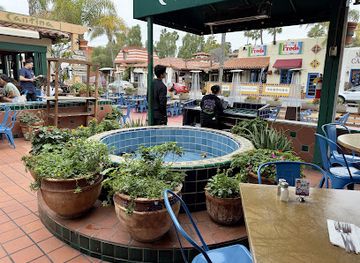
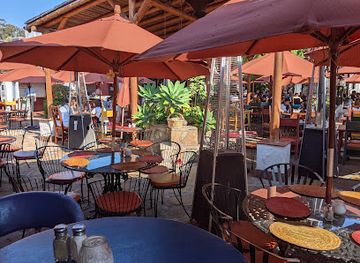
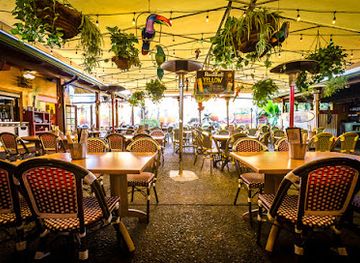
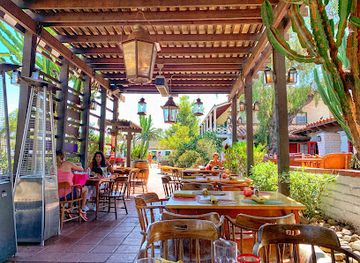
Old Town’s dining scene is closely associated with Mexican and Mexican-American cooking, served in historic adobes, tiled courtyards and purpose-built restaurants around San Diego Avenue and the state historic park. Long-established venues such as Old Town Mexican Cafe, Casa de Reyes and Cafe Coyote are among the recognised names, while smaller counters, bakeries and casual eateries provide ways to explore tortillas, regional dishes, grilled meats and sweet treats without committing to a formal meal. Mariachi performances and courtyard dining contribute to the district’s evening character, although the most traditional-looking setting is not always the oldest building. The neighbourhood’s food culture reflects San Diego’s border-region identity, but visitors should distinguish heritage interpretation from the living communities and culinary traditions that continue well beyond Old Town. Restaurant choice is concentrated in the historic core, with fewer options in the quieter residential areas near Presidio Park.
-
Mexican
Cafe Coyote
Savor authentic Mexican flavors at Cafe Coyote in Old Town San Diego – where every meal is a fiesta!
2 min walk · 0.2 km from neighbourhood centre
-
Mexican
Casa Guadalajara
Experience authentic Mexican cuisine at Casa Guadalajara in San Diego's historic Old Town - where every meal is a fiesta!
6 min walk · 0.4 km from neighbourhood centre
-
Casa de Reyes
Experience authentic Mexican flavors and vibrant culture at Casa de Reyes in San Diego's historic Old Town.
-
Seafood
Rockin' Baja Lobster - Old Town
Experience the vibrant flavors of seafood and Mexican cuisine at Rockin' Baja Lobster in Old Town San Diego.
2 min walk · 0.2 km from neighbourhood centre
Best bars in Old Town
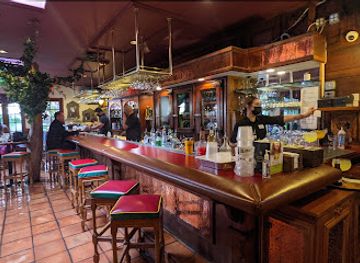
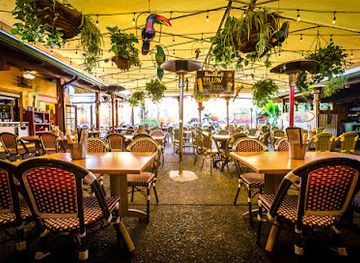
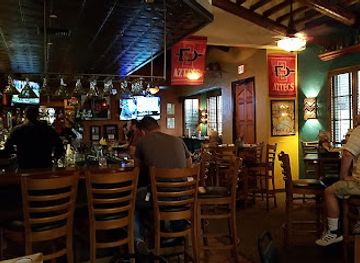
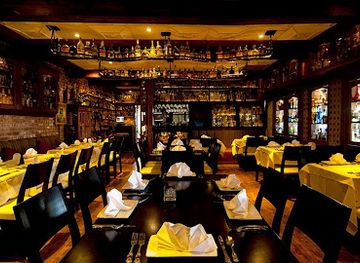
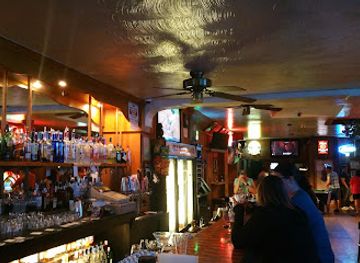
Old Town is more a dinner-and-performance district than a late-night club quarter. After dark, activity gathers around Mexican restaurants, courtyard bars and tequila-focused venues near San Diego Avenue, where drinks, live musicians and mariachi can accompany an evening meal. Casa de Reyes and nearby restaurant complexes are known for festive settings, while Old Town Tequila Factory is associated with the area’s broad Mexican dining and drinking offer. The historic park itself becomes quieter once museums and heritage sites close, and the streets around Presidio Park are primarily residential rather than entertainment-focused. Visitors seeking large nightclubs or a dense music scene generally need to continue towards downtown, the Gaslamp Quarter or other parts of San Diego; Old Town’s distinctive evening experience is its combination of historic surroundings, food, drinks and live cultural performance.
-
Seafood
Rockin' Baja Lobster - Old Town
Experience the vibrant flavors of Rockin' Baja Lobster in Old Town, where fresh seafood meets Mexican zest in a lively atmosphere.
2 min walk · 0.2 km from neighbourhood centre
-
Mexican
Old Town Tequila Factory Restaurant & Cantina
Experience the vibrant flavors of authentic Mexican cuisine and a diverse tequila selection at Old Town Tequila Factory in San Diego.
3 min walk · 0.2 km from neighbourhood centre
-
Mexican
Barra Barra
Savor authentic Mexican flavors in the heart of Old Town San Diego at Barra Barra, a family-friendly restaurant with a vibrant atmosphere.
3 min walk · 0.3 km from neighbourhood centre
-
Mexican
El Agave Restaurant & Tequileria
Discover the vibrant flavors of Mexico at El Agave Restaurant & Tequileria, a fine dining experience in the heart of San Diego's Old Town.
7 min walk · 0.5 km from neighbourhood centre
Best nightclubs in Old Town
Old Town is more a dinner-and-performance district than a late-night club quarter. After dark, activity gathers around Mexican restaurants, courtyard bars and tequila-focused venues near San Diego Avenue, where drinks, live musicians and mariachi can accompany an evening meal. Casa de Reyes and nearby restaurant complexes are known for festive settings, while Old Town Tequila Factory is associated with the area’s broad Mexican dining and drinking offer. The historic park itself becomes quieter once museums and heritage sites close, and the streets around Presidio Park are primarily residential rather than entertainment-focused. Visitors seeking large nightclubs or a dense music scene generally need to continue towards downtown, the Gaslamp Quarter or other parts of San Diego; Old Town’s distinctive evening experience is its combination of historic surroundings, food, drinks and live cultural performance.
-
Bar
Old Town Saloon
Discover Old Town Saloon, a lively bar in San Diego's historic district, blending vibrant nightlife with rich California history.
1 min walk · 0.1 km from neighbourhood centre
Best shops in Old Town
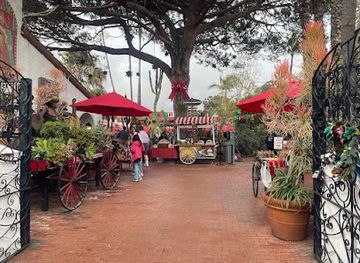
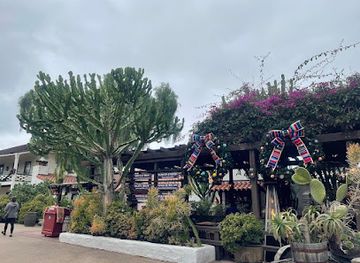
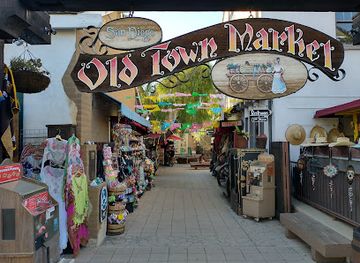
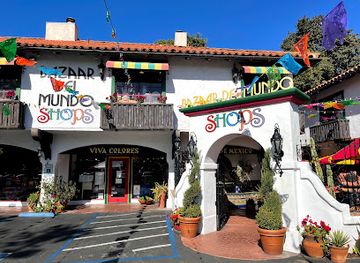
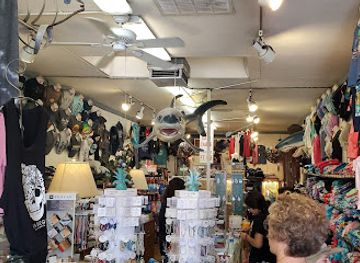
Shopping in Old Town centres on San Diego Avenue, Old Town Market and the courtyards around Bazaar del Mundo rather than on a conventional department-store high street. Visitors will find Mexican-inspired clothing, jewellery, textiles, ceramics, leather goods, folk art, souvenirs and decorative objects, with the strongest concentration around the historic park and its marketplace areas. Some shops operate within or beside restored-looking buildings, giving browsing a distinctly heritage-district setting, while the range is oriented largely towards visitors rather than everyday household shopping. Independent galleries and craft retailers add variety, but stock and businesses change over time, so the neighbourhood is better suited to browsing for regional design and gifts than to seeking a specialist retail district. The commercial atmosphere should be read alongside the state park’s museums and historic buildings, not as a substitute for them.
-
Souvenir store
Old Town Market
Explore Old Town Market: A vibrant hub of shopping, culture, and history in the heart of San Diego.
1 min walk · 0.1 km from neighbourhood centre
-
Gift shop
Bazaar Del Mundo
Discover authentic California crafts and unique souvenirs at Bazaar Del Mundo, a vibrant gift shop in San Diego's historic Old Town.
6 min walk · 0.5 km from neighbourhood centre
-
Gift shop
FIVE AND DIME GENERAL STORE
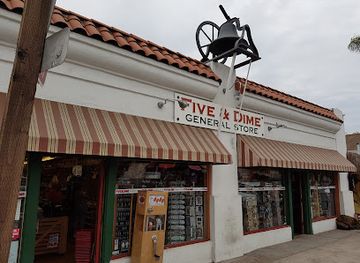
Explore the Five and Dime General Store in Old Town San Diego for unique gifts, local snacks, and a taste of the region's vibrant culture.
1 min walk · 0.1 km from neighbourhood centre
-
Gift shop
Treasures By the Sea
Explore Treasures By the Sea in Old Town San Diego for unique gifts, local artisan crafts, and delightful souvenirs that capture the spirit of your travels.
2 min walk · 0.1 km from neighbourhood centre
Old Town essentials
Getting There
Getting Around
Safety
Emergency Situations
Do's and Don'ts
Local Tips

From Eve
Local phrases worth knowing
You don't need to get them perfect. A few words go a long way, and locals appreciate the effort.
Basics
| English | Local | Say it |
|---|---|---|
| Hello | Howdy | [hau-dee] |
| Goodbye | Adios | [ah-dee-ose] |
| Yes | Yep | [yep] |
| No | Nope | [nohp] |
| Please/You're welcome | Please/You're welcome | [please/jure wel-kum] |
| Thank you | Thanks | [thaynks] |
| Excuse me/Sorry | Excuse me/Sorry | [ex-kyus mee/sor-ee] |
| How are you? | Howdy partner? | [hau-dee part-ner] |
| Fine. And you? | Fine. And you? | [fain. and yoo] |
| Do you speak English? | Ya speak English? | [ya speek ing-lish] |
| I don't understand | I ain't gettin' ya | [ai ent get-tin yuh] |
Eating & Drinking
| English | Local | Say it |
|---|---|---|
| I'd like to see the menu, please | Show me the grub list, please | [shoh mee thee gruhb list, please] |
| I don't eat meat | I don't eat critters | [ai dohnt eet crit-ters] |
| Cheers! | Cheers! | [cheers] |
| I would like to pay, please | I'm ready to settle up, please | [aim reh-dy too set-tul up, please] |
Emergencies
| English | Local | Say it |
|---|---|---|
| Help! | Help! | [help] |
| Go away! | Git! | [git] |
| Call the Police! | Call the Sheriff! | [call thee shair-iff] |
| Call a doctor! | Call the Doc! | [call thee dahk] |
| I'm lost | I'm turned around | [aim turnd uh-round] |
| I'm ill | I'm feelin' poorly | [aim feel-in poor-lee] |
Shopping
| English | Local | Say it |
|---|---|---|
| I'd like to buy... | I reckon I'll take... | [ai rek-uhn ail take] |
| I'm just looking | I'm just browsin' | [aim just brow-zin] |
| How much is it? | How much? | [how much] |
| That's too expensive | That's a bit steep | [thats a bit steep] |
| Can you lower the price? | Can ya do me a favor? | [can yuh doh mee uh fay-vur] |
Time & Numbers
| English | Local | Say it |
|---|---|---|
| What time is it? | What time? | [what time] |
| It's one o'clock | It's one | [its wun] |
| Half past (10) | Half past ten | [haff past ten] |
| Morning | Mornin' | [morn-in] |
| Afternoon | Afternoon | [af-ter-noon] |
| Evening | Evenin' | [ee-ven-in] |
| Yesterday | Yest'day | [yest-duh] |
| Today | Today | [toh-day] |
| Tomorrow | Tomorrah | [tom-or-uh] |
| 1 | One | [wun] |
| 2 | Two | [too] |
| 3 | Three | [three] |
| 4 | Four | [for] |
| 5 | Five | [fahyv] |
| 6 | Six | [siks] |
| 7 | Seven | [sev-uhn] |
| 8 | Eight | [ayt] |
| 9 | Nine | [nine] |
| 10 | Ten | [ten] |
Transport & Directions
| English | Local | Say it |
|---|---|---|
| Where's a/the...? | Where's the...? | [wheres thee] |
| What's the address? | What's the street? | [whats thee street] |
| Can you show me (on the map)? | Can ya point it out (on the map)? | [can yuh point it out (on thee map)] |
| When's the next (bus)? | When's the next (bus)? | [whens thee next (bus)] |
| A ticket (to ....) | A ticket (to ....) | [uh ticket (to)] |
History of Old Town
Kumeyaay Homeland and Spanish Settlement
Before Spanish colonisation, the area formed part of the homeland of the Kumeyaay, whose communities maintained established relationships with the region’s coast, rivers and uplands. In 1769, the Spanish expedition led by Gaspar de Portolá and Junípero Serra established the Presidio of San Diego on the hill above today’s Old Town and founded Mission San Diego de Alcalá nearby. The presidio became the first permanent European settlement in what is now California, although the mission was later moved east to its present site. The military and mission establishments introduced new political, religious and economic structures that profoundly affected Kumeyaay life and the region’s landscape.
Mexican San Diego and Pueblo Life
After Mexican independence from Spain in 1821, the presidio gradually lost importance and the settlement below it developed as a civilian pueblo. Adobe homes, workshops and commercial buildings spread around what is now Old Town San Diego State Historic Park, while local life was shaped by ranching, trade and links to the port. Buildings such as Casa de Estudillo and Casa de Machado y Stewart reflect the domestic and commercial architecture of this period, though many structures now seen in the historic district have been restored or reconstructed. The Mexican era remains central to Old Town’s architectural vocabulary and cultural interpretation.
American Annexation and New Town
The United States took control of San Diego during the Mexican-American War, and California entered the Union in 1850. San Diego’s original settlement retained its importance but faced competition after Alonzo Horton promoted a new commercial centre near the waterfront in the 1860s. Horton’s New Town, the basis of present-day downtown, drew businesses and population away from Old Town, leaving the older settlement comparatively quieter. The contrast between Old Town’s adobe buildings and downtown’s later urban grid is therefore rooted in nineteenth-century changes in transport, commerce and civic investment rather than in a simple disappearance of the earlier community.
Preservation and Historic Interpretation
Interest in preserving San Diego’s early buildings grew during the twentieth century, and the establishment of Old Town San Diego State Historic Park in 1968 placed a substantial part of the historic core under state management. Restoration, reconstruction and museum interpretation transformed the area into a major heritage district, while Presidio Park and the Junípero Serra Museum presented the earlier Spanish settlement from the hill above. This heritage landscape has also prompted continuing discussion about whose histories are represented, particularly the experiences of the Kumeyaay and the effects of Spanish and Mexican colonisation. Old Town today combines conservation, tourism, commercial activity and ongoing historical reinterpretation.
Old Town in Photos
Browse through our photo collection highlighting the charm and character of the destination.
Neighbourhoods near Old Town
The closest neighbourhoods to Old Town, if you have time for more than one stop.
-

-

-

-

-


Swipe for more neighbourhoods
Explore more

Explore more of San Diego
San Diego combines Pacific beaches, Spanish colonial heritage, Balboa Park, acclaimed museums, neighbourhood dining and lively waterfront sightseeing.
Explore San Diego