Coit Tower, Oakland Travel Guide
Ascend to San Francisco's iconic Coit Tower for panoramic city views and Depression-era murals, a timeless landmark atop Telegraph Hill.
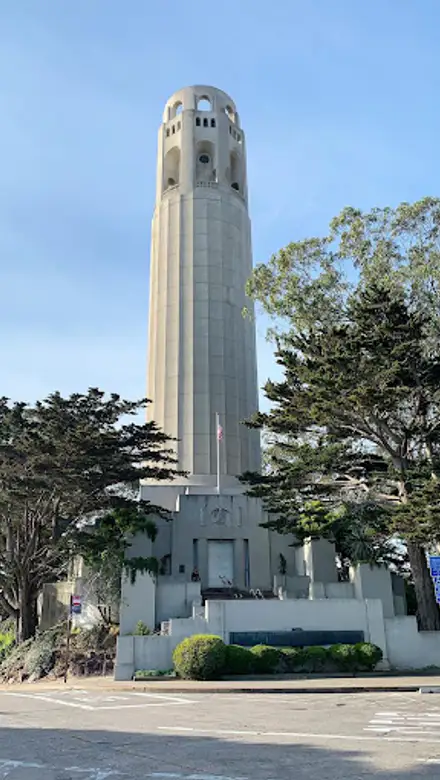
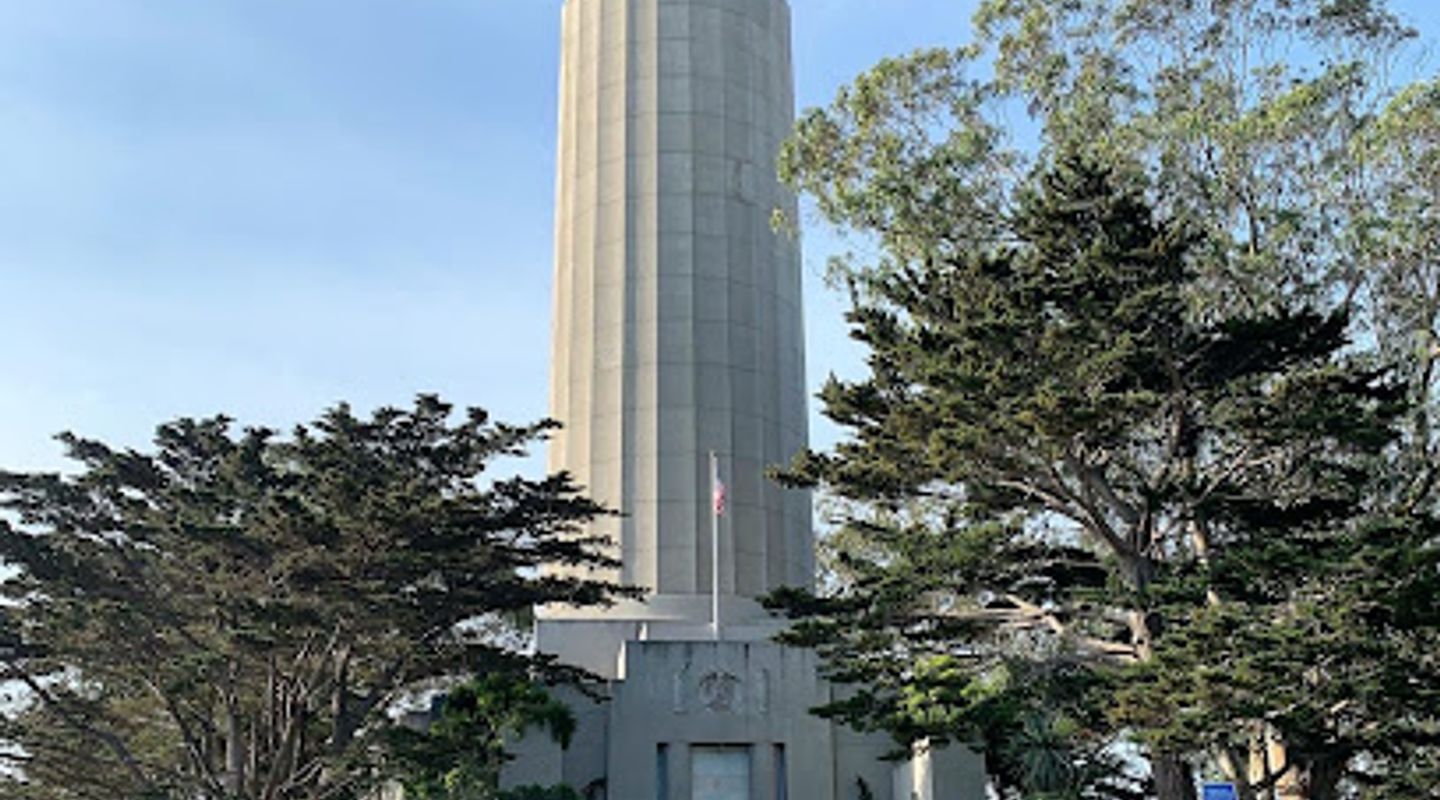
Perched atop Telegraph Hill, Coit Tower is a San Francisco landmark offering panoramic city and bay views. Built in 1933 with a bequest from Lillie Hitchcock Coit, the 210-foot art deco tower is adorned with Depression-era murals depicting California life. Visitors can ascend to the observation deck for stunning vistas of the Golden Gate Bridge, Alcatraz, and the city skyline. Explore the murals, learn about the tower's history, and soak in the unparalleled views that make Coit Tower a must-see attraction. Whether you choose to walk up the scenic Filbert Steps or take the convenient #39 bus, a visit to Coit Tower promises an unforgettable San Francisco experience.
A brief summary to Coit Tower
- 1 Telegraph Hill Blvd, San Francisco, Telegraph Hill, California, 94133, US
- Click to display
- Click to display
- Monday 10 am-4 pm
- Tuesday 10 am-4 pm
- Wednesday 10 am-4 pm
- Thursday 10 am-4 pm
- Friday 10 am-4 pm
- Saturday 10 am-4 pm
- Sunday 10 am-4 pm

Know before you go
Hi, I'm Eve. Here are a few practical things to know before exploring Coit Tower.
- Arrive early, especially during peak season, to avoid long lines for the elevator to the observation deck.
- Consider walking up the Filbert or Greenwich Steps for a scenic (but strenuous) route to the tower, passing through charming gardens.
- Take a guided tour to learn about the history and significance of the Depression-era murals inside the tower.
- Check the tower's website for current hours and elevator status, as the elevator may be temporarily out of service.
- Bring a jacket, as it can be windy and cool at the top of Telegraph Hill, even on a sunny day.
Do you manage this location?
Take control to get all the benefits, like improved information, better appearance, and stronger visibility across AI-powered discovery. Learn more about listing your business on Evendo
Activate your presenceOther nearby places you may find interesting
The closest places of the same kind, if this one is not quite what you had in mind.

Explore Coit Tower on the Map
A handpicked selection of must-see spots near Coit Tower, mapped for you.
Unlock the Best of Coit Tower
Buy tickets
-
No tickets available
Book tours with entry


Getting There
-
Public Transport
From Fisherman's Wharf or downtown San Francisco, take the Muni #39 Coit bus directly to Coit Tower. The bus provides a convenient and scenic ride up Telegraph Hill, dropping you off near the tower entrance. A single ride on Muni costs $3. Alternatively, from the downtown area, you can take either the #30 or #45 line to Washington Square, located at the corners of Union & Columbus and transfer to the #39 Coit Tower bus.
-
Walking
For a more active approach, walk from North Beach via the Filbert Steps or Greenwich Steps. These staircases ascend Telegraph Hill, offering stunning views and passing through charming gardens. Be prepared for a steep climb. From the intersection of Filbert Street and Grant Avenue in North Beach, the walk is approximately 0.5 miles and takes about 20-30 minutes, depending on your pace.
-
Taxi/Ride-Share
Taxis and ride-sharing services (Uber/Lyft) can take you directly to Coit Tower. However, be aware that traffic on Telegraph Hill can be heavy, especially during peak hours. A ride from Fisherman's Wharf typically costs $15-$20, depending on traffic and surge pricing.
-
Driving
Driving to Coit Tower is possible, but parking is extremely limited. There is a small parking lot near the tower, but it is often full, and waits to enter can be long. On weekdays, parking is limited to 30 minutes. Parking in the lot is restricted to area residents with permits on weekends. Consider alternative transportation due to parking challenges. If you do drive, be prepared to pay for parking at a nearby garage; rates can range from $30 for 2 hours.
Discover more about Coit Tower













Your all‑in‑one travel companion app
Explore expert travel guides, compare and book tours, experiences, hotels, and more—all from the palm of your hand. Download now for seamless trip planning wherever your wanderlust takes you.


Explore More of Oakland
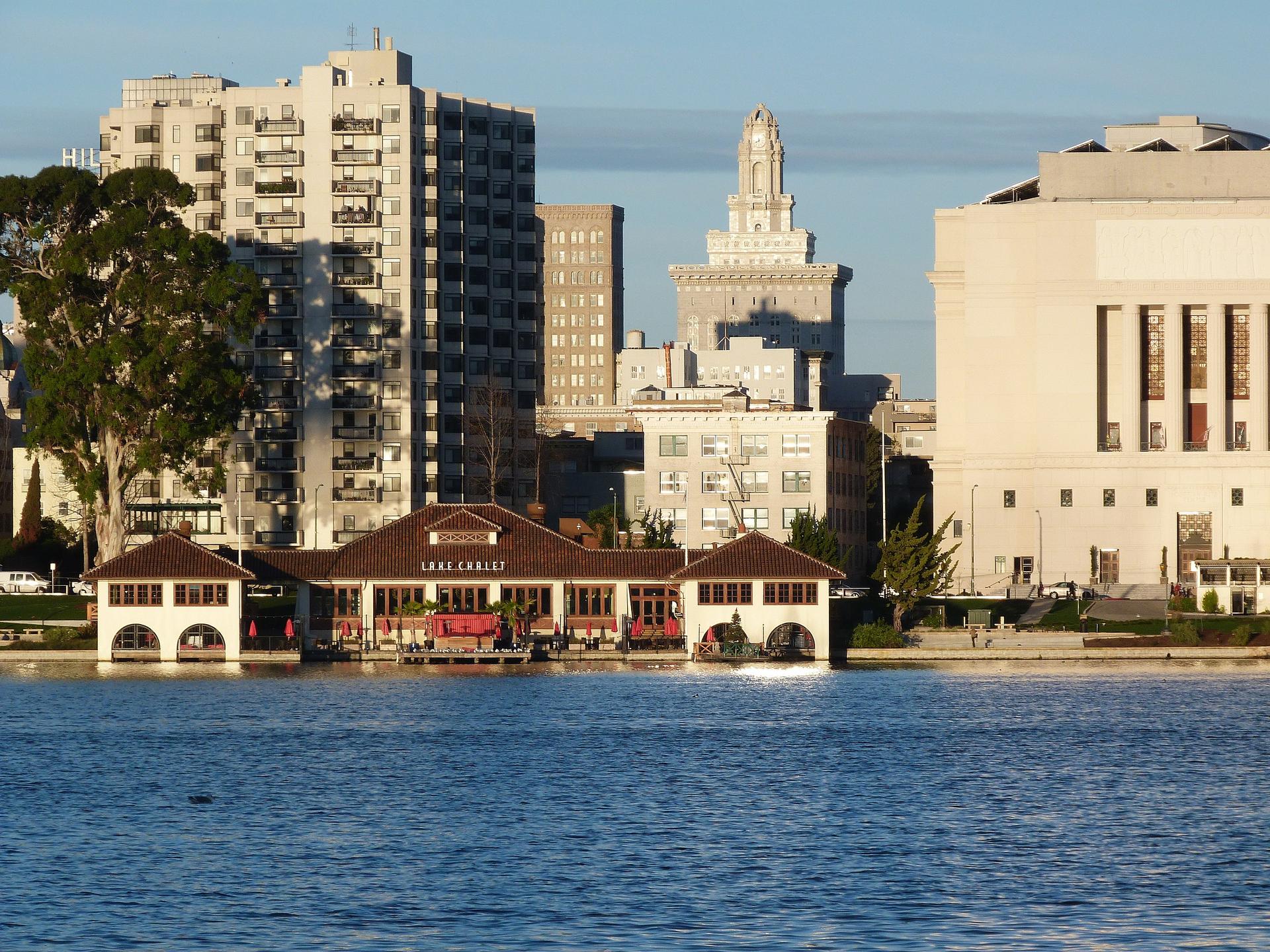
Looking beyond Coit Tower? Discover Oakland for broader travel guides, local hot-spots, and regional highlights.
Explore Oakland
Explore the historic Pier 31 in San Francisco, where maritime heritage meets stunning waterfront views and vibrant local culture.

Experience the charm of Lombard Street, San Francisco's iconic 'Crookedest Street in the World,' with its hairpin turns, vibrant flowerbeds, and stunning city views in the heart of Russian Hill.