

Background

Pigeon Point Lighthouse, Santa Clara Travel Guide

4.6 (147)

Discover California's maritime history at Pigeon Point Lighthouse, a stunning coastal landmark guiding ships since 1872, with breathtaking views and ongoing restoration.

Perched dramatically on a cliff overlooking the Pacific Ocean, Pigeon Point Lighthouse stands as a sentinel of California's maritime past. One of the tallest lighthouses in the United States, it has guided ships since 1872. Named after the clipper ship *Carrier Pigeon*, which wrecked nearby in 1853, the lighthouse boasts a rich history and stunning coastal scenery. Although the tower is currently closed for restoration, visitors can still explore the grounds, admire the iconic structure, and discover the fascinating stories within the Fog Signal Building, where the original Fresnel lens is displayed. With its rugged beauty and historical significance, Pigeon Point offers a captivating glimpse into California's seafaring heritage, making it a worthwhile stop along Highway 1.

A brief summary to Pigeon Point Lighthouse

Eve
From Eve

Know before you go

Hi, I'm Eve. Here are a few practical things to know before exploring Pigeon Point Lighthouse.

  • Visit during whale migration season (December-March and mid-March through May) for a chance to spot gray and humpback whales from the shore.
  • Explore the tide pools at low tide to discover a variety of marine life, including sea anemones and sea stars.
  • Check the weather forecast before you go, as the coastal weather can be unpredictable. Dress in layers to stay comfortable.

Do you manage this location?

Take control to get all the benefits, like improved information, better appearance, and stronger visibility across AI-powered discovery. Learn more about listing your business on Evendo

Activate your presence

Other nearby places you may find interesting

The closest places of the same kind, if this one is not quite what you had in mind.
Explore Pigeon Point Lighthouse on the Map

A handpicked selection of must-see spots near Pigeon Point Lighthouse, mapped for you.

Unlock the Best of Pigeon Point Lighthouse

Buy tickets

  • No tickets available

Book tours with entry

  • No tours available

Book tours without entry

  • No tours available

Getting There

  • Driving

    From Highway 1, look for the sign for Pigeon Point Road, approximately 5 miles south of Pescadero. Turn onto Pigeon Point Road and follow it for a short distance to the lighthouse entrance. Parking is free, but can be limited during peak times, especially on weekends. Arrive early to secure a spot. Note that the area around the lighthouse tower is currently fenced off due to restoration work, but the grounds and Fog Signal Building are still accessible.

Discover more about Pigeon Point Lighthouse

Pigeon Point Lighthouse, a majestic 115-foot tower, has stood guard over the treacherous Pacific coastline since 1872. Located on a rocky promontory about 50 miles south of San Francisco, near Pescadero, California, it shares the title of the tallest lighthouse on the West Coast with Point Arena Light. Its construction marked a significant advancement in maritime safety, born from the urgent need to guide ships navigating the busy sea lanes following the Gold Rush of 1848. The lighthouse derives its name from the *Carrier Pigeon*, a clipper ship that met its fate on the rocks just offshore in 1853 due to heavy fog. This tragic event underscored the necessity for a reliable navigational aid in the area, leading to the construction of the lighthouse nearly two decades later. The light station was officially established after Congress appropriated $90,000 in March 1871 for a first-class lighthouse and fog signal on Pigeon Point. The original illumination came from a five-wick lard oil lamp, later replaced by a mineral oil lamp in 1888. The heart of the lighthouse was its first-order Fresnel lens, a marvel of engineering crafted in Paris. Comprising 1,008 individual prisms, the lens stood 16 feet tall and weighed 2,000 pounds. This intricate lens focused the light into a single powerful beam, visible for up to 24 miles at sea. The lens rotated, powered by a clockwork mechanism, producing Pigeon Point's characteristic flash pattern: one white flash every ten seconds. Beyond the lighthouse itself, Pigeon Point Light Station encompassed several essential structures. These included the fog signal building, crucial for warning ships during periods of dense fog, and the keepers' quarters, providing housing for the lighthouse keepers and their families. The fog signal was initially produced by a twelve-inch steam whistle, which was activated for the first time on September 10, 1871. The station also featured water tanks and a large watershed area to collect rainwater, ensuring a reliable water supply. Over the years, Pigeon Point Lighthouse underwent several changes. The audible fog signal was discontinued in 1976, replaced by modern navigational aids. In 1972, a rotating aero-beacon was installed, and the Fresnel lens was retired from regular service. The station was automated in 1974, marking the end of an era for lighthouse keepers. In December 2001, the lighthouse faced a new challenge when sections of the iron belt course on the exterior of the tower broke away. This prompted the closure of the tower to the public and the initiation of a comprehensive restoration project. The original Fresnel lens was carefully removed and placed on display in the fog signal building, allowing visitors to admire its intricate design up close. Currently, Pigeon Point Lighthouse is undergoing extensive restoration, with work expected to continue through 2025. While the tower itself remains closed, the grounds are open to the public, offering a unique opportunity to witness the restoration efforts and learn about the lighthouse's history. Visitors can explore the Fog Signal Building, which houses the original Fresnel lens and exhibits on shipwrecks and fog signals. Guided history walks are available on Sundays, and Junior Ranger programs are offered during the summer. The coastal areas surrounding Pigeon Point Light Station are teeming with life. Marine mammals, such as seals and whales, can often be spotted from the shore. The intertidal zone along the rocky reefs is home to a diverse array of plant and animal life. A small public beach is located near the parking lot, providing a perfect spot for a stroll or a picnic. Despite the ongoing restoration, Pigeon Point Lighthouse remains an iconic landmark and a testament to California's maritime heritage. Its rich history, stunning coastal scenery, and ongoing preservation efforts make it a must-see destination for travelers exploring the California coast. Whether you're a history buff, a nature lover, or simply seeking a breathtaking view, Pigeon Point Lighthouse offers an unforgettable experience. Visiting Pigeon Point Light Station offers a variety of activities. The visitor center, open Friday through Monday, provides educational exhibits and historical information. The park store, located in the historic carpenter's shop, offers souvenirs and books. Hiking trails wind along the coast, providing opportunities for bird watching and whale watching. Tide pooling is also a popular activity, allowing visitors to explore the diverse marine life in the rocky reefs. The Pigeon Point Lighthouse Hostel, located on the grounds of the park, offers overnight accommodations for budget-conscious travelers. The hostel provides a unique opportunity to stay in a historic setting and enjoy the beauty of the California coast. With its stunning views and convenient location, the hostel is a popular choice for travelers from around the world. As you stand on the grounds of Pigeon Point Lighthouse, take a moment to imagine the countless ships that have been guided by its light over the past century. Consider the lives of the lighthouse keepers who dedicated themselves to maintaining this vital navigational aid. And appreciate the ongoing efforts to preserve this iconic landmark for future generations. Pigeon Point Lighthouse is more than just a building; it's a symbol of California's maritime history and a testament to the enduring power of human ingenuity.
Mobile App

Your all‑in‑one travel companion app

Explore expert travel guides, compare and book tours, experiences, hotels, and more—all from the palm of your hand. Download now for seamless trip planning wherever your wanderlust takes you.


Explore More of Santa Clara
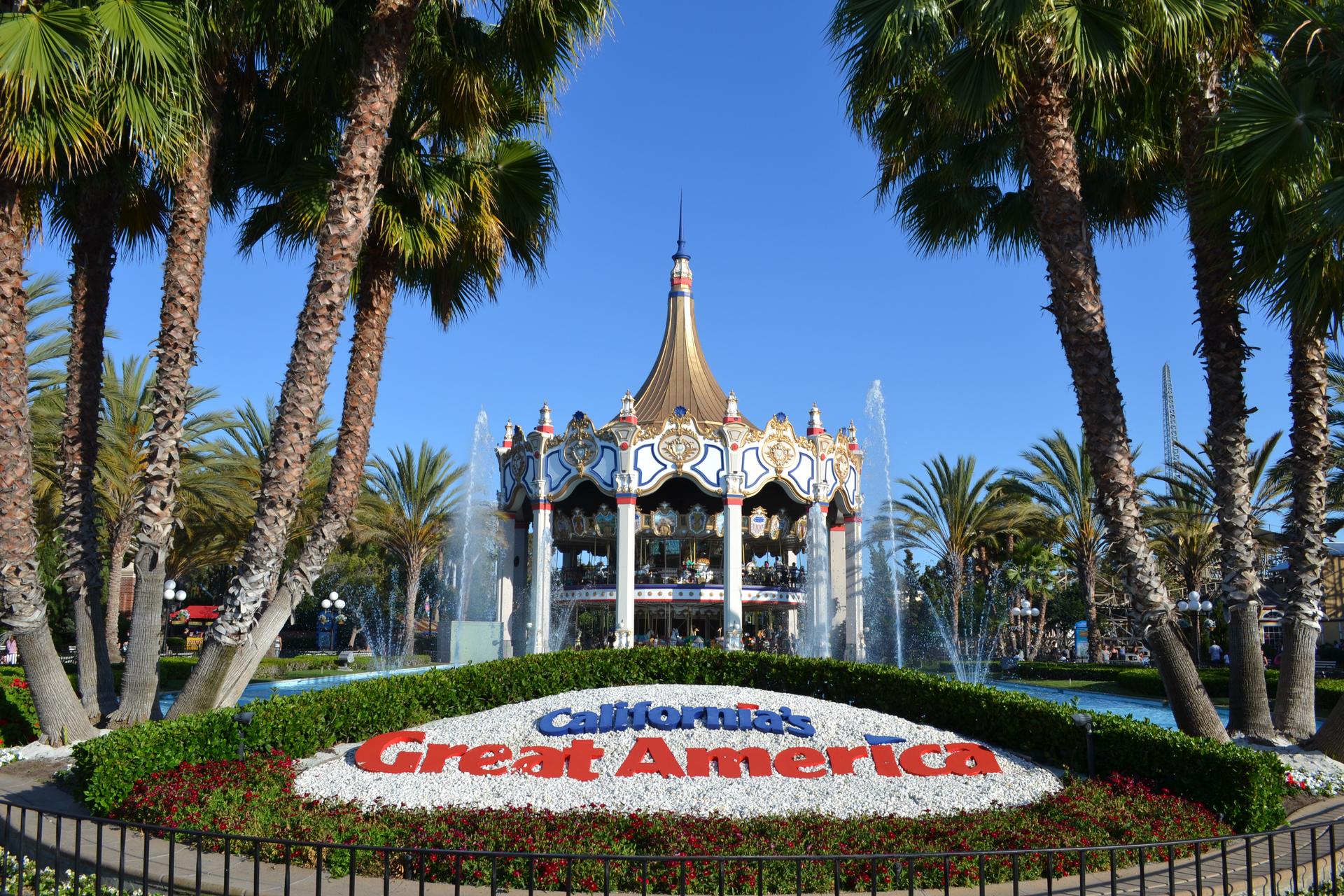
Looking beyond Pigeon Point Lighthouse? Discover Santa Clara for broader travel guides, local hot-spots, and regional highlights.

Explore Santa Clara
Select Currency





