Background

The Monolith: Relic of Shasta Dam's Construction

4.5 (2)

Explore The Monolith in Redding's Turtle Bay Exploration Park: a historical landmark transformed into public art, connecting visitors to Shasta Dam's legacy and the Sacramento River's story.

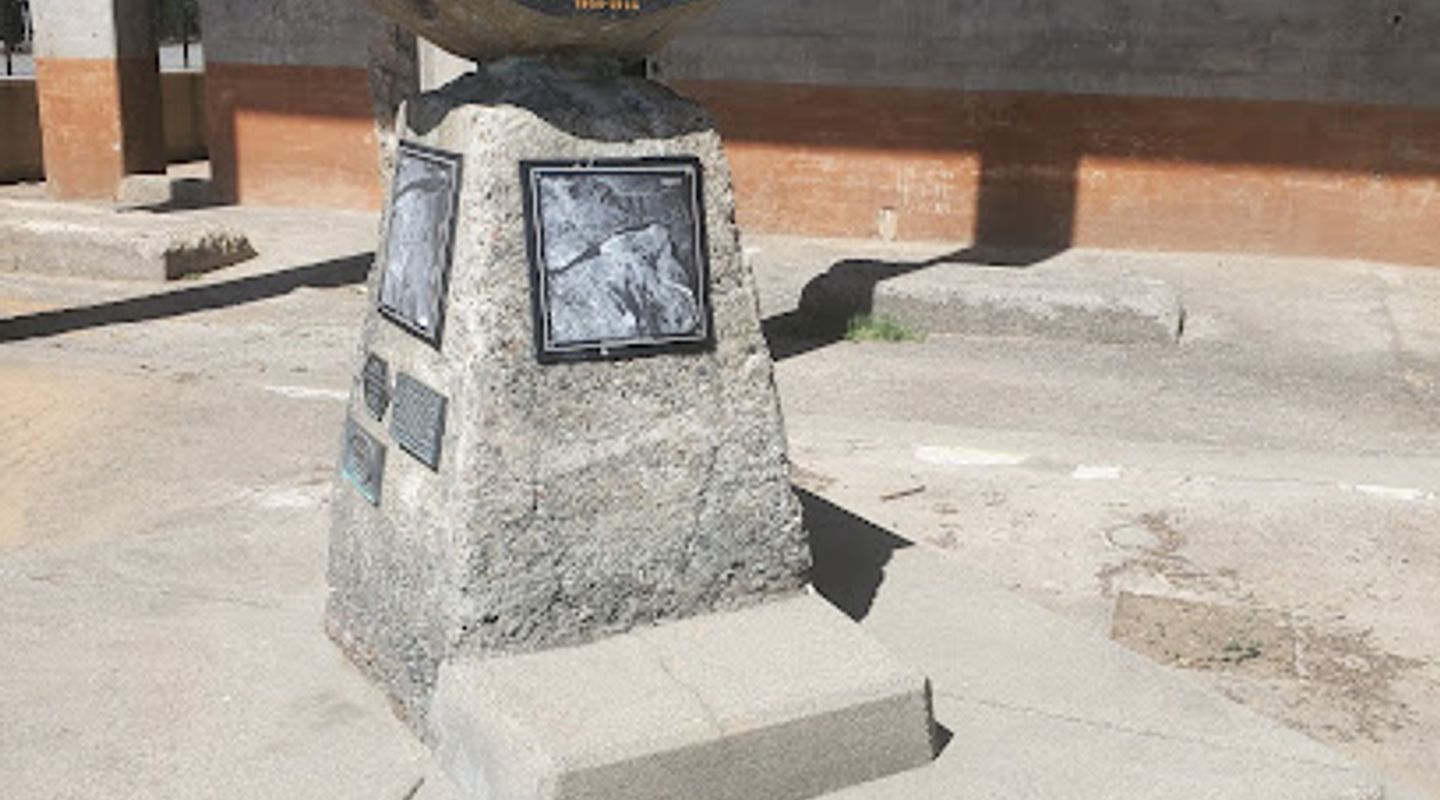
The Monolith, a striking concrete structure in Redding's Turtle Bay Exploration Park, stands as a monument to the construction of Shasta Dam. Once part of the Kutras Tract Aggregate Plant (1938-1945), it supplied gravel for the dam's construction. Artist Buster Simpson transformed the relic into a public art installation, incorporating elements that tell the story of the site's history and its connection to the Sacramento River. Visitors can explore the area, reflect on the region's industrial past, and appreciate the Monolith's unique blend of history, art, and environmental consciousness. The site also hosts community events, making it a gathering place for locals and tourists alike. Its rugged beauty and historical significance make it a compelling destination within Turtle Bay Exploration Park, offering a glimpse into the ambitious engineering feats that shaped Northern California.

A brief summary to The Monolith

  • 844 Sundial Bridge Drive, Redding, Turtle Bay, California, 96001, US
Eve
From Eve

Know before you go

Hi, I'm Eve. Here are a few practical things to know before exploring The Monolith.

  • Explore the Sacramento River Trail accessible from the Monolith for scenic walking and biking opportunities.
  • Visit during a community event or festival to experience the Monolith as a gathering place.
  • Combine your visit with a trip to Turtle Bay Exploration Park's museum, gardens, and other attractions for a full day of exploration.

Do you manage this location?

Take control to get all the benefits, like improved information, better appearance, and stronger visibility across AI-powered discovery. Learn more

Activate your presence

Unlock the Best of The Monolith

Buy tickets

    No tickets available

Book tours with entry

    No tours available

Book tours without entry

    No tours available

Getting There

  • Walking

    From the Sundial Bridge parking lot, walk towards the bridge entrance. Cross the Sundial Bridge. Once across, The Monolith is a short walk away on the Turtle Bay Exploration Park grounds. Follow the signs within the park.

  • Public Transport

    From the Redding Transit Center, take the Route 2 bus towards Anderson. Get off at the Turtle Bay Exploration Park stop. From there, walk towards the Turtle Bay Exploration Park entrance, and follow the signs to the Sundial Bridge. After crossing the bridge, The Monolith is located at 844 Sundial Bridge Drive, just a short walk past the bridge. A single ride on the bus costs $1.25.

Discover more about The Monolith

The Monolith, located within Redding's Turtle Bay Exploration Park, is a compelling historical landmark that offers a unique perspective on the region's industrial past and its connection to the construction of Shasta Dam. This imposing concrete structure is the remnant of the Kutras Tract Aggregate Plant, which operated from 1938 to 1945, extracting gravel from the Sacramento River to build the colossal Shasta Dam. After the plant ceased operations, the site was stripped of its machinery, leaving behind the stark concrete framework that became known locally as "The Monolith." In 2000, artist Buster Simpson was commissioned by Turtle Bay Exploration Park to creatively engage with the Monolith, transforming it into a public art installation that tells the story of the site's history and its relationship to the Sacramento River. Simpson recognized the Monolith as both a ready-made sculpture and a monument, responding to the layers of natural and human events that shaped the area. His artistic interventions incorporated utilitarian materials to relay stories of the people and the place, creating a thought-provoking experience for visitors. The Monolith site encompasses approximately 10,000 square feet and features a variety of elements that reflect its industrial past and its artistic transformation. The hardscape consists of various sizes of aggregate spread out in piles, decomposed granite, concrete walkways, and ADA-compliant railings. The landscaping includes indigenous grasses, an irrigated crop circle, California native oaks, manzanita, redbud, and volunteer cottonwoods. A key feature is the Pier Monument, which marks reference points in time and establishes the significance of the site. A bronze scale model of the former mill building and adjacent stockpiles of aggregate (circa 1942) sits atop a capstone mounted upon an original concrete pier. The capstone is inscribed with the words "Kutras Tract Aggregate Plant 1938-1944" and "Turtle Bay – 1942. At this oxbow of the Sacramento River, velocities slow, gravel gathers." The Monolith's design also incorporates elements that address environmental concerns and the importance of salmon spawning in the Sacramento River. Simpson envisioned the Monolith as a pedestal for a power-generating sculpture resembling Shasta Dam's north face, called Solar Shasta. This sculptural photovoltaic panel array would maximize sun gain throughout the day, gathering light instead of water, and symbolizing a commitment to renewable energy. The hope is that the Monolith's solar augmentation will contribute to renewed opportunities for migrating salmon to make the journey from the Pacific Ocean to the Sacramento River. Visiting The Monolith offers a chance to reflect on the ambitious engineering feats that shaped Northern California and the environmental consequences of those endeavors. The site's rugged beauty and historical significance make it a compelling destination within Turtle Bay Exploration Park, providing a unique blend of history, art, and environmental consciousness. Today, The Monolith serves as a flexible event space and a backdrop for photo sessions, offering a unique and artistic setting for celebrations and gatherings. Its industrial architectural elements and rich legacy create a memorable experience for visitors, connecting them to the region's past and inspiring them to consider its future. Turtle Bay Exploration Park, where The Monolith is located, is a 300-acre cultural center that offers a wide range of activities and attractions for visitors of all ages. The park features a museum with indoor and outdoor animal exhibits, playgrounds, gardens, and the iconic Sundial Bridge. Visitors can explore the museum's exhibits on natural history, cultural history, art, and science, including a tank for viewing fish underwater, a recreation of a Native American bark house, and hands-on science displays. Paul Bunyan's Forest Camp is another popular attraction within Turtle Bay Exploration Park, offering an educational exploration center modeled after an old-time forest camp. The Mill Building houses displays of northern California forests and local wildlife, including live animals. Outdoor exhibits focus on the timber and logging industries in California and the railroads. The park also features outdoor play equipment, a water feature, an amphitheater that hosts a seasonal animal show, and a seasonal aviary and butterfly house. The McConnell Arboretum & Botanical Gardens, also located within Turtle Bay Exploration Park, spans 300 acres and includes 20 acres of botanical gardens that showcase Mediterranean climate plants from around the world. The gardens feature a children's garden, a butterfly garden, and specialty gardens, providing a peaceful and beautiful setting for visitors to explore. Whether you're interested in history, art, science, or nature, Turtle Bay Exploration Park and The Monolith offer a diverse and engaging experience that will leave you with a deeper appreciation for the region's rich heritage and its commitment to sustainability.
Mobile App

Your all‑in‑one travel companion app

Explore expert travel guides, compare and book tours, experiences, hotels, and more—all from the palm of your hand. Download now for seamless trip planning wherever your wanderlust takes you.


More about Shasta Cascade

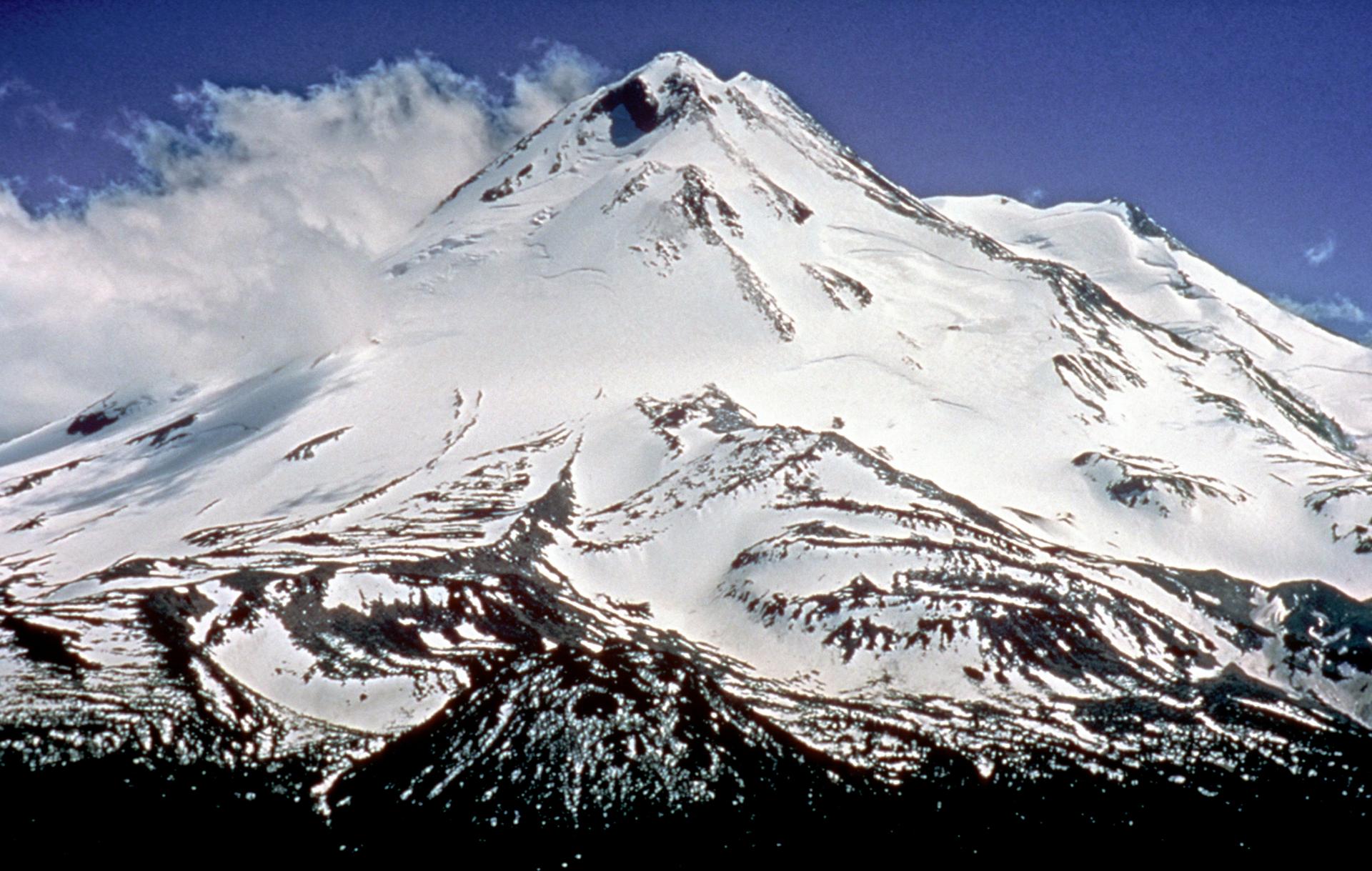
File:MtShasta SnowCapped.jpg - Wikimedia Commons

Discover the natural wonders and historic charm of Shasta Cascade, California—a paradise for outdoor enthusiasts, nature lovers, and history buffs alike.

Tell me more about Shasta Cascade

Select Currency