Background

Bloomer Cut: A Railroad Relic

Step back in time at Bloomer Cut, an original segment of the Transcontinental Railroad, showcasing the grit and engineering marvels of the 1860s in Auburn, California.

4.6

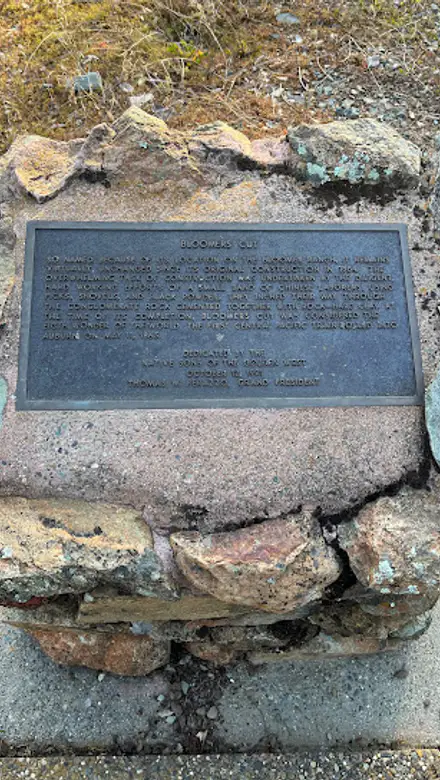
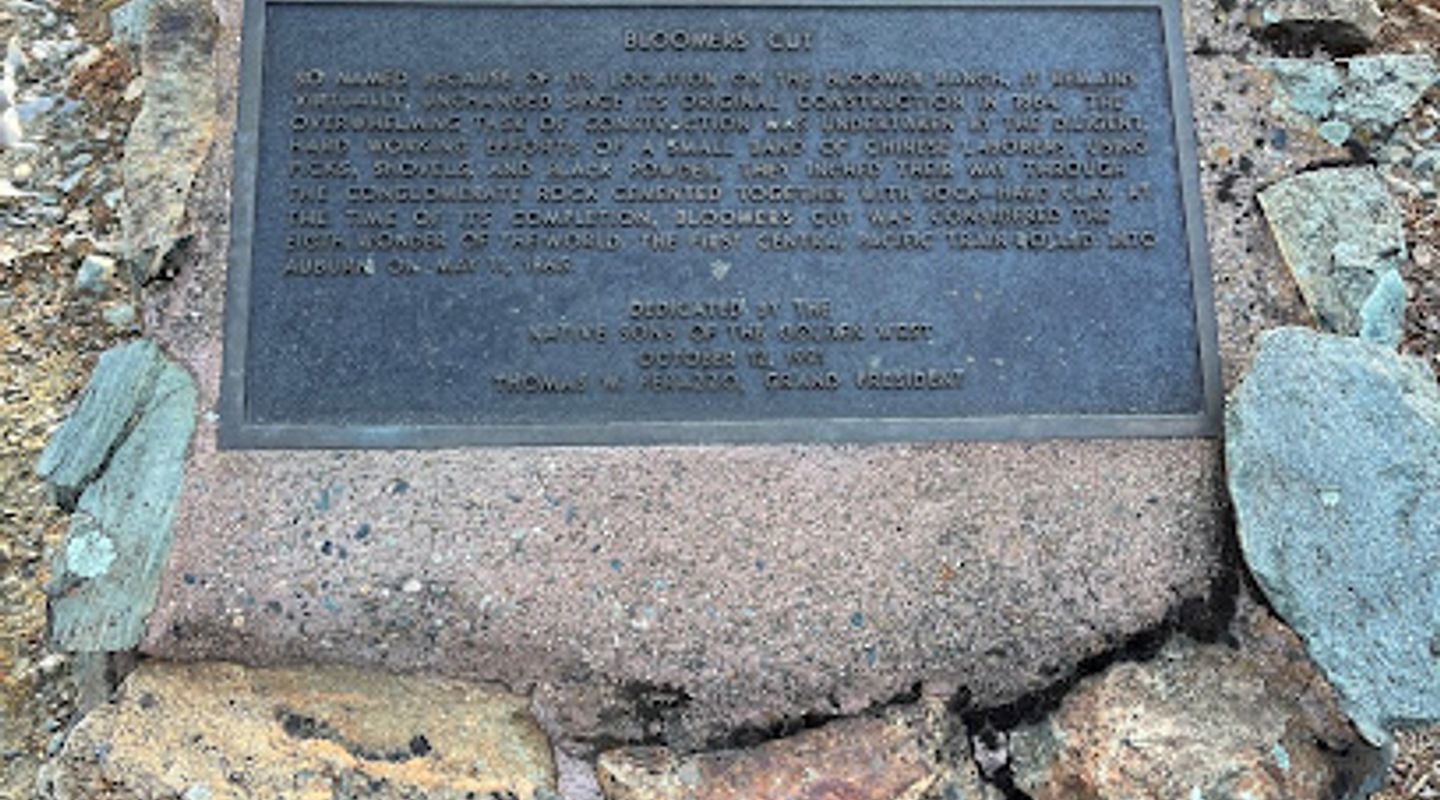
Bloomer Cut, located in Auburn, California, is a remarkable and virtually unchanged segment of the original Transcontinental Railroad, completed in 1865. This engineering marvel, sometimes hailed as the "Eighth Wonder of the World," stands as a testament to the perseverance and ingenuity required to overcome the formidable obstacles encountered during the railroad's construction. The 800-foot-long cut, reaching depths of up to 63 feet, was carved through a ridge composed of a concrete-like mixture of rock and clay. Visitors can explore this historic site, imagining the arduous labor of the workers who blasted and chiseled their way through the challenging terrain. Bloomer Cut offers a tangible connection to a pivotal moment in American history, showcasing the ambition and grit that drove the nation's westward expansion.

A brief summary to Bloomer Cut

Local tips

  • Wear sturdy shoes for the walking trail to the cut, as the path can be uneven in places.
  • Bring water, especially during warmer months, as there are no facilities on-site.
  • Be aware of your surroundings and stay clear of the railroad tracks, as trains still use this route.
widget icon

Getting There

  • Driving

    From I-80 Eastbound, take the Maple Street exit in Auburn and stay straight. Go through the stoplight and continue on Auburn Folsom Road for approximately 1.25 miles. Turn right onto Herdal Drive. Park at the end of Herdal Drive at Quinn Way. From I-80 Westbound, take the Hwy 49 Grass Valley/Placerville exit in Auburn and turn right onto Highway 49. Turn right onto Lincoln Way, then left at the next stoplight onto Auburn Folsom Road, and follow the directions above. Parking is free at the end of Herdal Drive.

  • Public Transport

    From the Auburn Transit Station on Nevada Street, you can use Auburn OnDemand, a city-provided ride-share service, to reach the intersection of Herdal Drive and Quinn Way, near Bloomer Cut. Book a ride through the GO South Placer Spare app or by calling the Transit Dispatcher. A single ride costs around $3.00. From there, walk the short trail to the cut.

  • Walking

    From the parking area at the end of Herdal Drive, continue east on foot through the greenbelt alley for about 0.2 miles until you reach the top of Bloomer Cut. A trail to the left leads down to the tracks. Be extremely cautious near the tracks.

Unlock the Best of Bloomer Cut

Buy tickets

    No tickets available

Book tours with entry

    No tours available

Book tours without entry

    No tours available

Discover more about Bloomer Cut

Bloomer Cut, nestled near Auburn, California, is a captivating historical site that offers a glimpse into the monumental effort required to build the Transcontinental Railroad. Completed in 1865, this remarkable cut through a ridge of cemented gravel stands as a testament to the ingenuity and sheer determination of the laborers who carved it. Often referred to as the "Eighth Wonder of the World" upon its completion, Bloomer Cut remains largely unchanged, providing visitors with an authentic connection to a pivotal era in American history. The story of Bloomer Cut begins with the Pacific Railroad Act of 1862, signed into law by President Abraham Lincoln. This act paved the way for the construction of the Transcontinental Railroad, tasking the Central Pacific Railroad (CPRR) with building the western portion of the line. In early 1864, as the CPRR pushed eastward from Sacramento, they encountered a significant obstacle: a long, tall ridge near Bloomer Ranch, about a mile southwest of Auburn. The engineers, led by Theodore Judah, determined that the only way to proceed was to cut directly through the ridge. What seemed like a straightforward task quickly proved to be anything but. The ridge was composed of a unique geological formation: boulders embedded in a matrix of hard, clay-like cement. This natural concrete proved incredibly difficult to excavate, blunting picks and shovels and rendering traditional tools nearly useless. The CPRR was forced to resort to blasting with black powder, a dangerous and expensive undertaking. Drilling holes for the explosives was also a challenge, as the rock-hard material resisted the drill bits. The work at Bloomer Cut was arduous and fraught with peril. Laborers, many of whom were Chinese immigrants, toiled tirelessly under harsh conditions. They faced the constant threat of explosions and rockfalls, and accidents were common. Despite the dangers, they persevered, removing an estimated 40,000 cubic yards of material to create the 800-foot-long cut, which reached a depth of 63 feet at its deepest point. The completion of Bloomer Cut in the spring of 1865 was a major milestone in the construction of the Transcontinental Railroad. On May 13, 1865, the first train reached Auburn from Sacramento, marking the opening of a vital link in the nation's transportation network. The cut was hailed as an engineering marvel, a symbol of American progress and ingenuity. Today, Bloomer Cut remains remarkably well-preserved, a testament to the skill and dedication of its builders. The concrete-like walls of the cut have withstood the test of time, offering visitors a tangible glimpse into the past. Walking through the cut, one can almost hear the echoes of the laborers' picks and shovels, the rumble of the blasting powder, and the triumphant whistle of the first train to pass through. While the exact origin of the name "Bloomer Cut" remains shrouded in mystery, several theories have emerged. One popular explanation suggests that the cut was named after the Bloomer Ranch, which was located nearby. Another, more colorful, theory claims that the name derives from two young girls from a local farm family who were seen shopping in town wearing "bloomers," a type of loose-fitting trousers that were popular at the time. The role of Chinese laborers in the construction of Bloomer Cut has been a subject of ongoing debate among historians. While some accounts suggest that Chinese workers played a significant role in the project, others point to payroll records that indicate their involvement was limited to the final stages of construction. Regardless of the exact numbers, it is clear that Chinese laborers made a vital contribution to the Transcontinental Railroad, facing discrimination and hardship as they helped to connect the East and West coasts of the United States. Visiting Bloomer Cut is a unique and rewarding experience. The site is easily accessible via a short walking trail from the end of Herdal Drive in Auburn. As you approach the cut, you'll be struck by the sheer scale of the undertaking and the rugged beauty of the surrounding landscape. Take your time to explore the site, imagining the challenges faced by the workers who built it and the impact of the Transcontinental Railroad on the development of the American West. Bloomer Cut serves as a reminder of the power of human ingenuity and the enduring legacy of the Transcontinental Railroad. It is a place where history comes alive, offering visitors a chance to connect with the past and appreciate the remarkable achievements of those who came before us. Whether you are a history buff, a railroad enthusiast, or simply looking for a unique and inspiring destination, Bloomer Cut is sure to leave a lasting impression. Despite its historical significance, Bloomer Cut has faced threats from development over the years. Proposals to build a bridge over the cut or widen it for additional tracks have been fortunately averted. However, the threat of development remains, highlighting the importance of preserving this valuable historical site for future generations. Today, trains generally move westerly through Bloomer Cut, while eastbound trains use another set of parallel tracks located about half a mile to the north.

Popular Experiences near Bloomer Cut

Popular Hotels near Bloomer Cut

Select Currency