Nevada Historical Landmark 174: Blair
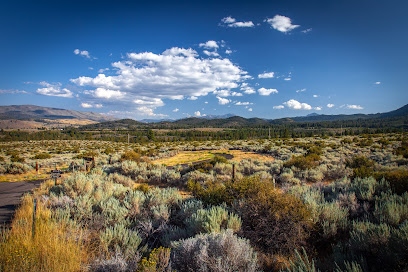
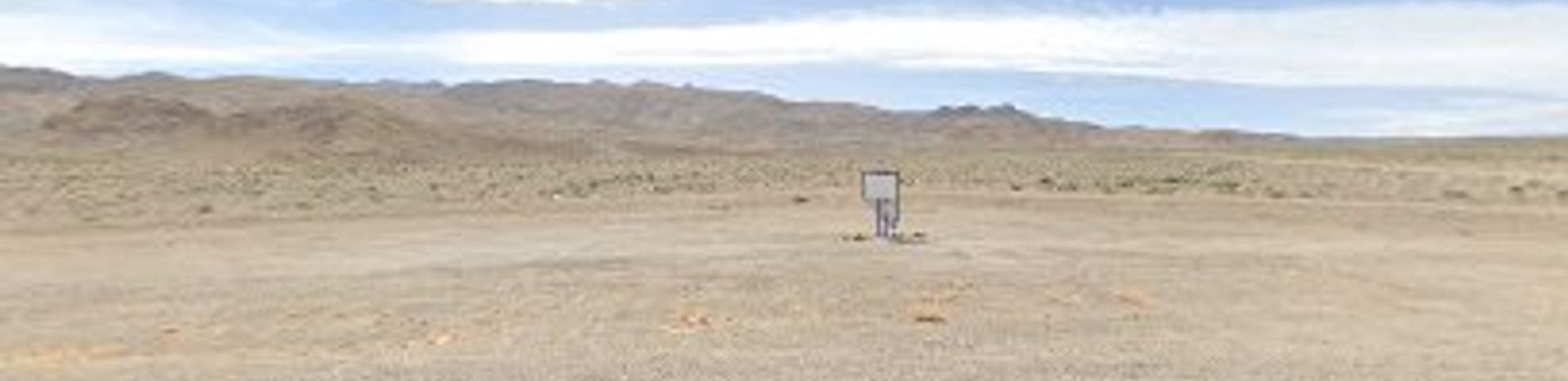
Explore the remnants of Blair, a Nevada ghost town that boomed in the early 1900s due to mining, featuring a historical marker and evocative ruins in a remote desert setting.
Step back in time at the Nevada Historical Landmark 174: Blair, a poignant reminder of Nevada's fleeting mining boomtowns. Located a few miles north of Silver Peak, Blair emerged in 1906 when the Pittsburg-Silver Peak Gold Mining Company, seeking to avoid inflated land prices in Silver Peak, established a new townsite. The company constructed a massive 100-stamp mill, the largest in Nevada at the time, and a 17-mile railroad connecting Blair to the Tonopah & Goldfield main line. Blair quickly became a bustling hub with a post office, saloons, and a two-story hotel, reaching a peak population of around 700. However, its prosperity was short-lived; the mill closed in 1915 due to declining ore quality, and by 1920, Blair was virtually deserted. Today, visitors can explore the remnants of stone buildings and mill foundations, offering a glimpse into Nevada's rich mining history and the ephemeral nature of boomtown life. The historical marker tells the story of this once lively place.
A brief summary to Nevada Historical Landmark 174: Blair
- NV-265, Silver Peak, Nevada, 89047, US
Local tips
- Visit during the spring or fall for more moderate temperatures, as summers can be extremely hot in the Nevada desert.
- Bring plenty of water and wear sturdy shoes, as the terrain is uneven and rocky.
- Be respectful of the site, as it is on private property; take only pictures and leave only footprints.
- Combine your visit to Blair with a trip to nearby Silver Peak to see a modern lithium mine and experience a living ghost town.
- Ensure your vehicle is in good condition and carry a spare tire, as services are limited in this remote area.

Getting There
-
Driving
From US 6/US 95, turn south onto NV-265 (Silver Peak Road). Drive approximately 24 miles south. The historical marker for Blair will be on the right side of the road. The ghost town site is located a few miles north of Silver Peak, along NV-265. There are no entrance fees or parking fees. Be aware that NV-265 is a paved road, but roads within the ghost town site may be unpaved and rough.
Discover more about Nevada Historical Landmark 174: Blair
Iconic landmarks you can’t miss

Nevada Historical Landmark 174: Blair
0.0 km
Explore the remnants of Blair, a Nevada ghost town that boomed in the early 1900s due to mining, featuring a historical marker and evocative ruins in a remote desert setting.
Nevada Historical Landmark 155: Silver Peak
28.4 km
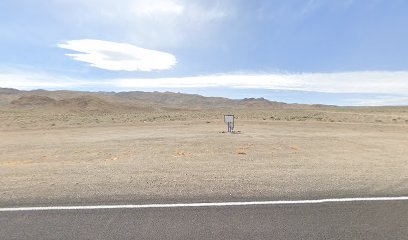
Explore Nevada's historical treasure, Silver Peak, where the essence of mining history meets the stunning desert landscape.
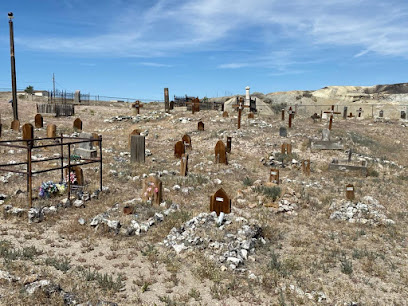
Old Tonopah Cemetery (1901)
47.1 km
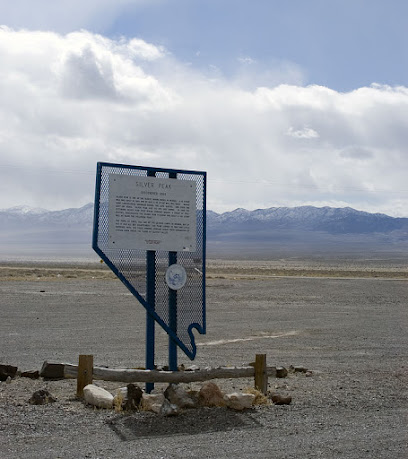
Discover the haunting beauty of Old Tonopah Cemetery, a historical landmark that tells the stories of Nevada's mining past.
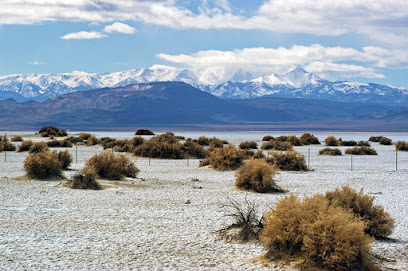
Nevada Historical Marker 20: Columbus
48.6 km
Discover the historical significance of Nevada Historical Marker 20, dedicated to Columbus, amidst stunning Nevada landscapes and rich cultural history.
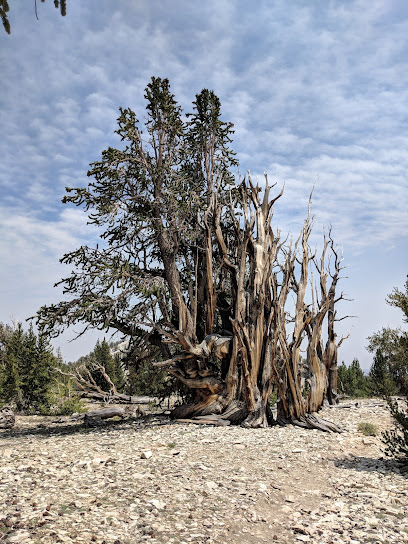
Patriarch Grove
57.3 km
Discover the ancient wonders of Patriarch Grove in the White Mountains, home to the world's largest bristlecone pine and breathtaking views of the Great Basin.
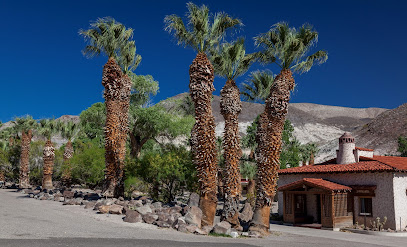
Scotty's Castle
88.0 km
Explore the historic Scotty's Castle, a unique blend of Spanish-Moorish architecture and fascinating tales in Death Valley National Park.
Bristlecone Pine Information and Historic Landmark
89.4 km
Explore the ancient wonder of Bristlecone Pines at this historic landmark in Big Pine, California, and immerse yourself in nature's timeless beauty.
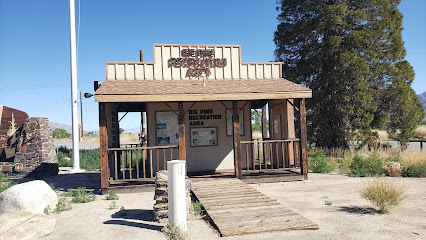
Unmissable attractions to see

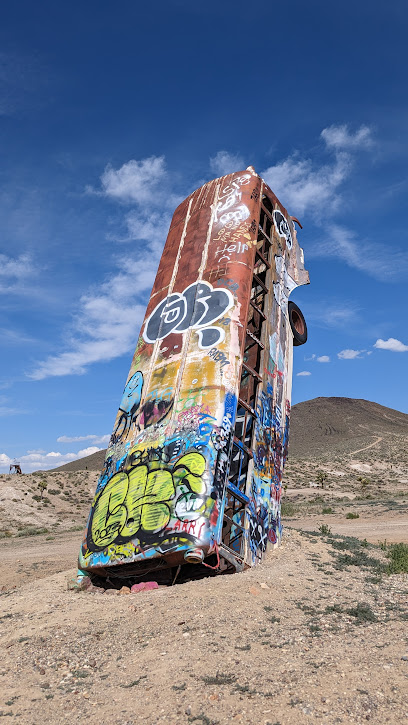
The International Car Forest
37.2 km
Discover the International Car Forest, an artistic marvel in Goldfield, Nevada, where vintage cars become vibrant sculptures amidst a stunning desert backdrop.
Central Nevada Museum
47.4 km
Explore the rich history of Central Nevada at the Central Nevada Museum, where artifacts and stories unveil the region's fascinating past.
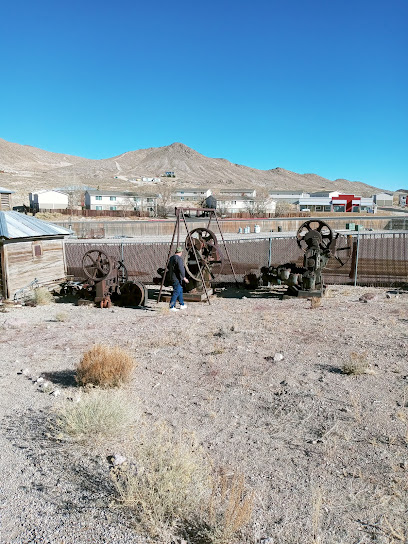
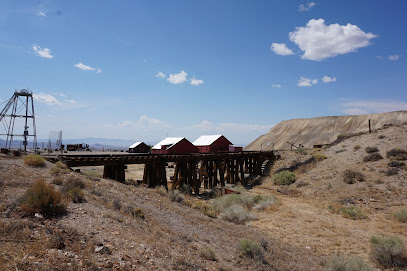
Tonopah Historic Mining Park
47.4 km
Explore the captivating history of mining at Tonopah Historic Mining Park, where Nevada's rich heritage comes alive through engaging exhibits and captivating stories.
Ancient Bristlecone Pine Forest Visitor Center
65.4 km
Discover the world's oldest trees at the Ancient Bristlecone Pine Forest Visitor Center, a gateway to a land of ancient wonders and breathtaking scenery.
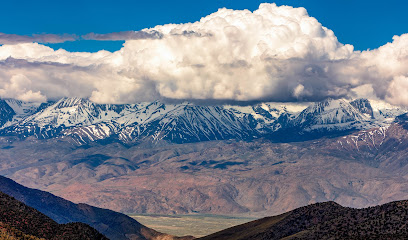
Laws Railroad Museum & Historical Site
75.9 km
Explore the fascinating history of railroads at Laws Railroad Museum & Historical Site in Bishop, CA - a must-visit for history lovers and families.
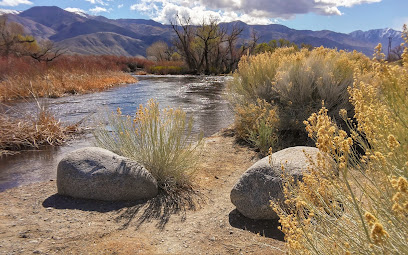
Owens Valley Paiute-Shoshone Cultural Center
83.4 km
Explore the rich heritage of the Owens Valley at the Paiute-Shoshone Cultural Center, where history and culture come to life.
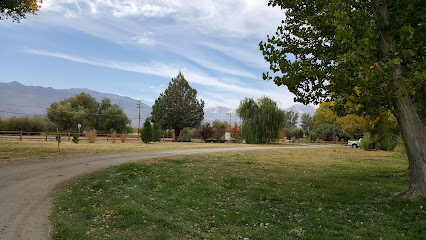
Ubehebe Crater
88.0 km
Explore Ubehebe Crater, a stunning volcanic wonder in Death Valley National Park, showcasing breathtaking views and unique outdoor adventures.
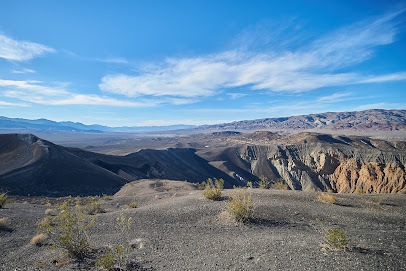
Mesquite Spring Campground
94.8 km
Explore the beauty of Death Valley from the serene Mesquite Spring Campground, an ideal spot for camping and adventure!
Humboldt-Toiyabe National Forest
96.6 km
Explore the vast and diverse landscapes of Humboldt-Toiyabe National Forest, the largest national forest in the contiguous US, where adventure and serenity await.