Charles Copeland Morse Residence: A Glimpse into Santa Clara's Past
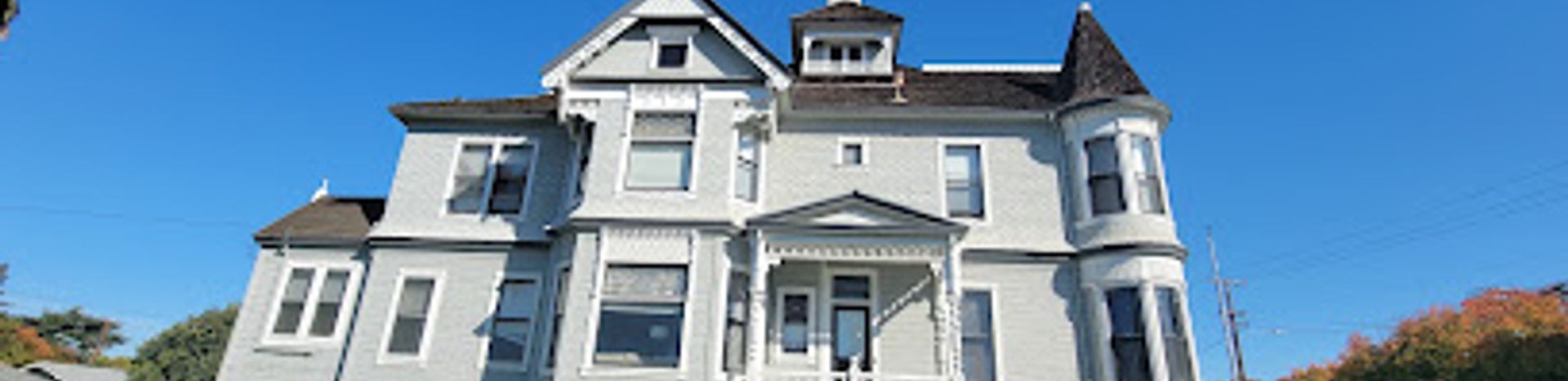
Step back in time at the Charles Copeland Morse Residence in Santa Clara, a beautifully preserved Queen Anne Victorian mansion that echoes the legacy of the 'American Seed King'.
The Charles Copeland Morse Residence, also known as the Morse Mansion, stands as a testament to Santa Clara's rich agricultural history and Victorian architectural grandeur. Built in 1892 for Charles Copeland Morse, co-founder of the Ferry-Morse Seed Company, this Queen Anne-style mansion is a captivating landmark. Often called 'The House that Seeds Built,' it reflects Morse's significant impact on California's economic growth. While the interior is not generally open to the public, admiring its elaborate exterior offers a glimpse into the opulence of a bygone era. Located at the corner of Fremont and Washington Streets, the Morse Residence is a reminder of Santa Clara's transition from an agricultural center to the heart of Silicon Valley.
A brief summary to Charles Copeland Morse Residence
- 981 Fremont St, Santa Clara, California, 95050, US
Local tips
- Admire the mansion's architecture from the outside, as it's currently not open for public tours.
- Combine your visit with a stroll around the historic neighborhood, exploring other nearby landmarks.
- Check out the historical marker on site to learn more about Charles Copeland Morse and his impact on the region.

Getting There
-
Walking
From Santa Clara University (approx. 0.5 miles): Head east on Lexington Street toward Alviso Street. Turn right onto Alviso Street, then turn left onto Fremont Street. Continue for about 0.3 miles. The Charles Copeland Morse Residence will be on your right, at the corner of Fremont and Washington Streets. The walk is generally flat and takes about 10-15 minutes. No costs are associated with walking.
-
Public Transport
From Santa Clara Caltrain Station (approx. 1.5 miles): Take the VTA Bus Line 22 towards Eastridge. Get off at the El Camino & Monroe stop. Walk north on Monroe Street, then turn right onto Fremont Street. The Charles Copeland Morse Residence will be on your left. The bus fare is approximately $2.50 USD. The journey takes about 20-25 minutes.
-
Taxi/Ride-Share
From San Jose International Airport (approx. 4 miles): A taxi or ride-share (Uber/Lyft) will take approximately 10-15 minutes, depending on traffic. The estimated cost is $20-30 USD. Direct the driver to 981 Fremont Street, Santa Clara. Note that prices may surge during peak hours.
Discover more about Charles Copeland Morse Residence
Iconic landmarks you can’t miss

Charles Copeland Morse Residence
0.0 km
Explore the grandeur of the Charles Copeland Morse Residence in Santa Clara, a beautifully preserved Queen Anne Victorian mansion and a testament to the legacy of the Ferry-Morse Seed Company.
Fremont Park
0.4 km
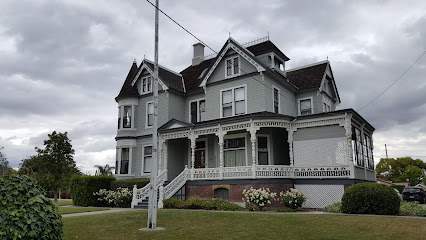
Discover a vibrant community hub in Santa Clara's Fremont Park, offering recreation, relaxation, and a welcoming atmosphere for all ages amidst beautiful gardens and modern amenities.
Santa Clara Tower
0.7 km
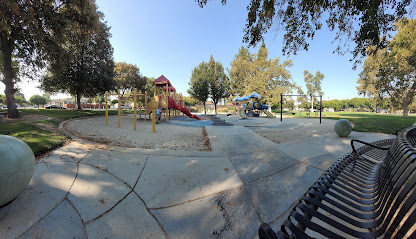
Experience the rich history and stunning architecture of Santa Clara Tower, a must-visit landmark in California's vibrant cultural landscape.
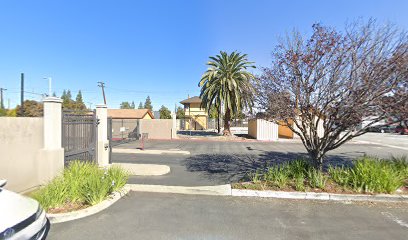
Santa Clara Campaign Treaty Site
0.7 km
Discover the Santa Clara Campaign Treaty Site, a landmark commemorating a pivotal truce in the Mexican-American War, honoring Californian rights and heritage.
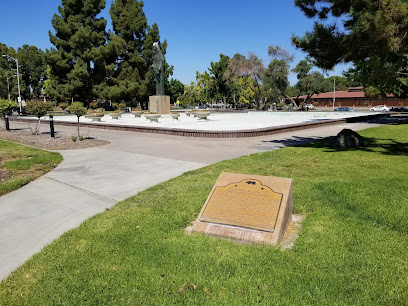
Old Town Santa Clara CA Downtown
0.8 km
Discover the historical charm of Old Town Santa Clara, where vibrant streets, preserved architecture, and a lively community blend seamlessly to offer a captivating glimpse into California's past.
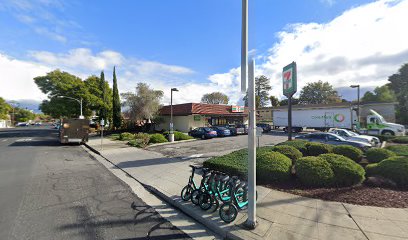
Plaza de Santa Clara
0.9 km
Discover Plaza de Santa Clara: A serene urban park in Santa Clara, CA, offering a peaceful escape and a touch of community spirit amidst the city's vibrant atmosphere.
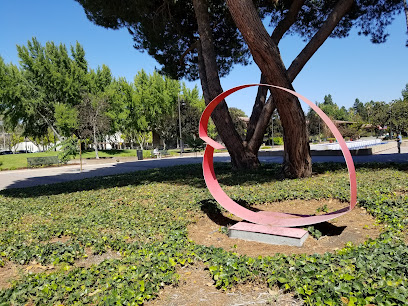
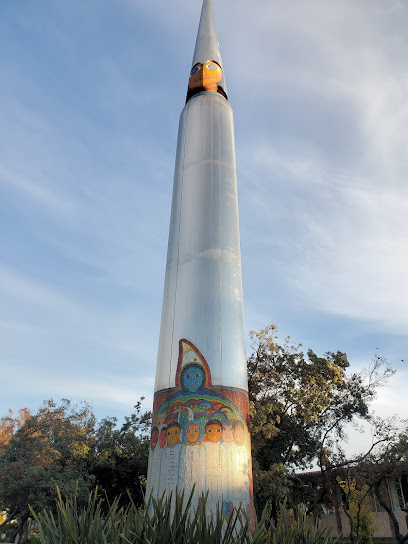
Universal Child
0.9 km
Discover the rich history and cultural significance of Universal Child, a historical landmark in Santa Clara, California, perfect for history enthusiasts and curious travelers.
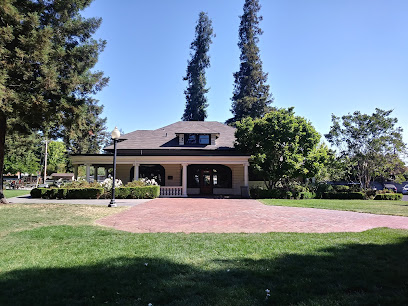
Jamison-Brown House
1.0 km
Discover Santa Clara's history at the Jamison-Brown House, a beautifully preserved 1866 landmark showcasing local heritage and architectural evolution within the serene Triton Museum grounds.
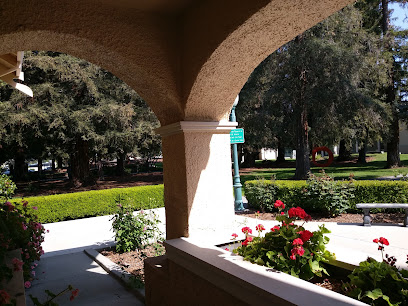
Headen-Inman House
1.0 km
Step back in time at the Headen-Inman House, a beautifully preserved 1913 Craftsman bungalow showcasing Santa Clara's history and the legacy of its pioneering families.
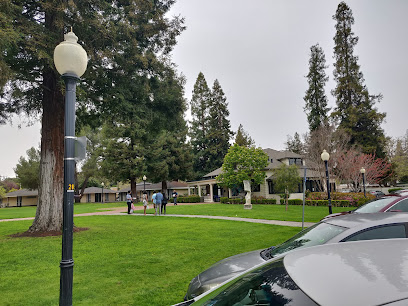
Rotary Park
1.1 km
Escape to Rotary Park in Santa Clara: A charming urban oasis offering a children's tot lot, picnic areas, and a peaceful sitting area near the Triton Museum of Art.
El Pueblo De San José De Guadalupe Historic Site
3.7 km
Discover the humble origins of Silicon Valley at the El Pueblo De San José De Guadalupe Historic Site, marking California's first civilian settlement and the birth of San Jose in 1777.
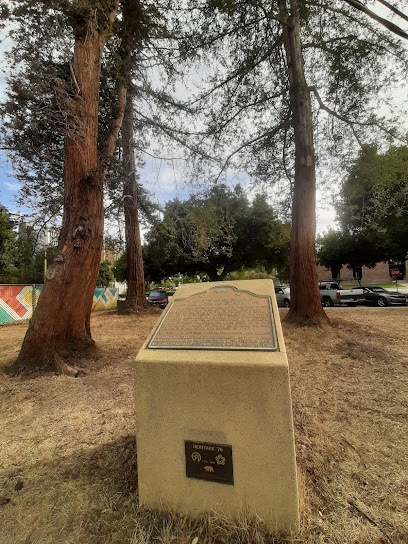
Santa Clara Park
4.6 km
Discover Santa Clara Park: A vibrant community hub offering diverse recreation, tranquil green spaces, and engaging local events in the heart of Silicon Valley.
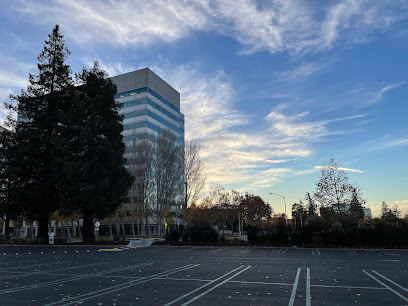
Gonzales-Peralta Adobe & Fallon House Historic Site
4.8 km
Explore the Gonzales-Peralta Adobe & Fallon House, a historic site in San Jose that reveals California's rich cultural heritage through its preserved architecture and engaging exhibits.
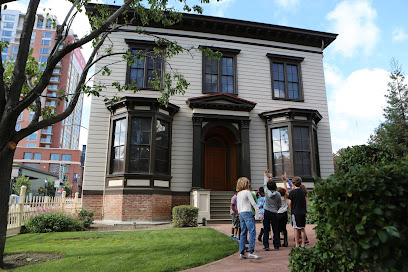
Luis María Peralta Adobe
4.8 km
Discover the rich history of San Jose at the Luis María Peralta Adobe, the city's oldest building and a true architectural gem.
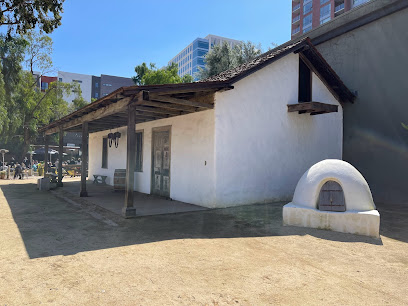
Birthplace of A.P. Giannini - San Jose History Walk #12 Marker
4.9 km
Explore the historical birthplace of A.P. Giannini in San Jose, where banking history began and innovation thrived.
Unmissable attractions to see

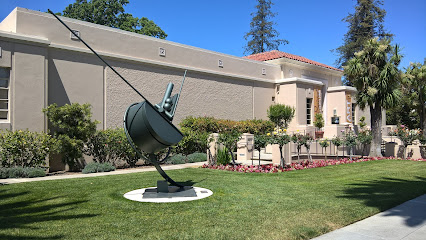
De Saisset Museum
0.5 km
Explore the rich collection of contemporary and historical art at the De Saisset Museum in Santa Clara, a cultural hub for art enthusiasts.
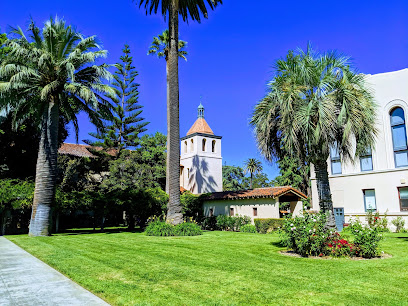
Mission Gardens
0.5 km
Explore the serene beauty and historical charm of Mission Gardens in Santa Clara, a perfect escape for nature lovers and history enthusiasts alike.
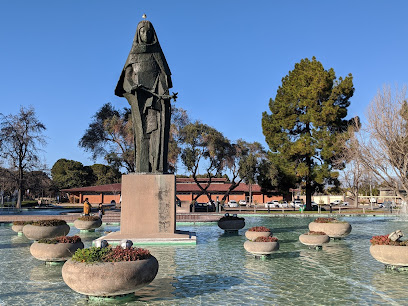
Civic Center Park
0.8 km
Discover Civic Center Park, a lush urban oasis in Santa Clara, perfect for relaxation, family outings, and community events amidst beautiful landscapes.
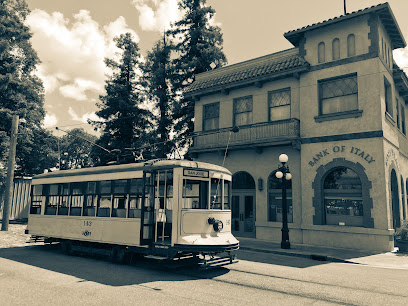
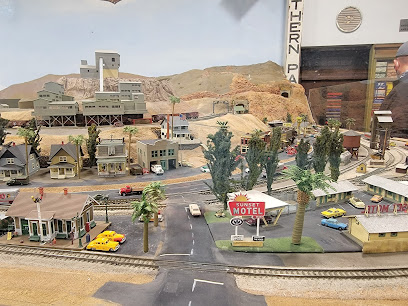
South Bay Historical Railroad
0.8 km
Discover the captivating history of railroads at the South Bay Historical Railroad Museum in Santa Clara, California, a must-visit for history lovers and families.
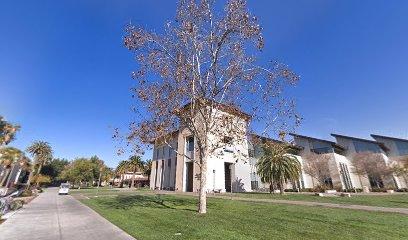
Santa Clara University
0.9 km
Discover the rich history and beautiful campus of Santa Clara University, a private institution blending tradition and innovation in California's Silicon Valley.
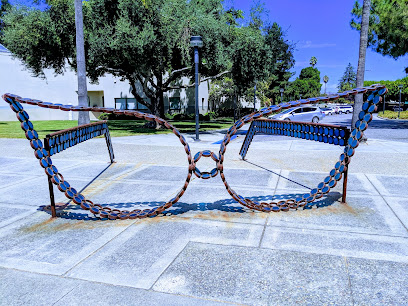
Triton Museum of Art
0.9 km
Discover the artistic treasures and cultural events at the Triton Museum of Art in Santa Clara, California.
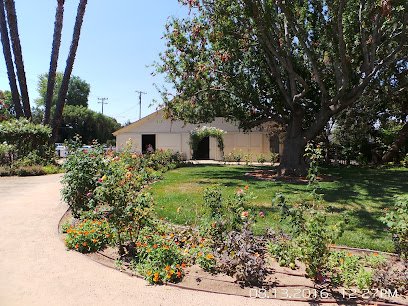
Harris Lass House Museum
1.3 km
Explore the Harris Lass House Museum in Santa Clara for an authentic glimpse into California's rich history and heritage.
Santa Clara Fire Museum
2.2 km
Explore the Santa Clara Fire Museum, where history meets heroism through vintage fire engines and engaging exhibits on firefighting.
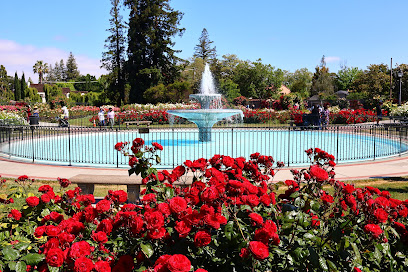
Municipal Rose Garden
2.7 km
Explore the Municipal Rose Garden, a floral sanctuary in San Jose featuring thousands of exquisite roses and serene pathways for a tranquil escape.
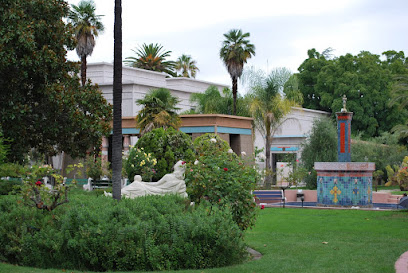
Rosicrucian Park
2.8 km
Explore ancient Egyptian artifacts, tranquil gardens, and unique architecture at this peaceful San Jose park founded by the Rosicrucian Order.
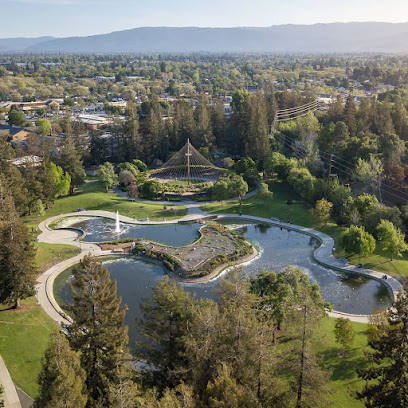
Central Park
2.9 km
Explore the natural beauty and vibrant community events at Central Park, Santa Clara, a perfect retreat for nature lovers and families.
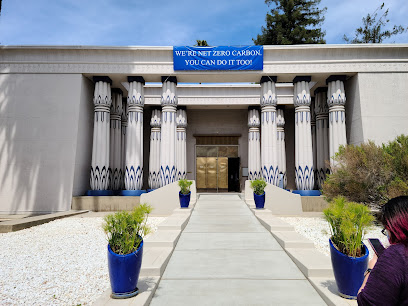
Rosicrucian Egyptian Museum
2.9 km
Explore the Rosicrucian Egyptian Museum in San Jose, home to one of the largest collections of ancient Egyptian artifacts in North America.
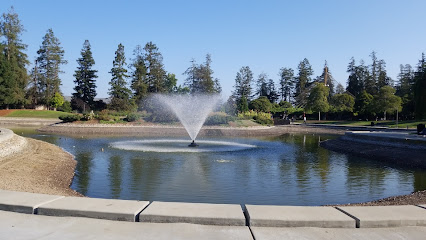
Central Park Fountain
2.9 km
Experience the tranquil beauty of Central Park Fountain in Santa Clara, a perfect escape with stunning views and serene surroundings.
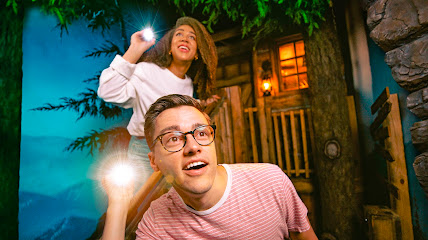
The Escape Game San Jose
3.0 km
Experience the thrill of adventure and teamwork at The Escape Game San Jose, where immersive escape rooms await every adventurer.
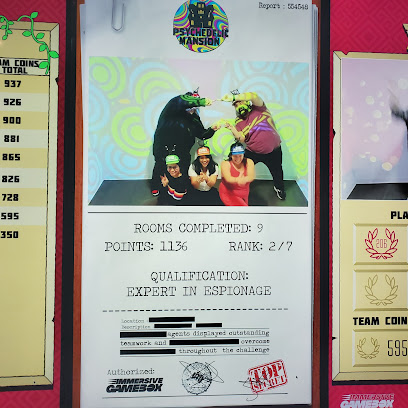
Immersive Gamebox - Valley Fair
3.0 km
Experience social gaming like never before at Immersive Gamebox Valley Fair, where cutting-edge technology meets interactive fun for unforgettable group adventures in the heart of Silicon Valley.
Essential places to dine

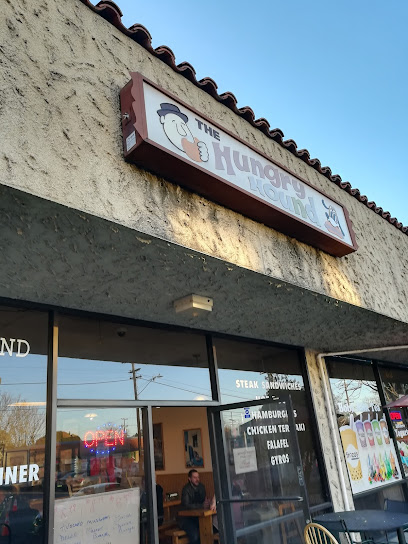
Hungry Hound
0.2 km
Discover the charm of Traditional American cuisine at Hungry Hound in Santa Clara – where comfort food meets affordability.
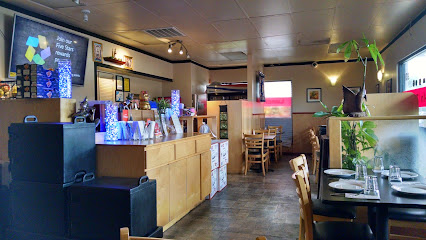
White Elephant Thai Cuisine
0.3 km
Experience authentic Thai cuisine at White Elephant in Santa Clara - where flavor meets tradition in every dish.
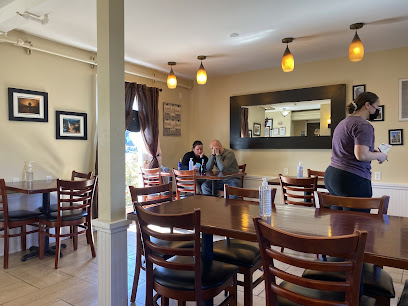
Euro Grill
0.3 km
Savor the flavors of the Mediterranean at Euro Grill – where delightful dishes meet warm hospitality in Santa Clara.
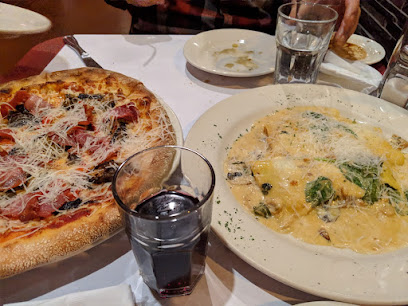
Mio Vicino
0.4 km
Experience authentic Italian cuisine at Mio Vicino in Santa Clara - home to delicious pizzas and warm hospitality.
Fiorillo's Restaurant and Banquet Facilities
0.4 km
Experience authentic Italian cuisine at Fiorillo's Restaurant in Santa Clara – where every meal is a celebration of flavor and tradition.
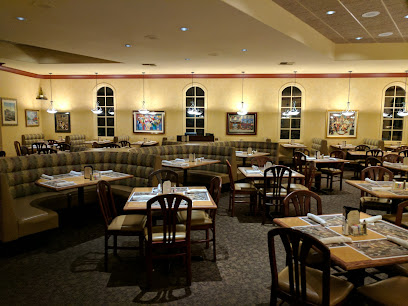
The Hut
0.5 km
Discover the authentic taste of American barbecue at The Hut in Santa Clara – where every bite is packed with flavor.
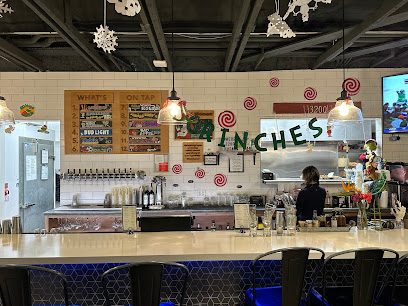
Sara's Kitchen
0.7 km
Discover Sara's Kitchen: Your go-to spot for classic American brunch delights in Santa Clara.

Kettle'e
0.8 km
Discover the vibrant flavors of India at Kettle'e – where authentic cuisine meets delightful bakery treats in the heart of Santa Clara.
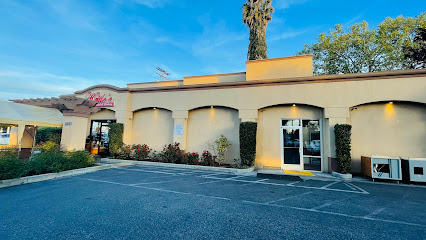
Round Table Pizza
1.1 km
Experience delicious pizza and wings at Round Table Pizza in Santa Clara - where family dining meets flavor!
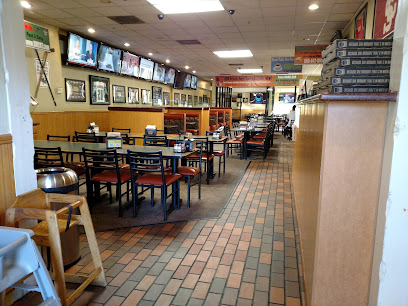
Swaraj Restaurant & BAR(Santa Clara )
1.1 km
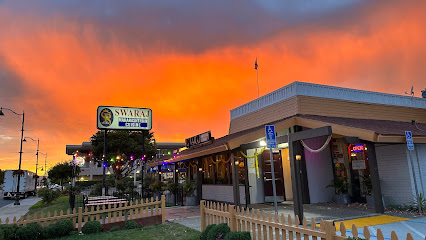
Experience the vibrant flavors of India at Swaraj Restaurant & BAR in Santa Clara - where tradition meets innovation in every bite.
Chick-fil-A
1.1 km
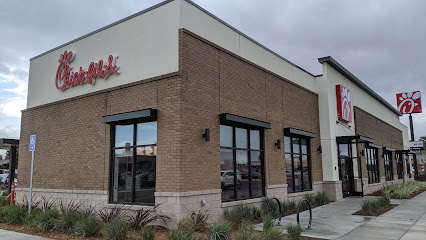
Experience Southern hospitality at Chick-fil-A in Santa Clara - home of the famous chicken sandwich and delightful breakfast options.
MOD Pizza
1.3 km
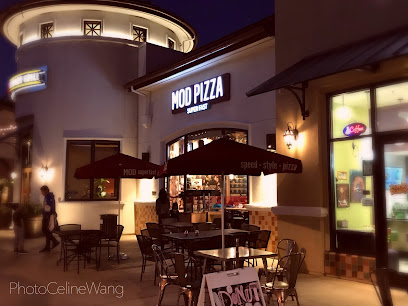
Discover the ultimate pizza experience at MOD Pizza in Santa Clara with customizable options made from fresh ingredients.
Holder’s Mission City Grill
1.3 km
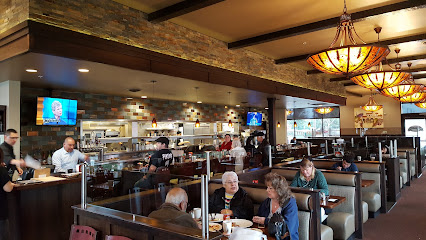
Discover delightful breakfasts and brunches at Holder's Mission City Grill in Santa Clara - where every meal is a flavorful experience.
Kenny's Cafe
1.3 km
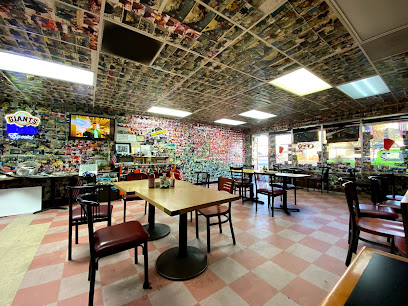
Discover Kenny's Cafe in Santa Clara: where delicious breakfast meets unique Korean flavors in an inviting atmosphere.
Rice Junky - Santa Clara (Korean Restaurant)
1.4 km
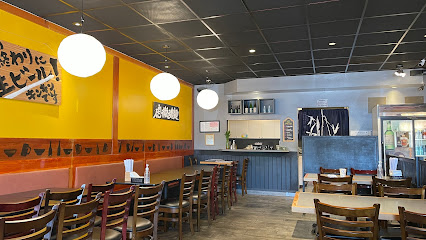
Experience the best of Korean cuisine at Rice Junky in Santa Clara - a fusion haven where tradition meets innovation.
Markets, malls and hidden boutiques

Euro Market
0.3 km
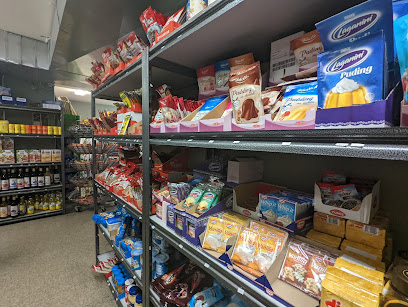
Explore Euro Market in Santa Clara for authentic Eastern European groceries and a delightful cultural experience.
Card Shop Santa Clara
0.4 km
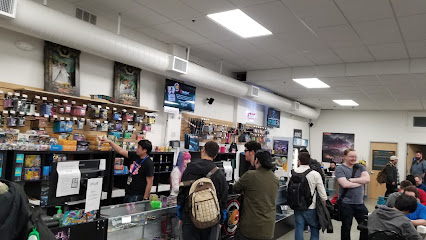
Explore Card Shop Santa Clara for an unparalleled selection of trading cards, collectibles, and a vibrant gaming community in the heart of California.
Franklin Square
0.4 km
Experience the vibrant shopping and dining at Franklin Square, the ultimate destination for tourists in Santa Clara, California.
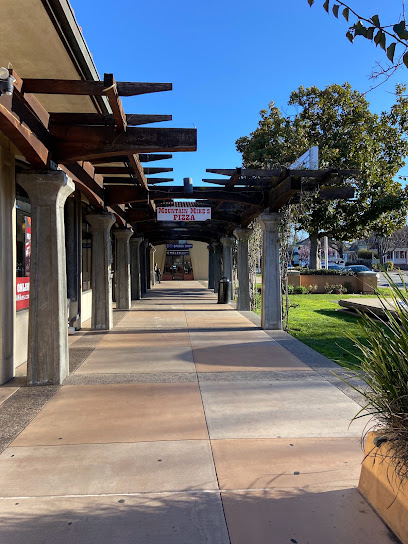
Pierce Gift
1.0 km
Explore Pierce Gift in Santa Clara: A treasure trove of unique gifts and local crafts that capture the essence of California's vibrant culture.
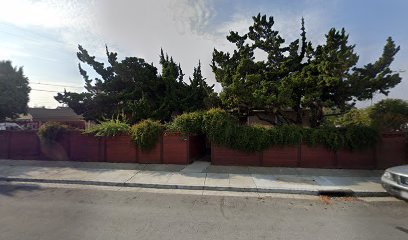
Luxury Handicrafts - Bone Inlay, Mother of Pearl & Wood Furniture Store
1.0 km
Explore the exquisite craftsmanship of bone inlay and mother of pearl furniture at Luxury Handicrafts in Santa Clara, California.
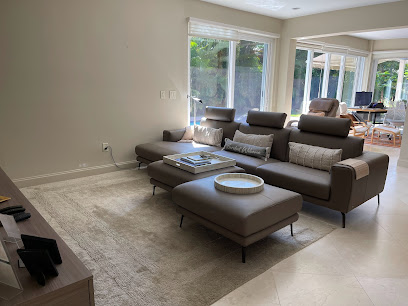
Game Kastle (Santa Clara)
1.1 km
Explore Game Kastle in Santa Clara, a bustling game store and community hub for board games, trading cards, and miniatures enthusiasts.
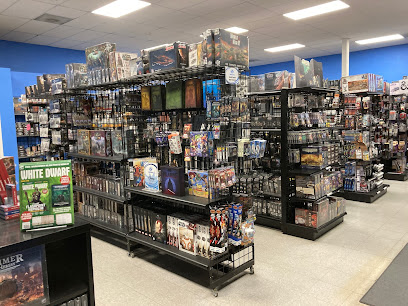
Target
1.4 km
Discover Target in Santa Clara for an extensive range of quality products, from clothing to home goods, all in one convenient location.
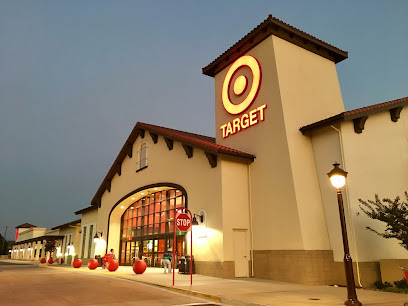
Santa Clara Town Center
1.4 km
Experience the vibrant shopping and dining scene at Santa Clara Town Center, where community spirit and retail therapy meet in perfect harmony.
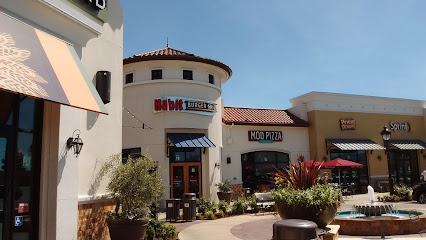
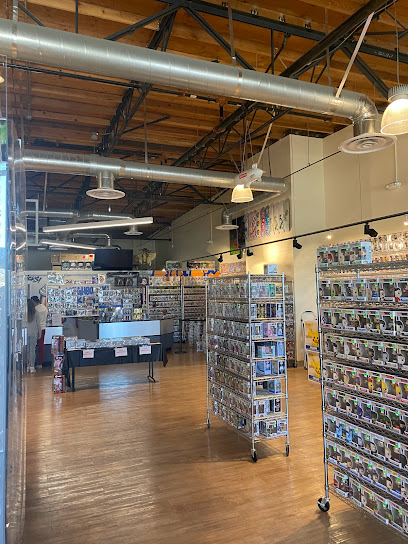
The Pop Plug
1.5 km
Explore The Pop Plug in Santa Clara, a whimsical toy store offering unique toys, games, and collectibles for all ages and a vibrant shopping experience.
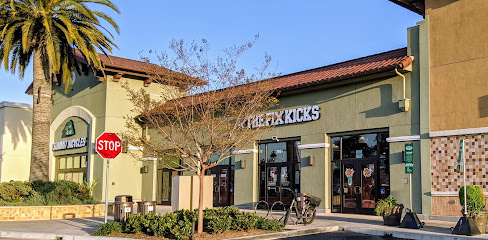
The Fix Kicks
1.5 km
Discover the latest sneaker trends at The Fix Kicks in Santa Clara, where style meets community in a vibrant shopping experience.
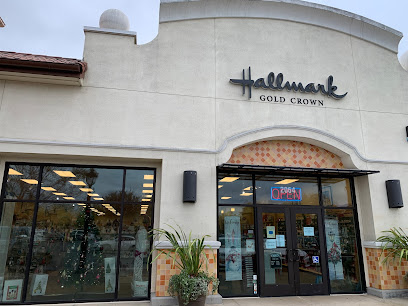
Gloria's Hallmark Shop
1.5 km
Explore Gloria's Hallmark Shop in Santa Clara for unique gifts, festive decorations, and heartfelt greeting cards to cherish your memories.
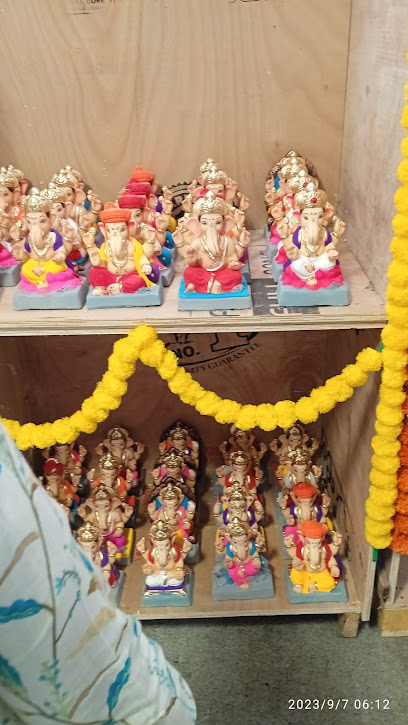
Store2K - Indian Grocery Store
1.5 km
Discover authentic Indian ingredients and flavors at Store2K, a premier Indian grocery store in Santa Clara, CA.
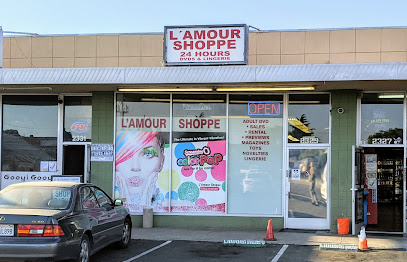
L'Amour Shoppe #2 (Santa Clara)
1.8 km
Discover L'Amour Shoppe #2 in Santa Clara: Your go-to destination for adult DVDs, lingerie, and playful entertainment.
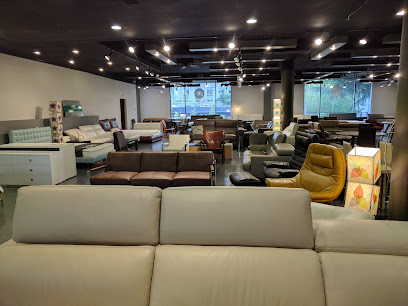
Eurohaus Modern Furniture LLC.
1.9 km
Discover stylish contemporary furniture at Eurohaus Modern Furniture LLC in Santa Clara, where design meets functionality for every home.
Moonlite Center
2.6 km
Explore Moonlite Center - Santa Clara's premier shopping mall with vibrant stores, diverse dining, and lively entertainment options.
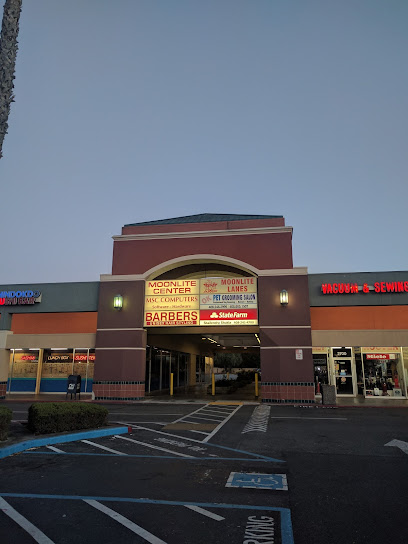
Essential bars & hidden hideouts

Da Silva's Bronco's Pub
0.4 km
Experience the vibrant spirit of Santa Clara at Da Silva's Bronco's Pub, where great food, drinks, and entertainment come together.
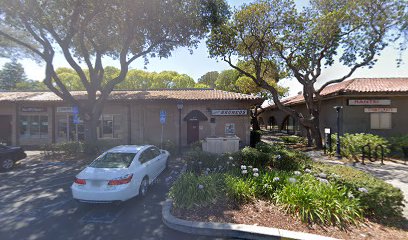
Broncos Cocktail Lounge
0.4 km
Discover the vibrant ambiance of Broncos Cocktail Lounge, where expertly crafted cocktails and a stylish atmosphere await in Santa Clara.
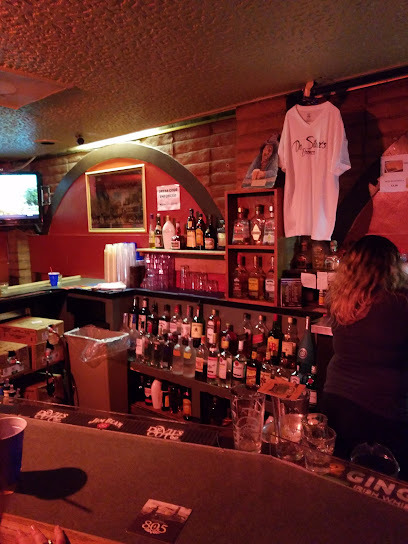
thirsty.bar
0.4 km
Discover the lively atmosphere and affordable drinks at Thirsty Bar in Santa Clara, where locals and tourists come together to unwind and socialize.
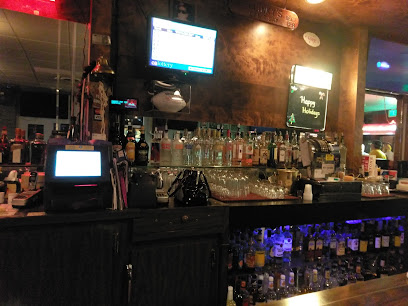
Taplands
0.4 km
Discover Taplands, the ultimate bar and brewery in Santa Clara, CA, where craft beer lovers unite to enjoy an exceptional selection and vibrant atmosphere.
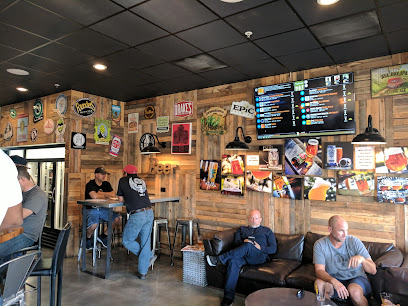
Rocco's Ballpark
1.7 km
Experience the excitement of live sports at Rocco's Ballpark, Santa Clara's premier sports bar with delicious food and a lively atmosphere.
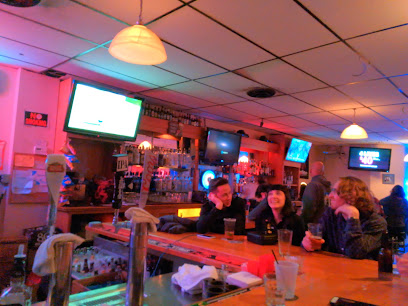
Normandy House
1.7 km
Discover Normandy House, a lively bar and cocktail lounge in Santa Clara, offering an inviting atmosphere and an extensive drink menu for all occasions.
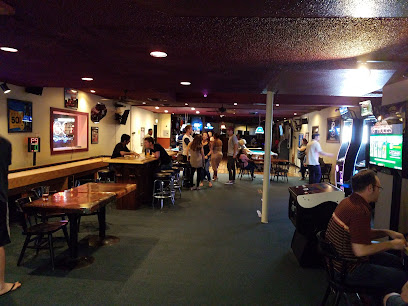
EMA Karaoke & Bar
2.1 km
Experience the ultimate karaoke adventure at EMA Karaoke & Bar in Santa Clara, where every night is a celebration of music and fun.
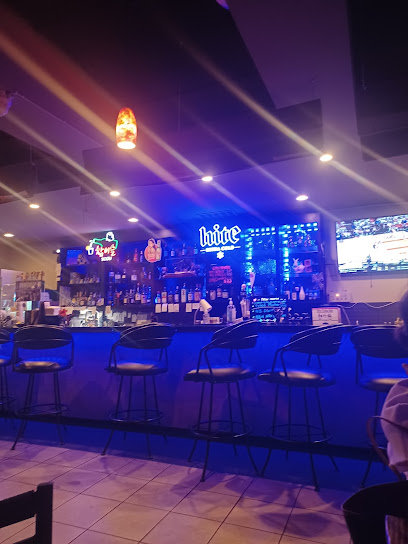
The Magpie and Tiger
2.7 km
Experience the joy of karaoke at The Magpie and Tiger in Santa Clara, where every note sung brings people together in a night of fun and entertainment.
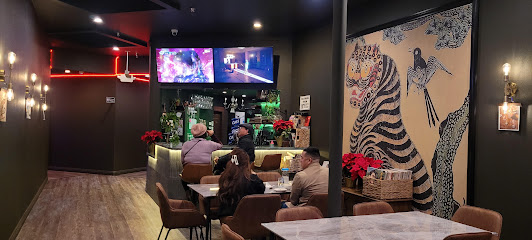
Aces Icehouse
2.8 km
Experience the ultimate sports bar atmosphere at Aces Icehouse in Santa Clara, where great food, drinks, and live sports come together.
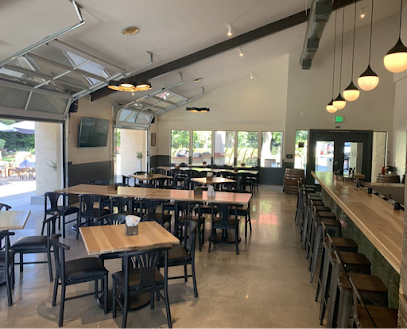
Koja Bar
2.9 km
Experience the vibrant atmosphere of Koja Bar in Santa Clara, where locals and visitors connect over drinks and good company.
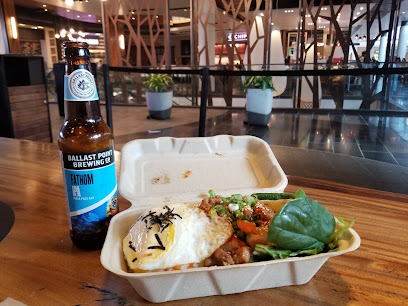
The Sportsmen's Lounge
2.9 km
Experience the vibrant social scene at The Sportsmen's Lounge, a top bar in Santa Clara offering great drinks and a welcoming atmosphere.
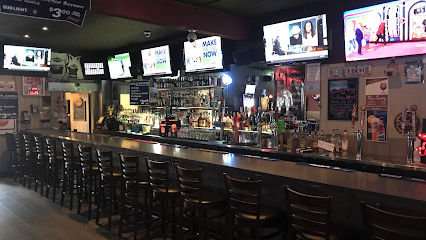
Lobby Lounge
3.0 km
Experience the vibrant atmosphere of the Lobby Lounge in Santa Clara, where stylish decor meets a diverse drink selection for the perfect retreat.
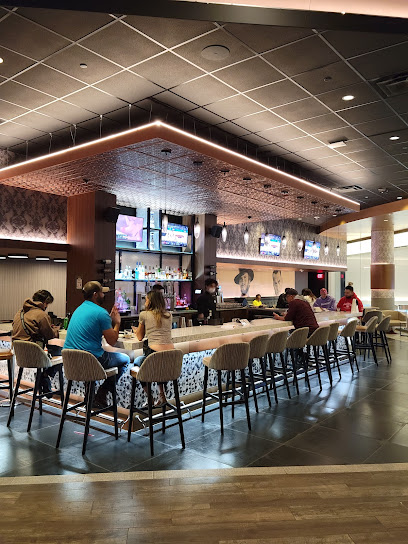
Lucas Lounge
3.8 km
Discover the upscale ambiance of Lucas Lounge in Silicon Valley, where craft cocktails and fine wines meet modern elegance for a perfect night out.
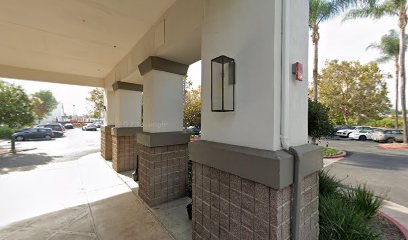
Camino Karaoke
3.8 km
Experience the ultimate karaoke night at Camino Karaoke in Santa Clara, where every song is a chance to shine and create lasting memories.
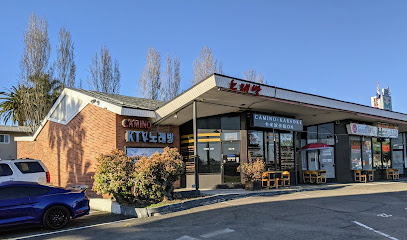
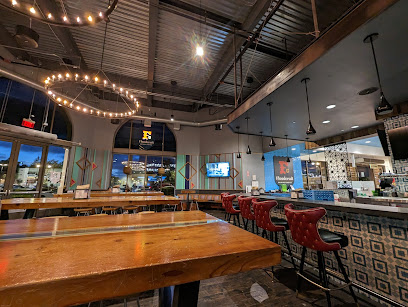
Floodcraft Taproom
4.2 km
Experience the perfect blend of gourmet cuisine and craft beer at Floodcraft Taproom in Santa Clara, a must-visit gastropub for food lovers.
Nightclubs & after hour spots

JJ's Lounge
3.4 km
Unleash your night at JJ's Lounge, San Jose's premier night club, cocktail bar, and live music venue for an unforgettable nightlife experience.
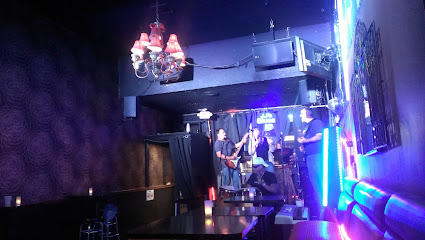
Red Stag Lounge
3.8 km
Discover the vibrant karaoke scene at Red Stag Lounge in San Jose, where music and camaraderie come together for an unforgettable night out.
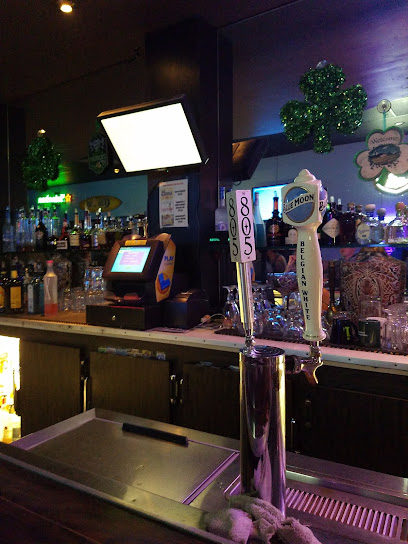
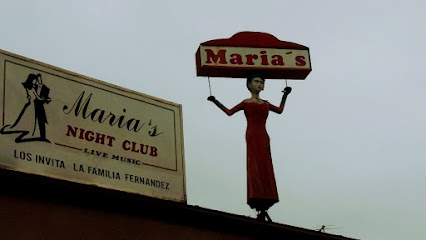
Maria's Night Club
5.1 km
Experience the pulsating nightlife at Maria's Night Club in San Jose, where music, dance, and fun come together for an unforgettable evening.
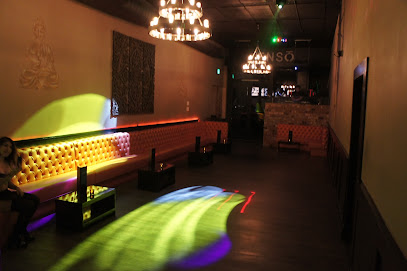
ENSO Bar & Nightclub
5.3 km
Experience the electrifying nightlife at ENSO Bar & Nightclub in San Jose, where live music and dance collide for an unforgettable evening.
NOVA Nightclub
5.4 km
Discover the vibrant nightlife of San Jose at NOVA Nightclub, where music and dancing unite for an unforgettable experience.
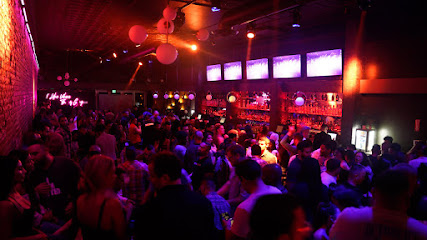
Y&T
5.4 km
Discover the pulse of Santa Clara's nightlife at Y&T, where music, dance, and unforgettable memories come together in a vibrant disco atmosphere.
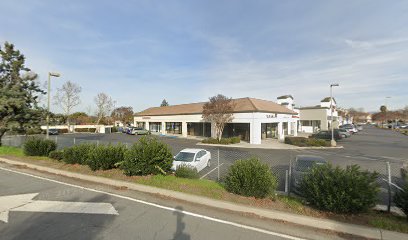
Miami Beach Club
5.8 km
Experience the vibrant nightlife at Miami Beach Club, a premier nightclub in San Jose, California, featuring electrifying music and an exciting atmosphere.
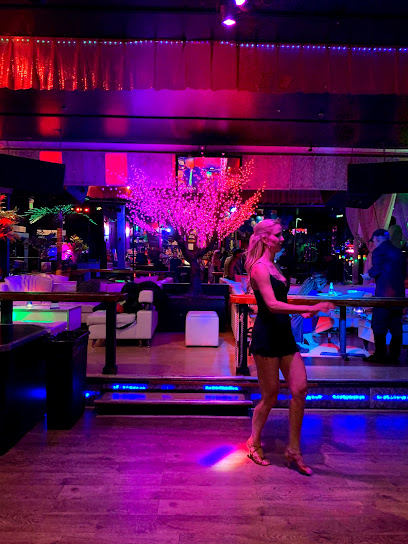
Evolution Night Club
6.8 km
Discover the electrifying atmosphere at Evolution Night Club, where exhilarating music and vibrant nightlife await you in Sunnyvale, CA.
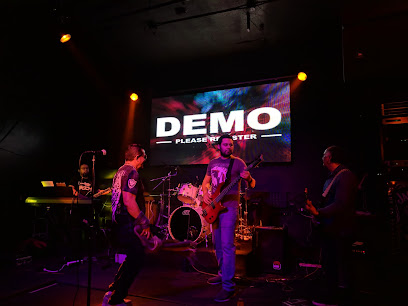
Pure Nightclub
7.9 km
Immerse yourself in the electrifying nightlife of Pure Nightclub, Sunnyvale, where unforgettable parties and vibrant energy await.
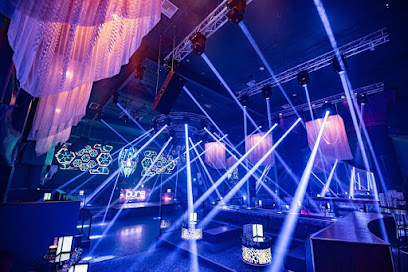
Lily's Bar & Night Club
8.5 km
Discover the vibrant nightlife at Lily's Bar & Night Club in San Jose, where music, dancing, and fun come together for an unforgettable evening.
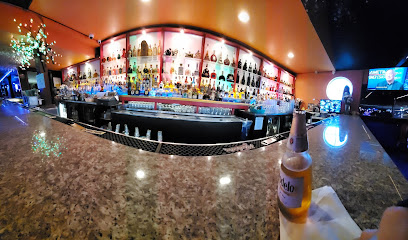
Alberto's Night Club
12.6 km
Discover the energy of Alberto's Night Club, where live music, dancing, and a vibrant atmosphere create memorable nights in Mountain View.
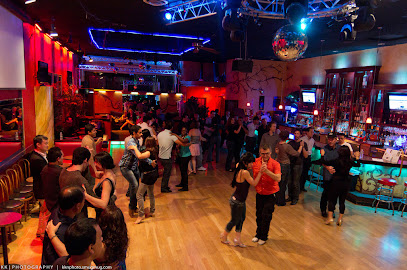
Monte Carlo Restaurant & Bar
12.7 km
Discover Monte Carlo Restaurant & Bar: A lively night club in Old Mountain View, California, offering delicious cuisine and vibrant nightlife.
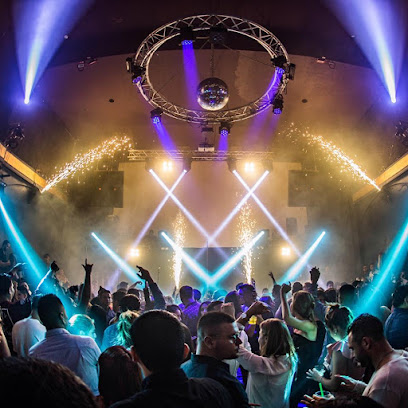
Coyote's Keep
18.3 km
Discover the vibrant nightlife of Coyote's Keep in Los Altos Hills, where music, dance, and unforgettable experiences await.
Willis Lounge
20.4 km
Experience the vibrant atmosphere of Willis Lounge, the perfect student retreat in Stanford for relaxation and socializing with friends.
The Patio @ Rudy's
21.9 km
Experience the lively nightlife at The Patio @ Rudy's, a top destination for entertainment, dining, and socializing in Palo Alto.