C.Z. Culver House: A Victorian Gem in Old Towne Orange
Step back in time at the C.Z. Culver House, a beautifully preserved Queen Anne Victorian in Old Towne Orange, reflecting the city's rich history and the ambitious spirit of the late 1800s.
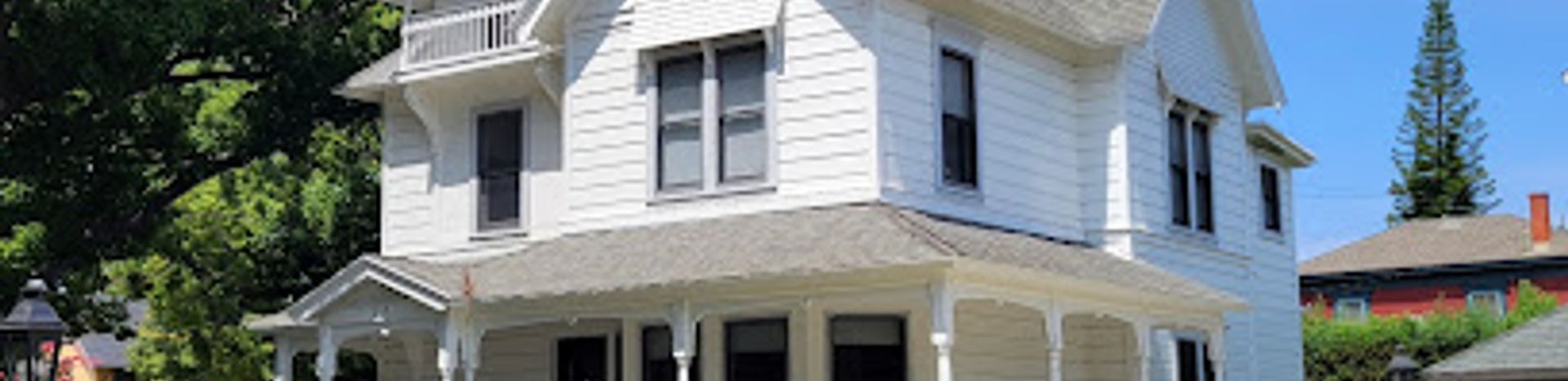
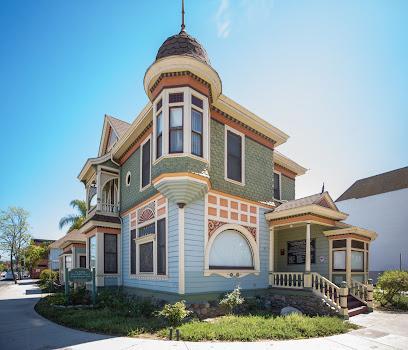
The C.Z. Culver House, a beautifully preserved Queen Anne Victorian, stands as a testament to Orange's vibrant past. Built in 1888 by Charles Zenas Culver, a key figure in the city's development, the house served as an annex to the Palmyra Hotel, a grand Victorian inn that no longer stands. Located in the heart of the Old Towne Historic District, the house showcases picturesque woodwork, ornate details, and a generous wraparound porch. Its well-maintained exterior offers a glimpse into the late 19th-century architecture and the ambitious spirit of the era. While the interior is not open for tours, the house's historical marker and stunning facade make it a worthwhile stop for those exploring the charming streets of Old Towne Orange. The house is a reminder of the boom of the 1880s and the legacy of C.Z. Culver, a pioneer who left an indelible mark on the city.
A brief summary to C.Z Culver House
- 205 E Palmyra Ave, Orange, California, 92866, US
Local tips
- Visit during daylight hours to fully appreciate the intricate architectural details of the house's exterior.
- Combine your visit with a stroll through the Old Towne Orange Historic District to explore other historic buildings and antique shops.
- Check out the historical marker at the corner of Palmyra and Orange Street for more information about the house's significance.

Getting There
-
Walking
From the heart of Old Towne Orange (e.g., the Orange Plaza), the C.Z. Culver House is a pleasant walk of a few blocks. Head east on Chapman Avenue, then turn right onto Orange Street. Walk south for one block, then turn right onto Palmyra Avenue. The house is located on the left-hand corner of Palmyra Avenue and Orange Street. The walk is generally flat and takes about 5-10 minutes. There are no specific costs associated with walking.
-
Public Transport
If arriving by Metrolink to the Orange Station, connect to the OCTA bus system. Several bus routes stop near the Old Towne Orange area. From the nearest bus stop on Glassell Street, walk east towards Palmyra Avenue. The C.Z. Culver House is located at the corner of Palmyra Avenue and Orange Street. A single ride on the OCTA bus costs $2.
-
Taxi/Ride-Share
From anywhere in the immediate Orange area, a taxi or ride-share (Uber/Lyft) to the C.Z. Culver House is a convenient option. Simply provide the address (205 E Palmyra Ave, Orange, CA 92866) to the driver. The ride typically takes 5-10 minutes from most central locations in Orange and costs approximately $8-$12, depending on traffic and surge pricing.
-
Driving
If driving, navigate to 205 E Palmyra Ave, Orange, CA 92866. From the Orange Plaza, head east on Chapman Avenue, then turn right onto Orange Street. Turn right onto Palmyra Avenue. The house will be on your left. Street parking is generally available, but be mindful of any posted restrictions. Parking is free.
Discover more about C.Z Culver House
Iconic landmarks you can’t miss

C.Z Culver House
0.0 km
Explore the C.Z Culver House, a historical landmark in Orange, CA, showcasing exquisite architecture and rich local history.
The Plaza
0.4 km
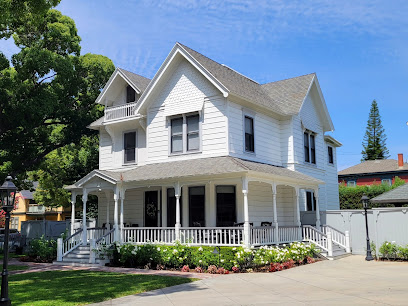
Explore The Plaza in Orange, CA - a historical landmark that embodies the charm and culture of California's past, perfect for tourists and history enthusiasts alike.
Lewis Ainsworth House
0.4 km
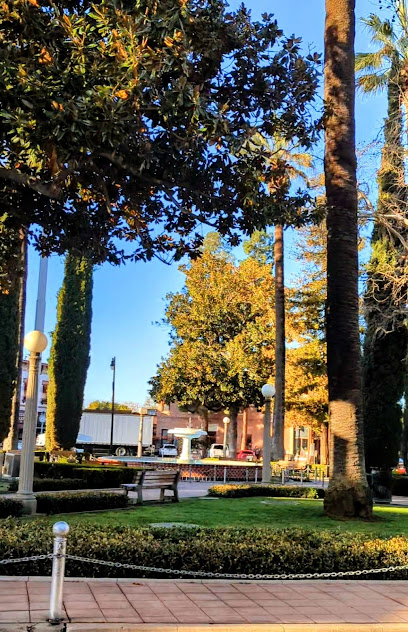
Experience the historical elegance of the Lewis Ainsworth House, a captivating landmark in Orange, California, reflecting the rich heritage of the area.
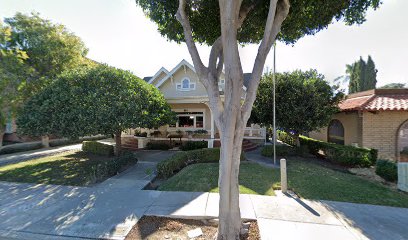
Parker House
0.5 km
Explore Parker House, a historical gem in Orange, California, showcasing the region's unique architectural charm and rich heritage for all history enthusiasts.
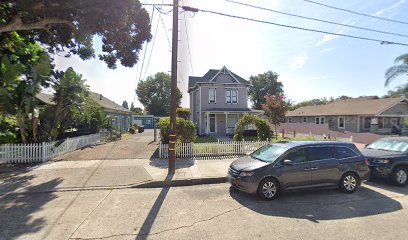
The Shaffer House
0.6 km
Explore The Shaffer House, a historical landmark in Orange, CA, showcasing exquisite architecture and rich heritage that narrates the area's vibrant history.
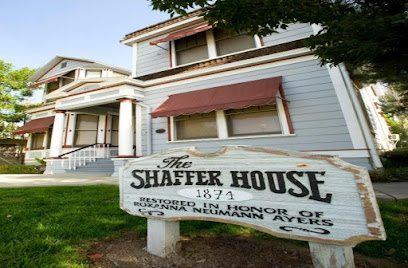
Santa Ana Water Tower
3.2 km
Discover the Santa Ana Water Tower, a historical landmark reflecting the heritage and charm of Santa Ana, California.
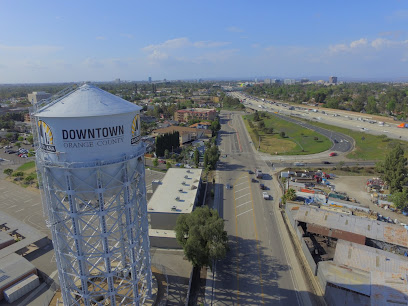
Visit Anaheim
3.8 km
Explore Anaheim with Visit Anaheim Tourist Information Center – your gateway to unforgettable adventures and local insights.
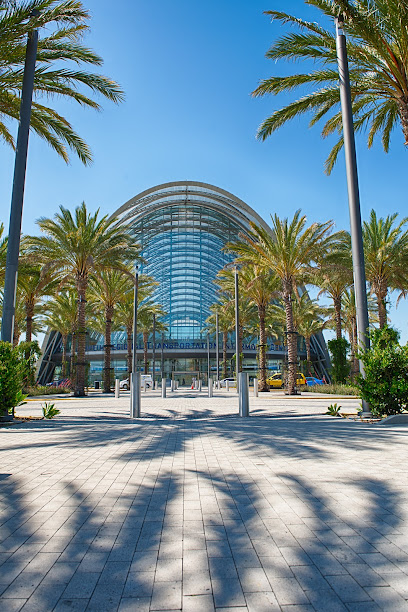
City National Grove of Anaheim
3.8 km
Discover the excitement of live performances at City National Grove of Anaheim, a premier venue for concerts, comedy, and performing arts in Southern California.
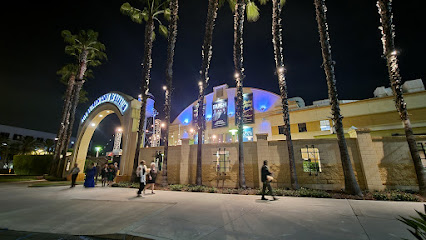
Crean Tower
4.4 km
Discover the historical significance and stunning architecture of Crean Tower, a must-visit landmark in Garden Grove, California.
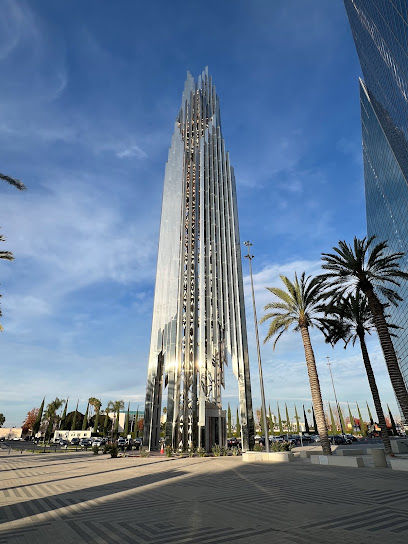
Political And Economic Rights Monument
4.4 km
Explore the Political and Economic Rights Monument in Santa Ana, a significant historical landmark celebrating democracy and human rights.
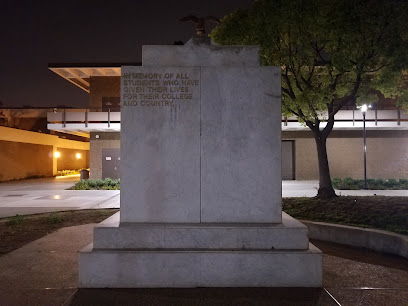
Minter House 1877 Landmark
4.5 km
Uncover the rich history and architectural elegance of Minter House, a captivating 1877 landmark in the heart of Santa Ana, California.
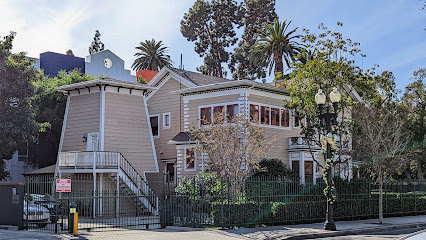
David Hewes House
5.2 km
Explore the David Hewes House, a historical landmark in Tustin, California, showcasing exquisite architecture and rich heritage.
WorldMark Anaheim
5.7 km
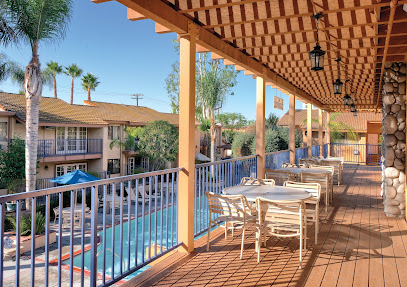
Experience the ultimate family getaway at WorldMark Anaheim, your home away from home near Disneyland and local attractions.
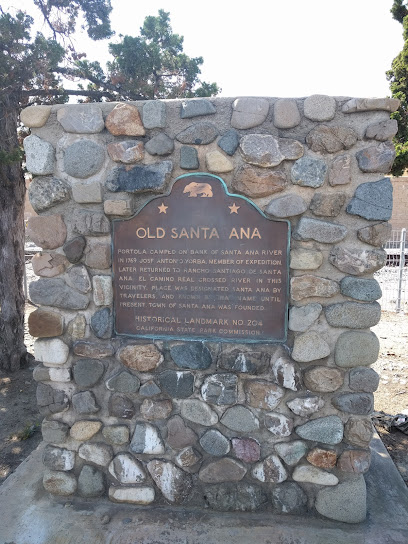
Old Santa Ana Historical Marker
5.8 km
Explore the Old Santa Ana Historical Marker and dive into the rich history of Orange, California – a hidden gem for history enthusiasts and curious travelers.
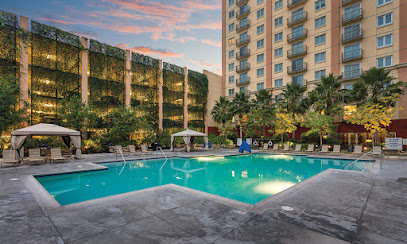
WorldMark Dolphin's Cove
5.9 km
Discover tranquility and family fun at WorldMark Dolphin's Cove, a premier resort in Anaheim with easy access to Disneyland and more.
Unmissable attractions to see

Pitcher Park
0.7 km
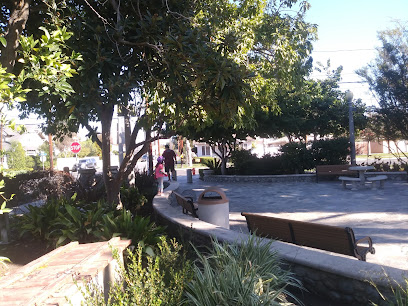
Discover a hidden gem in Old Towne Orange: Pitcher Park, where history and nature intertwine to create a serene escape celebrating the city's agricultural roots and community spirit.
Hilbert Museum of California Art
0.7 km
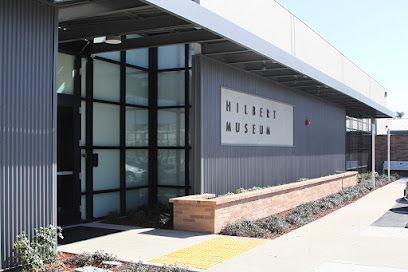
Discover California's visual history at the Hilbert Museum of California Art in Old Towne Orange, showcasing California Scene paintings and animation art from the Golden State's vibrant past.
Discovery Cube
2.1 km
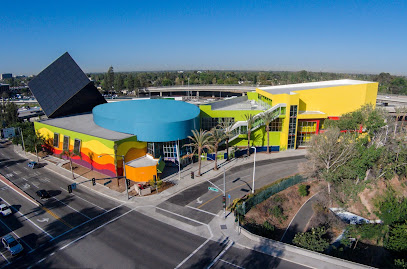
Explore hands-on exhibits and interactive science activities at Discovery Cube in Santa Ana, a family-friendly attraction that ignites curiosity and learning.
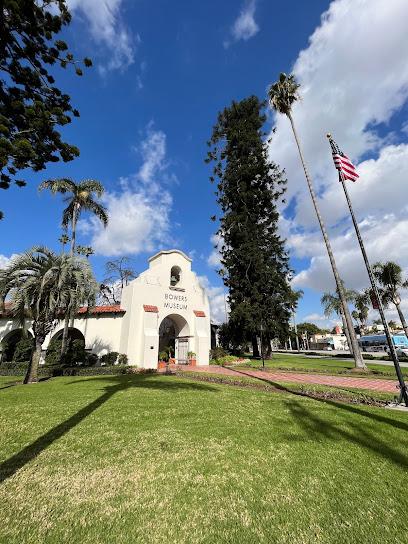
Bowers Museum
2.8 km
Explore the rich cultural heritage and exquisite art collections at Bowers Museum in Santa Ana, a must-see for every traveler.
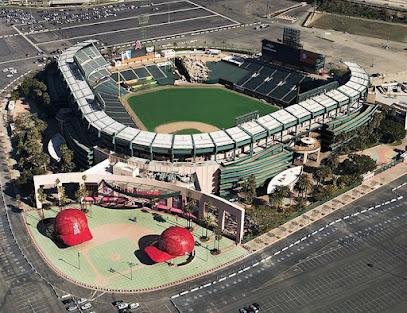
Angel Stadium
3.3 km
Discover the excitement of Angel Stadium, home of the Los Angeles Angels, where unforgettable baseball memories come to life in Anaheim, California.
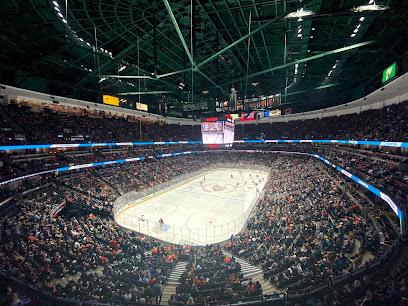
Honda Center
3.5 km
Discover the Honda Center, Anaheim's premier arena for unforgettable sports events, concerts, and entertainment experiences.
The Dr. Willella Howe-Waffle House and Medical Museum
4.1 km
Discover the legacy of Dr. Willella Howe-Waffle at this unique museum in Santa Ana, showcasing the history of medicine and women's contributions.
Old Orange County Courthouse
4.1 km
Discover the historic Old Orange County Courthouse in Santa Ana, an architectural gem and cultural landmark showcasing the rich heritage of Orange County.

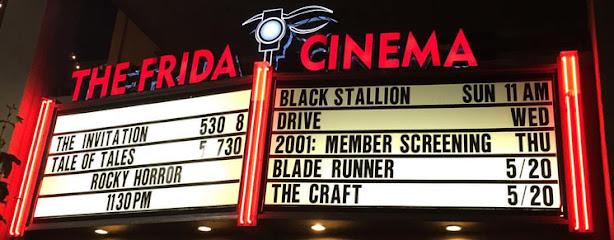
The Frida Cinema
4.2 km
Discover the vibrant world of independent cinema at The Frida Cinema in Santa Ana, where art meets film in a unique cultural experience.
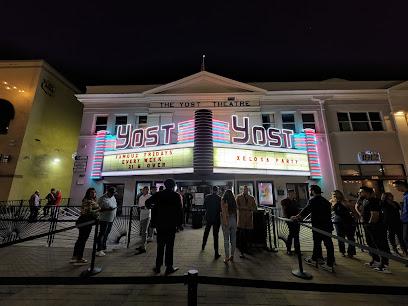
Yost Theater
4.3 km
Discover the magic of live performances at Yost Theater, Santa Ana's premier venue for music and arts, where history meets modern entertainment.
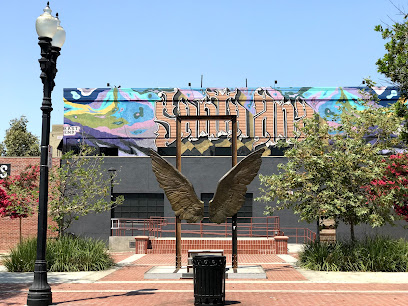
Downtown Santa Ana Historic District
4.3 km
Discover the vibrant heart of Orange County in Downtown Santa Ana's Historic District, where preserved architecture, thriving arts, and diverse cuisine create an unforgettable experience.
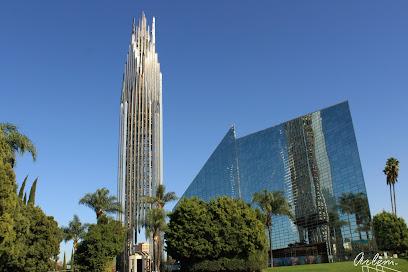
Christ Cathedral
4.4 km
Discover the breathtaking Christ Cathedral in Garden Grove, California - a blend of modern architecture and spiritual tranquility.
Southeast Anaheim Diamond Railroad Crossing
4.8 km
Discover the Southeast Anaheim Diamond Railroad Crossing, a fascinating intersection of trains in the heart of Anaheim, offering a unique glimpse into rail transport.
Boysen Park
5.8 km
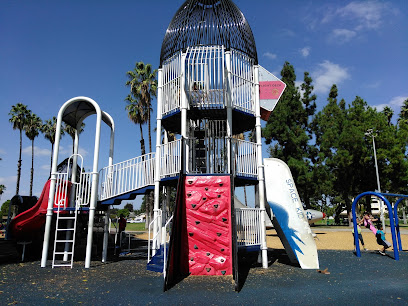
Discover Anaheim's iconic Boysen Park, where aviation history meets outdoor fun! Enjoy playgrounds, sports, and picnic spots in this vibrant community space.
STC Anaheim GardenWalk
5.9 km
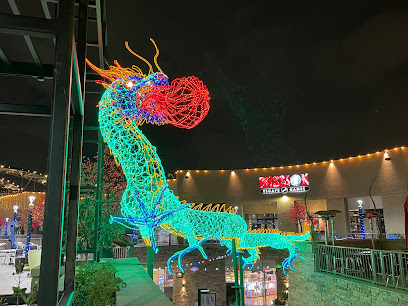
Experience dining, entertainment, and unique shops at Anaheim GardenWalk, steps from Disneyland and the Anaheim Convention Center.
Essential places to dine

Benihana
4.9 km
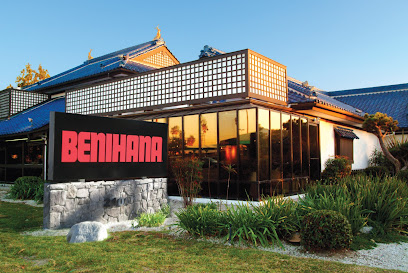
Experience the art of Japanese cooking at Benihana in Anaheim - where every meal is a spectacular performance.
California Fish Grill
5.4 km
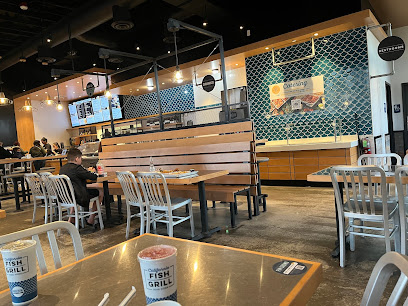
Discover the taste of sustainable seafood at California Fish Grill - where fresh flavors meet exceptional dining in Anaheim.
THE RANCH Restaurant
5.7 km
Experience the exquisite flavors of American cuisine at The Ranch Restaurant in Anaheim – where fine dining meets rustic elegance.
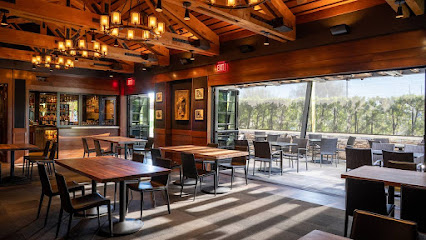
Top of The V
5.8 km
Discover authentic Spanish cuisine at Top of The V in Anaheim – where every dish is a journey through flavor.
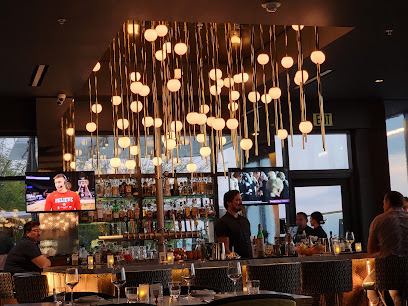
The Cheesecake Factory
5.8 km
Experience culinary bliss at The Cheesecake Factory in Anaheim – where delectable dishes meet irresistible desserts in a family-friendly atmosphere.
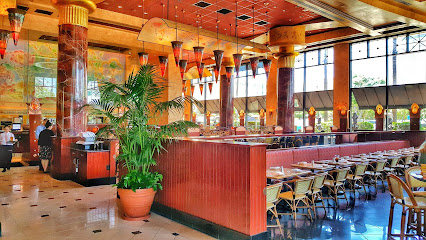
California Pizza Kitchen at Anaheim Garden Walk
5.8 km
Experience the vibrant flavors of California Pizza Kitchen at Anaheim Garden Walk - where delicious pizzas meet lively ambiance.
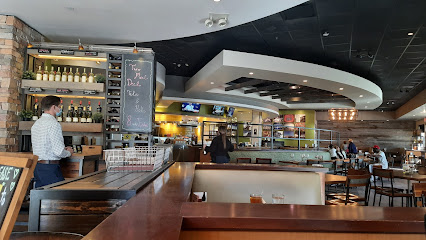
Parkestry Rooftop Bar & Lounge
5.8 km
Experience stunning views and exceptional flavors at Parkestry Rooftop Bar & Lounge in Anaheim - the perfect escape for food and drink lovers.
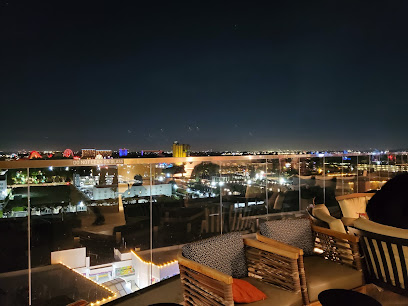
P.F. Chang's
5.9 km
Experience the vibrant flavors of Asia at P.F. Chang's in Anaheim - where tradition meets modern culinary artistry.
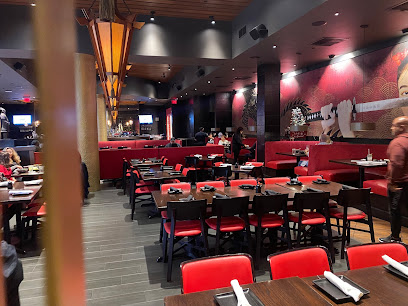
McCormick & Schmick's Grille
5.9 km
Discover culinary perfection at McCormick & Schmick's Grille - where fresh seafood meets prime steaks in Anaheim's vibrant resort area.
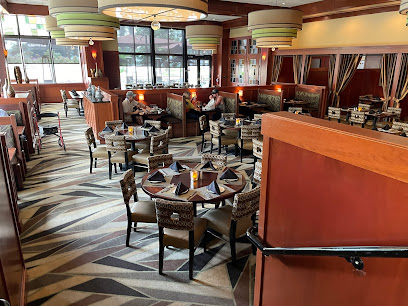
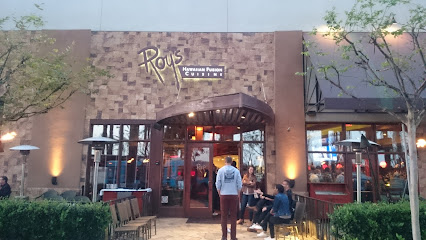
Roy's Restaurant
5.9 km
Experience exquisite Asian fusion cuisine at Roy's Restaurant in Anaheim – where every dish is crafted with artistry and flavor.
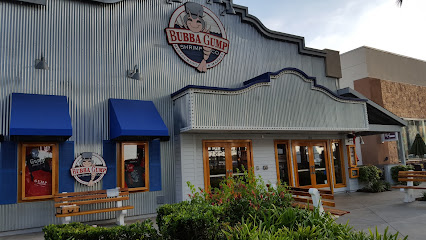
Bubba Gump Shrimp Co.
5.9 km
Dive into delicious seafood at Bubba Gump Shrimp Co., where iconic flavors meet fun vibes in Anaheim's vibrant dining scene.
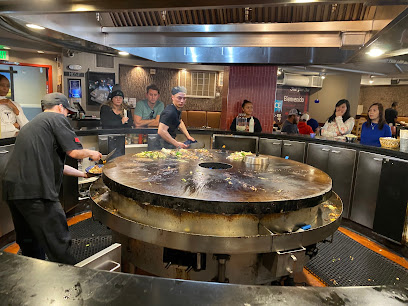
FiRE+iCE
6.0 km
Experience interactive dining at FiRE+iCE in Anaheim: where fresh ingredients meet sizzling entertainment.
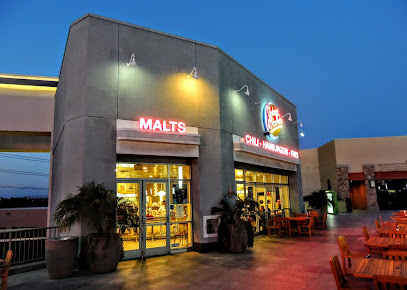
Johnny Rockets
6.0 km
Experience classic American diner culture at Johnny Rockets in Anaheim – delicious burgers, retro vibes, and fun entertainment await you!
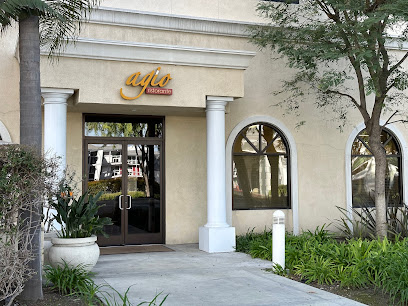
Agio Ristorante
6.1 km
Experience authentic Italian flavors at Agio Ristorante in Anaheim – where every meal feels like a celebration.
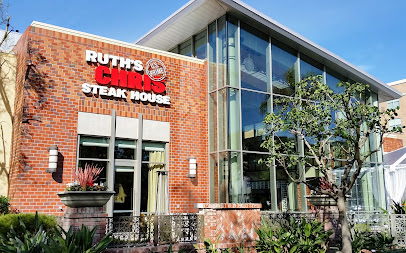
Ruth's Chris Steak House
6.1 km
Experience fine dining at Ruth's Chris Steak House in Anaheim – where sizzling steaks meet exceptional service in an elegant atmosphere.
Markets, malls and hidden boutiques

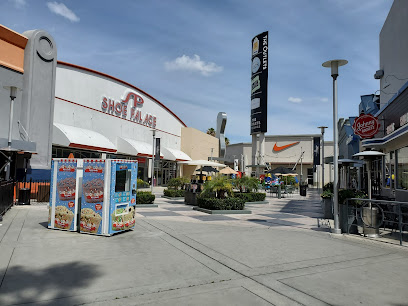
The Outlets at Orange
3.9 km
Explore a vast selection of brand-name stores at The Outlets at Orange, where shopping meets entertainment in a vibrant atmosphere.
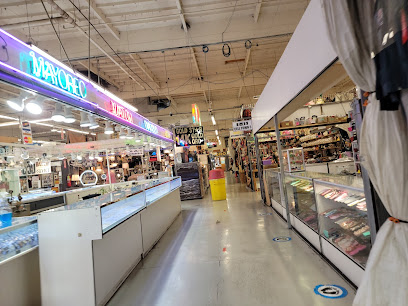
Anaheim Marketplace
5.7 km
Discover unique treasures and local flavors at Anaheim Marketplace, a bustling flea market in the heart of Anaheim, California.
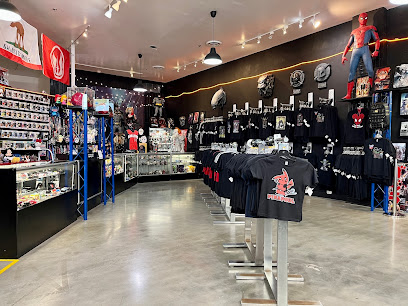
Factory Xtreme
5.9 km
Explore Factory Xtreme in Anaheim for a unique shopping experience filled with rare clothing and collectibles that capture the essence of your visit.
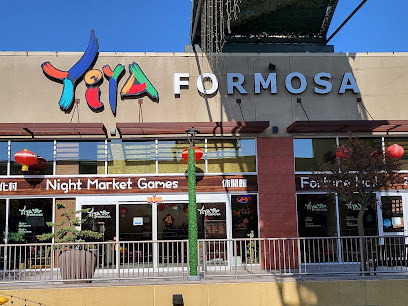
Yiya Formosa
5.9 km
Discover the essence of Asian culture at Yiya Formosa, a unique gift shop featuring miniatures, teas, and cultural treasures in Anaheim.
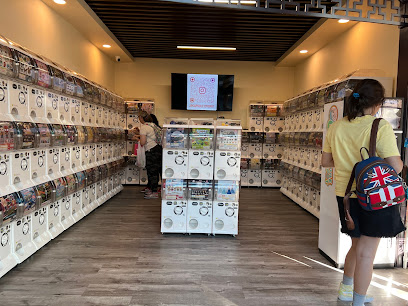
JP Capsule Toy Spot
5.9 km
Explore a whimsical world of capsule toys and collectibles at JP Capsule Toy Spot in Anaheim, a treasure trove for enthusiasts of all ages.
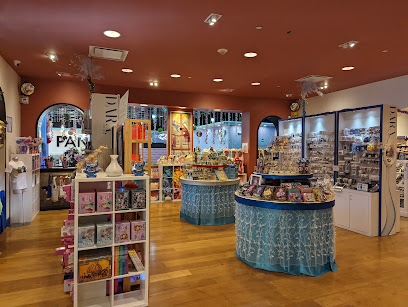
Mystical Gifts & Souvenirs
5.9 km
Explore a treasure trove of unique gifts and handcrafted souvenirs at Mystical Gifts & Souvenirs in Anaheim, California, perfect for every traveler.
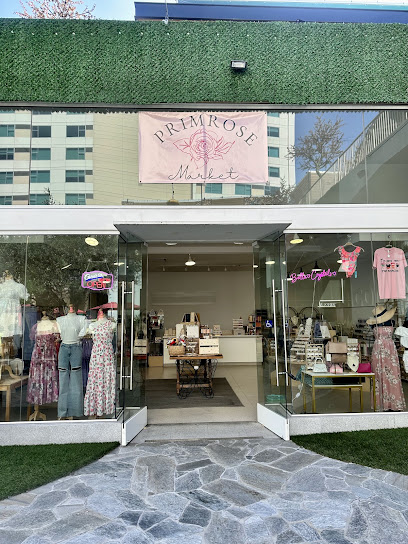
Primrose Market Boutique
5.9 km
Explore Primrose Market Boutique in Anaheim for unique fashion, accessories, and home goods that capture the spirit of local culture.
Ridemakerz
6.0 km
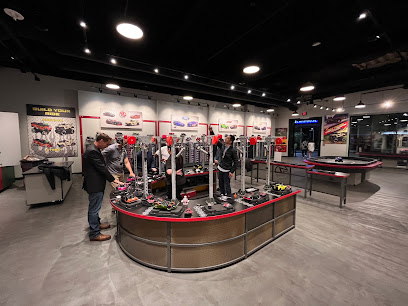
Discover the joy of creativity and fun at Ridemakerz, the ultimate toy store in Anaheim, where you can design your own unique toy cars.
M2M Creative
6.0 km
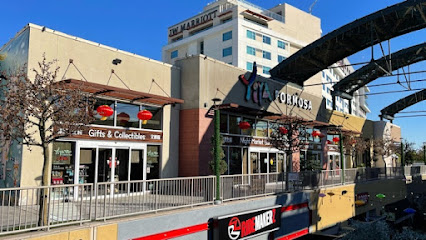
Discover unique gifts and magical souvenirs at M2M Creative, a must-visit gift shop in Anaheim Resort, just steps from Disneyland.
Ca Souvenirs
6.2 km
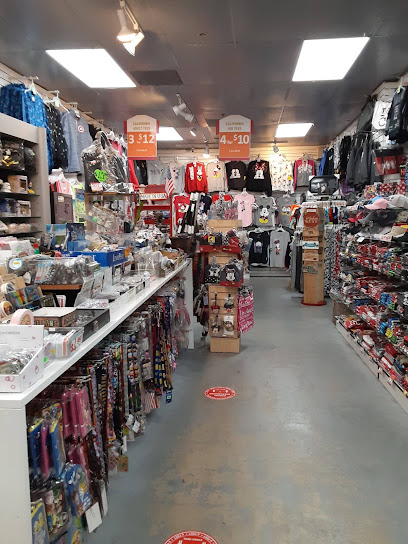
Discover unique souvenirs and gifts at Ca Souvenirs in Anaheim, California - your go-to shop for mementos and local treasures.
AJ Gift Mart
6.2 km
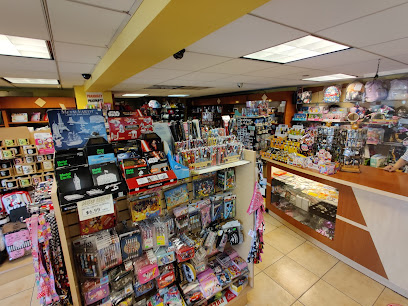
Explore AJ Gift Mart in Anaheim for unique gifts and souvenirs that capture the spirit of your California journey.
Harbor Marketplace
6.3 km
Explore a magical selection of Disney merchandise at Harbor Marketplace, the ultimate gift shop in Anaheim for unforgettable keepsakes.
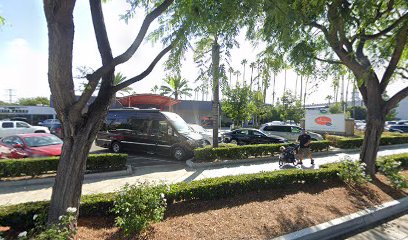
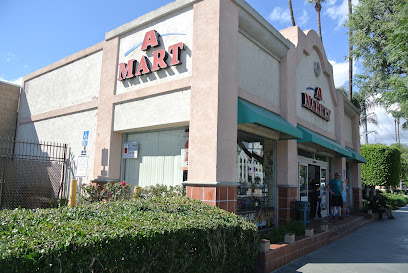
A Market
6.3 km
Discover the charm of A Market in Anaheim, a delightful gift shop offering unique souvenirs and local treasures for every traveler.
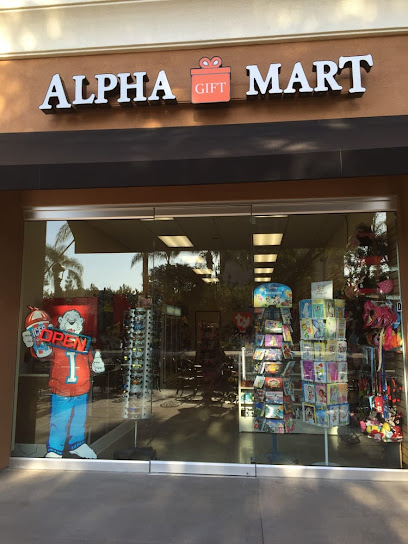
Alpha Gift Mart
6.4 km
Discover unique souvenirs and gifts at Alpha Gift Mart in Anaheim, the ultimate destination for memorable keepsakes from your California adventure.
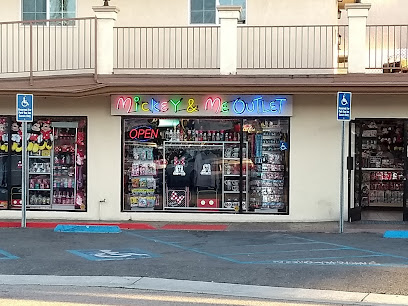
Mickey & Me Outlet
6.4 km
Explore a whimsical gift shop in Anaheim, offering an array of Disney-themed treasures at delightful prices for every fan.
Essential bars & hidden hideouts

Lopez & Lefty's
5.1 km
Experience the energy of live sports and delicious dining at Lopez & Lefty's, Anaheim's premier sports bar.
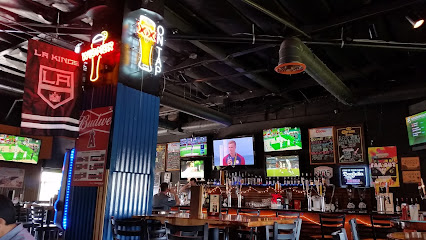
TheCave Sports Bar
6.1 km
Experience the thrill of live sports at TheCave Sports Bar in Anaheim, where the atmosphere is electric and the food is delicious.
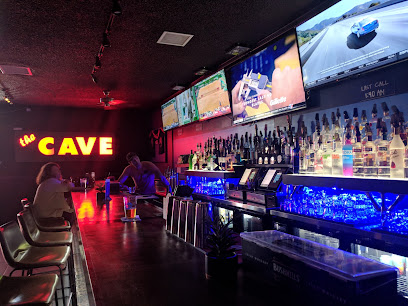
Foundation Room Anaheim
6.1 km
Discover the ultimate venue for dining and entertainment at Foundation Room Anaheim, where fine dining meets vibrant nightlife in a stunning atmosphere.
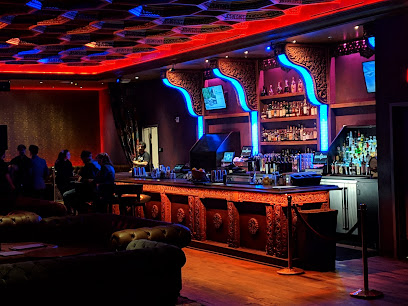
The Front Room Lounge
6.3 km
Discover the vibrant atmosphere at The Front Room Lounge in Anaheim, where refreshing drinks meet a cozy ambiance, perfect for unwinding after a day of adventure.
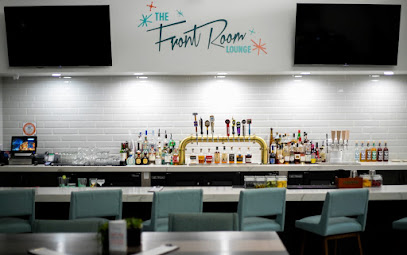
Manchester Bar & Grill
6.3 km
Experience the vibrant flavors of Anaheim at Manchester Bar & Grill, where delicious cuisine meets a lively atmosphere in the heart of the city.
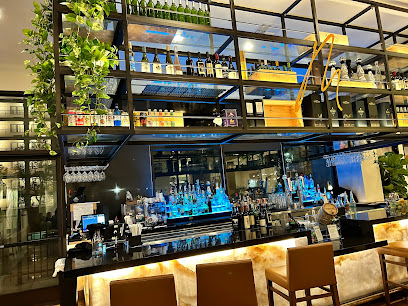
Alfresco Tasting Terrace
6.8 km
Experience the magic of Disneyland with a touch of elegance at Alfresco Tasting Terrace, the premier wine bar offering stunning views and exquisite small plates.
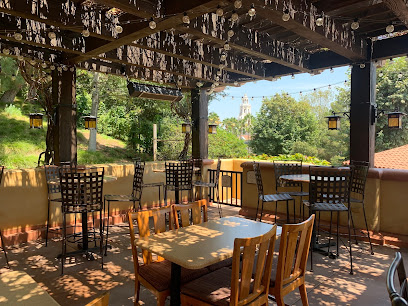
Sonoma Terrace
6.8 km
Experience the essence of California's wine culture at Sonoma Terrace, a tranquil wine bar in Disney California Adventure Park.
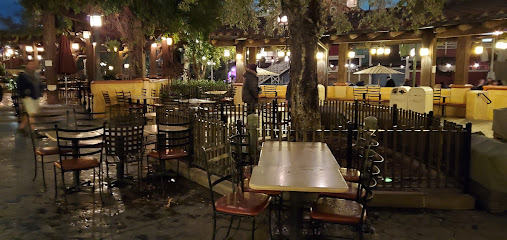
RISE Rooftop Lounge
6.9 km
Discover the stunning views and vibrant atmosphere at RISE Rooftop Lounge in Anaheim, a perfect retreat for tourists seeking a unique bar experience.
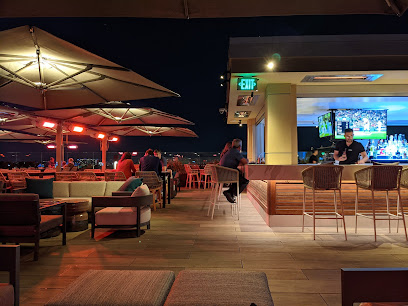
Bar 1030
6.9 km
Experience the vibrant nightlife and delicious cocktails at Bar 1030, a must-visit bar in the heart of Anaheim, California.
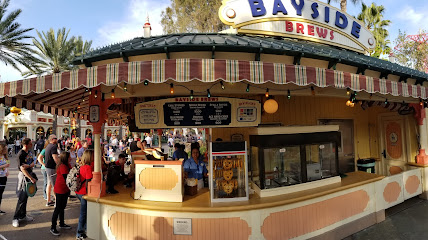
Bayside Brews
7.0 km
Discover Bayside Brews in Disney California Adventure for craft beers and scenic views, perfect for a relaxing break during your magical park adventure.
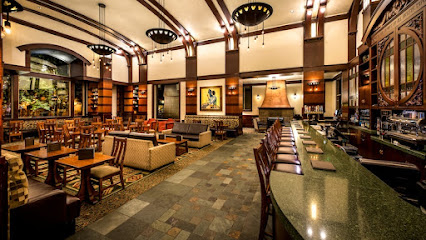
Hearthstone Lounge
7.0 km
Experience the charm of Hearthstone Lounge in Disneyland's Grand Californian Hotel, where exquisite cocktails and cozy ambiance await.
Le Salon Nouveau
7.1 km
Experience the elegance of Le Salon Nouveau, a sophisticated lounge in Disneyland’s New Orleans Square, offering exquisite drinks and a tranquil atmosphere.
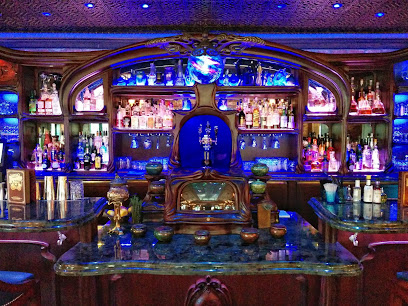
Court of Angels
7.1 km
Discover the enchanting Court of Angels – a hidden bar nestled in New Orleans Square, perfect for relaxation and vibrant atmosphere.
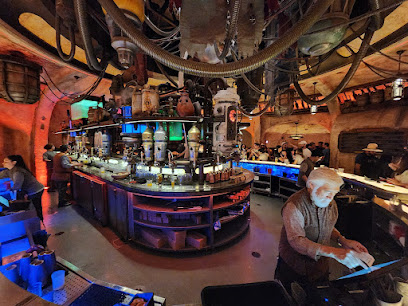
Oga's Cantina at the Disneyland Resort
7.2 km
Discover the intergalactic charm of Oga's Cantina at Disneyland Resort, where unique cocktails and a vibrant atmosphere await every visitor.
Lobby Lounge
7.5 km
Discover the serene ambiance of Lobby Lounge at Disneyland Resort, the perfect retreat for refreshing drinks and relaxation amidst the magic.