

Free Southern California Travel Guide & Mobile App
Explore Southern California with free travel guides. Discover regional history, expert tips, proposed trips, and audio guides on web or mobile app.


Explore Southern California for Pacific beaches, Los Angeles culture, San Diego heritage, desert landscapes, mountains and globally diverse food.
Read more about Southern California
Getting to and around Southern California
How to get there
Transportation
Top city travel guides in Southern California
The cities of Southern California, and the easiest places to base yourself.
-

-

-

-

-

-


Swipe for more cities
Destinations in Southern California
Resorts, valleys and scenic spots worth a trip of their own.
-

-

-

-

-

-


Swipe for more destinations
Best attractions in Southern California
Southern California's attractions range from major urban institutions to extensive natural landscapes. Los Angeles offers the Getty Center, Los Angeles County Museum of Art, Griffith Observatory, the Hollywood film-industry district and the family-oriented attractions of Universal City, while Pasadena contributes museums, gardens and architectural heritage. Orange County combines Disneyland Resort in Anaheim with the beaches and art institutions of coastal communities such as Laguna Beach and Newport Beach. San Diego's attractions include Balboa Park's museums and gardens, the San Diego Zoo, the USS Midway Museum and the coastal landscapes of La Jolla. Inland, Riverside, Palm Springs and the Coachella Valley provide citrus and architectural history, desert recreation and mountain access. Joshua Tree National Park presents some of the region's most distinctive scenery, with hiking, climbing, stargazing and geological formations, while the San Bernardino Mountains offer forests and seasonal mountain activities. Catalina Island and the Channel Islands provide marine wildlife, hiking and island environments, although their transport arrangements require advance planning.
-
Theme park
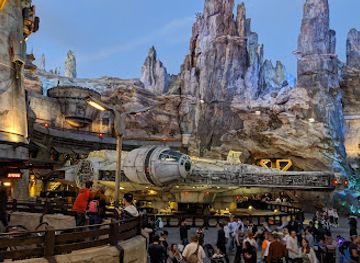
Universal Studios Hollywood
Discover the excitement of Universal Studios Hollywood, where movie magic meets thrilling adventures in an iconic theme park experience.
-
Theme park
Disneyland Park
Experience the enchantment of Disneyland Park, a world of magic and adventure where Disney dreams come to life for all ages.
-
Park
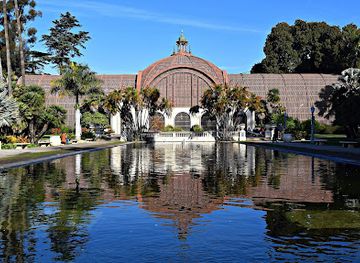
Balboa Park
Discover the beauty and culture of Balboa Park in San Diego, a stunning urban park filled with gardens, museums, and vibrant attractions.
-
National park
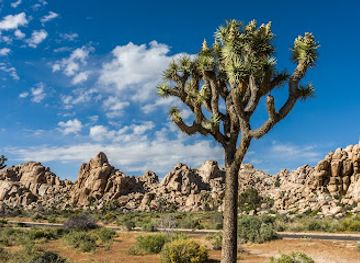
Joshua Tree National Park
Explore the unique beauty of Joshua Tree National Park, where the Mojave and Colorado deserts converge in a landscape of rugged mountains and iconic Joshua trees.

Best landmarks in Southern California
Southern California's landmarks express its layered history and dramatic geography. The Hollywood Sign and Griffith Observatory are internationally recognised symbols of Los Angeles, while the Watts Towers provide a distinctive example of twentieth-century grassroots artistic achievement. The San Gabriel Mission and Mission San Juan Capistrano preserve important, contested evidence of the Spanish and Mexican colonial periods, and the Mission San Diego de Alcalá marks the first Spanish mission founded in California. Balboa Park's Spanish Colonial Revival architecture gives central San Diego a strong civic identity, complemented by the historic Hotel del Coronado across the bay in Coronado. Palm Springs is associated with celebrated mid-century modern architecture and the stark San Jacinto Mountains, while Joshua Tree's granite outcrops and desert vegetation form a natural landmark of international recognition. The coastline supplies further defining places, including the Palos Verdes cliffs, Santa Monica's pier and the coves of La Jolla, each shaped by different geological and urban histories.
-
State park
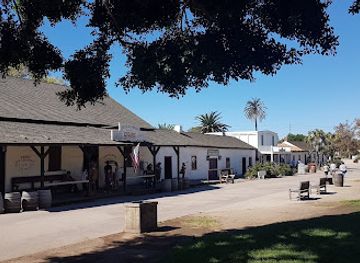
Old Town San Diego State Historic Park
Discover California's birthplace in San Diego's Old Town, where meticulously preserved historic buildings and vibrant cultural experiences transport you to the heart of the 1820s-1870s.
-
Community center
Liberty Station
Discover Liberty Station: San Diego's vibrant waterfront destination for arts, culture, dining, and unique experiences in a historic naval setting.
-
Park
Cabrillo National Monument
Discover San Diego's rich history and stunning natural beauty at Cabrillo National Monument, where the story of exploration unfolds against a backdrop of panoramic ocean views and vibrant tide pools.
-
Historical landmark
Venice Canals
Discover a hidden gem in Los Angeles: the Venice Canals, a historic and picturesque neighborhood offering a tranquil escape from city life.



Explore Southern California on the map
Plan your trip on one map. See where the top cities, national parks and sights are, and book hotels and experiences in a few clicks.
Best hotels in Southern California
Best restaurants in Southern California
Southern California's food culture reflects its Pacific location, Mexican and Californian foundations, and extensive international migration. Tacos, regional Mexican dishes, seafood, Asian noodles, Korean barbecue, Vietnamese cooking, Armenian and Persian specialities, Japanese cuisine and contemporary Californian restaurants are all important parts of the dining landscape, especially in Los Angeles, Orange County and San Diego. Coastal communities serve fish, shellfish and Baja-influenced dishes, while inland valleys retain connections with citrus, dates, farm produce and craft food production. San Diego is strongly associated with its border-influenced cuisine and craft-beer culture, whereas Los Angeles is notable for the breadth of its neighbourhood dining. Food halls, farmers' markets, family-run cafés, bakeries, taquerias and upscale restaurants sit alongside traditional American diners and pubs. Tipping is expected for full table service, and menus may list prices before tax.
-
Steak
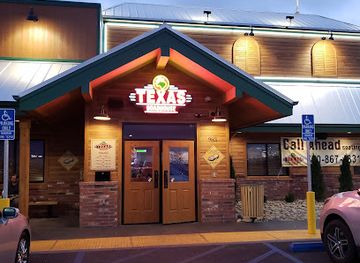
Texas Roadhouse
Experience authentic Texas-style dining at Texas Roadhouse in Hesperia – where great food meets lively atmosphere!
-
Californian
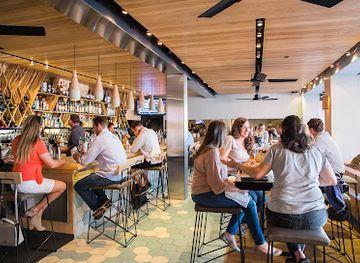
Lulu California Bistro
Experience vibrant Californian cuisine at Lulu California Bistro in Downtown Palm Springs - where flavor meets fun in a lively atmosphere.
-
Restaurant
Georges at the Cove
Experience exquisite dining with stunning ocean views at Georges at the Cove in La Jolla—where culinary excellence meets coastal beauty.
-
Seafood
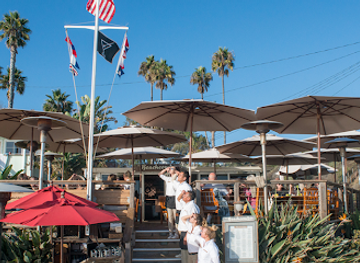
The Beachcomber at Crystal Cove
Experience fresh seafood and stunning ocean views at The Beachcomber at Crystal Cove – an unforgettable dining destination on California's coast.

Best bars in Southern California
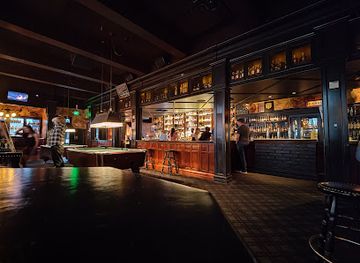
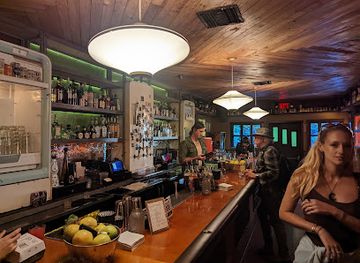
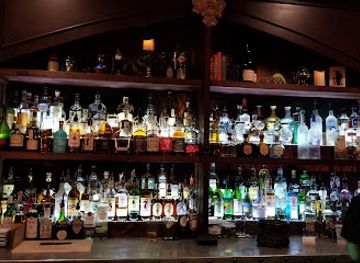
Evening life varies greatly across Southern California. Los Angeles has the broadest choice, from cocktail bars, breweries and live-music rooms to theatres, comedy venues and clubs in districts such as Hollywood, Downtown Los Angeles, Los Feliz and West Hollywood. San Diego's nightlife includes bars, music venues and restaurants in the Gaslamp Quarter, Little Italy, North Park and along the coast, while beach communities in Orange County tend to centre on pubs, lounges and late-opening restaurants rather than a single metropolitan club scene. Palm Springs is known for its concentrated collection of bars, restaurants and nightlife venues, particularly around the central city. Elsewhere, evening culture may mean a craft brewery, a historic inn, a performance or a meal with friends. Distances, designated-driver arrangements and local licensing rules matter, and many venues require government-issued photo identification.
-
Sports bar
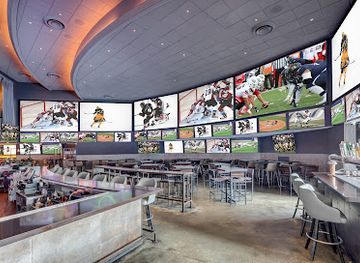
Tom's Watch Bar - Los Angeles
Experience the thrill of live sports at Tom's Watch Bar in Los Angeles, where delicious food and drinks meet passionate fans in a lively atmosphere.
-
Bar
Seven Grand
Experience the vibrant nightlife at Seven Grand, where craft cocktails meet a lively atmosphere in the heart of Los Angeles.
-
Bar
Good Times at Davey Wayne's
Experience the vibrant retro atmosphere and creative cocktails at Good Times at Davey Wayne's, a Hollywood bar that brings nostalgia to life.
-
Cocktail bar
The Cauldron Spirits and Brews
Discover the enchanting world of mixology at The Cauldron Spirits and Brews, a unique cocktail bar and gastropub in Buena Park, California.
Best nightclubs in Southern California
Evening life varies greatly across Southern California. Los Angeles has the broadest choice, from cocktail bars, breweries and live-music rooms to theatres, comedy venues and clubs in districts such as Hollywood, Downtown Los Angeles, Los Feliz and West Hollywood. San Diego's nightlife includes bars, music venues and restaurants in the Gaslamp Quarter, Little Italy, North Park and along the coast, while beach communities in Orange County tend to centre on pubs, lounges and late-opening restaurants rather than a single metropolitan club scene. Palm Springs is known for its concentrated collection of bars, restaurants and nightlife venues, particularly around the central city. Elsewhere, evening culture may mean a craft brewery, a historic inn, a performance or a meal with friends. Distances, designated-driver arrangements and local licensing rules matter, and many venues require government-issued photo identification.
-
Night club
340 Restaurant & Nightclub
Discover the lively charm of 340 Restaurant & Nightclub in Pomona, where American cuisine meets electrifying nightlife in an inclusive atmosphere.
-
Night club
Bravo Night Club
Discover the vibrant nightlife at Bravo Night Club in Anaheim, where music and energy blend for an unforgettable evening.
-
Lounge
Legacy Nightclub and Lounge
Discover the vibrant nightlife at Legacy Nightclub and Lounge in Newport Beach, where music, dancing, and cocktails blend for an unforgettable experience.
-
Night club
Doll Hut
Doll Hut: A lively night club in Anaheim where great music meets a vibrant atmosphere for an unforgettable nightlife experience.




Best shops in Southern California
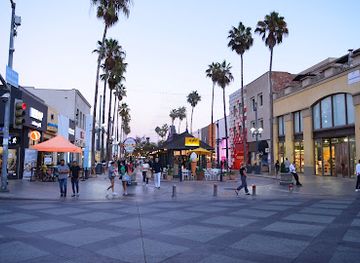
Shopping in Southern California ranges from major urban retail districts to neighbourhood markets and specialist food businesses. Los Angeles offers department stores, fashion districts, independent boutiques, vintage shops, bookshops, art galleries and design-led retail in areas such as Downtown, West Hollywood, Silver Lake and Pasadena. Orange County combines large shopping centres with coastal boutiques and galleries in Laguna Beach, while San Diego has independent shops and markets in districts including North Park, Little Italy and Old Town. Palm Springs is particularly associated with mid-century design, antiques, art and resort-oriented retail. Farmers' markets across the region are useful for Californian fruit, dates, vegetables, baked goods and prepared food, although schedules vary. Appropriate regional purchases include local wine from California producers, specialty coffee, Mexican and Asian food products, design objects and artwork, but visitors should check customs rules before taking food, plants or animal products across international borders.
-
Shopping mall
Downtown Santa Monica
Discover the charm of Downtown Santa Monica with its vibrant shopping scene, coastal views, and lively atmosphere, perfect for tourists looking for fun.
-
Outlet mall
Citadel Outlets
Discover unbeatable savings and a wide selection of top brands at Citadel Outlets, your ultimate shopping destination in Commerce, California.
-
Shopping mall
Irvine Spectrum Center
Discover an exhilarating blend of shopping, dining, and entertainment at the Irvine Spectrum Center, the ultimate destination in Irvine, California.
-
Shopping mall
Fashion Valley
Explore Fashion Valley, San Diego's premier shopping destination with luxury brands, diverse dining, and a vibrant outdoor atmosphere.


Get your free copy of our complete guide to Southern California, delivered straight to you.
Everything on this page, from attractions and restaurants to essentials and local phrases, in one PDF you can read offline, print or share.
Already have an account? Sign in
Your Southern California guide is ready.
We'll send it to · Not you? Sign out

Getting your guide ready…
We are putting together a fresh copy of the Southern California guide. This can take up to a minute.
This can take a few moments. If your browser asks, choose Allow so the download can start. You'll find the guide in your Downloads folder.
Nothing happened? Download it again
Sorry, the guide is taking longer than usual. Please try again in a minute, or get it by email instead.
Southern California essentials
Currency and Payment
Safety
Emergency Situations
Do's and Don'ts
Local Tips
From Eve
Local phrases worth knowing
You don't need to get them perfect. A few words go a long way, and locals appreciate the effort.
Basics
| English | Local | Say it |
|---|---|---|
| Hello | Hey | [hey] |
| Goodbye | See ya | [see ya] |
| Yes | Yeah | [yeah] |
| No | Nah | [nah] |
| Please/You're welcome | No problem | [no prob-lem] |
| Thank you | Thanks | [thanks] |
| Excuse me/Sorry | Sorry | [sorry] |
| How are you? | How's it going? | [how's it go-ing] |
| Fine. And you? | Good. You? | [good. you?] |
| Do you speak English? | Do you speak English? | [do you speak ing-glish?] |
| I don't understand | I don’t get it | [i don't get it] |
Eating & Drinking
| English | Local | Say it |
|---|---|---|
| I'd like to see the menu, please | Can I see the menu? | [can i see the men-u?] |
| I don't eat meat | I'm vegetarian | [i'm veg-e-tar-i-an] |
| Cheers! | Cheers! | [cheers] |
| I would like to pay, please | Can I get the bill? | [can i get the bill?] |
Emergencies
| English | Local | Say it |
|---|---|---|
| Help! | Help! | [help] |
| Go away! | Leave me alone! | [leave me a-lone] |
| Call the Police! | Call the cops! | [call the cops] |
| Call a doctor! | Get me a doctor! | [get me a doc-tor] |
| I'm lost | I'm lost | [i'm lost] |
| I'm ill | I'm not feeling well | [i'm not feel-ing well] |
Shopping
| English | Local | Say it |
|---|---|---|
| I'd like to buy... | I want to buy... | [i want to buy...] |
| I'm just looking | Just browsing | [just brows-ing] |
| How much is it? | How much? | [how much?] |
| That's too expensive | That's way too much | [that's way too much] |
| Can you lower the price? | Can you give me a better price? | [can you give me a bet-ter price?] |
Time & Numbers
| English | Local | Say it |
|---|---|---|
| What time is it? | What time? | [what time?] |
| It's one o'clock | It's one | [it's one] |
| Half past (10) | Half past ten | [half past ten] |
| Morning | Morning | [morning] |
| Afternoon | Afternoon | [af-ter-noon] |
| Evening | Evening | [eve-ning] |
| Yesterday | Yesterday | [yes-ter-day] |
| Today | Today | [to-day] |
| Tomorrow | Tomorrow | [to-mor-row] |
| 1 | One | [one] |
| 2 | Two | [two] |
| 3 | Three | [three] |
| 4 | Four | [four] |
| 5 | Five | [five] |
| 6 | Six | [six] |
| 7 | Seven | [seven] |
| 8 | Eight | [eight] |
| 9 | Nine | [nine] |
| 10 | Ten | [ten] |
Transport & Directions
| English | Local | Say it |
|---|---|---|
| Where's a/the...? | Where's the...? | [where's the...?] |
| What's the address? | What's the address? | [what's the ad-dress?] |
| Can you show me (on the map)? | Can you point it out? | [can you point it out?] |
| When's the next (bus)? | When's the next bus? | [when's the next bus?] |
| A ticket (to ....) | One ticket to... please | [one tick-et to... please] |
History of Southern California
Indigenous Homelands Before European Colonisation
Southern California has long been home to diverse Indigenous peoples, including the Tongva, Acjachemen, Chumash, Tataviam, Serrano, Cahuilla, Kumeyaay and Luiseño, among others. Their economies and cultures developed across coast, islands, river valleys, mountains and desert, with trade networks linking apparently distant environments. Tongva settlements occupied much of the Los Angeles basin and nearby islands, while Kumeyaay communities extended across the San Diego region. Indigenous place names, living communities, cultural institutions and continuing land relationships remain important to understanding the region beyond its later Spanish and American development.
Spanish Missions and Colonial Settlement
Spanish colonisation expanded into Southern California from the late eighteenth century through a chain of missions, presidios and associated ranches. Mission San Diego de Alcalá, founded in 1769, was the first of the California missions, while missions at San Gabriel, San Juan Capistrano, San Buenaventura and San Fernando shaped later settlement patterns. These institutions brought livestock, crops, new political authority and Catholic conversion, but also caused devastating disruption, forced labour and population loss among Indigenous communities. Mission buildings and surviving landscapes are historically significant, but their interpretation must include both colonial ambitions and Indigenous experiences.
Mexican California and the Rancho Era
After Mexican independence from Spain in 1821, the missions were gradually secularised and large land grants created ranchos across Southern California. Cattle, hide and tallow production became central to the regional economy, with ranchos extending around the Los Angeles basin, Orange County, San Diego and the Santa Barbara area. Places such as Rancho Los Alamitos and historic adobe sites preserve elements of this period, although later urban expansion has transformed most of the landscape. Mexican governance also established a political and cultural legacy that remains visible in place names, architecture, foodways and community traditions.
American Conquest and the Gold-Rush Connection
The United States seized control of California during the Mexican-American War, and the Treaty of Guadalupe Hidalgo in 1848 transferred California to the United States. The Gold Rush rapidly increased migration and investment, while Los Angeles and San Diego developed within a new American commercial and legal framework. California statehood followed in 1850. Indigenous communities faced further dispossession and violence, and Mexican Californio families often lost land through legal and economic pressure. The transition established political conditions for the railways, land speculation and agricultural expansion that would later reshape Southern California.
Railways, Citrus and the Growth of Los Angeles
Rail connections in the late nineteenth century linked Southern California more closely with national markets and encouraged settlement, tourism and land development. Irrigation and an expanding water supply supported citrus cultivation in the Inland Empire, Orange County and the outskirts of Los Angeles, while promotional campaigns marketed the region's climate to migrants and investors. Los Angeles grew from a relatively small city into the dominant metropolitan centre, and towns such as Riverside, Redlands and Pasadena developed distinctive civic, residential and horticultural identities. Citrus packing houses, historic neighbourhoods and landscaped public spaces still reflect this transformation.
Water, Highways and Metropolitan Expansion
Twentieth-century Southern California was shaped by major water projects, electric power, aviation, defence contracts, freeways and mass suburban development. The Los Angeles Aqueduct, completed in 1913, helped support rapid urban growth, while later projects drew water from sources far beyond the region. Automobiles and extensive road building connected dispersed communities but also produced the traffic and large-scale urban form associated with Southern California today. Agriculture gave way to housing and industry across many districts, while San Diego, Orange County and the Inland Empire developed as major metropolitan areas in their own right.
Hollywood, Aerospace and Global Migration
The film industry established Southern California as an influential centre of global popular culture, first around Hollywood and later across a much wider metropolitan production economy. During and after the Second World War, aircraft, shipbuilding, electronics, space and defence industries expanded rapidly, particularly around Los Angeles, Orange County and San Diego. The region also received migrants from across the United States and the world, creating the multilingual and internationally connected communities visible in neighbourhoods, businesses, religious institutions and food cultures. Contemporary Southern California is therefore the product of both industrial modernisation and sustained global migration.
Southern California in Photos
Browse through our photo collection highlighting the charm and character of the destination.
Neighbouring regions of Southern California
The closest regions to Southern California, if you have time for more than one.
-

-

-

-

-


Swipe for more regions
Explore more
Explore more of California
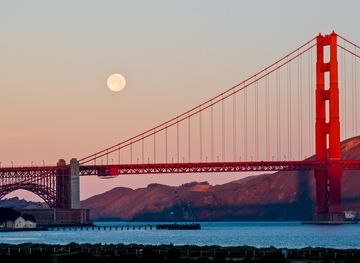
Discover California: A land of diverse landscapes, iconic cities, and endless adventures, from sun-soaked beaches to towering redwoods and vibrant cultural experiences.
Explore California