Craftsman Village Historic District
Discover the charm of early 20th-century architecture in Long Beach's Craftsman Village Historic District, a well-preserved neighborhood showcasing original Craftsman bungalows and a strong sense of community.
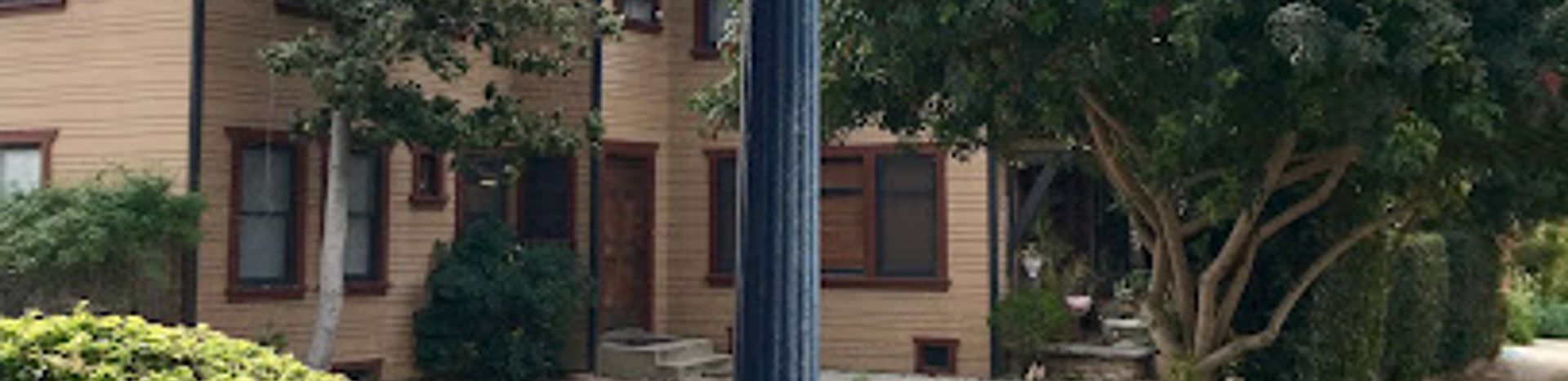
Step back in time as you explore the charming Craftsman Village Historic District in Long Beach, California, a well-preserved residential neighborhood showcasing the architectural style popular in the early 20th century. This area, developed between 1911 and 1920, features a high concentration of original Craftsman bungalows, reflecting California's vernacular architecture of the period. Characterized by simple, straightforward designs, these homes boast open, spatial qualities, often including gabled roofs and inviting open porches. Take a leisurely stroll through the district to admire the unique details and harmonious consistency of these historic homes. The district also features the Toledo Walk, a pedestrian-only area, and the Craftsman Village Park, offering green space for relaxation. With its well-preserved architecture and community spirit, the Craftsman Village Historic District provides a glimpse into Long Beach's past and a delightful experience for architecture enthusiasts and history buffs alike. The district encapsulates the diversity of Long Beach as a whole: it is a multi-ethnic and multi-linguistic community.
A brief summary to Craftsman Village Historic District - Hellman Street Craftsman
- Long Beach, Eastside, California, 90813, US
- +1562-294-3198
- Visit website
Local tips
- Take a self-guided walking tour to fully appreciate the architectural details and historical significance of the Craftsman Village Historic District.
- Visit the Toledo Walk, a pedestrian-only right-of-way, for a tranquil escape from the city streets and a glimpse into the district's unique character.
- Explore the nearby Museum of Latin American Art (MOLAA) and the Pacific Island Ethnic Art Museum to delve into diverse artistic expressions and cultural heritage.
- Check out Craftsman Village Park, a small green space, for a relaxing break.

Getting There
-
Walking
The Craftsman Village Historic District is easily accessible on foot from many nearby points of interest in Long Beach. If you are near Retro Row on 4th Street, head north towards 7th Street and then turn east. The district begins around Orange Avenue. From the East Village Arts District, walk east along 7th Street until you reach the district. Look for the distinctive Craftsman-style homes to know you've arrived. The Toledo Walk, a pedestrian-only area, is a good central point to start your exploration.
-
Public Transport
Long Beach Transit serves the area with several bus routes. Check the Long Beach Transit website or app for the most up-to-date routes and schedules. A single fare is $1.25. Several bus stops are located along 7th Street and Orange Avenue, providing convenient access to the district. From downtown Long Beach, you can take the Passport Bus, a free bus service, to connect to the area, though it only operates on weekends.
-
Taxi/Ride-Share
Taxi and ride-sharing services like Uber and Lyft are readily available in Long Beach. A ride from downtown Long Beach to the Craftsman Village Historic District will typically cost between $8 and $12, depending on traffic and demand.
-
Driving
If driving, be aware that street parking in the Craftsman Village Historic District can be limited. Look for available parking spots on the streets within the district. Parking is typically free, but be sure to check posted signs for any restrictions. Parking lots are available in the surrounding areas, but these may require a fee. Expect to pay around $2 per hour at nearby metered parking.
Discover more about Craftsman Village Historic District - Hellman Street Craftsman
Iconic landmarks you can’t miss

Craftsman Village Historic District - Hellman Street Craftsman
0.0 km
Explore the Craftsman Village Historic District in Long Beach, a captivating showcase of early 20th-century craftsmanship and architecture.
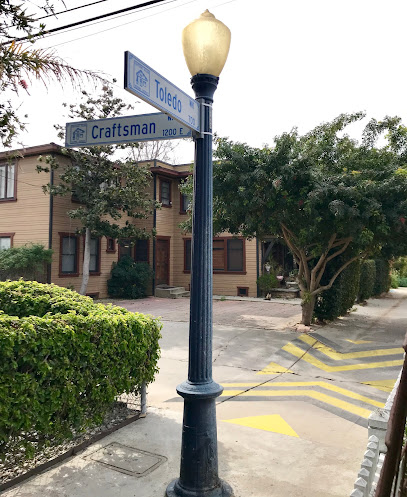
N Toledo Walk Historic Lampposts
0.1 km
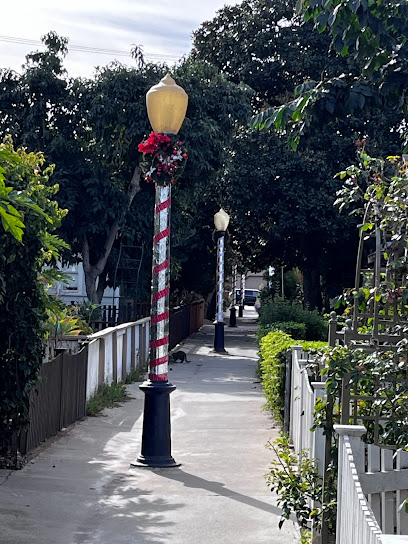
Discover the beauty and history of Long Beach through the enchanting N Toledo Walk Historic Lampposts, a landmark reflecting local heritage.
Kelly House
1.0 km
Discover the historic Kelly House in Long Beach, a charming landmark that showcases early 20th-century architecture and rich local heritage.
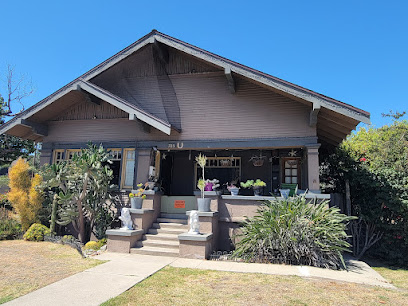
Free Tours by Foot - Los Angeles
1.2 km
Experience the vibrant culture and iconic landmarks of Los Angeles with engaging walking tours led by passionate local guides.
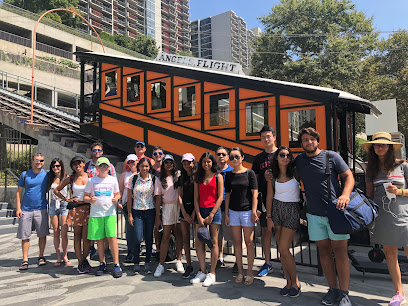
Historic Broadlind Hotel at Long Beach Convention Center
1.3 km
Discover the Historic Broadlind Hotel in Long Beach, CA, where vintage elegance meets modern comfort in a prime downtown location.
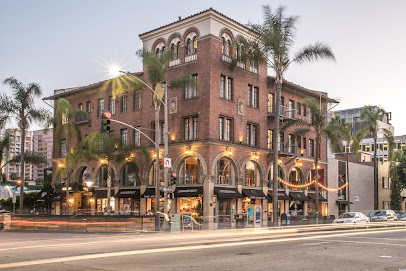
International Tower
1.4 km
Experience the elegance of California living at the iconic International Tower in Long Beach, a stunning landmark offering breathtaking ocean views.
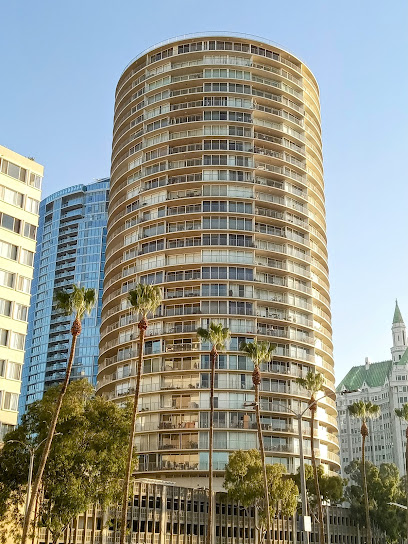
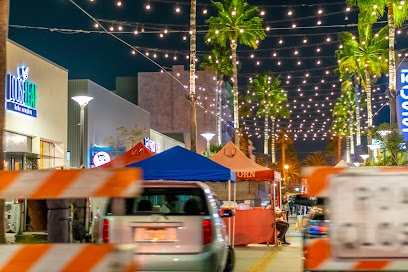
Thursday Night Market - Under the Stars
1.4 km
Explore the vibrant Thursday Night Market in Long Beach, where local flavors, crafts, and live music create an unforgettable evening experience under the stars.
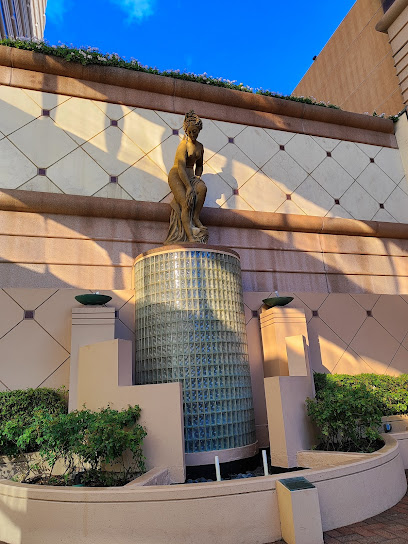
Long Beach Venus statue
1.5 km
Discover the Long Beach Venus statue, a historical landmark that symbolizes art and culture in the heart of California's vibrant coastal city.
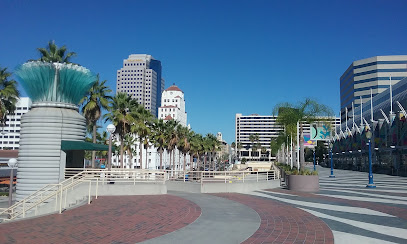
Long Beach Convention & Visitors Bureau
1.5 km
Explore Long Beach, California: Your ultimate destination for culture, events, and coastal adventures awaits at the Long Beach Convention & Visitors Bureau.
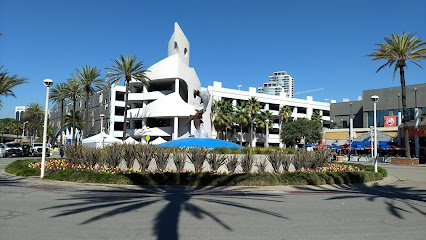
The Promenade
1.6 km
Experience the charm and vibrancy of Long Beach's Promenade with stunning ocean views, delightful eateries, and a lively cultural scene.
Metamorphosis Mural by Tran Nguyen
1.7 km
Explore the Metamorphosis Mural by Tran Nguyen in Long Beach, California - a vibrant testament to transformation and creativity in urban art.
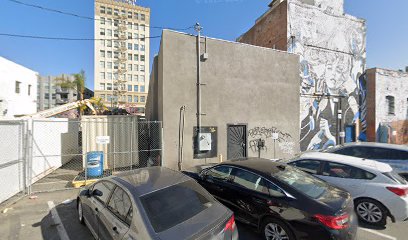
Bad Axe Throwing Long Beach
1.7 km
Experience the thrill of axe throwing in Long Beach, California, at Bad Axe Throwing – where adventure meets camaraderie in a unique event venue.
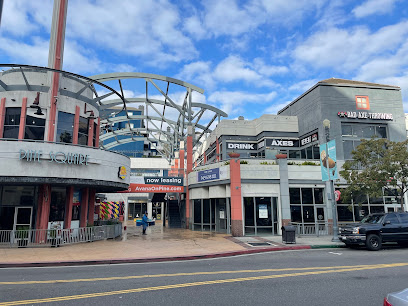
Willmore Building
1.9 km
Explore the Willmore Building, a stunning historical landmark in Long Beach, California, reflecting the city's rich architectural heritage and vibrant culture.
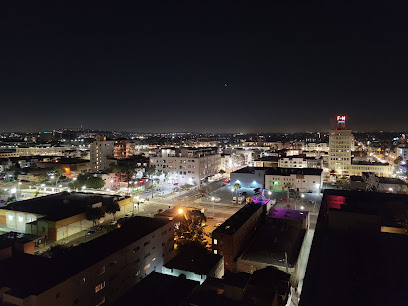
Ocean Center
1.9 km
Explore Long Beach from Ocean Center, your perfect apartment rental destination for comfort, culture, and coastal adventures.
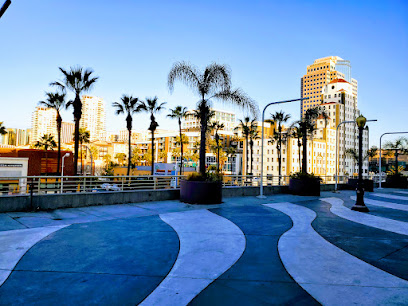
Historic Preservation First Congregational Church of LB
1.9 km
Discover the architectural beauty and historical significance of the First Congregational Church of Long Beach, a cornerstone of community heritage.
Unmissable attractions to see

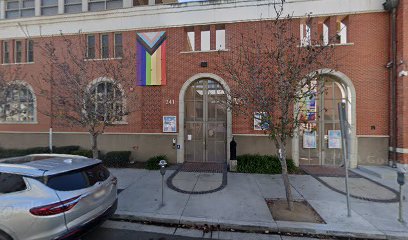
Pacific Island Ethnic Art Museum
0.4 km
Explore the rich cultural heritage of the Pacific Islands at the Pacific Island Ethnic Art Museum in Long Beach, California, showcasing stunning art and artifacts.
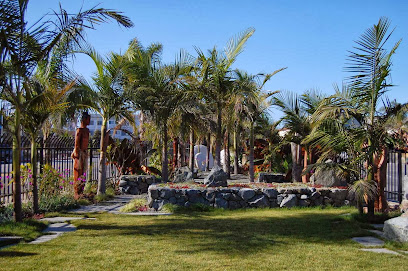
East Village
1.0 km
Discover East Village in Long Beach, CA - where art, culture, and culinary delights converge in a vibrant coastal community.
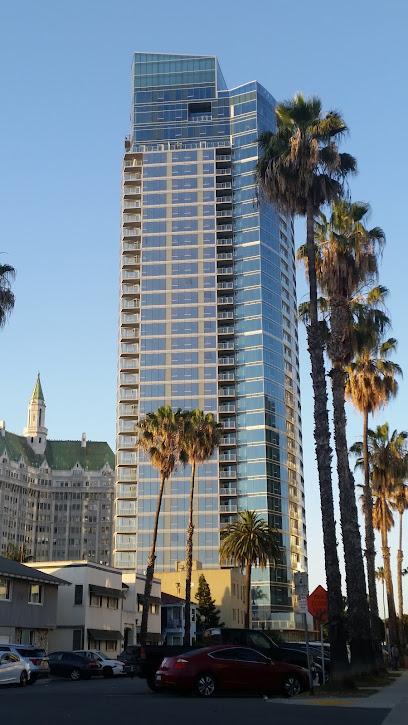
Long Beach Firefighter's Museum
1.0 km
Discover the inspiring history of firefighting at the Long Beach Firefighter's Museum, where courage and community converge.
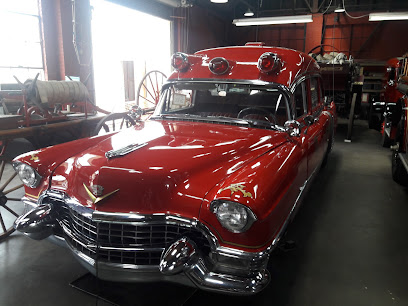
Blind Donkey
1.3 km
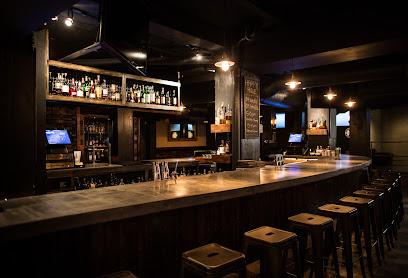
Discover The Blind Donkey, a vibrant cocktail bar and beer hall in Long Beach, California, offering craft concoctions and a lively social atmosphere.
Bixby Park
1.5 km
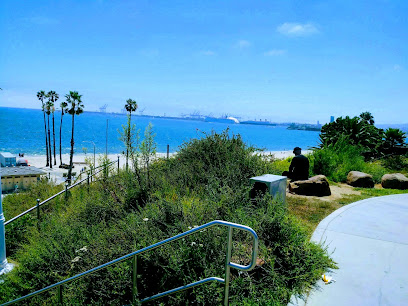
Discover tranquility at Bixby Park in Long Beach, California, where nature meets community in a scenic urban oasis.
Downtown Long Beach
1.5 km
Immerse yourself in the vibrant culture, stunning waterfront, and lively nightlife of Downtown Long Beach, California.
Long Beach
1.5 km
Experience the best of California in Long Beach: beautiful beaches, rich culture, and endless activities await you.
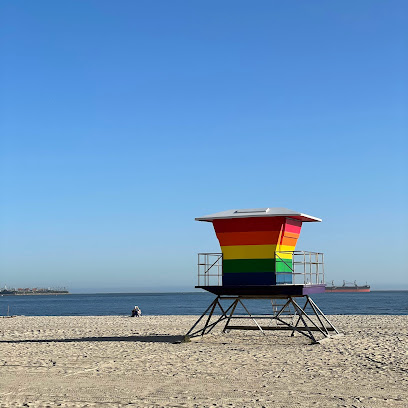
Pride Lifeguard Tower
1.5 km
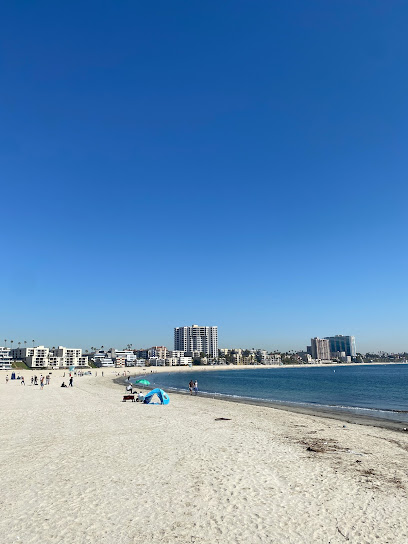
Discover the iconic Pride Lifeguard Tower at Alamitos Beach, a vibrant symbol of diversity and community spirit in Long Beach, California.
Victory Park
1.6 km
Discover the tranquility of Victory Park in Long Beach, California – a scenic urban park perfect for relaxation, family fun, and community events.
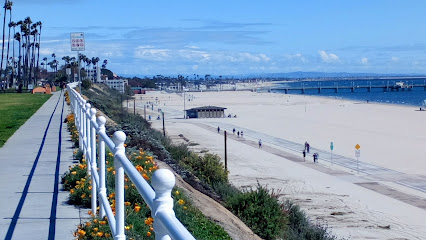
Terrace Plaza
1.6 km
Discover the lush beauty and serene ocean views at Terrace Plaza, a tranquil urban oasis in downtown Long Beach, California.
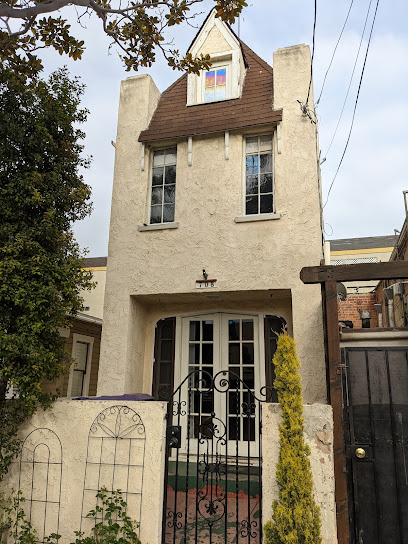
Skinniest House In America
1.7 km
Explore the fascinating Skinniest House in America, a unique architectural gem in Long Beach, California, rich in history and charm.
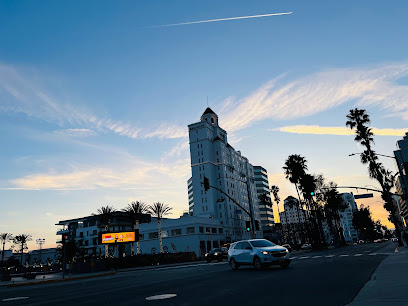
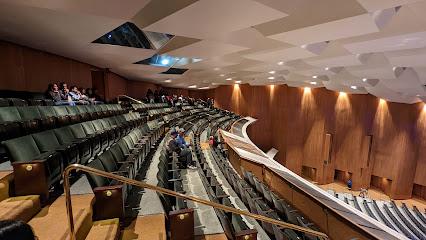
Terrace Theater, Long Beach Performing Arts Center
1.8 km
Discover the vibrant world of performing arts at the Terrace Theater, Long Beach’s cultural gem featuring exceptional performances in an iconic venue.
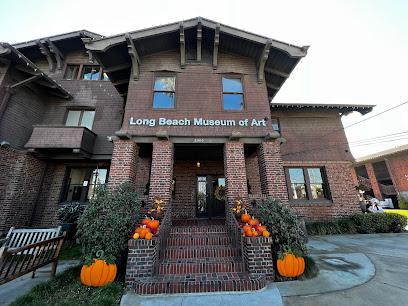
Long Beach Museum of Art
1.8 km
Explore the exquisite collection and stunning views at the Long Beach Museum of Art, a cultural gem along California's coast.
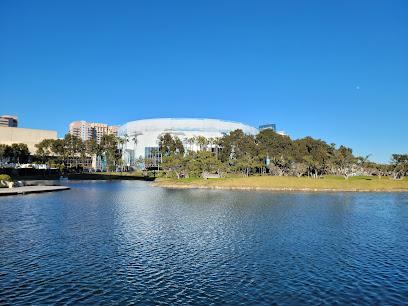
Rainbow Lagoon Park
1.9 km
Experience the tranquility and beauty of Rainbow Lagoon Park, a lush retreat in Long Beach, California, perfect for relaxation and outdoor activities.
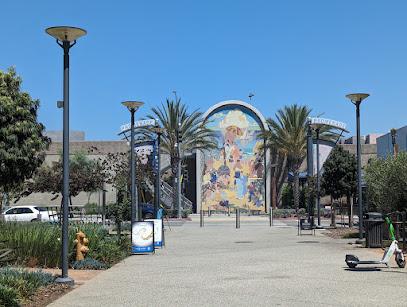
Promenade
1.9 km
Explore the dynamic Promenade in Long Beach, where coastal charm meets vibrant urban culture, perfect for shopping, dining, and entertainment.
Essential places to dine

Seabirds Kitchen
0.6 km
Discover the flavors of plant-based dining at Seabirds Kitchen in Long Beach—where every bite is a celebration of vegan cuisine.
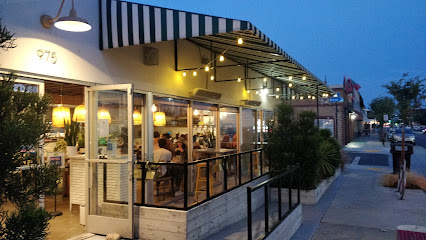
Chez Bacchus
0.8 km
Experience authentic American cuisine at Chez Bacchus in Downtown Long Beach - where every meal is crafted with passion and served with warmth.
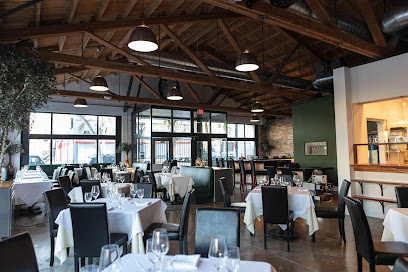
Sura Korean BBQ & Tofu House Restaurant - Long Beach
0.9 km
Discover authentic Korean flavors at Sura Korean BBQ & Tofu House in Long Beach - a must-visit destination for food lovers!
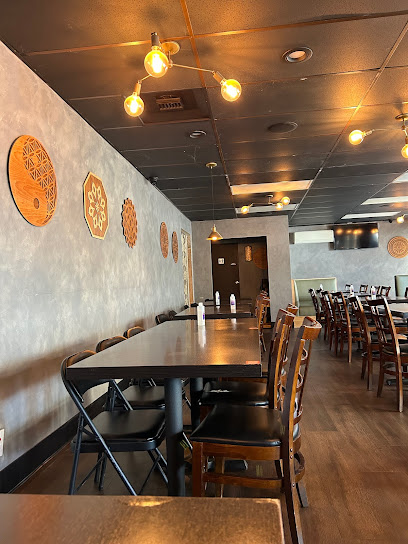
Pike Restaurant & Bar
0.9 km
Experience delicious grilled cuisine and lively entertainment at Pike Restaurant & Bar in Long Beach's 4th Street Corridor.
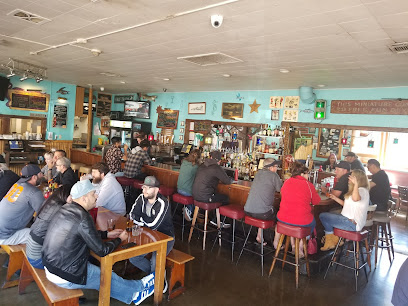
Heritage
0.9 km
Experience the flavors of California at Heritage in Long Beach - where every meal tells a story.
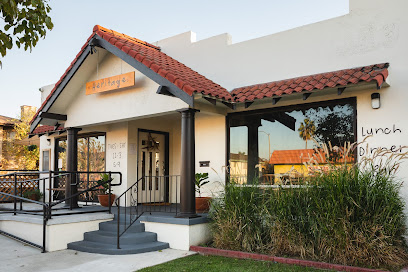
Ellie's
1.0 km
Experience authentic Italian cuisine at Ellie's in Long Beach - a must-visit dining destination for food lovers.
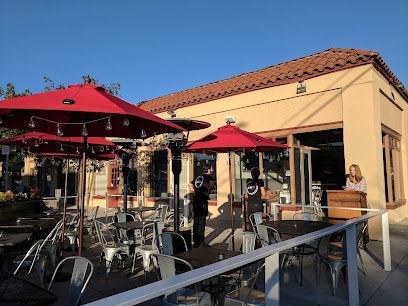
Kin long beach kitchen
1.0 km
Experience authentic Thai flavors at Kin Long Beach Kitchen in Downtown Long Beach – where culinary tradition meets modern dining.
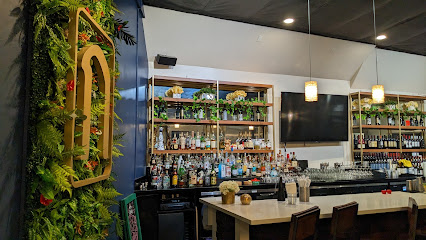
The Social List
1.0 km
Experience the flavors of California at The Social List - a premier dining destination in Long Beach featuring unique dishes, cocktails, and an inviting atmosphere.
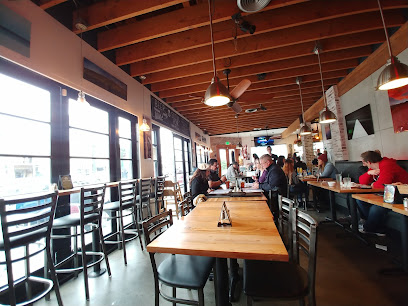
Padre
1.1 km
Discover exquisite flavors and crafted cocktails at Padre in Long Beach – where gastropub meets cocktail bar excellence.
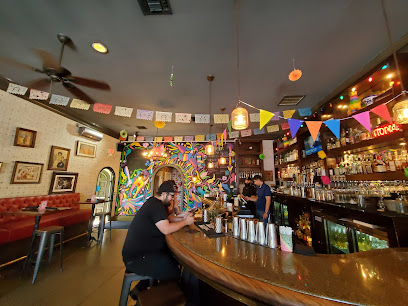
Thai District
1.3 km
Experience the vibrant flavors of Thailand at Long Beach's beloved Thai District Restaurant - where every dish tells a story.
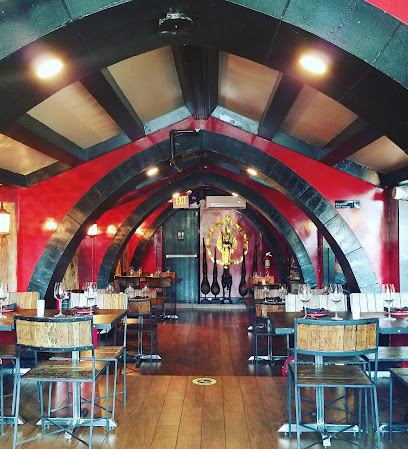
Bistro Bar
1.3 km
Experience delightful American cuisine at Bistro Bar in Downtown Long Beach - perfect for breakfast, brunch, and dinner with live entertainment.
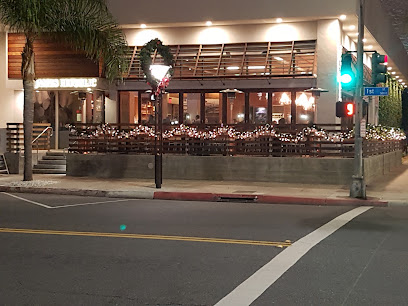
555 East American Steakhouse
1.4 km
Experience unparalleled dining at 555 East American Steakhouse in Long Beach - where every steak tells a story of quality and flavor.
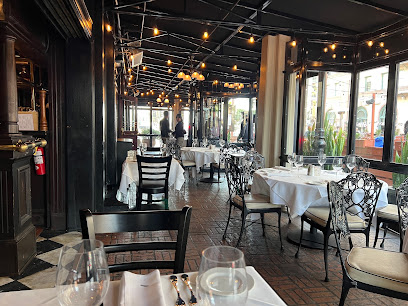
AMMATOLI
1.4 km
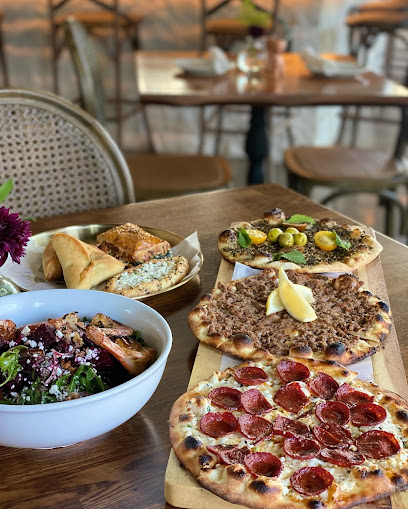
Discover authentic Mediterranean flavors at Amatoli, where every dish tells a story from the heart of Middle Eastern cuisine.
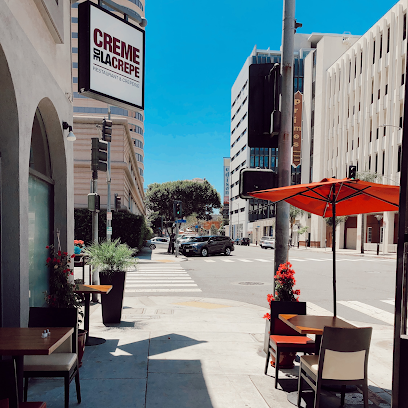
Creme De La Crepe Long Beach
1.4 km
Experience the best of French cuisine at Creme De La Crepe Long Beach - where sweet meets savory in delicious harmony.
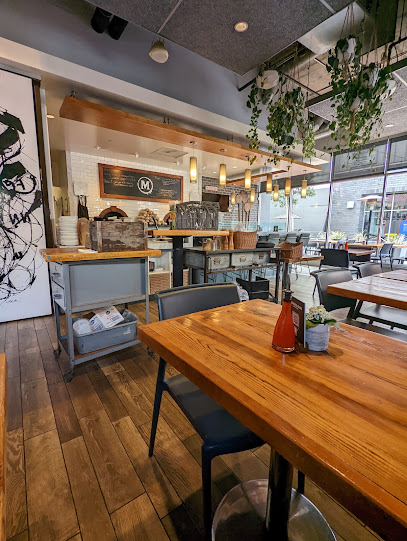
Michael's Downtown
1.5 km
Experience authentic Italian cuisine in the heart of Long Beach at Michael's Downtown - where tradition meets flavor.
Markets, malls and hidden boutiques

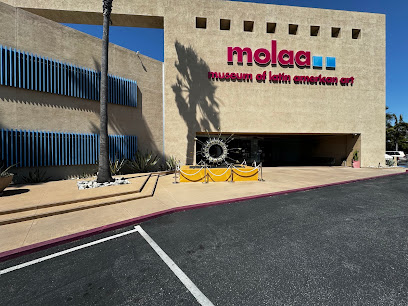
MOLAA Museum Store
0.4 km
Explore the vibrant MOLAA Museum Store for unique gifts and art inspired by Latin American culture, perfect for tourists and art lovers alike.
Native Sol
1.0 km
Explore Native Sol in Long Beach, a unique women's clothing boutique blending style with wellness in a vibrant community setting.
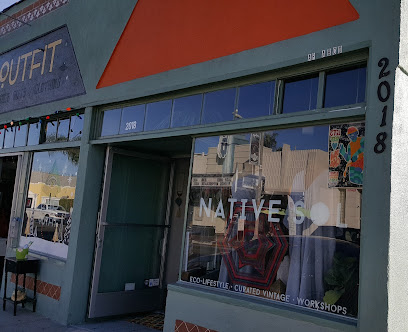
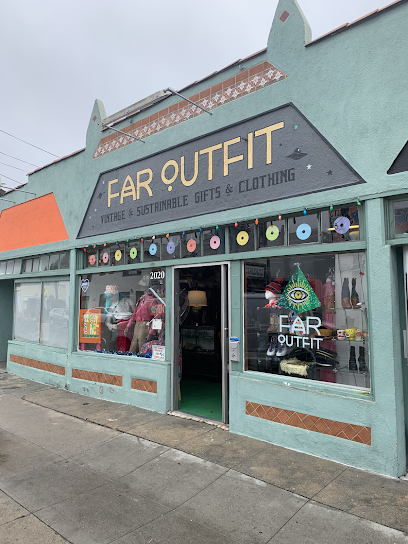
Far Outfit
1.0 km
Discover a unique vintage clothing experience at Far Outfit in Long Beach, where retro styles meet a welcoming atmosphere for all fashion lovers.
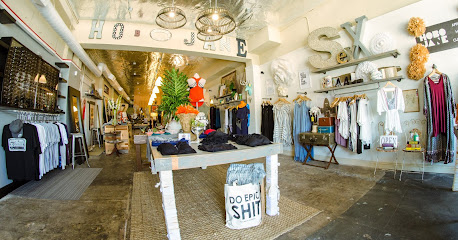
Hobo Jane Boutique
1.1 km
Discover the charm of Hobo Jane Boutique in Long Beach, CA, where unique women's fashion meets personalized service in a stylish atmosphere.
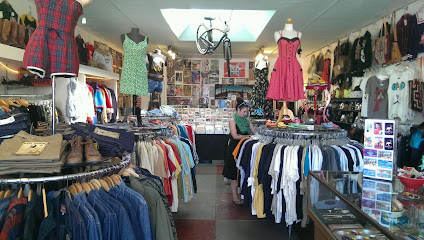
Liberty Vintage
1.1 km
Discover unique vintage clothing and accessories at Liberty Vintage, a charming store in Long Beach's 4th Street Corridor.
Old Gold Vintage Boutique
1.1 km
Explore unique vintage clothing and accessories at Old Gold Vintage Boutique in Long Beach, where every piece has a story waiting to be discovered.
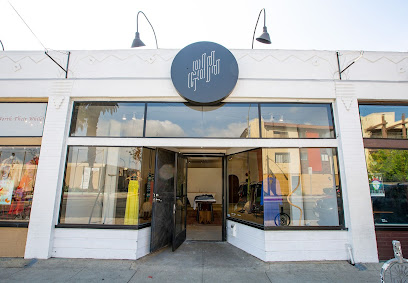
Meow
1.2 km
Explore Meow Vintage Clothing Store in Long Beach for unique fashion finds that reflect timeless style and nostalgia.
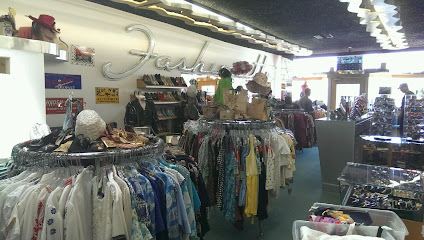
Sneaky Tiki Boutique
1.2 km
Explore Sneaky Tiki Boutique in Long Beach for vibrant Hawaiian fashion and unique souvenirs that bring the island spirit to your wardrobe.
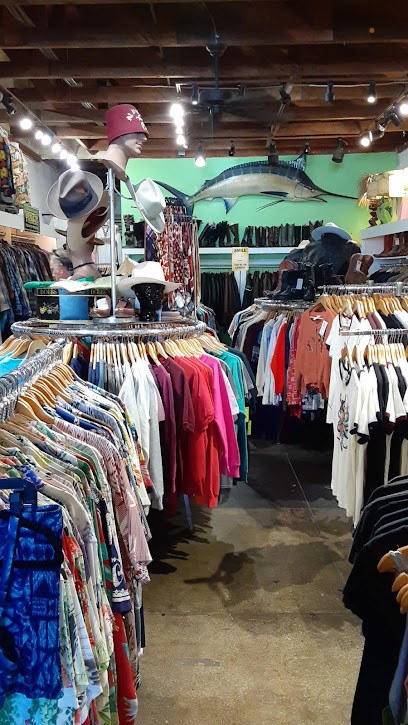
ReCircle Home
1.2 km
Explore ReCircle Home in Long Beach for unique gifts and metaphysical supplies, perfect for tourists seeking memorable treasures.
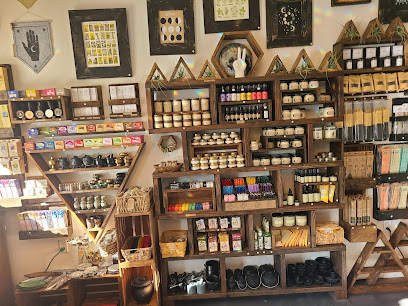
Songbird
1.2 km
Explore Songbird, Long Beach’s charming gift shop, for unique treasures and memorable souvenirs that reflect the spirit of the city.
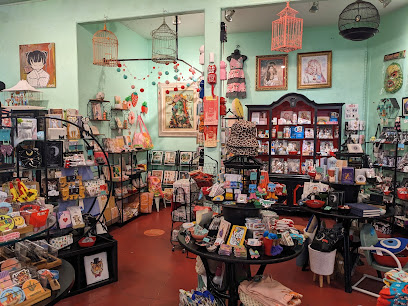
Burke Mercantile
1.3 km
Explore Burke Mercantile in Long Beach for unique gifts, stylish women's clothing, and charming home goods that capture the essence of California.
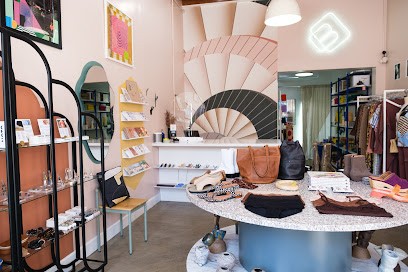
City Place Shopping Center
1.4 km
Shop, dine, and unwind at City Place Shopping Center, the heart of retail and culinary delights in Long Beach, California.
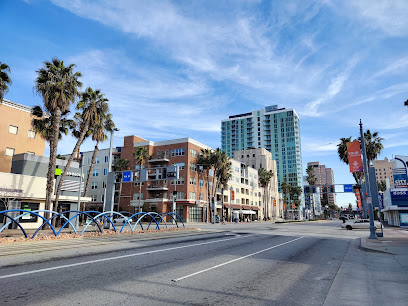
ANNEISE
1.4 km
Explore Anneise, a chic women's clothing boutique in Long Beach, offering unique fashion, stylish jewelry, and artisanal soaps for the discerning traveler.
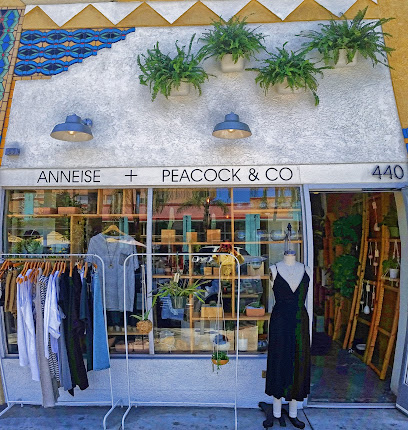
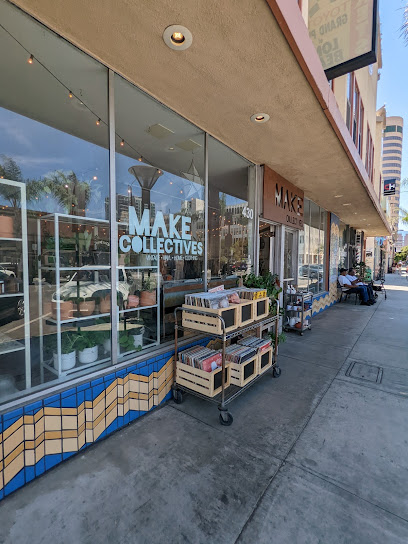
MAKE Collectives
1.4 km
Explore unique fashion and home goods at MAKE Collectives in Downtown Long Beach, where creativity meets style in a welcoming boutique environment.
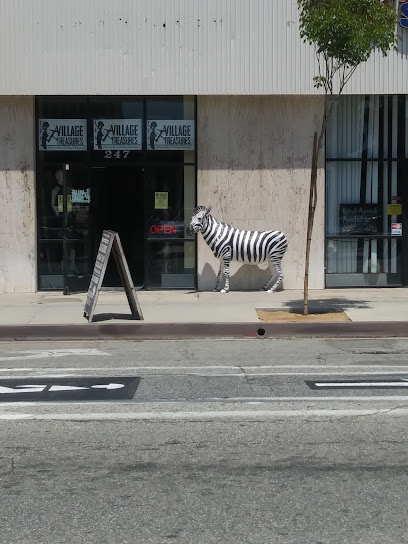
Village Treasures
1.5 km
Explore Village Treasures in Downtown Long Beach: A gift shop packed with unique and locally crafted items for every occasion.
Essential bars & hidden hideouts

Baby Gee
0.5 km
Experience the lively spirit and unique cocktails at Baby Gee, a must-visit bar in Long Beach, California for all travelers.
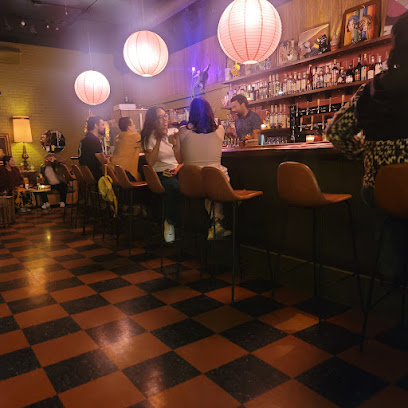
The Stache Bar
0.7 km
Discover the vibrant atmosphere and delicious grilled cuisine at The Stache Bar, a must-visit hotspot in Long Beach, California.
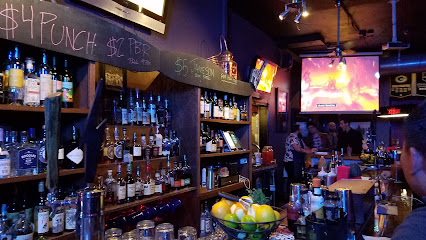
Sweetwater Saloon
0.9 km
Experience the lively atmosphere and eclectic cocktails at Sweetwater Saloon, a must-visit cocktail bar in Long Beach, California.
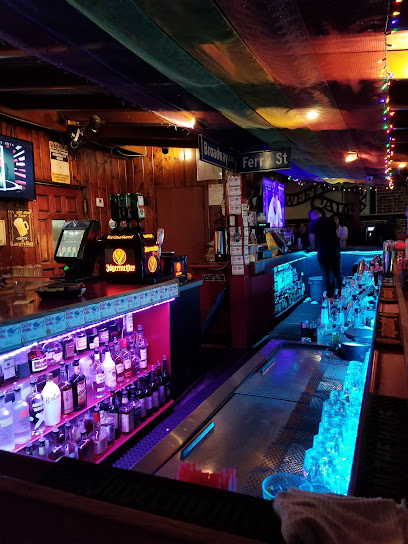
Mezcalero
1.2 km
Discover the vibrant mezcal scene at Mezcalero Bar in Long Beach, where colorful drinks and delicious tacos create an unforgettable experience.
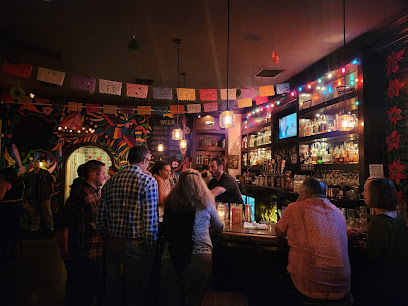
House of Hayden
1.4 km
Discover the vibrant House of Hayden in Long Beach, where cocktails and pool games create unforgettable nightlife experiences.
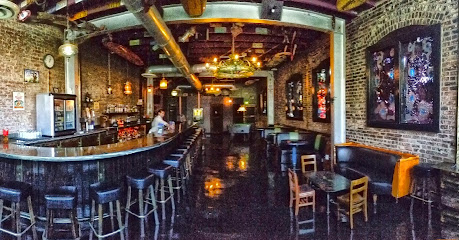
Congregation Brewery & Cocina - Long Beach
1.6 km
Discover the perfect blend of craft beer and American-Mexican cuisine at Congregation Brewery & Cocina in Long Beach, CA.
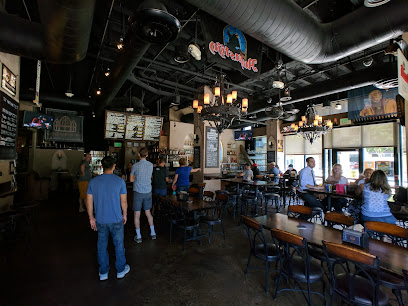
The Grasshopper
1.6 km
Experience the lively atmosphere and innovative cocktails at The Grasshopper, Long Beach's must-visit cocktail bar for an unforgettable night out.
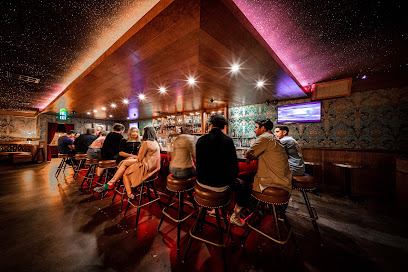
The Stave Bar
1.6 km
Discover the vibrant ambiance and delicious flavors at The Stave Bar in Long Beach, where craft drinks and tasty dishes await.
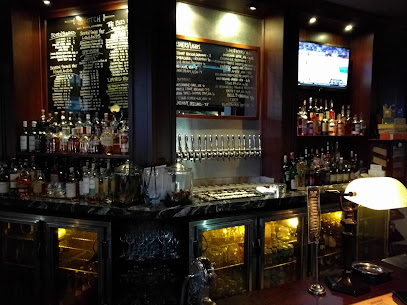
R Bar
1.7 km
Experience the vibrant nightlife at R Bar in Long Beach, where innovative cocktails and live entertainment create unforgettable memories.
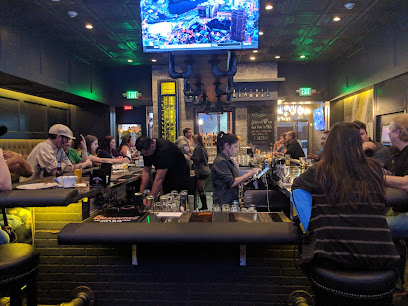
Joe Jost's
1.8 km
Experience the vibrant atmosphere and local flavors at Joe Jost's, a historic bar and restaurant in Long Beach, California.
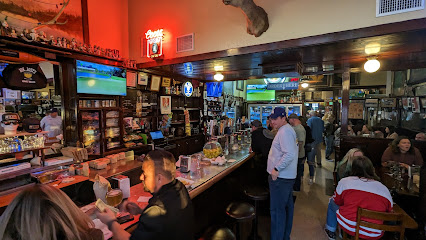
The Hawk
2.0 km
Discover The Hawk, Long Beach's vibrant cocktail bar, where expertly crafted drinks meet a friendly atmosphere at affordable prices.
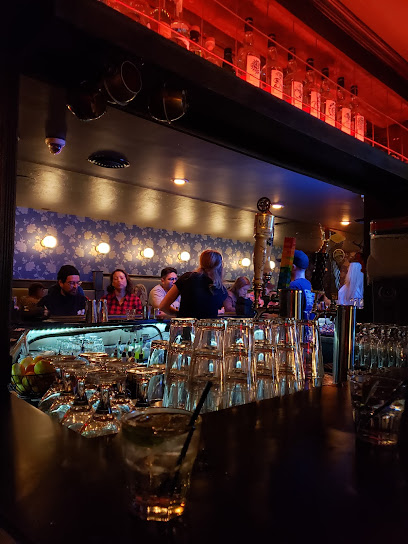
The Good Bar
2.2 km
Experience the vibrant atmosphere of The Good Bar in Long Beach, where delicious vegetarian cuisine meets great drinks and lively karaoke nights.
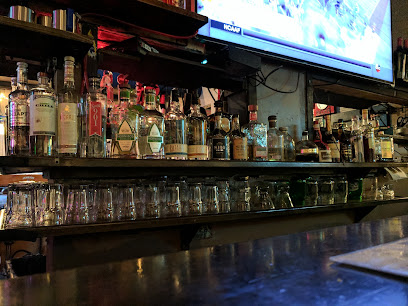
The Bamboo Club
2.4 km
Discover the tropical paradise of The Bamboo Club in Long Beach, where vibrant flavors and a lively atmosphere create unforgettable dining experiences.
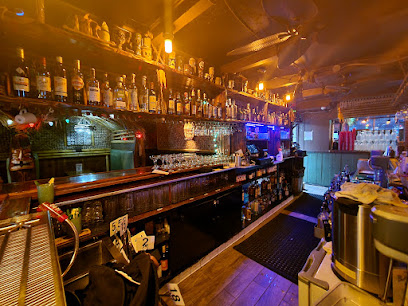
Reno Room
2.6 km
Discover Reno Room, Long Beach's vibrant cocktail bar, offering handcrafted drinks, a lively atmosphere, and friendly competition at the pool table.
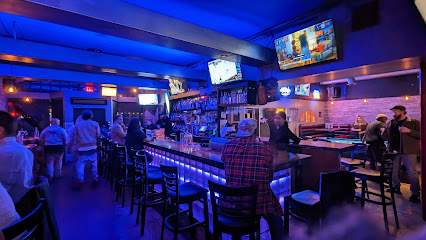
Observation Bar
2.9 km
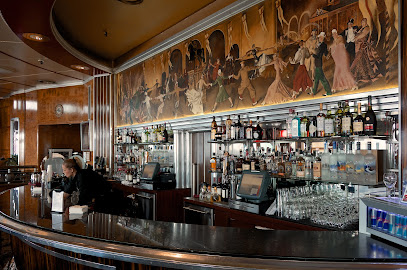
Experience the vibrant atmosphere and exquisite cocktails at the Observation Bar aboard the historic Queen Mary in Long Beach.