

Sangkat Svay Por (Battambang) Travel Guide - Free
Explore Sangkat Svay Por in Battambang with Evendo's free guide. Find the best shops, historic streets, restaurants, and gems on web or mobile.


Sangkat Svay Por in Battambang, Cambodia, pairs French-era streets, Psar Nat market, river walks, Khmer temples and the city’s relaxed arts scene.
Colonial Streets and River Life
Sangkat Svay Por occupies much of central Battambang, where the city’s commercial life, historic architecture and riverside public spaces come together around the Sangker River. Its streets are compact enough to explore on foot, with shaded pavements, low-rise shop houses and older buildings bearing the restrained lines of French-era Indochinese architecture. The area feels lived-in rather than staged: market traders unload produce, residents pause at cafés and monks move between nearby pagodas.Read more about Sangkat Svay Por
Markets, Temples and Everyday Culture
A Base for Exploring Battambang
Best attractions in Sangkat Svay Por
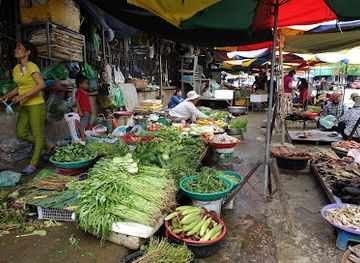
Sangkat Svay Por’s principal attractions are concentrated within a walkable central area. Psar Nat, the city’s landmark market, is both a practical shopping hall and an absorbing place to observe Battambang’s daily food trade, with fresh produce, snacks and household goods arranged around its distinctive market building. Nearby streets retain rows of low-rise colonial-era and Sino-Khmer shop houses, while the Sangker River provides a slower route past bridges, trees and public spaces. The Battambang Provincial Museum offers archaeological and historical context for the province, subject to changing opening arrangements, and local pagodas such as Wat Kampheng introduce visitors to living Buddhist architecture and religious life. Small galleries, cafés and creative venues are scattered through the central streets rather than gathered in one formal arts district. Attractions beyond Svay Por, including rural temples and Phnom Sampeau, can be reached by road but should be described as wider Battambang excursions.
-
Place of worship
Ta Dumbong Kro Nhong
Discover the tranquil beauty of Ta Dumbong Kro Nhong, a captivating temple in Battambang that showcases Cambodia's rich spiritual and cultural heritage.
6 min drive · 1.9 km from neighbourhood centre
-
Museum
National Museum
Discover Khmer heritage at Battambang's National Museum, showcasing artifacts from the Angkorian and pre-Angkorian eras.
14 min walk · 1.1 km from neighbourhood centre
-
Museum
Mrs. Bun Roeung’s Ancient House
Experience the rich heritage and architectural beauty of Cambodia at Mrs. Bun Roeung’s Ancient House in Battambang.
6 min drive · 2.1 km from neighbourhood centre
-
Buddhist temple
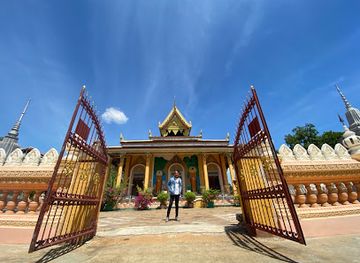
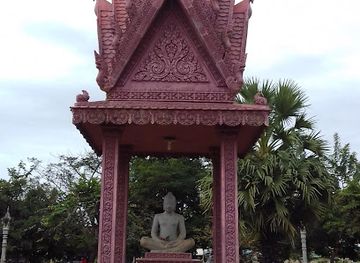
Wat Kandal
Discover Wat Kandal in Battambang: A serene Buddhist temple blending Khmer and Thai architecture, offering a tranquil escape into Cambodia's spiritual heart.
5 min drive · 1.6 km from neighbourhood centre
Best landmarks in Sangkat Svay Por
Psar Nat is the most legible landmark in Sangkat Svay Por, its substantial market structure anchoring the central commercial district and serving as a meeting point for residents and visitors. Around it, rows of shophouses show how trade, domestic life and small-scale enterprise have occupied the same narrow urban plots for generations; their façades combine colonial-period planning with later Khmer and Chinese-Cambodian adaptations. The Sangker River is another defining physical feature, shaping the neighbourhood’s orientation and public life even where the embankment is informal. Wat Kampheng and other central pagodas are living religious compounds rather than museum pieces, marked by gateways, halls and shaded grounds. The provincial museum is significant for documenting the wider region’s past, while the streets linking these places reveal the layered, low-rise character of Battambang’s historic core.
-
Place of worship
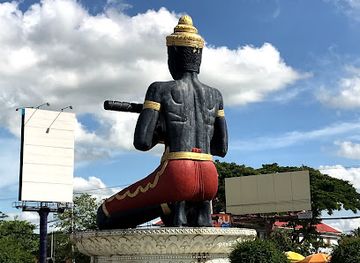
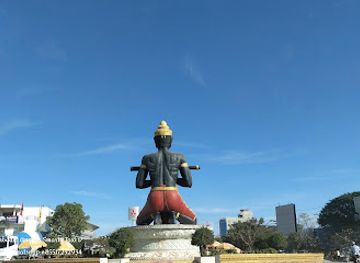
Ta Dumbong Kro Nhong
Discover the legend of Ta Dumbong Kro Nhong, a guardian spirit and iconic landmark in the heart of Battambang, Cambodia.
6 min drive · 1.9 km from neighbourhood centre
-
Museum
National Museum
Discover Khmer heritage at Battambang's National Museum, showcasing Angkorian artifacts and historical relics in a captivating cultural experience.
14 min walk · 1.1 km from neighbourhood centre
-
Museum
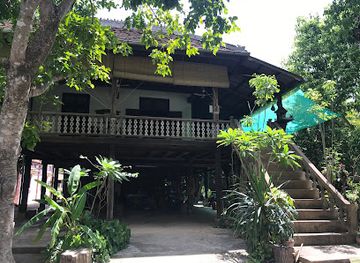
Mrs. Bun Roeung’s Ancient House
Discover traditional Khmer architecture at Mrs. Bun Roeung's Ancient House in Battambang, a beautifully preserved heritage home from the 1920s.
6 min drive · 2.1 km from neighbourhood centre
-
Buddhist temple
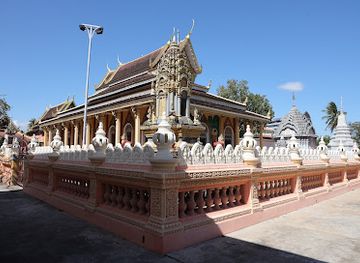
Wat Kandal
Discover Wat Kandal in Battambang: A serene Buddhist temple blending Khmer and Thai architecture, offering a tranquil escape into Cambodia's spiritual heart.
5 min drive · 1.6 km from neighbourhood centre
Explore Sangkat Svay Por on the map
A handpicked selection of must-see spots in Sangkat Svay Por, mapped for you.
Best hotels in Sangkat Svay Por
Best restaurants in Sangkat Svay Por
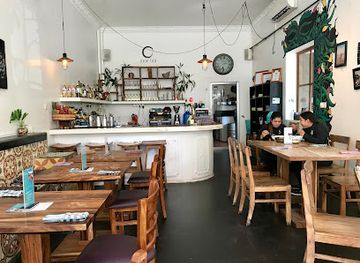
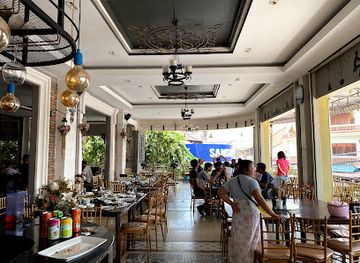
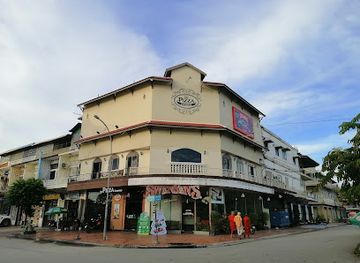
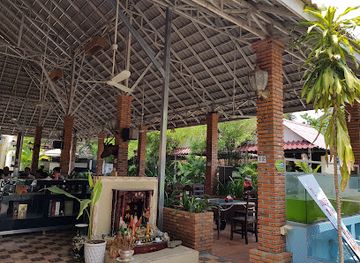
Dining in Sangkat Svay Por is closely tied to the market and the riverfront rather than to a single restaurant quarter. Around Psar Nat, visitors can find Khmer breakfasts, rice and noodle dishes, grilled snacks, fruit drinks and cakes, while small family-run eateries serve straightforward meals for local residents. Cambodian staples such as fish-based soups, fried rice, noodles and fresh herbs appear alongside Chinese-influenced shop-house cooking, reflecting Battambang’s long commercial history. Cafés and bakeries in the central streets offer coffee, light meals and cooler spaces during the hottest part of the day, and riverside establishments provide a more leisurely setting in the evening. Menus and opening patterns vary, so the market is often the best place to see what is actively being prepared. Vegetarian choices exist but may require clear explanation, particularly where fish sauce or meat stock is used.
-
Restaurant
Jaan Bai Restaurant
Discover authentic Cambodian flavors at Jaan Bai Restaurant in Battambang - a culinary experience blending tradition with innovation.
5 min drive · 1.7 km from neighbourhood centre
-
Restaurant
White Rose Restaurant
Experience authentic Cambodian cuisine at White Rose Restaurant in Krong Battambang – where every dish tells a story.
18 min walk · 1.5 km from neighbourhood centre
-
Restaurant
The Pizza Company - Battambang
Experience the best pizza in Battambang at The Pizza Company – where tradition meets taste!
6 min drive · 2.0 km from neighbourhood centre
-
Restaurant
Reatrey Battambang Restaurant
Discover authentic Cambodian cuisine at Reatrey Battambang Restaurant in Krong Battambang, where tradition meets flavor in every dish.
11 min walk · 0.9 km from neighbourhood centre
Best bars in Sangkat Svay Por
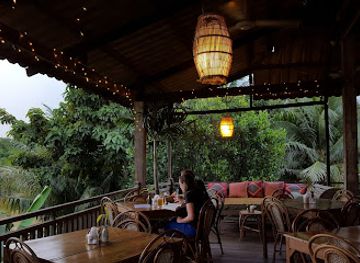
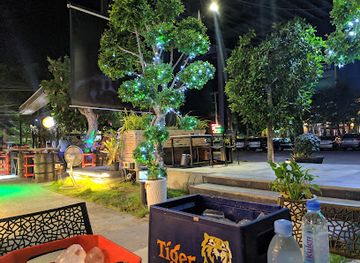
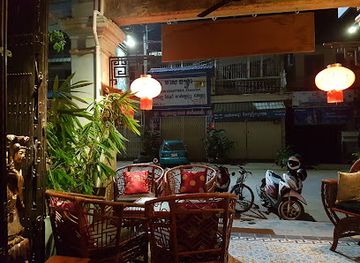
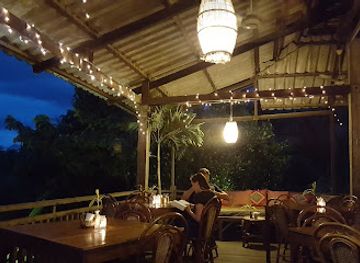
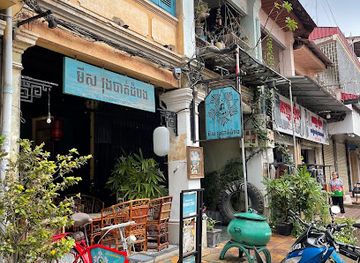
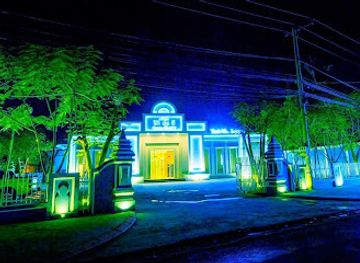
Nightlife in Sangkat Svay Por is modest and social rather than centred on large clubs. After sunset, cafés, restaurants and casual bars around the central streets and near the Sangker River provide places for drinks, conversation and occasional music, while the market area gradually becomes quieter. Battambang’s creative reputation also supports a small evening circuit of cultural performances and informal arts events, although programmes and venues can change. The neighbourhood is better suited to a relaxed meal, riverside drink or stroll through the illuminated centre than to a late-night clubbing itinerary. Visitors should remember that many surrounding streets are residential, keep voices and music low when leaving venues, and arrange a tuk-tuk or remork-moto if travelling back from a destination outside the central area.
-
Bar
The Balcony
Discover the vibrant nightlife and delicious flavors at The Balcony, Krong Battambang's top bar and restaurant for tourists and locals alike.
13 min walk · 1.1 km from neighbourhood centre
-
Pub
The SHARX Pub
Discover the vibrant atmosphere of The SHARX Pub in Krong Battambang, where local flavors and lively entertainment await every visitor.
11 min walk · 0.8 km from neighbourhood centre
-
Cocktail bar
Miss Wong Battambang
Discover Miss Wong Battambang, a stylish cocktail bar offering a vibrant atmosphere and innovative drinks in the heart of Cambodia.
5 min drive · 1.7 km from neighbourhood centre
-
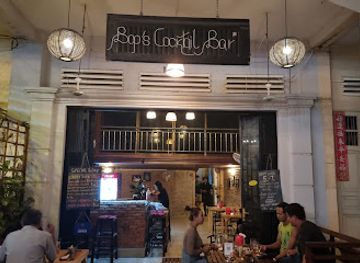
Bar
Bop's Cocktail Bar
Experience the vibrant nightlife at Bop's Cocktail Bar in Krong Battambang, where exceptional cocktails and local hospitality await you.
5 min drive · 1.7 km from neighbourhood centre
Best nightclubs in Sangkat Svay Por
Nightlife in Sangkat Svay Por is modest and social rather than centred on large clubs. After sunset, cafés, restaurants and casual bars around the central streets and near the Sangker River provide places for drinks, conversation and occasional music, while the market area gradually becomes quieter. Battambang’s creative reputation also supports a small evening circuit of cultural performances and informal arts events, although programmes and venues can change. The neighbourhood is better suited to a relaxed meal, riverside drink or stroll through the illuminated centre than to a late-night clubbing itinerary. Visitors should remember that many surrounding streets are residential, keep voices and music low when leaving venues, and arrange a tuk-tuk or remork-moto if travelling back from a destination outside the central area.
-
Bar
The Balcony
Experience the vibrant nightlife at The Balcony in Battambang, where delicious food and refreshing drinks meet an electric atmosphere.
13 min walk · 1.1 km from neighbourhood centre
-
Cocktail bar
Miss Wong Battambang
Experience the vibrant nightlife of Krong Battambang at Miss Wong, a cocktail bar that promises expertly crafted drinks and a lively atmosphere.
5 min drive · 1.7 km from neighbourhood centre
-
Karaoke bar
C’est La Vie KTV
Experience the joy of singing at C’est La Vie KTV, a top karaoke bar in Krong Battambang offering a vibrant atmosphere and great song selection.
12 min walk · 1.0 km from neighbourhood centre
-
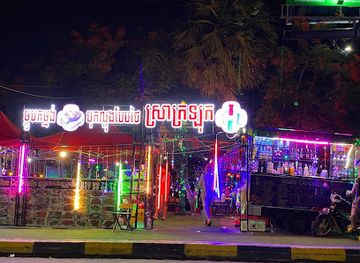
Bar
ស្រាក្រឡុកជាប់គុលស្ពានថ្មថ្មី
Immerse yourself in the vibrant nightlife of Krong Battambang at ស្រាក្រឡុកជាប់គុលស្ពានថ្មថ្មី, where fun meets local culture.
7 min drive · 2.3 km from neighbourhood centre
Best shops in Sangkat Svay Por
Shopping in Sangkat Svay Por is centred on Psar Nat and the surrounding streets, where the emphasis is on daily commerce rather than a specialised luxury retail scene. The market brings together vegetables, fish, fruit, prepared food, spices, clothing, household goods and small practical purchases, giving visitors a direct view of how the city is supplied. Independent grocers, bakeries, cafés, pharmacies and family-run shops fill the older shophouses around the centre, while small boutiques and craft-oriented businesses appear among the more functional retailers. The best souvenirs are often modest Cambodian food products, handmade items or locally designed objects, but stock varies and visitors should distinguish established shops from temporary stalls. Bargaining is sometimes possible in informal settings, though fixed prices are common in many businesses. The neighbourhood’s appeal lies in its working market culture and mixed-use streets rather than a concentrated designer shopping district.
-
Market
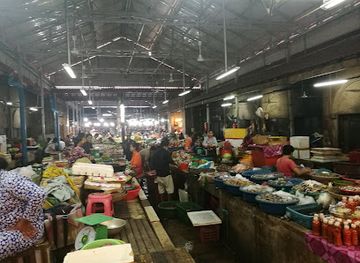
Battambang Central Market
Explore Battambang Central Market: A vibrant marketplace brimming with local produce, crafts, and the rich culture of Cambodia.
5 min drive · 1.8 km from neighbourhood centre
-
Supermarket
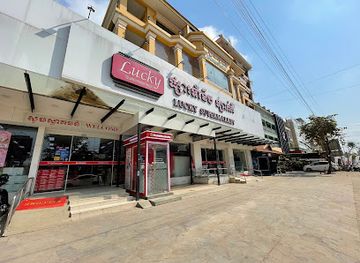
Lucky Supermarket Battambang
Explore the vibrant offerings of Lucky Supermarket Battambang, where local culture meets convenience in a colorful shopping experience.
7 min drive · 2.2 km from neighbourhood centre
-
Shopping mall
Borey Thmey Mall
Experience the vibrant shopping scene at Borey Thmey Mall in Battambang, where local culture meets modern retail.
9 min walk · 0.7 km from neighbourhood centre
-
Grocery store
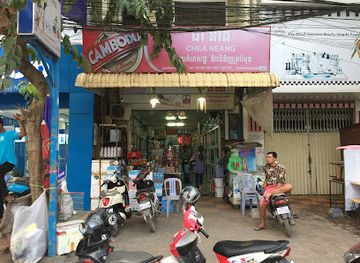
Chea Neang Drink Shop
Explore the vibrant flavors of Cambodia at Chea Neang Drink Shop, a must-visit grocery store in Krong Battambang for tourists seeking refreshment.
5 min drive · 1.7 km from neighbourhood centre
Sangkat Svay Por essentials
Getting There
Getting Around
Safety
Emergency Situations
Do's and Don'ts
Local Tips

From Eve
Local phrases worth knowing
You don't need to get them perfect. A few words go a long way, and locals appreciate the effort.
Basics
| English | Local | Say it |
|---|---|---|
| Hello | សួស្តី | [soo-sdai] |
| Goodbye | លាស់មុខ | [lao-muk] |
| Yes | បាទ/ព្រះ | [baat/preah] |
| No | ទេ | [te] |
| Please/You're welcome | សូម | [som] |
| Thank you | អរគុណ | [aw-kun] |
| Excuse me/Sorry | សូមអត់ | [som-ot] |
| How are you? | អ្នកសុខសប្បាយ? | [neak sok sabay?] |
| Fine. And you? | សុខសប្បាយ. អ្នកបងសុខសប្បាយ? | [sok sabay. neak bong sok sabay?] |
| Do you speak English? | តើអ្នកនៅទទួលភាសាអង់គ្លេសទេ? | [tean neak nai toot pheasa angkleh sey te?] |
| I don't understand | ខ្ញុំមិនឃើញ | [knhom min khern] |
Eating & Drinking
| English | Local | Say it |
|---|---|---|
| I'd like to see the menu, please | ខ្ញុំចង់មើលតារាងមួយចំណង់ | [knhom chong meul taarang moh chmoung] |
| I don't eat meat | ខ្ញុំមិនបិទសត្វ | [knhom min bate sat] |
| Cheers! | បងសុខសប្បាយ | [bong sok sabay] |
| I would like to pay, please | ខ្ញុំចង់បង់លុយចំណង់ | [knhom chong bong luoy chmoung] |
Emergencies
| English | Local | Say it |
|---|---|---|
| Help! | ជួប! | [choub] |
| Go away! | ទៅឆ្ងាញ់! | [tow chhnaah] |
| Call the Police! | ហាងបែកបានរដ្ឋបាល! | [haang baek ban rodthbal] |
| Call a doctor! | ហាងបែកបានវេជ្ជបណ្ឌ! | [haang baek ban vechakpand] |
| I'm lost | ខ្ញុំខុស | [knhom khus] |
| I'm ill | ខ្ញុំកិត | [knhom ket] |
Shopping
| English | Local | Say it |
|---|---|---|
| I'd like to buy... | ខ្ញុំចង់ទិញ... | [knhom chong toon...] |
| I'm just looking | ខ្ញុំតែមើលទៅ | [knhom tae meul tow] |
| How much is it? | តើនេះនឹងត្រូវប៉ុណ្ណា? | [te nih nung trov ponea?] |
| That's too expensive | នេះបានគិតធំពេក | [nih baneit thom pek] |
| Can you lower the price? | តើអ្នកអាចបង្កបូជាទំនិញបានទេ? | [te neak ach bong krob juet moun ban te?] |
Time & Numbers
| English | Local | Say it |
|---|---|---|
| What time is it? | ម៉ោងណា? | [maong naa?] |
| It's one o'clock | វេលាមួយ | [veilaa mohmouy] |
| Half past (10) | កន្លះ (១០) | [knlah (sip)] |
| Morning | ព្រឹក | [preuk] |
| Afternoon | ល្ងាច | [leangchah] |
| Evening | ល្ងាច | [leangchah] |
| Yesterday | ម្សិលមិញ | [msul min] |
| Today | ថ្ងៃនេះ | [tngai nih] |
| Tomorrow | ថ្ងៃស្អែ | [tngai sae] |
| 1 | ១ | [mouy] |
| 2 | ២ | [pii] |
| 3 | ៣ | [bei] |
| 4 | ៤ | [buon] |
| 5 | ៥ | [pram] |
| 6 | ៦ | [pram-muoy] |
| 7 | ៧ | [pram-pii] |
| 8 | ៨ | [pram-bei] |
| 9 | ៩ | [pram-buon] |
| 10 | ១០ | [dop] |
Transport & Directions
| English | Local | Say it |
|---|---|---|
| Where's a/the...? | តើ...នឹងនៅឯណើ? | [te... nung ney ahnam?] |
| What's the address? | អាសយដ្ឋអសយដ្ឋមួយជា? | [asiet astiet moh chmoung chea?] |
| Can you show me (on the map)? | តើអ្នកអាចបងបង្ហាបទដូងសេវានិងពិតមើលទាំងនេះទេ? | [te neak ach bong bonghah batung sewa ning put meul te?] |
| When's the next (bus)? | តើថ្ងៃណាហើយ? | [te tngai naa haeuy?] |
| A ticket (to ....) | សំណួរមួយ (ទៅ...) | [smondouy mohmouy (to...)] |
History of Sangkat Svay Por
A Settlement on the Sangker
The area now recognised as central Sangkat Svay Por developed beside the Sangker River, whose waterway supported movement, cultivation and trade across north-western Cambodia. Battambang’s wider region was governed for long periods through the Khmer kingdom of Oudong and later under Siamese influence, while the riverside settlement grew as a local administrative and commercial centre. The modern sangkat is an administrative division rather than a historic town with a single founding date, so its earliest story is best understood through Battambang’s river-based urban development and the buildings, markets and religious compounds that later consolidated around the centre.
Battambang under Siamese Rule
From 1794 to 1907, Battambang was administered by Siam, and the town formed part of a frontier political and trading zone linking western Cambodia with the Siamese realm. Local authorities, merchants and religious institutions shaped the settlement during this period, while river transport helped connect it with surrounding agricultural areas. Some surviving pagodas and older urban patterns recall this longer pre-French phase, although individual buildings should not automatically be assigned a precise date without specialist evidence. The commercial importance of the central area endured through these political changes.
French Urban Transformation
When Battambang returned to Cambodia in 1907, French administration introduced new bureaucratic systems and reshaped the town’s central streets, public buildings and commercial architecture. The low-rise façades, arcaded fronts and rectangular street pattern around the present-day centre reflect this period of urban modernisation, blended with local Khmer construction and later alterations. Central Svay Por became the setting for government activity, trade and everyday services, with the river remaining an important geographical reference. The resulting townscape is more modest than the grand colonial quarters of Phnom Penh, but its coherence gives Battambang much of its architectural character.
War, Disruption and Recovery
Battambang and its surrounding province experienced severe disruption during the Cambodian Civil War and the Khmer Rouge period, followed by years of insecurity and economic strain. Urban life in the central area was interrupted as institutions, families and trading networks were displaced or damaged. From the 1990s onwards, improved security and renewed commerce allowed the centre to recover as a provincial hub. Markets, schools, pagodas and small businesses again anchored daily life, while surviving colonial-era buildings became increasingly valued as part of Battambang’s local identity.
Heritage and Contemporary Culture
In the twenty-first century, central Battambang has combined ordinary commercial activity with growing interest in architectural conservation, visual arts and performance. The historic core around Psar Nat and the Sangker River has attracted cafés, galleries and visitor-oriented businesses without losing its role as a working town centre. Cultural organisations and artists have helped strengthen Battambang’s reputation for creative activity, while restoration and redevelopment remain ongoing rather than complete. Sangkat Svay Por therefore represents both a preserved urban landscape and a changing Cambodian provincial centre.
Sangkat Svay Por in Photos
Browse through our photo collection highlighting the charm and character of the destination.
Explore more

Explore more of Battambang
Battambang, Cambodia, blends Khmer heritage, French-era architecture, riverside life, creative arts, temple visits and countryside experiences in north-western Cambodia.
Explore Battambang