

Free Battambang Travel Guide & Mobile App
Plan your Battambang trip with Evendo. Get free guides to top attractions, restaurants, hotels, and bars. Web access or download the mobile app.


Battambang, Cambodia, blends Khmer heritage, French-era architecture, riverside life, creative arts, temple visits and countryside experiences in north-western Cambodia.
Riverside History and Architecture
Battambang lies in north-western Cambodia beside the slow-moving Sangker River, in one of the country’s most productive rice-growing regions. Its compact centre retains a graceful collection of French colonial and early modern Khmer buildings, especially along Street 1 and the riverfront, where faded façades, shuttered windows and old shop-houses reveal the city’s commercial past. Battambang is quieter than Phnom Penh or Siem Reap, allowing its markets, cafés, temples and neighbourhood streets to be explored at an unhurried pace.Read more about Battambang
Art, Temples and Local Life
Countryside and Ancient Sites
When is the best time to visit Battambang?
Best: December–February · 30°C| Month | High (°C) | Rainfall (mm) |
|---|---|---|
| January (best) | 30 | 1 |
| February (best) | 30 | 1 |
| March | 31 | 1 |
| April | 31 | 2 |
| May | 31 | 41 |
| June | 30 | 103 |
| July | 30 | 164 |
| August | 30 | 160 |
| September | 30 | 133 |
| October | 31 | 66 |
| November | 31 | 19 |
| December (best) | 30 | 2 |
Getting to and around Battambang
How to get there
Transportation
Best attractions in Battambang
Battambang’s attractions combine a walkable historic centre with rural and religious sites beyond it. Along the Sangker River, old shop-houses and colonial façades create an atmospheric setting for exploring on foot, while Psar Nat offers a lively view of local commerce and produce. Phare Ponleu Selpak, in nearby Anh Chanh village, brings together visual arts, circus and community education, giving the city a distinctive contemporary cultural dimension. Outside the centre, Wat Ek Phnom presents the remains of an Angkorian temple amid rice fields and village scenery. Phnom Sampeau rises from the plain south-west of Battambang, with pagodas, caves, viewpoints and memorial sites reached by a steep road and paths. The countryside around the city is also an attraction in its own right, revealing irrigation channels, palms, farms and settlements that explain Battambang’s enduring importance as an agricultural region.
-
Place of worship
Ta Dumbong Kro Nhong
Discover the legend of Ta Dumbong Kro Nhong in Battambang, a vibrant statue embodying Khmer folklore and local devotion.
5 min drive · 1.7 km from city centre
-
Buddhist temple
Ek Phnom Pagoda
Experience the serene beauty and spiritual essence of Ek Phnom Pagoda, a captivating Buddhist temple in Krong Battambang, Cambodia.
20 min drive · 6.8 km from city centre
-
Amusement center
Banon Bamboo Train
Discover the charming Banon Bamboo Train in Battambang, a unique adventure through Cambodia's stunning countryside, perfect for all ages.
38 min drive · 18 km from city centre
-
Tourist attraction
Romcheik 5 Artspace & Café
Explore the vibrant art scene at Romcheik 5 Artspace & Café in Battambang, where creativity meets relaxation in a cozy atmosphere.
9 min walk · 0.7 km from city centre


Best landmarks in Battambang
Battambang’s most recognisable landmarks express its layered Khmer, Siamese-era and French-period history. The old commercial streets beside the Sangker River contain narrow shophouses and civic buildings with colonial and Sino-Khmer influences, while Psar Nat remains a central marker of the city’s market life. Wat Kandal and other active pagodas connect the modern town with Cambodia’s continuing Buddhist traditions. Outside the urban centre, Wat Ek Phnom is an important Angkorian sandstone and laterite temple complex whose ruined sanctuary stands within a contemporary religious setting. Phnom Sampeau is both a natural landmark and a place of remembrance, with pagodas, caves and views across the plain. These sites are significant not only for their appearance but also for the way they embody Battambang’s religious life, agricultural setting and difficult twentieth-century history.
-
Tourist attraction
Bat Cave Phnom Sampov
Witness millions of bats take flight at dusk from Phnom Sampov's famous bat cave, a natural spectacle with a backdrop of Cambodian history.
34 min drive · 14 km from city centre
-
Historical landmark
Phnom Sampow Resort
Discover ancient temples, poignant memorials, and a breathtaking bat cave at Phnom Sampow, a mountain steeped in Cambodian history and natural beauty.
34 min drive · 14 km from city centre
-
Place of worship
Ta Dumbong Kro Nhong
Discover the legend of Ta Dumbong Kro Nhong in Battambang, a vibrant statue symbolizing courage, prosperity, and the heart of Cambodian culture.
5 min drive · 1.7 km from city centre
-
Restaurant
Jaan Bai Restaurant
Experience authentic Cambodian cuisine with a modern twist at Jaan Bai Restaurant, a social enterprise supporting local youth in Battambang.
2 min walk · 0.2 km from city centre


Explore Battambang on the map
Plan your Battambang trip on one map. See where the top attractions, landmarks, restaurants, bars and hotels are, find what's near where you're staying, and book hotels and experiences in a few clicks.
Neighbourhoods in Battambang

Swipe for more neighbourhoods
Best hotels in Battambang
Best restaurants in Battambang
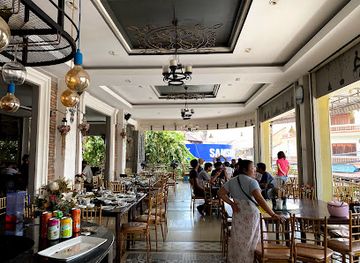
Battambang’s food culture reflects Cambodia’s rice-growing landscape, river produce and Khmer culinary traditions, with a modest but increasingly varied selection of restaurants, cafés and family-run eateries. Breakfast options commonly include kuy teav noodle soup, bai sach chrouk with grilled pork and rice, or num banh chok, rice noodles served with a fragrant fish-based gravy and fresh herbs. Khmer dishes using freshwater fish, prahok, coconut, lemongrass and Kampot pepper are widely encountered, while seasonal fruit and sugar-palm products connect the city’s tables to the surrounding countryside. The market area is useful for inexpensive snacks and everyday meals, and cafés around the central streets serve Cambodian drinks alongside Western-style coffee and food. Battambang’s dining scene is less formal than Phnom Penh’s, but its relaxed restaurants and produce-led cooking suit the city’s agricultural character.
-
Restaurant
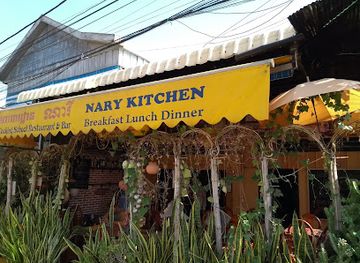
Nary Kitchen: Cooking school, restaurant, and bar
Discover authentic Khmer cuisine at Nary Kitchen in Battambang - where cooking meets culture in every delicious bite.
3 min walk · 0.2 km from city centre
-
Restaurant
Jaan Bai Restaurant
Discover authentic Cambodian flavors at Jaan Bai Restaurant in Battambang – where tradition meets modern culinary artistry.
2 min walk · 0.2 km from city centre
-
Restaurant
White Rose Restaurant
Discover authentic Cambodian flavors at White Rose Restaurant in Krong Battambang – where culinary tradition meets modern dining.
5 min walk · 0.4 km from city centre
-
Restaurant
La Pizza Battambang
Discover delicious Italian cuisine at La Pizza Battambang, where unique flavors and warm hospitality create unforgettable dining experiences.
4 min walk · 0.3 km from city centre


Best bars in Battambang
Battambang has a restrained evening scene rather than a large club circuit. The riverfront and central streets contain small bars, cafés and restaurants where visitors can spend the evening over Cambodian beer, cocktails or coffee, while low-key venues sometimes feature live music. The city’s most distinctive night-time cultural experience is a performance by Phare Ponleu Selpak, where circus, theatre, music and visual storytelling address Cambodian themes through the work of young artists. Local social life also gathers around food stalls and evening markets, particularly as the heat eases. Nightclubs exist on a smaller scale than in Phnom Penh or Siem Reap, and many venues are informal, so the atmosphere is generally better suited to conversation, performance and relaxed drinks than to an extended late-night circuit.
-
Bar
Bar Ang
Discover Bar Ang in Krong Battambang: a cozy bar and restaurant offering delicious local cuisine in a vibrant atmosphere, perfect for tourists.
14 min walk · 1.1 km from city centre
-
Bar
The Balcony
Experience the vibrant nightlife at The Balcony, a top bar and restaurant in Krong Battambang, where great food and live music meet.
5 min drive · 1.7 km from city centre
-
Pub
The SHARX Pub
Experience the vibrant nightlife at The SHARX Pub in Krong Battambang, where locals and tourists gather for refreshing drinks and a lively atmosphere.
13 min walk · 1.1 km from city centre
-
Cocktail bar
Miss Wong Battambang
Discover the enchanting Miss Wong Battambang, a cocktail bar where creative mixology meets the vibrant spirit of Cambodian nightlife.
3 min walk · 0.2 km from city centre


Best nightclubs in Battambang
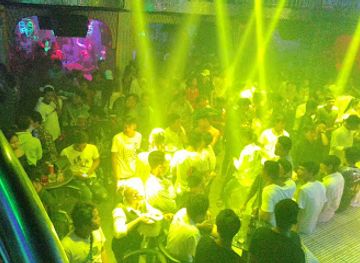
Battambang has a restrained evening scene rather than a large club circuit. The riverfront and central streets contain small bars, cafés and restaurants where visitors can spend the evening over Cambodian beer, cocktails or coffee, while low-key venues sometimes feature live music. The city’s most distinctive night-time cultural experience is a performance by Phare Ponleu Selpak, where circus, theatre, music and visual storytelling address Cambodian themes through the work of young artists. Local social life also gathers around food stalls and evening markets, particularly as the heat eases. Nightclubs exist on a smaller scale than in Phnom Penh or Siem Reap, and many venues are informal, so the atmosphere is generally better suited to conversation, performance and relaxed drinks than to an extended late-night circuit.
-
Night club
Star Light Club
Immerse yourself in the vibrant nightlife at Star Light Club in Krong Battambang, where music, dance, and culture unite for unforgettable experiences.
18 min walk · 1.4 km from city centre
-
Night club
パブストリート
Discover the electrifying nightlife of Pub Street in Krong Battambang, where music, dance, and culture come alive amidst a vibrant atmosphere.
5 min walk · 0.4 km from city centre
-
Night club
After School Pub
Discover the dynamic nightlife of Krong Battambang at After School Pub, where great music and fun vibes come together for an unforgettable experience.
13 min walk · 1.1 km from city centre
-
Night club
Idol KTV
Discover the excitement of Idol KTV, a top night club in Krong Battambang blending karaoke, music, and local culture for an unforgettable night out.
8 min drive · 2.8 km from city centre


Best shops in Battambang
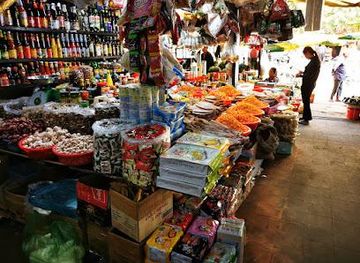
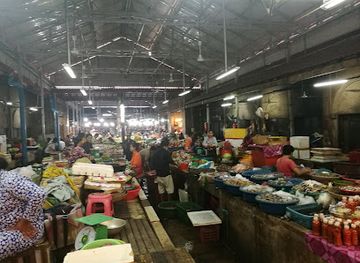
Shopping in Battambang centres on everyday Cambodian commerce, traditional food and small independent businesses rather than large-scale retail. Psar Nat, the city’s central market, sells vegetables, fruit, fish, clothing, household goods and prepared food, making it as much a place to observe local life as to buy souvenirs. Small shops and cafés around the old centre offer Cambodian snacks, coffee and practical goods, while rural excursions may reveal palm sugar, rice products, dried fruit and other produce from the surrounding farms. Visitors may also find locally made crafts and textiles through arts organisations and social enterprises, although stock and availability vary. Bargaining is customary in informal markets but should be conducted courteously. Contemporary boutiques and galleries are present in limited numbers, reflecting Battambang’s growing arts community without displacing its strongly local market culture.
-
Market
Battambang Central Market
Experience the vibrant local culture and flavors at Battambang Central Market, a must-visit destination for tourists in Cambodia.
1 min walk · 0.1 km from city centre
-
Shopping mall
Borey Thmey Mall
Experience shopping and dining in the heart of Krong Battambang at Borey Thmey Mall, where local culture meets modern convenience.
16 min walk · 1.2 km from city centre
-
Grocery store
Chea Neang Drink Shop
Explore the vibrant Chea Neang Drink Shop in Battambang, where authentic Cambodian drinks and snacks await to tantalize your taste buds.
3 min walk · 0.2 km from city centre
-
Gift shop
Hong Kong Shop(Battambang)
Explore the vibrant Hong Kong Shop in Battambang for unique gifts, toys, and local delights that reflect the essence of Cambodian culture.
3 min walk · 0.2 km from city centre


Get your free copy of our complete guide to Battambang, delivered straight to you.
Everything on this page, from attractions and restaurants to essentials and local phrases, in one PDF you can read offline, print or share.
Already have an account? Sign in
Your Battambang guide is ready.
We'll send it to · Not you? Sign out

Getting your guide ready…
We are putting together a fresh copy of the Battambang guide. This can take up to a minute.
This can take a few moments. If your browser asks, choose Allow so the download can start. You'll find the guide in your Downloads folder.
Nothing happened? Download it again
Sorry, the guide is taking longer than usual. Please try again in a minute, or get it by email instead.
Battambang essentials
Currency and Payment
Safety
Emergency Situations
Do's and Don'ts
Local Tips
From Eve
Local phrases worth knowing
You don't need to get them perfect. A few words go a long way, and locals appreciate the effort.
Basics
| English | Local | Say it |
|---|---|---|
| Hello | សួស្តី | [suo-sdei] |
| Goodbye | លាហើយ | [leah-heuy] |
| Yes | បាទ/បាទអី | [baat/baat ei] |
| No | ទេ | [te] |
| Please/You're welcome | សូម | [som] |
| Thank you | អរគុណ | [aw-kun] |
| Excuse me/Sorry | សូមទោស | [som-toh] |
| How are you? | អ្នកសួស្តីបង | [neak suo-sdei bong] |
| Fine. And you? | សង្ឃ. អង្គទេ? | [sangk ang-te?] |
| Do you speak English? | អ្នកនិយាយអង្គរវិលរៀនទេ? | [neak ney-ya ang-kar vil-rean te?] |
| I don't understand | ខ្ញុំមិនយល់ | [knhom min yol] |
Eating & Drinking
| English | Local | Say it |
|---|---|---|
| I'd like to see the menu, please | ខ្ញុំចង់មើលម៉ឺនូធុញសូម | [knhom chong meul menu tong som] |
| I don't eat meat | ខ្ញុំមិនបិក | [knhom min bek] |
| Cheers! | សូម | [chol mui] |
| I would like to pay, please | ខ្ញុំចង់បង់ប្រាក់សូម | [knhom chong bong braak som] |
Emergencies
| English | Local | Say it |
|---|---|---|
| Help! | ជួបជួន! | [choub choun] |
| Go away! | ទៅឆ្ងាត់! | [taw chngat] |
| Call the Police! | ហៅក្រសួង! | [haw kra-suo-ng] |
| Call a doctor! | ហៅវេជ្ជតា! | [haw vejjetah] |
| I'm lost | ខ្ញុំភ្លេច | [knhom plech] |
| I'm ill | ខ្ញុំខ្លះ | [knhom kloh] |
Shopping
| English | Local | Say it |
|---|---|---|
| I'd like to buy... | ខ្ញុំចង់ទិញ... | [knhom chong tuhun...] |
| I'm just looking | ខ្ញុំនៅមើល | [knhom now meul] |
| How much is it? | តើវ៉េខ្ញុំបញ្ចូលបានប៉ុន្មាន? | [te ve knhom bong-jol ban ponman?] |
| That's too expensive | ធាតុះថ្មល់ប៉ុន្មាន | [taat tham-loh ponman] |
| Can you lower the price? | តើអ្នកអាចបញ្ចូលតម្លៃបានប៉ុន្មាន? | [te neak ac bong-jol tamle ponman?] |
Time & Numbers
| English | Local | Say it |
|---|---|---|
| What time is it? | មេឌានថ្ងៃនេះ? | [mendan thngai ney?] |
| It's one o'clock | នេះគិតមួយ | [ney kit muoy] |
| Half past (10) | កន្លះទីលួខ | [knlah ti lu kaw] |
| Morning | ព្រឹក | [preuk] |
| Afternoon | ល្ងាច | [lngeach] |
| Evening | ល្ងាច | [lngeach] |
| Yesterday | ម្សិល | [mas] |
| Today | ថ្ងៃនេះ | [thngai ney] |
| Tomorrow | ថ្ងៃស្អែ | [thngai sae] |
| 1 | មួយ | [muoy] |
| 2 | ពីរ | [pii] |
| 3 | បី | [bei] |
| 4 | បួន | [buon] |
| 5 | ប្រា | [bra] |
| 6 | ត្រល់ | [tral] |
| 7 | បីត្រល់ | [bei tral] |
| 8 | បើក | [bek] |
| 9 | កណ្តឹ | [kandeu] |
| 10 | ដប់ | [dop] |
Transport & Directions
| English | Local | Say it |
|---|---|---|
| Where's a/the...? | នៅមាន... | [now man...] |
| What's the address? | អាសយដ្ឋានមួយម៉ាយណា? | [asity tan muoy mayna?] |
| Can you show me (on the map)? | តើអ្នកអាចបង់បានប៉ុន្មាន? | [te neak ac bong-jol tamle ponman?] |
| When's the next (bus)? | នៅពេលណាហើយ? | [now pel ney?] |
| A ticket (to ....) | សិក្ខបញ្ចូល (ទៅ ....) | [sok ban-jol (tuh ...)] |
History of Battambang
Early Settlement and Khmer Foundations
The landscape around Battambang has long supported settlement because the Sangker River and surrounding plains provide fertile soil, water and transport routes. The area formed part of the wider Khmer cultural world, reflected in the remains of Angkorian religious architecture at sites such as Wat Ek Phnom. Local tradition also connects the city’s name with Ta Dambong Kranhoung, a legendary black-stick bearer, although the story belongs to Cambodian folklore rather than securely documented urban foundation history. Battambang developed as a regional centre serving agricultural communities, with the river and rice economy shaping its importance long before the modern streets and civic buildings appeared.
Battambang Under Siamese Rule
From 1794 until 1907, Battambang was governed by Siam, as part of a wider zone in which political control over north-western Cambodian territories shifted between Siamese and Cambodian authorities. During this period, local rulers and officials administered a prosperous agricultural region whose rice, fish and forest products moved through river and overland networks. The town grew as an administrative and commercial centre, while Khmer communities continued their religious and cultural life in pagodas and rural settlements. This Siamese-era chapter helps explain why Battambang’s history cannot be separated from the changing frontier between Cambodia and Siam, now Thailand.
French Administration and Urban Change
The 1907 treaty between Siam and France returned Battambang to Cambodia within French Indochina. French administration brought new systems of taxation, surveying, roads and civic management, while the town’s role in rice production and trade expanded. The central streets acquired the restrained colonial and Sino-Khmer façades that remain among Battambang’s defining architectural features. The railway, constructed during the French period and later extended within Cambodia, strengthened connections with Phnom Penh and other parts of the country. Chinese and Khmer merchants contributed to the commercial life of the town, creating a layered urban culture still visible in shop-houses, markets and religious buildings.
War, Revolution and Displacement
Battambang experienced severe upheaval during the civil wars and political conflicts that affected Cambodia in the second half of the twentieth century. Under the Khmer Rouge regime from 1975 to 1979, the population was forcibly displaced, institutions were destroyed and many people from Battambang and its surrounding province died through execution, starvation, disease and overwork. Phnom Sampeau and other sites in the region are associated with this period of violence. The Vietnamese intervention that ended Khmer Rouge rule did not bring immediate stability; fighting continued in parts of the north-west for years, leaving communities divided and infrastructure badly damaged.
Reconstruction and Cultural Renewal
After the conflicts, Battambang gradually rebuilt its homes, markets, schools and transport links, with the surrounding agricultural economy continuing to underpin the city. The restoration and continued use of pagodas, the survival of colonial-era buildings and the return of commercial life gave the centre a distinctive sense of continuity. Since the late twentieth century, arts education and performance have become important parts of the city’s identity, particularly through Phare Ponleu Selpak. Tourism has brought greater attention to the riverfront, historic architecture, temples and rural landscape, while Battambang remains a working provincial capital rather than a city shaped solely around visitors.
Battambang in Photos
Browse through our photo collection highlighting the charm and character of the destination.
Cities near Battambang
The closest cities to Battambang, if you have time for more than one stop.
-
-

-

-

-


Swipe for more cities
Explore more

Explore more of Cambodia
Discover Cambodia: From the ancient wonders of Angkor Wat to the vibrant streets of Phnom Penh, immerse yourself in a land of history, culture, and natural beauty.
Explore Cambodia