

Prasat Sambor Prei Kuk, Kampong Thom Travel Guide
Discover Prasat Sambor Prei Kuk: An ancient capital with unique pre-Angkorian temples, intricate carvings, and serene forest surroundings. A UNESCO World Heritage Site.
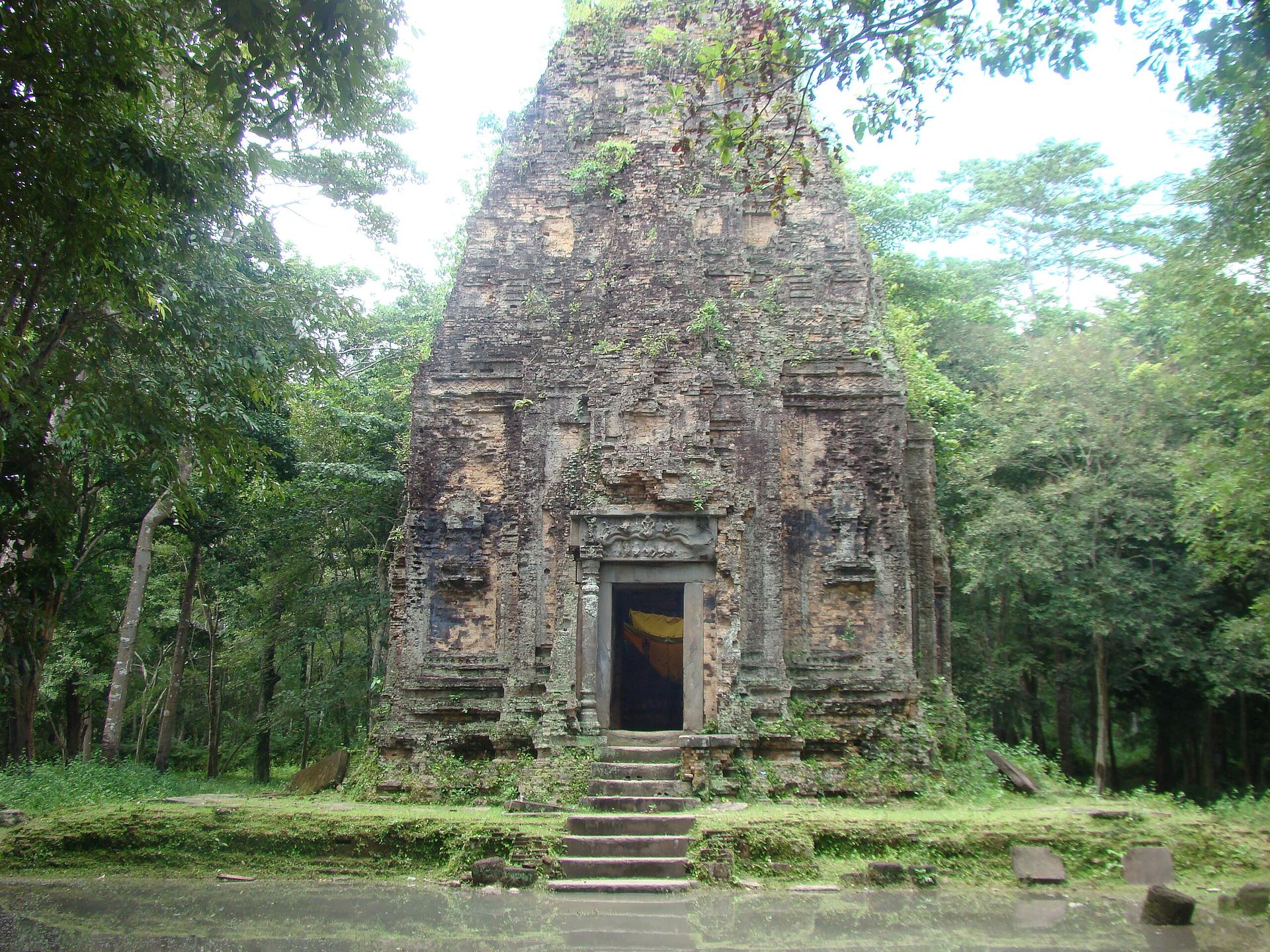
Explore Prasat Sambor Prei Kuk, a UNESCO World Heritage Site and a captivating pre-Angkorian temple complex in Cambodia. Dating back to the 6th-9th centuries, this ancient city, once known as Ishanapura and the capital of the Chenla Empire, features over a hundred brick temples scattered amidst a serene forest landscape.
A brief summary to Prasat Sambor Prei Kuk
- V2CV+C8G, Prasat Sambour District, KH
- Click to display
- Monday 7 am-5 pm
- Tuesday 7 am-5 pm
- Wednesday 7 am-5 pm
- Thursday 7 am-5 pm
- Friday 7 am-5 pm
- Saturday 7 am-5 pm
- Sunday 7 am-5 pm

Know before you go
Hi, I'm Eve. Here are a few practical things to know before exploring Prasat Sambor Prei Kuk.
- Wear comfortable shoes suitable for walking and climbing, as the temple complex is spread out over a large area.
- Dress respectfully, covering shoulders and knees, as Prasat Sambor Prei Kuk is a religious site.
- Visit during the dry season (October to April) for pleasant weather and minimal rain.
- Hire a local guide to gain deeper insights into the history, culture, and significance of the temple complex.
Do you manage this location?
Take control to get all the benefits, like improved information, better appearance, and stronger visibility across AI-powered discovery. Learn more about listing your business on Evendo
Activate your presenceOther nearby places you may find interesting
The closest places of the same kind, if this one is not quite what you had in mind.
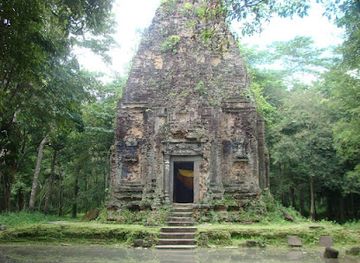
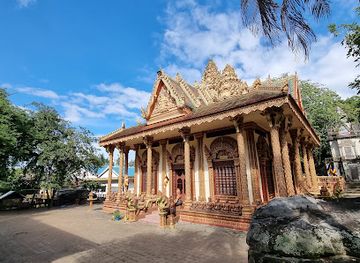
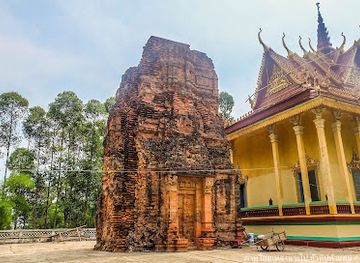
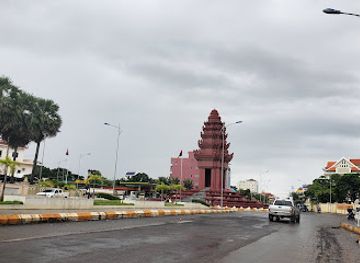
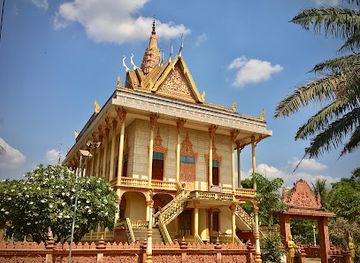
Explore Prasat Sambor Prei Kuk on the Map
A handpicked selection of must-see spots near Prasat Sambor Prei Kuk, mapped for you.
Unlock the Best of Prasat Sambor Prei Kuk
Buy tickets
-
No tickets available
Book tours with entry


Getting There
-
Road
From Kampong Thom, hire a tuk-tuk or taxi for the 30km journey north to Prasat Sambor Prei Kuk. A round-trip tuk-tuk ride will cost around $15 USD, or $20 USD if combined with a stop at Santuk Mountain. Confirm the price with the driver before departure.
-
Entrance Fee
Upon arrival at Prasat Sambor Prei Kuk, purchase a day pass at the ticket office near the entry to the site. The entrance fee is $10 USD per person for foreign visitors. Hiring a local guide costs an additional $6 USD.
Discover more about Prasat Sambor Prei Kuk













Your all‑in‑one travel companion app
Explore expert travel guides, compare and book tours, experiences, hotels, and more—all from the palm of your hand. Download now for seamless trip planning wherever your wanderlust takes you.


Explore More of Kampong Thom
Looking beyond Prasat Sambor Prei Kuk? Discover Kampong Thom for broader travel guides, local hot-spots, and regional highlights.
Explore Kampong Thom

