

Free Kampong Thom Travel Guide & Mobile App
Explore Kampong Thom with free travel guides. Discover regional history, expert tips, proposed trips, and audio guides on web or mobile app.


Kampong Thom combines Chenla temples, Angkorian heritage, river landscapes and rural Cambodian life between Phnom Penh and Siem Reap.
Read more about Kampong Thom
When is the best time to visit Kampong Thom?
Best: December–February · 30–31°C| Month | High (°C) | Rainfall (mm) |
|---|---|---|
| January (best) | 30 | 5 |
| February (best) | 31 | 7 |
| March | 32 | 10 |
| April | 34 | 50 |
| May | 34 | 100 |
| June | 32 | 200 |
| July | 32 | 200 |
| August | 32 | 200 |
| September | 32 | 200 |
| October | 31 | 100 |
| November | 31 | 50 |
| December (best) | 30 | 10 |
Getting to and around Kampong Thom
How to get there
Transportation
Top city travel guides in Kampong Thom
The cities of Kampong Thom, and the easiest places to base yourself.
-
-

-


Swipe for more cities
Destinations in Kampong Thom
Resorts, valleys and scenic spots worth a trip of their own.
-

-

-


Swipe for more destinations
Best attractions in Kampong Thom
Kampong Thom’s attractions are centred on archaeology, religious landscapes and the rural environment rather than a dense concentration of urban entertainment. Sambor Prei Kuk is the province’s principal cultural destination, with groups of pre-Angkorian brick sanctuaries distributed through woodland and connected by walking paths. The setting helps visitors understand the site as a former capital and sacred landscape rather than a single isolated monument. Phnom Santuk offers a different experience: a climb through a wooded hill to Buddhist shrines, pagodas and broad views over the agricultural plain. For experienced travellers with suitable transport and time, the remote remains of Preah Khan of Kampong Svay provide a major Angkorian encounter away from the better-known temple circuit. Around the Stung Sen and Tonlé Sap floodplain, seasonal wetlands, rice fields, village roads and fishing communities reveal the environmental basis of local life. These landscapes are best explored respectfully and with local guidance, since access and conditions change through the year. Small museums, markets and town streets provide useful context, while the province’s slower pace makes it well suited to travellers who want to connect monumental history with contemporary Cambodian rural life.
-
Tourist attraction
Phreah Reach Throap Mountain
Explore the breathtaking Phreah Reach Throap Mountain in Cambodia, a stunning blend of natural beauty and rich cultural heritage that captivates all who visit.
-
Prasat Beng Mealea
Discover the serene beauty and historical significance of Prasat Beng Mealea, a hidden gem in Cambodia's rich cultural heritage.
-
Phnom Penh Safari
Explore the lush landscapes and diverse wildlife at Phnom Penh Safari, a premier destination for animal lovers and families in the heart of Cambodia.
-
Angkor Wildlife & Aquarium
Discover Cambodia's underwater world and wildlife at Angkor Wildlife & Aquarium, a unique conservation and education center near Siem Reap.


Best landmarks in Kampong Thom
Sambor Prei Kuk is Kampong Thom’s defining landmark: its clustered brick towers, sculpted lintels and forest setting preserve the architectural language of seventh-century Isanapura and the Chenla kingdom. The site’s value lies in the relationship between individual sanctuaries and the wider former capital, making the woodland itself part of the historical impression. Phnom Santuk is the province’s most recognisable religious hill, rising above the central plain and crowned by Buddhist shrines reached by a long stairway; its importance is both visual and devotional. Preah Khan of Kampong Svay, in the province’s remote north, represents the far-reaching ambition of the Angkorian state through its large temple complex, monumental remains and associated landscape. The Stung Sen is a natural and cultural landmark rather than a single monument, structuring Kampong Thom town and linking the province’s settlements, farmland and seasonal waters. Together, these places show the region’s transition from ancient royal centres to living Buddhist landscapes and river-based rural communities.
-
Buddhist temple
Ta Prohm Temple
Discover the mystical allure of Ta Prohm Temple in Cambodia, where ancient ruins and nature intertwine in breathtaking harmony.
-
Tourist attraction
Phreah Reach Throap Mountain
Explore Cambodia's former royal capital at Phreah Reach Throap Mountain, offering ancient temples, panoramic views, and a glimpse into Khmer history.
-
Historical landmark
Prasat Beng Mealea
Explore the unrestored ruins of Prasat Beng Mealea, a 12th-century 'Jungle Temple' offering a unique glimpse into the Khmer Empire's architectural prowess.
-
Zoo
Phnom Penh Safari
Discover Cambodia's wild side at Phnom Penh Safari: a world of exotic animals, interactive experiences, and natural beauty.


Explore Kampong Thom on the map
Plan your trip on one map. See where the top cities, national parks and sights are, and book hotels and experiences in a few clicks.
Best hotels in Kampong Thom
Best restaurants in Kampong Thom
Dining in Kampong Thom is predominantly local, informal and closely tied to Cambodia’s rice-growing and freshwater environment. In Kampong Thom town, modest restaurants and food stalls serve rice dishes, noodle soups, grilled meats, sour soups, vegetable preparations and freshwater fish, with menus often shaped by daily supply rather than a fixed regional speciality. Breakfast may involve rice porridge or noodles, while iced drinks and tropical fruit are useful in the heat. Rural markets provide opportunities to see produce, herbs, preserved foods and snacks used in everyday cooking. Hotels and guesthouses generally offer a wider selection of familiar Cambodian and international dishes, though choice becomes more limited near remote temple sites. Visitors should expect simple service and variable opening patterns rather than a formal restaurant district. Cambodian dining is commonly shared, and a polite request can clarify spice levels or ingredients. Bottled water is the practical choice in smaller establishments, and carrying riel is helpful for stalls and markets.
-
Cambodian
Arunras Restaurant
Discover authentic Cambodian flavors at Arunras Restaurant in Krong Stueng Saen, where every dish tells a story.
-
Restaurant
Prey Pros Restaurant
Discover the heart of Cambodian cuisine at Prey Pros Restaurant – where tradition meets flavor in every dish.
-
Restaurant
Somros Prey Pros Restaurant
Discover authentic Khmer dishes at Somros Prey Pros Restaurant - a culinary haven for tourists seeking local flavors in Cambodia.
-
Restaurant
Stung Sen Restaurant
Experience authentic Khmer cuisine at Stung Sen Restaurant in Krong Stueng Saen—where every dish tells a story.


Best bars in Kampong Thom
Kampong Thom has a quiet evening scene focused on Cambodian restaurants, casual beer gardens, hotel terraces and small local bars rather than purpose-built nightclubs. Kampong Thom town is the main place to find evening food and drinks, with activity generally winding down earlier than in Phnom Penh or Siem Reap. Some venues may show sport, play music or serve simple grilled dishes alongside beer and soft drinks, but opening arrangements can change and should be checked locally. Outside the town, evenings are primarily rural and social, with limited commercial nightlife; remote temple areas are not places to seek late entertainment. Alcohol is not necessary to experience the province, and respectful behaviour is particularly important near homes, pagodas and villages. Travellers returning from outlying sites should arrange transport in advance rather than relying on finding a late-night ride.
-
Cambodian
Arunras Restaurant
Experience the authentic flavors of Cambodia at Arunras Restaurant in Krong Stueng Saen, a delightful dining destination for all travelers.
-
Restaurant
Kampong Thom Palace Hotel
Experience the charm of Cambodia at Kampong Thom Palace Hotel, where comfort meets local culture in the heart of Krong Stueng Saen.
-
Restaurant
Meatophum
Discover the authentic tastes of Cambodian cuisine at Meatophum in Krong Stueng Saen, where every dish tells a story.
-
Restaurant
សួរម៉ាច (មានលក់ បាយ គុយទាវ កាហ្វេ និង ភេសជ្ជ:គ្រប់មុខ)
Experience authentic Cambodian cuisine at សួរម៉ាច, featuring delicious rice and noodle dishes in a welcoming atmosphere.


Best nightclubs in Kampong Thom
Kampong Thom has a quiet evening scene focused on Cambodian restaurants, casual beer gardens, hotel terraces and small local bars rather than purpose-built nightclubs. Kampong Thom town is the main place to find evening food and drinks, with activity generally winding down earlier than in Phnom Penh or Siem Reap. Some venues may show sport, play music or serve simple grilled dishes alongside beer and soft drinks, but opening arrangements can change and should be checked locally. Outside the town, evenings are primarily rural and social, with limited commercial nightlife; remote temple areas are not places to seek late entertainment. Alcohol is not necessary to experience the province, and respectful behaviour is particularly important near homes, pagodas and villages. Travellers returning from outlying sites should arrange transport in advance rather than relying on finding a late-night ride.
-
Sundown Social Club
Experience the lively ambiance and delightful cocktails at Sundown Social Club, a top destination for nightlife in Phnom Penh.
-
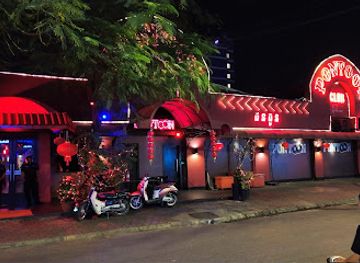
Pontoon Club
Discover the electrifying nightlife at Pontoon Club, Phnom Penh's premier night club and live music venue for an unforgettable night out.
-
Live music bar
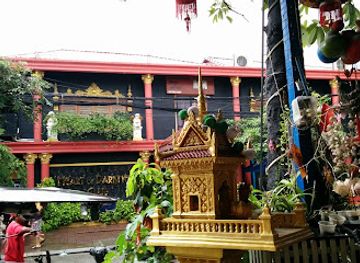
Darlin' Darlin' Music Lounge
Darlin' Darlin' Music Lounge: A vibrant live music bar in Phnom Penh, perfect for an unforgettable night out with friends.
-
Heart Of Darkness
Discover the nightlife of Phnom Penh at Heart Of Darkness, a disco club where vibrant music and great vibes come together for an unforgettable night out.

Best shops in Kampong Thom
Shopping in Kampong Thom is modest and practical, with the main market in Kampong Thom town offering fresh produce, cooked food, household goods, clothing and everyday Cambodian products. Smaller roadside markets and village stalls are useful for fruit, snacks, palm-related products and locally made provisions, although selection and trading hours vary. Visitors seeking souvenirs can look for Cambodian handicrafts, woven items, carved objects and packaged regional foods, but should ask about materials and provenance rather than assuming every item is locally produced. Sambor Prei Kuk and other heritage areas may have small visitor-oriented stalls, while hotels and town shops provide a limited range of crafts and gifts. There is little reason to expect extensive international-brand retail or luxury shopping in the province. Bargain courteously where appropriate, carry riel for small purchases and avoid buying antiquities or archaeological objects, whose removal damages heritage and may be illegal.
-
 Hotel
Sambor Village Hotel
Experience the charm of Cambodia at Sambor Village Hotel, your gateway to local culture and tranquil relaxation in Brochea Thebatey.
-
Gift shop
SATU Concept Store
Explore the charm of Cambodia at SATU Concept Store, a gift shop offering unique souvenirs and local treasures in the heart of Siem Reap.
-
Coffee shop
MOKO Kampong Thom
Discover the essence of Cambodian coffee culture at MOKO Kampong Thom, a serene escape for coffee lovers.
-
Book store
sok thy
Discover Sok Thy in Chantrey, a charming book store offering a diverse selection of literature and a cozy atmosphere for every book lover.


Get your free copy of our complete guide to Kampong Thom, delivered straight to you.
Everything on this page, from attractions and restaurants to essentials and local phrases, in one PDF you can read offline, print or share.
Already have an account? Sign in
Your Kampong Thom guide is ready.
We'll send it to · Not you? Sign out

Getting your guide ready…
We are putting together a fresh copy of the Kampong Thom guide. This can take up to a minute.
This can take a few moments. If your browser asks, choose Allow so the download can start. You'll find the guide in your Downloads folder.
Nothing happened? Download it again
Sorry, the guide is taking longer than usual. Please try again in a minute, or get it by email instead.
Kampong Thom essentials
Currency and Payment
Safety
Emergency Situations
Do's and Don'ts
Local Tips
From Eve
Local phrases worth knowing
You don't need to get them perfect. A few words go a long way, and locals appreciate the effort.
Basics
| English | Local | Say it |
|---|---|---|
| Hello | សួស្តី | [Suosdei] |
| Goodbye | លាហើយ | [Leahery] |
| Yes | បាទ/ចាស | [Bat/Chas] |
| No | ទេ | [Te] |
| Please/You're welcome | សូម/សូមទោស | [Som/Somtos] |
| Thank you | អរគុណ | [Arkun] |
| Excuse me/Sorry | សូមអភ័យទោស | [Som Aphey Tos] |
| How are you? | អ្នកសុខសប្បាយដែរទេ? | [Neak Sok Sabay Der Te?] |
| Fine. And you? | សុខសប្បាយ។ អ្នក呢? | [Sok Sabay. Neak Ne?] |
| Do you speak English? | អ្នកនិយាយភាសាអង់គ្លេសទេ? | [Neak Niyay Pheasa Angkles Te?] |
| I don't understand | ខ្ញុំមិនយល់ទេ | [Knhom Min Yol Te] |
Eating & Drinking
| English | Local | Say it |
|---|---|---|
| I'd like to see the menu, please | ខ្ញុំចង់មើលម៉ឺនុយ, សូម | [Knhom Jong Merl Menuy, Som] |
| I don't eat meat | ខ្ញុំមិនញុំាប្រេងសាច់ទេ | [Knhom Min Nyum Preng Sach Te] |
| Cheers! | ជួបប្រឹក្សា! | [Choup Braksa!] |
| I would like to pay, please | ខ្ញុំចង់បង់ប្រាក់, សូម | [Knhom Jong Bong Brak, Som] |
Emergencies
| English | Local | Say it |
|---|---|---|
| Help! | ជួយ! | [Chouy!] |
| Go away! | ចេញចោល! | [Chenh Choul!] |
| Call the Police! | ហៅប៉ូលីស! | [Hav Polis!] |
| Call a doctor! | ហៅវេជ្ជបណ្ឌិត! | [Hav Vechebandit!] |
| I'm lost | ខ្ញុំខកខាន | [Knhom Khak Khean] |
| I'm ill | ខ្ញុំឈឺ | [Knhom Chheu] |
Shopping
| English | Local | Say it |
|---|---|---|
| I'd like to buy... | ខ្ញុំចង់ទិញ... | [Knhom Jong Tinh...] |
| I'm just looking | ខ្ញុំតែពិនិត្យ | [Knhom Tae Pinith] |
| How much is it? | តម្លៃប៉ុន្មាន? | [Tamlay Ponman?] |
| That's too expensive | វាធ្វើឲ្យខ្ពស់ពេក | [Ve Tver Aoy Kphos Peak] |
| Can you lower the price? | អ្នកអាចកាត់តម្លៃទាបបានទេ? | [Neak Ach Kat Tamlay Tep Ban Te?] |
Time & Numbers
| English | Local | Say it |
|---|---|---|
| What time is it? | ម៉ោងប៉ុន្មាន? | [Maong Ponman?] |
| It's one o'clock | ម៉ោងមួយ | [Maong Muoy] |
| Half past (10) | ម៉ោងពាក់កណ្តាល (10) | [Maong Peak Kandal (10)] |
| Morning | ព្រឹក | [Preuk] |
| Afternoon | ល្ងាច | [Lngach] |
| Evening | ល្ងាច | [Lngach] |
| Yesterday | ម្សិលមិញ | [Msel Minh] |
| Today | ថ្ងៃនេះ | [Thngai Nih] |
| Tomorrow | ថ្ងៃស្អែក | [Thngai Saek] |
| 1 | មួយ | [Muoy] |
| 2 | ពីរ | [Pir] |
| 3 | បី | [Bay] |
| 4 | បួន | [Boun] |
| 5 | ប្រាំ | [Pram] |
| 6 | ប្រាំមួយ | [Pram Muoy] |
| 7 | ប្រាំពីរ | [Pram Pir] |
| 8 | ប្រាំបី | [Pram Bay] |
| 9 | ប្រាំបួន | [Pram Boun] |
| 10 | ដប់ | [Dab] |
Transport & Directions
| English | Local | Say it |
|---|---|---|
| Where's a/the...? | នៅណា...? | [Nov Na...?] |
| What's the address? | អាសយដ្ឋានអ្វី? | [Asayathen Avay?] |
| Can you show me (on the map)? | អ្នកអាចបង្ហាញខ្ញុំ(លើផែនទី)? | [Neak Ach Banghean Knhom (Leu Phen Ti)?] |
| When's the next (bus)? | ម៉ោងបន្ទាន់ (ឡានក្រុង)? | [Maong Bontan (Lan Krong)?] |
| A ticket (to ....) | សំបុត្រមួយ(ទៅ....) | [Sambot Muoy (Tov....)] |
History of Kampong Thom
Early Settlement and Chenla’s Isanapura
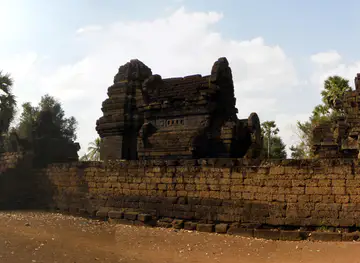
The Sambor Prei Kuk area preserves the remains of Isanapura, a major political and religious centre of the Chenla kingdom in the late sixth and early seventh centuries. Its brick sanctuaries, octagonal towers, carved lintels and planned groups reflect a sophisticated Khmer architectural tradition before the rise of Angkor. Inscriptions associated with the site provide evidence of royal patronage, Hindu worship and the administrative importance of the settlement. The surviving monuments are among the clearest regional expressions of the early Khmer world and form the historical foundation of Kampong Thom’s cultural identity.
The Angkorian Expansion
From the ninth to the thirteenth centuries, the wider Kampong Thom area became part of the expanding Angkorian state. Roads, sanctuaries and water-management systems linked provincial territories to the royal centre, while temples expressed both religious devotion and political authority. The province’s dispersed remains show that Angkorian influence was not confined to the capital. Preah Khan of Kampong Svay, in particular, demonstrates the scale of monumental construction beyond Angkor and its relationship with strategic routes across central Cambodia.
Religious Continuity and Buddhist Landscapes
As Cambodia’s religious life changed over the centuries, many older sacred landscapes were reused, adapted or reinterpreted through Buddhism. Phnom Santuk became an important hilltop religious site with pagodas, shrines and images associated with continuing local devotion. This pattern of religious continuity is visible across Cambodia, where ancient locations often remain part of living cultural geography rather than existing solely as archaeological monuments. Visitors should therefore understand Kampong Thom’s temples as places of worship as well as heritage sites.
Trade, River Routes and Rural Communities
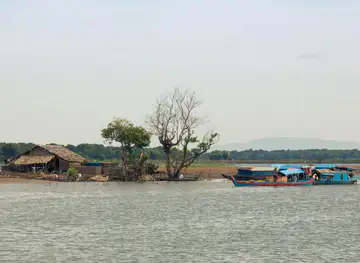
The Stung Sen and the connected Tonlé Sap waterways have long influenced settlement, agriculture and the movement of people and goods. Seasonal flooding replenishes soils and supports fishing, while rice cultivation shapes the countryside beyond the provincial town. Villages, raised houses and local markets reflect an economy adapted to changing water levels. Although modern roads have reduced the importance of river transport for many journeys, the province’s geography still explains its settlement patterns and the close relationship between farming, fishing and seasonal cycles.
French Colonial Administration
Cambodia became part of the French protectorate system in the nineteenth century, and colonial administration gradually formalised provincial government, taxation, roads and communications. The period also altered patterns of trade and authority, linking settlements more closely to administrative centres and routes across the country. Kampong Thom town developed within this modern provincial framework, although the region remained predominantly agricultural. Colonial influence is less architecturally concentrated here than in some Cambodian towns, but it helped establish the administrative geography and transport connections that shaped later development.
War, Displacement and Reconstruction
Kampong Thom, like much of Cambodia, endured severe disruption during the civil wars and political violence of the twentieth century. Rural communities experienced displacement, insecurity and the collapse of institutions, while mines and unexploded ordnance remain wider concerns in parts of Cambodia. Since the 1990s, improved security, road links, heritage conservation and renewed provincial services have supported gradual reconstruction. The contemporary visitor economy remains relatively small, but the protection and interpretation of Sambor Prei Kuk demonstrate the region’s growing role in Cambodia’s cultural tourism.
Kampong Thom in Photos
Browse through our photo collection highlighting the charm and character of the destination.
Neighbouring regions of Kampong Thom
The closest regions to Kampong Thom, if you have time for more than one.
-
-
-

-

-


Swipe for more regions
Explore more

Explore more of Cambodia
Discover Cambodia: From the ancient wonders of Angkor Wat to the vibrant streets of Phnom Penh, immerse yourself in a land of history, culture, and natural beauty.
Explore Cambodia