Charles de Gaulle Boulevard (Siem Reap) Travel Guide - Free
Explore Charles de Gaulle Boulevard in Siem Reap with Evendo's free guide. Find the best shops, historic streets, restaurants, and gems on web or mobile.


Charles de Gaulle Boulevard in Siem Reap links the town centre with Angkor, museums, hotels and Khmer cultural sights along a historic avenue for visitors.
A Ceremonial Route Between Town and Temple
Charles de Gaulle Boulevard is less a self-contained neighbourhood than Siem Reap’s principal northward avenue: a broad urban corridor linking the central town with the Angkor Archaeological Park. Its southern end approaches the Royal Residence, riverside gardens and the older commercial streets, while the road continues past hotels, restaurants, museums and institutional buildings towards the park entrance. For many visitors, it becomes the daily route between accommodation in town and the temples beyond it.Read more about Charles de Gaulle Boulevard
Museums, Monuments and Everyday Movement
A Practical Base for Exploring Siem Reap
Best attractions in Charles de Gaulle Boulevard
The Angkor National Museum is the boulevard’s principal visitor attraction, presenting Khmer sculpture, religious art and historical interpretation in an air-conditioned setting that helps place Angkor’s temples in context. Further north, the road becomes the practical approach to the Angkor Archaeological Park, although the individual temples lie beyond the boulevard and should not be described as part of it. Near the southern end, the Royal Residence area and its landscaped surroundings offer a contrasting view of modern Siem Reap’s civic centre. Visitors can also explore smaller pagodas and local streets branching from the avenue, where everyday religious life and low-rise neighbourhood buildings sit alongside hotels and tour traffic. The most characteristic experience is therefore a gradual transition: museum interpretation and town life give way to the transport corridor leading towards Angkor’s forested heritage landscape.
-
Historical landmark
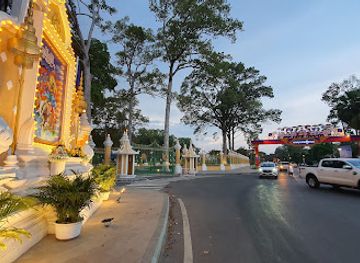
Royal Residence
Experience the tranquility and history of the Royal Residence in Siem Reap, a captivating blend of lush gardens and traditional Cambodian architecture.
4 min walk · 0.3 km from neighbourhood centre
Best landmarks in Charles de Gaulle Boulevard
The Angkor National Museum is the most recognisable cultural landmark on Charles de Gaulle Boulevard, occupying a prominent position on the route to the temples and giving visitors a clear introduction to Khmer religious art and Angkorian history. At the southern end, the Royal Residence and its adjacent landscaped grounds mark Siem Reap’s civic centre and provide an important point of orientation, although access to particular areas can be controlled. The boulevard’s wider significance comes from its function as a gateway: it connects the contemporary town with the Angkor Archaeological Park rather than containing the park’s celebrated monuments itself. Along the corridor, hotel façades, institutional buildings, pagodas and roadside greenery illustrate the gradual transformation of a low-density approach road into a major tourism and transport artery.
-
 Archaeological museum
Angkor National Museum
Discover the art, culture, and history of the Khmer Empire at Siem Reap's Angkor National Museum. Explore artifacts from the Angkor era.
6 min walk · 0.5 km from neighbourhood centre
-
Park
Royal Independence Gardens
Explore the lush landscapes and cultural heritage of Royal Independence Gardens, a tranquil retreat in Siem Reap, Cambodia.
4 min walk · 0.3 km from neighbourhood centre
-
Handicraft fair
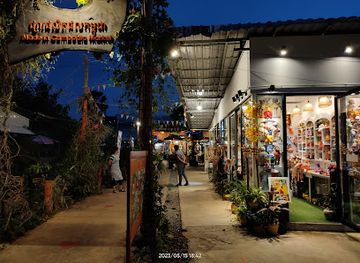
Made in Cambodia Market
Discover authentic Cambodian handicrafts, support local artisans, and experience Khmer culture at Siem Reap's vibrant Made in Cambodia Market.
5 min walk · 0.4 km from neighbourhood centre
-
Shopping mall
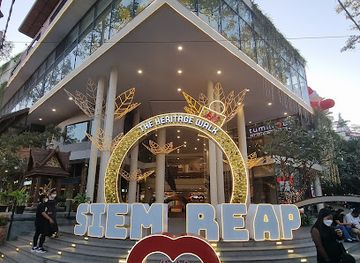
The Heritage Walk
Discover a modern shopping and entertainment experience at Siem Reap's Heritage Walk, featuring local and international brands in a vibrant setting.
1 min walk · 0.1 km from neighbourhood centre

Explore Charles de Gaulle Boulevard on the map
A handpicked selection of must-see spots in Charles de Gaulle Boulevard, mapped for you.
Best hotels in Charles de Gaulle Boulevard
Best restaurants in Charles de Gaulle Boulevard
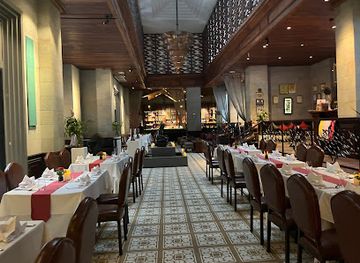
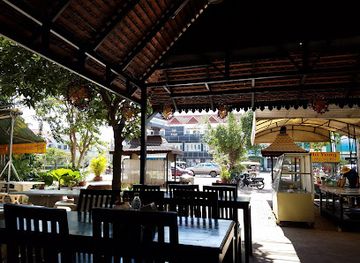
Dining along Charles de Gaulle Boulevard is shaped by its role as a hotel and temple-excursion corridor. Larger properties offer Khmer and international menus for travellers returning from Angkor, while smaller restaurants and cafés serve practical breakfasts, rice and noodle dishes, grilled foods and drinks to residents, drivers and visitors. The range is generally less concentrated and nightlife-oriented than the Old Market and Pub Street area, with many establishments set back from the road or attached to accommodation. Cambodian cooking is the most useful local focus: look for dishes built around fragrant herbs, fermented and fresh sauces, freshwater fish, rice and noodles, while regional specialities from across the country also appear in tourist-facing menus. Because businesses change, the boulevard is best approached as a dispersed dining strip rather than a single food market, and checking current opening arrangements locally is sensible.
-
Cambodian
Malis Siem Reap
Experience the essence of Cambodian cuisine at Malis Siem Reap - where tradition meets modern culinary artistry.
10 min walk · 0.8 km from neighbourhood centre
-
Cambodian
Embassy Khmer Gastronomy
Discover authentic Cambodian flavors at Embassy Khmer Gastronomy in Siem Reap, where fine dining meets cultural heritage.
6 min walk · 0.5 km from neighbourhood centre
-
Asian
Pho Yong Restaurant
Discover authentic Vietnamese flavors at Pho Yong Restaurant in Krong Siem Reap - a culinary gem offering delightful Southeast Asian cuisine.
8 min walk · 0.7 km from neighbourhood centre
-
Restaurant
Palate Angkor Restaurant & Bar
Discover authentic Khmer flavors at Palate Angkor Restaurant & Bar along the beautiful Siem Reap River.
6 min walk · 0.5 km from neighbourhood centre

Best bars in Charles de Gaulle Boulevard
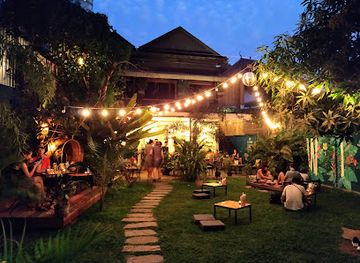
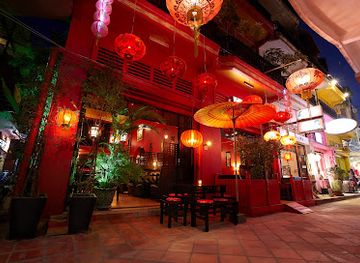
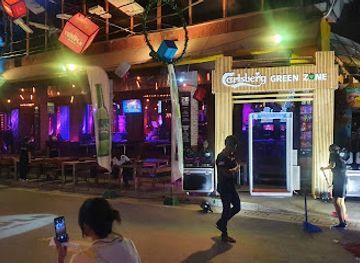
Charles de Gaulle Boulevard is not Siem Reap’s main late-night entertainment district. Evenings are generally centred on hotel restaurants, lounges and quieter bars rather than the dense concentration of pubs and clubs found around Pub Street and the Old Market, which lie elsewhere in the central town. Some accommodation venues provide cocktails, live performances or Khmer cultural programming, but the character varies by property and season. The boulevard is more useful for a relaxed drink after a temple visit than for club-hopping, and traffic thins unevenly along its length after dark. Visitors staying here should identify their return transport before going out, especially if their accommodation is on a less busy stretch, while those seeking a broader choice of music and bars can travel into the central entertainment area by tuk-tuk.
-
Restaurant
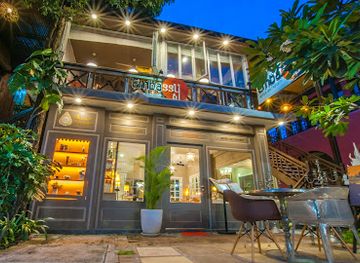
WILD - Creative Bar & Spring Rolls Restaurant
Experience the vibrant flavors of Siem Reap at WILD - Creative Bar & Spring Rolls Restaurant, where innovative cuisine meets a lively cocktail bar.
17 min walk · 1.3 km from neighbourhood centre
-
Cocktail bar
Miss Wong Cocktail Bar
Experience innovative cocktails and authentic dim sum at Miss Wong Cocktail Bar, the heart of Siem Reap's vibrant nightlife.
13 min walk · 1.0 km from neighbourhood centre
-
Bar
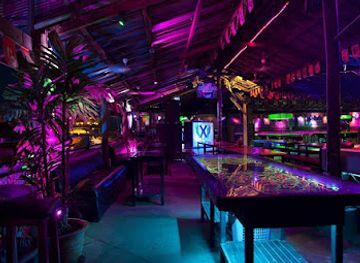
X-Bar
Discover the lively nightlife at X-Bar in Siem Reap, where live music meets a vibrant atmosphere for an unforgettable experience.
13 min walk · 1.1 km from neighbourhood centre
-
Bar
Barcode Bar Siem Reap
Barcode Bar Siem Reap: A lively cocktail lounge where unforgettable nights and expertly crafted drinks await in the heart of Cambodia.
11 min walk · 0.9 km from neighbourhood centre

Best nightclubs in Charles de Gaulle Boulevard
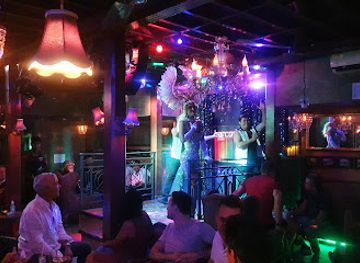
Charles de Gaulle Boulevard is not Siem Reap’s main late-night entertainment district. Evenings are generally centred on hotel restaurants, lounges and quieter bars rather than the dense concentration of pubs and clubs found around Pub Street and the Old Market, which lie elsewhere in the central town. Some accommodation venues provide cocktails, live performances or Khmer cultural programming, but the character varies by property and season. The boulevard is more useful for a relaxed drink after a temple visit than for club-hopping, and traffic thins unevenly along its length after dark. Visitors staying here should identify their return transport before going out, especially if their accommodation is on a less busy stretch, while those seeking a broader choice of music and bars can travel into the central entertainment area by tuk-tuk.
-
Bar
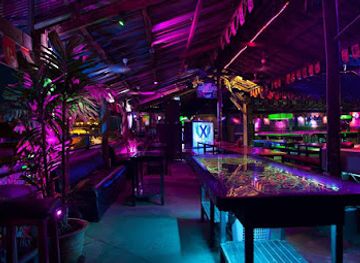
X-Bar
Discover the vibrant nightlife of Siem Reap at X-Bar, a lively bar and live music venue where unforgettable memories are made.
13 min walk · 1.1 km from neighbourhood centre
-
Night club
The Angkor What? Bar
Experience the vibrant nightlife of Krong Siem Reap at The Angkor What? Bar, where affordable drinks meet an electric atmosphere.
12 min walk · 1.0 km from neighbourhood centre
-
Bar
Barcode Bar Siem Reap
Experience the vibrant nightlife of Siem Reap at Barcode Bar, where exceptional cocktails and a welcoming atmosphere await every visitor.
11 min walk · 0.9 km from neighbourhood centre
-
Night club
Temple Sky Lounge
Discover the vibrant nightlife at Temple Sky Lounge, where stunning views and lively music create the perfect atmosphere for a memorable evening in Siem Reap.
12 min walk · 1.0 km from neighbourhood centre

Best shops in Charles de Gaulle Boulevard
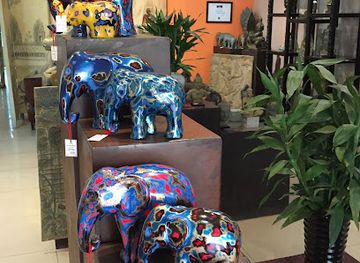
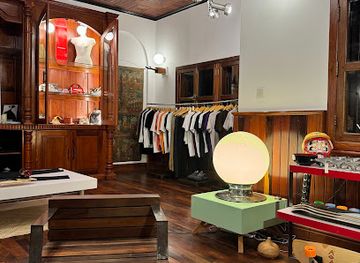
Shopping on Charles de Gaulle Boulevard is practical and visitor-oriented rather than market-led. Hotel arcades, small convenience shops, pharmacies, souvenir outlets and craft-focused retail appear along parts of the road, serving travellers preparing for or returning from Angkor. The strongest shopping concentrations are elsewhere in central Siem Reap, particularly around the Old Market and associated streets, so this boulevard should not be presented as a substitute for the city’s principal market areas. Visitors may find Cambodian textiles, carved or decorative goods, books, art and temple-related souvenirs in establishments along the corridor, but stock and business identities change. Its retail character is best understood as a series of dispersed stops attached to the accommodation and museum landscape, useful for essentials and locally themed purchases rather than for a long independent shopping walk.
-
Gift shop
SATU Concept Store
Explore SATU Concept Store in Siem Reap for unique Cambodian gifts and souvenirs that capture the spirit of your travels.
5 min walk · 0.4 km from neighbourhood centre
-
Souvenir store
Jayav Art
Explore Jayav Art in Siem Reap for unique handcrafted souvenirs that embody the spirit of Cambodia and its rich artistic heritage.
6 min drive · 2.0 km from neighbourhood centre
-
Clothing store
The Cocoon House Art Gallery, Concept Store, Skateshop and Vintage - by Cocoon Limited
Experience the creative fusion of art, fashion, and skate culture at The Cocoon House, a unique destination in Krong Siem Reap.
5 min drive · 1.8 km from neighbourhood centre
-
Jewelry store
Khmer Empire
Explore exquisite jewelry inspired by the rich cultural heritage of the Khmer Empire in Siem Reap, Cambodia.
10 min walk · 0.8 km from neighbourhood centre

Charles de Gaulle Boulevard essentials
Getting There
Getting Around
Safety
Emergency Situations
Do's and Don'ts
Local Tips

From Eve
Local phrases worth knowing
You don't need to get them perfect. A few words go a long way, and locals appreciate the effort.
Basics
| English | Local | Say it |
|---|---|---|
| Hello | សួស្តី | [soo-sdei] |
| Goodbye | លាក់បាត | [lak bat] |
| Yes | បាទ/ចាស | [baat/chai] |
| No | ទេ | [te] |
| Please/You're welcome | សូម | [som] |
| Thank you | អរគុណ | [arkoun] |
| Excuse me/Sorry | សុំចំបាច់ | [som jom bai] |
| How are you? | អ្នកសុខសប្បាយបានបង? | [nak sok sabai bong?] |
| Fine. And you? | សុខសប្បាយ | [sok sabai] |
| Do you speak English? | អ្នកនៅចំពោះភាសាអង់គ្លេសឬទេ? | [nak nai chom poasaa angkilay sey?] |
| I don't understand | ខប់ខន្ត | [kob kun] |
Eating & Drinking
| English | Local | Say it |
|---|---|---|
| I'd like to see the menu, please | ខុសម៉នតាបតិកសូម | [khos moun ta bot kum som] |
| I don't eat meat | ខិតបានកូន | [kit ban kun] |
| Cheers! | តិច | [ju] |
| I would like to pay, please | ខុសបង្ហានលុយបន្តិកសូម | [khos bong huan loy bant kum som] |
Emergencies
| English | Local | Say it |
|---|---|---|
| Help! | ជួយ | [ju] |
| Go away! | ទៅបន្ត | [twe bant] |
| Call the Police! | ហាត់បើងជូរ | [hat ben chuor] |
| Call a doctor! | ហាត់វេជ្ជបណ្ត | [hat vech banh] |
| I'm lost | ខិតភ្លេច | [kit plech] |
| I'm ill | ខិតជម្ងរ | [kit chmang] |
Shopping
| English | Local | Say it |
|---|---|---|
| I'd like to buy... | ខុសទិញ... | [khos tuh nyum...] |
| I'm just looking | ខិតបើងតិច | [kit ben ju] |
| How much is it? | តើវេងមានច្រើន? | [tue ven man sran?] |
| That's too expensive | វេងគិតអត់បន្តិក | [ven kit ot bant kum] |
| Can you lower the price? | តើអ្នកអាចបង្ហានតម្លៃទិញបានទេ? | [tue nak ac bang huan tam lay tuh ban te?] |
Time & Numbers
| English | Local | Say it |
|---|---|---|
| What time is it? | ម៉ោងណា? | [moung na?] |
| It's one o'clock | វេងមាន១ម៉ោង | [ven man moung mawng] |
| Half past (10) | ខួបមាន(១០) | [kuap man (sip)] |
| Morning | ព្រឹក | [prek] |
| Afternoon | ល្ងាច | [leang chha] |
| Evening | ល្ងាច | [leang chha] |
| Yesterday | ម្សិល | [musil] |
| Today | ថ្ងៃនេះ | [tngay neak] |
| Tomorrow | ថ្ងៃស្អែក | [tngay saek] |
| 1 | មួយ | [muoy] |
| 2 | ពីរ | [pii] |
| 3 | បី | [bei] |
| 4 | បួស | [bus] |
| 5 | ប្រាព | [brahp] |
| 6 | ប្រាពិន | [brah pin] |
| 7 | ប្រាពីង | [brah piung] |
| 8 | ប៉េត | [peth] |
| 9 | កង | [gao] |
| 10 | ដប | [dop] |
Transport & Directions
| English | Local | Say it |
|---|---|---|
| Where's a/the...? | តើមានទន្តណា...? | [tue man ton na...?] |
| What's the address? | អាសយដ្ឋានមួយជាម្រូបអត្ត? | [asaydtan muoy cheh mroap ot?] |
| Can you show me (on the map)? | តើអ្នកអាចបង្ហានខ្លះឲ្យខ្លះខ្លះឲ្យខ្លះ? | [tue nak ac bang huan khleay oy khleay khleay oy khleay?] |
| When's the next (bus)? | តើមួយយឺតក្រោយគឺណា? | [tue muoy yat kroah keh na?] |
| A ticket (to ....) | សំបុត្រមួយ(ទៅ...) | [sombot muoy (to...)] |
History of Charles de Gaulle Boulevard
From Temple Road to Urban Avenue
Charles de Gaulle Boulevard developed as the principal approach between Siem Reap and the Angkor monuments, whose archaeological importance drew increasing scholarly, governmental and tourist attention during the twentieth century. Rather than growing from a single historic village centre, the corridor acquired significance through movement: visitors, conservation workers and local residents travelled north from the town towards Angkor. Its broad alignment and civic role reflect the period when Siem Reap was being organised as the service town for the archaeological park, while the surrounding low-rise landscape remained shaped by rice cultivation, waterways and scattered religious compounds.
Conservation and the Angkorian Revival
During the twentieth century, international and Cambodian efforts to document and conserve Angkor strengthened Siem Reap’s relationship with the boulevard. The road became a visible gateway to a heritage landscape that had been administered, researched and gradually opened to a growing number of visitors. New hotels, transport services and public institutions appeared along the route, while the cultural presentation of Khmer history became an important part of the local economy. This development did not turn the avenue into an ancient monument itself; its historical importance lies in how it channels modern access to the older temple complex.
Post-conflict Growth and Tourism
After Cambodia’s prolonged conflict ended and international tourism expanded during the late twentieth and early twenty-first centuries, Charles de Gaulle Boulevard became one of Siem Reap’s main hospitality corridors. Hotels, restaurants, museums and transport businesses occupied plots once characterised by a lower-density town edge, bringing employment and infrastructure but also increasing traffic and land pressure. The avenue now serves two overlapping communities: residents using it as a daily road and visitors using it as a route to Angkor. Its continuing evolution reflects Siem Reap’s wider balance between heritage conservation, urban growth and tourism.
Charles de Gaulle Boulevard in Photos
Browse through our photo collection highlighting the charm and character of the destination.
Neighbourhoods near Charles de Gaulle Boulevard
The closest neighbourhoods to Charles de Gaulle Boulevard, if you have time for more than one stop.
-

-

-


Swipe for more neighbourhoods
Explore more

Explore more of Siem Reap
Siem Reap, Cambodia, pairs Angkor’s magnificent temples with Khmer cuisine, riverfront evenings, artisan crafts and gateways to Tonlé Sap’s floating villages.
Explore Siem Reap