

Free Dschang Travel Guide & Mobile App
Plan your Dschang trip with Evendo. Get free guides to top attractions, restaurants, hotels, and bars. Web access or download the mobile app.


Dschang, Cameroon offers cool highland scenery, Bamileke heritage, museums, royal chiefdoms, local cuisine and cultural sightseeing in the West Region.
A Highland Cultural Centre
Dschang rises across the grassy Bamileke highlands of western Cameroon, in the Menoua Department of the West Region. At an elevation of roughly 1,400 metres, it has a cooler climate than the coastal cities, with rolling hills, cultivated slopes and misty mornings shaping the rhythm of daily life. The city is an important centre of Bamileke culture and is also home to the University of Dschang, giving its streets a youthful, scholarly energy alongside the traditions of surrounding chiefdoms.Read more about Dschang
Heritage and Living Traditions
Landscape and Everyday Life
When is the best time to visit Dschang?
Best: December–February · 28–30°C| Month | High (°C) | Rainfall (mm) |
|---|---|---|
| January (best) | 28 | 100 |
| February (best) | 28 | 100 |
| March | 29 | 150 |
| April | 29 | 200 |
| May | 30 | 200 |
| June | 30 | 200 |
| July | 30 | 200 |
| August | 30 | 200 |
| September | 30 | 200 |
| October | 30 | 150 |
| November | 30 | 100 |
| December (best) | 30 | 100 |
Getting to and around Dschang
How to get there
Transportation
Best attractions in Dschang
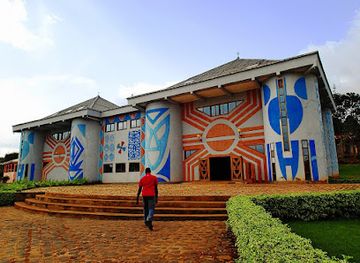
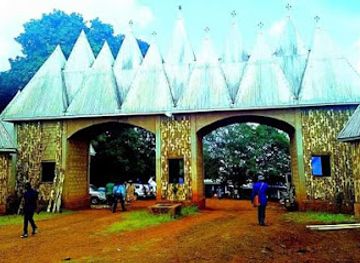
The Musée des Civilisations de Dschang is the city’s clearest starting point, presenting Cameroon’s cultural diversity through objects, clothing, domestic artefacts and explanations of social traditions. The municipal lake provides an open setting for a gentle walk and a look at everyday leisure, while the surrounding highland views reveal why Dschang has long been associated with a cooler climate and agricultural richness. The nearby Foto chiefdom offers a more ceremonial encounter with Bamileke history, including royal architecture and traditions connected with the fon, although access to particular areas should be arranged respectfully. The University of Dschang adds a youthful dimension, with an active campus environment and botanical and educational interests connected to the region. Markets, craft workshops and the streets around the centre are attractions in their own right, offering glimpses of woven textiles, carved objects, produce and the rhythms of Menoua commerce.
-
Tourist attraction
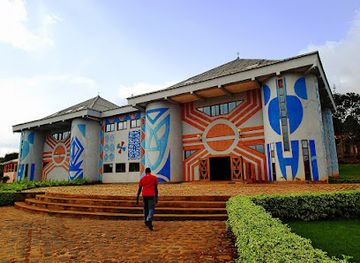
Musée des civilisations de Dschang
Discover the vibrant cultural heritage of Cameroon at Musée des Civilisations de Dschang, where history and art come alive.
5 min drive · 1.5 km from city centre
-
Tourist attraction
Chefferie Foto
Explore Chefferie Foto in Dschang - A Cultural Gem Showcasing the Rich Heritage of Cameroon.
9 min drive · 3.0 km from city centre
-
Amphitheater
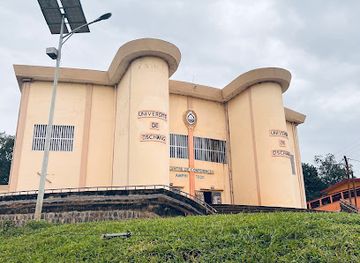
Amphi 1000-Université de DSCHANG
Explore the vibrant cultural scene at Amphi 1000, Université de Dschang, where local events and community engagement come alive.
5 min drive · 1.5 km from city centre
-
Pilgrimage place
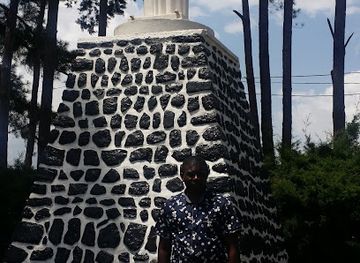
Grotte Mariale
Explore Grotte Mariale in Dschang: A serene pilgrimage site offering spiritual tranquility and breathtaking natural beauty, perfect for reflection and rejuvenation.
5 min drive · 1.8 km from city centre
Best landmarks in Dschang
The Musée des Civilisations de Dschang is significant not only as a visitor attraction but as an institution interpreting the cultural history of Cameroon and the western Grassfields. The Foto chiefdom, near the city, represents the continuing importance of Bamileke royal institutions, with the fon’s compound and associated ceremonial spaces expressing authority, ancestry and community memory. Dschang’s municipal lake is a prominent civic feature, while the former climatic and administrative character of the town is reflected in its highland planning, older public buildings and tree-lined areas. The University of Dschang has become another defining landmark of contemporary urban identity, linking the town to higher education and research. Together, these places show how Dschang’s built environment combines colonial-era administration, post-independence public institutions and older political traditions that remain visible in the surrounding chiefdoms.
-
University
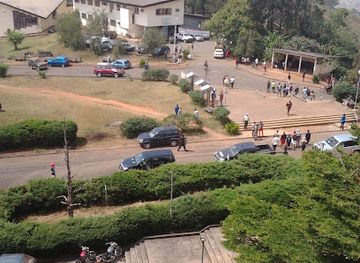
Dschang University
Discover academic excellence and cultural richness at the University of Dschang in Cameroon's scenic western highlands.
9 min walk · 0.8 km from city centre
-
Hotel
Mbouoh Star Palace
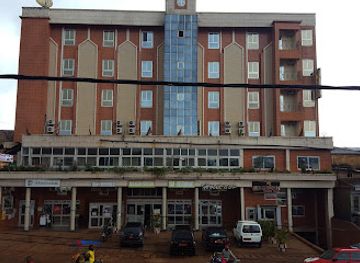
Experience comfort and culture at Mbouoh Star Palace in Dschang, Cameroon, your gateway to scenic landscapes and vibrant local traditions.
3 min walk · 0.2 km from city centre
-
Museum
Musée des civilisations de Dschang
Discover Cameroon's cultural heritage at Musée des Civilisations de Dschang, featuring diverse exhibits and historical insights into the nation's traditions.
5 min drive · 1.5 km from city centre
-
 Hotel
HotelMalte Hotel
Experience comfort and convenience at Malte Hotel, your ideal starting point for exploring the cultural and natural wonders of Dschang, Cameroon.
17 min walk · 1.3 km from city centre
Explore Dschang on the map
Plan your Dschang trip on one map. See where the top attractions, landmarks, restaurants, bars and hotels are, find what's near where you're staying, and book hotels and experiences in a few clicks.
Best hotels in Dschang
Best restaurants in Dschang
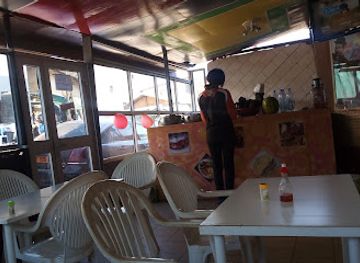
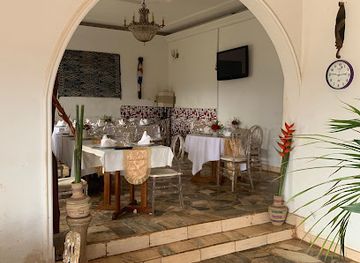
Dschang’s food culture reflects the agricultural abundance and culinary traditions of Cameroon’s western highlands. Local eateries and maquis commonly serve dishes built around maize, plantain, cassava, beans, greens and meat, with regional favourites such as achu with yellow soup, corn fufu with njama njama, eru and ndolé appearing alongside grilled chicken or fish. Pounded tubers, sauces enriched with groundnuts and seasonal vegetables are central to everyday meals, while roasted plantain and street snacks provide informal options around markets and transport areas. The university population supports modest cafés and inexpensive restaurants, whereas family-run establishments and roadside grills offer a more local atmosphere. Menoua’s highland farms supply fresh produce, and market visits can reveal ingredients rarely encountered in formal dining rooms. French is useful when ordering, though menus may be informal and dishes may vary with the day’s available produce.
-
Restaurant
PLATINIUM LOUNGE : Snack - bar -restaurant - hébergement
Experience the vibrant flavors and lively atmosphere at Platinum Lounge in Dschang – your culinary hub for local delights.
3 min walk · 0.3 km from city centre
-
Restaurant
Le Delirium Fastfood & Restaurant
Experience delicious local and international cuisine at Le Delirium Fastfood & Restaurant in Dschang—your culinary haven in Cameroon.
1 min walk · 0.1 km from city centre
-
Restaurant
Restaurant Le Gourmet
Experience authentic flavors at Restaurant Le Gourmet in Dschang - a culinary gem offering diverse dishes and inviting ambiance.
5 min drive · 1.5 km from city centre
-
Beer hall
BLACK DIAMOND SNACK
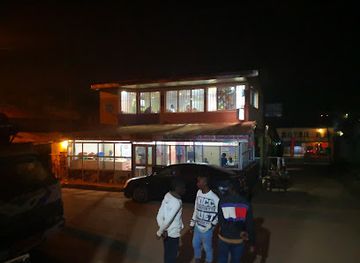
Discover the heart of Dschang's nightlife at Black Diamond Snack - where great beer meets local flavors in a vibrant setting.
3 min walk · 0.2 km from city centre
Best bars in Dschang
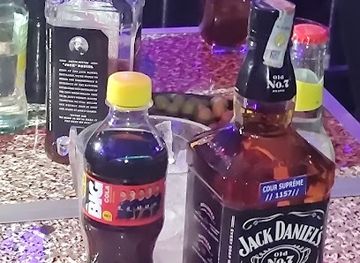
Dschang’s evening scene is modest and social rather than dominated by large nightclubs. Small bars, maquis and beer gardens provide places for conversation, music and football, particularly around central commercial streets and areas influenced by the university population. Local beers and soft drinks are widely encountered, while evenings may include grilled food, televised sport or contemporary Cameroonian music. Cultural activity can also take the form of university events, church gatherings, community celebrations and performances connected with local traditions, though these are not necessarily scheduled for visitors. After dark, movement is best kept to familiar, active areas, with transport arranged in advance for journeys beyond the centre. Opening hours, entertainment and crowd levels can change considerably between weekdays, weekends, university terms and public celebrations, so local advice is more reliable than assuming a fixed nightlife programme.
-
Restaurant
PLATINIUM LOUNGE : Snack - bar -restaurant - hébergement
Discover the vibrant culinary scene at PlatinUM Lounge in Dschang, where authentic Cameroonian flavors come to life in a welcoming atmosphere.
3 min walk · 0.3 km from city centre
-
Restaurant
Le Delirium Fastfood & Restaurant
Discover local and international delights at Le Delirium Fastfood & Restaurant in Dschang, your culinary stop in Cameroon.
1 min walk · 0.1 km from city centre
-
Beer hall
BLACK DIAMOND SNACK
Discover the lively atmosphere at Black Diamond Snack, a popular beer hall in Dschang, where locals and tourists come together to enjoy refreshing drinks.
3 min walk · 0.2 km from city centre
-
Bar
Boutique De Maman
Discover a cozy retreat at Boutique De Maman in Dschang, where local drinks and a welcoming atmosphere await every traveler.
10 min walk · 0.8 km from city centre
Best nightclubs in Dschang
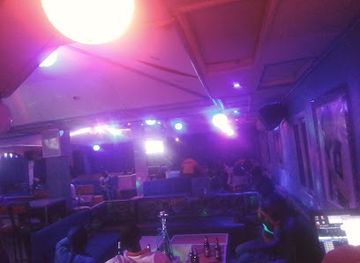
Dschang’s evening scene is modest and social rather than dominated by large nightclubs. Small bars, maquis and beer gardens provide places for conversation, music and football, particularly around central commercial streets and areas influenced by the university population. Local beers and soft drinks are widely encountered, while evenings may include grilled food, televised sport or contemporary Cameroonian music. Cultural activity can also take the form of university events, church gatherings, community celebrations and performances connected with local traditions, though these are not necessarily scheduled for visitors. After dark, movement is best kept to familiar, active areas, with transport arranged in advance for journeys beyond the centre. Opening hours, entertainment and crowd levels can change considerably between weekdays, weekends, university terms and public celebrations, so local advice is more reliable than assuming a fixed nightlife programme.
-
Night club
MBOUOH Night Club
Dive into the vibrant nightlife at MBOUOH Night Club in Dschang, where local music and dance create an unforgettable experience.
3 min walk · 0.2 km from city centre
-
Night club
Le Colissée Night Club-Dschang
Discover the vibrant nightlife at Le Colissée Night Club in Dschang, where music, dance, and fun come together for an unforgettable experience.
3 min walk · 0.3 km from city centre

Best shops in Dschang
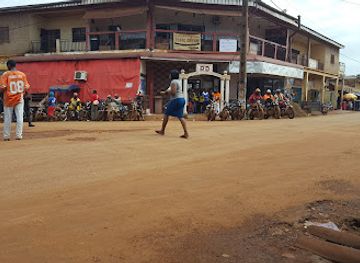
Shopping in Dschang is centred on the municipal market, roadside stalls, small specialist shops and craft activity rather than large modern retail complexes. Fresh produce from the Menoua highlands, grains, spices, household goods and clothing provide the most immediate view of everyday commerce. Visitors may also find woven textiles, beadwork, carved objects, pottery and other handmade goods associated with the artistic traditions of western Cameroon, although quality, provenance and availability vary between sellers. The museum and local cultural institutions can help explain the significance of motifs and materials before a purchase is made. Small food shops offer coffee, snacks and regional ingredients, while the university area contributes books, stationery and practical goods. Market bargaining should remain courteous, and it is sensible to compare workmanship and ask whether an item is locally made rather than assuming that every craft object originated in Dschang.
-
Shopping mall
boutique orange VIP de dschang
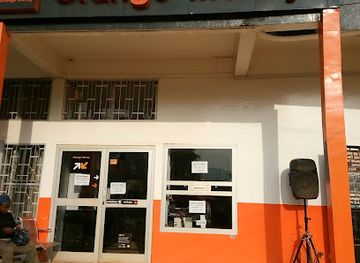
Explore the Boutique Orange VIP in Dschang for a unique shopping experience blending modern retail with local culture.
3 min walk · 0.2 km from city centre
-
Home goods store
Dschang
Explore Dschang, a hidden treasure in Cameroon with rich culture, vibrant markets, and stunning landscapes waiting to be discovered.
9 min walk · 0.7 km from city centre
-
Supermarket
Pintadel
Explore Pintadel Supermarket in Dschang for an authentic shopping experience filled with local products and cultural treasures.
3 min walk · 0.3 km from city centre
-
Shopping mall
Boutique
Explore Dschang's Boutique for a unique shopping experience filled with local culture, trendy fashion, and delightful culinary treats.
6 min drive · 1.9 km from city centre
Get your free copy of our complete guide to Dschang, delivered straight to you.
Everything on this page, from attractions and restaurants to essentials and local phrases, in one PDF you can read offline, print or share.
Already have an account? Sign in
Your Dschang guide is ready.
We'll send it to · Not you? Sign out

Getting your guide ready…
We are putting together a fresh copy of the Dschang guide. This can take up to a minute.
This can take a few moments. If your browser asks, choose Allow so the download can start. You'll find the guide in your Downloads folder.
Nothing happened? Download it again
Sorry, the guide is taking longer than usual. Please try again in a minute, or get it by email instead.
Dschang essentials
Currency and Payment
Safety
Emergency Situations
Do's and Don'ts
Local Tips
From Eve
Local phrases worth knowing
You don't need to get them perfect. A few words go a long way, and locals appreciate the effort.
Basics
| English | Local | Say it |
|---|---|---|
| Hello | Bong | [bɔŋ] |
| Goodbye | Nyambele | [ɲambele] |
| Yes | Eya | [ɛja] |
| No | Aya | [aja] |
| Please/You're welcome | Njoh | [ndʒɔ] |
| Thank you | Siyeh | [si.jɛ] |
| Excuse me/Sorry | Njoh | [ndʒɔ] |
| How are you? | Unjoh? | [u-ndʒɔ] |
| Fine. And you? | Nyambele. Na unjoh? | [ɲambele. na u-ndʒɔ] |
| Do you speak English? | Unjoh dey tok am English? | [u-ndʒɔ deɪ tɔk am ˈɪŋɡlɪʃ] |
| I don't understand | A nulam | [a nuˈlam] |
Eating & Drinking
| English | Local | Say it |
|---|---|---|
| I'd like to see the menu, please | A laa menu, njoh | [a laː ˈmɛnju, ndʒɔ] |
| I don't eat meat | A nulam nyama | [a nuˈlam ˈɲama] |
| Cheers! | Eyi! | [ɛji] |
| I would like to pay, please | A laa pay, njoh | [a laː peɪ, ndʒɔ] |
Emergencies
| English | Local | Say it |
|---|---|---|
| Help! | Bansa! | [bansa] |
| Go away! | Waka! | [waka] |
| Call the Police! | Kull poli! | [kʊl ˈpoli] |
| Call a doctor! | Kull doktor! | [kʊl ˈdɒktər] |
| I'm lost | A laa waka | [a laː waka] |
| I'm ill | A malam | [a malam] |
Shopping
| English | Local | Say it |
|---|---|---|
| I'd like to buy... | A laa achete... | [a laː aʃɛtɛ] |
| I'm just looking | A nulam check | [a nuˈlam ʧɛk] |
| How much is it? | I tay? | [i teɪ] |
| That's too expensive | I na kulu | [i na ˈkulu] |
| Can you lower the price? | Unjoh tay kulu? | [u-ndʒɔ teɪ ˈkulu] |
Time & Numbers
| English | Local | Say it |
|---|---|---|
| What time is it? | I tay? | [i teɪ] |
| It's one o'clock | Na ɗu na nyɛ | [na dʊ na ɲɛ] |
| Half past (10) | Nyɛ na wɛ | [ɲɛ na wɛ] |
| Morning | Nyit | [ɲit] |
| Afternoon | Nyih | [ɲih] |
| Evening | Nyem | [ɲɛm] |
| Yesterday | Mbu | [mbu] |
| Today | Nyit | [ɲit] |
| Tomorrow | Nyam | [ɲam] |
| 1 | Nyɛk | [ɲɛk] |
| 2 | Nyɛfua | [ɲɛˈfua] |
| 3 | Nyɛtol | [ɲɛˈtɔl] |
| 4 | Nyɛna | [ɲɛˈna] |
| 5 | Nyɛtan | [ɲɛˈtan] |
| 6 | Nyɛtanfua | [ɲɛˈtanfua] |
| 7 | Nyɛtanto | [ɲɛˈtanto] |
| 8 | Nyɛtanto na nyɛk | [ɲɛˈtanto na ɲɛk] |
| 9 | Nyɛtanto na nyɛfua | [ɲɛˈtanto na ɲɛˈfua] |
| 10 | Nyɛtanto na nyɛtol | [ɲɛˈtanto na ɲɛˈtɔl] |
Transport & Directions
| English | Local | Say it |
|---|---|---|
| Where's a/the...? | I way...? | [i weɪ] |
| What's the address? | I way adre? | [i weɪ ˈadrɛs] |
| Can you show me (on the map)? | Unjoh kwe...? | [u-ndʒɔ kweɪ] |
| When's the next (bus)? | I way moto nwɔ? | [i weɪ ˈmotɔ nwɔ] |
| A ticket (to ....) | Nyɛt kɔ... | [ɲɛt kɔ] |
History of Dschang
Bamileke Chiefdoms Before Colonial Rule
Long before the modern town developed, the uplands around Dschang were organised through Bamileke chiefdoms, often known locally as fondoms. Political authority centred on the fon, whose responsibilities combined leadership, ritual obligations, land management and the preservation of dynastic memory. Communities cultivated the fertile volcanic and highland soils, traded across the western Grassfields and developed sophisticated traditions of weaving, beadwork, woodcarving and metalwork. The chiefdoms were not a single centralised kingdom but a network of related yet distinct polities. Their compounds, royal societies, ceremonial objects and oral histories continue to shape the cultural landscape around Dschang.
The German Station at Dschang
German colonial administration established a station at Dschang in the early twentieth century, generally dated to 1903. The location reflected the strategic and agricultural importance of the western highlands, as well as the colonial interest in extending administrative control beyond the coast. German rule altered local systems of authority, taxation and movement, although it operated through and alongside existing chiefdom structures rather than erasing them. The station also helped set the pattern for Dschang’s later development as an administrative and commercial centre. Several institutions and routes that define the modern town have roots in this colonial reorganisation.
French Administration and Highland Development
After Germany’s defeat in the First World War, Cameroon was divided into League of Nations mandates, with France administering most of the territory that included Dschang. Under the French mandate and later colonial rule, roads, schools and administrative services expanded, while agricultural production and regional trade became more closely connected to wider colonial markets. Dschang gained importance as a centre for the Menoua area, and its cooler climate encouraged the development of a climatic station and a reputation as a highland retreat. These changes brought new opportunities but also imposed taxation, labour demands and forms of authority that transformed social relations.
Independence and a Changing Regional Role
Cameroon became independent in 1960, and Dschang continued as an administrative and educational centre in the western part of the country. The city’s history since independence has been shaped by the interaction of established Bamileke institutions, expanding public services, regional commerce and the movement of students and workers. Its relationship with nearby chiefdoms remains central to its identity, while the surrounding highlands continue to support intensive smallholder agriculture. Dschang’s museums and royal cultural sites present this past as a living inheritance rather than a closed colonial chapter.
The University and Contemporary Dschang
The creation of the University of Dschang in the 1990s gave the city a stronger national and international educational profile. The university brought students, researchers and professional activity to a town already known for its highland setting and cultural institutions. Contemporary Dschang therefore combines several layers of identity: a Bamileke cultural landscape, a former colonial administrative centre, a market town serving the Menoua highlands and a university city. This mixture is visible in the contrast between royal compounds and lecture halls, rural production and student life, and inherited ceremonial traditions and modern civic institutions.
Dschang in Photos
Browse through our photo collection highlighting the charm and character of the destination.
Cities near Dschang
The closest cities to Dschang, if you have time for more than one stop.
-

-

-

-

-


Swipe for more cities
Explore more

Explore more of Cameroon
Discover Cameroon: A Land of Diverse Landscapes, Rich Cultural Heritage, and Unforgettable Adventures in the Heart of Africa.
Explore Cameroon