

Pont allemand d'Édéa Travel Guide
Free Guide: A historic German-built bridge in Edéa, Cameroon, offering a glimpse into the country's colonial past and engineering heritage.


A brief summary of Pont allemand d'Édéa
A historic German-built bridge in Edéa, Cameroon, offering a glimpse into the country's colonial past and engineering heritage.
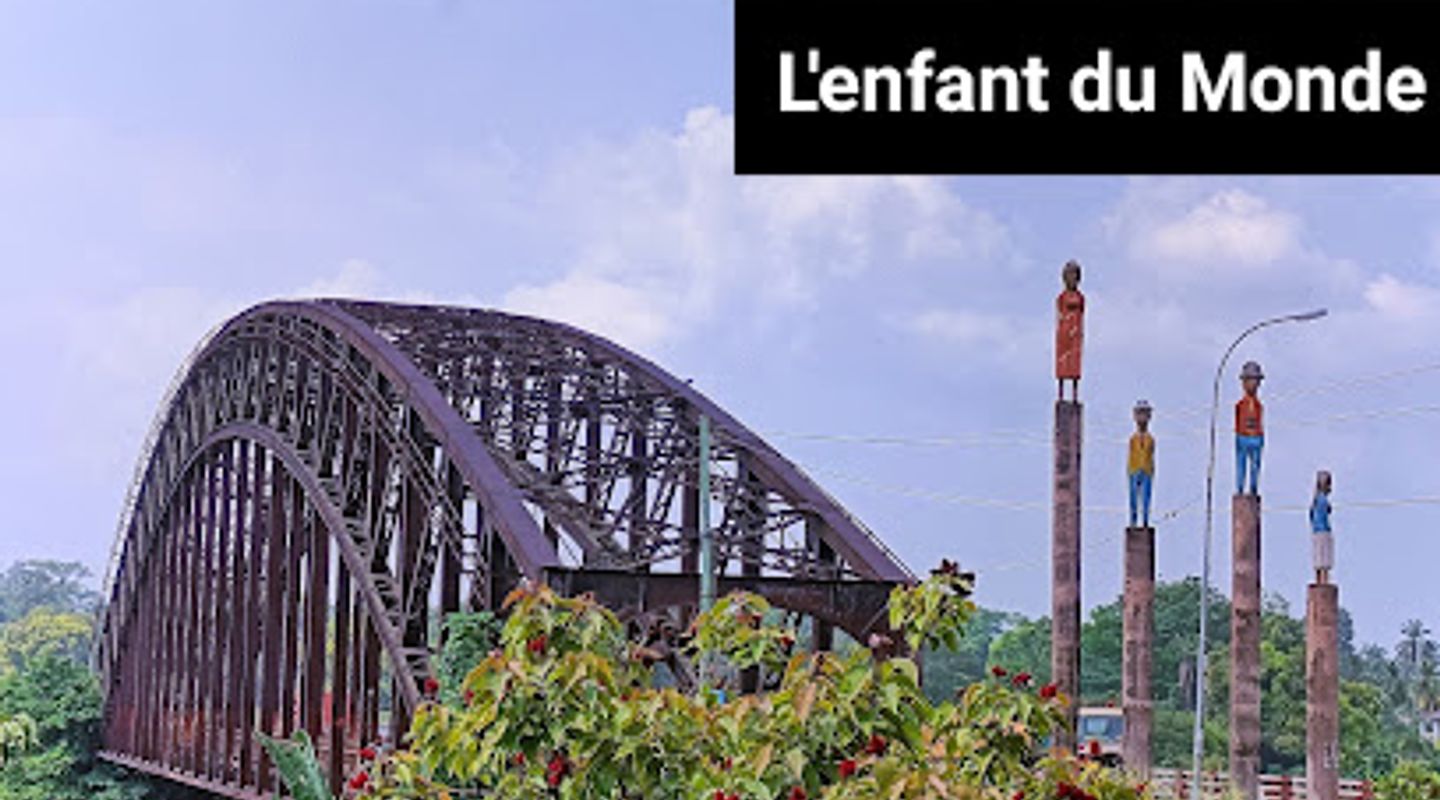
The Pont Allemand d'Édéa, or German Bridge of Edéa, is a historic bridge built in 1911 by the Germans over the Sanaga River in Edéa, Cameroon. Originally called the Japoma Bridge, it was a crucial part of National Route N3 and the only road bridge over the Sanaga for many years.
- Address
- R44C+2F4, Edea
Getting there
Walking
Public Transport
Taxi
Discover more about Pont allemand d'Édéa
Overview
The Pont Allemand d'Édéa stands as a testament to early 20th-century engineering and Cameroon's colonial past. Constructed in 1911 by the Germans, the bridge, also known as the German Bridge, spans the Sanaga River, the largest river in Cameroon. For decades, it served as the sole road bridge across this significant waterway, playing a vital role in connecting the region.Originally named the Japoma Bridge, it formed part of the National Route N3, facilitating the movement of people and goods. In the 1980s, it uniquely accommodated both road and rail traffic, including the Transcameroon Railway, with vehicles, trains, and pedestrians sharing a single lane.Adorning each side of the bridge are four statues of seated men and women atop pylons, adding an artistic element to the structure. The bridge has become a landmark in Edéa, representing a blend of history, engineering, and local culture. To celebrate its centennial, the Goethe-Institut Kamerun commemorated the bridge's history alongside the 50th anniversary of collaboration between the Goethe-Institut and Cameroon.
Evendo Review Centre
 Google
Guest reviews
Explore Pont allemand d'Édéa on the map
A handpicked selection of must-see spots near Pont allemand d'Édéa, mapped for you.
Get your free copy of our complete guide to Pont allemand d'Édéa, delivered straight to you.
Everything on this page, from opening hours and how to get there to Eve’s tips and the best time to go, in one PDF you can read offline, print or share.
Already have an account? Sign in
Your Pont allemand d'Édéa guide is ready.
We'll send it to · Not you? Sign out

Getting your guide ready…
We are putting together a fresh copy of the Pont allemand d'Édéa guide. This can take up to a minute.
This can take a few moments. If your browser asks, choose Allow so the download can start. You'll find the guide in your Downloads folder.
Nothing happened? Download it again
Sorry, the guide is taking longer than usual. Please try again in a minute, or get it by email instead.
Other nearby places you may find interesting
The closest places of the same kind, if this one is not quite what you had in mind.
-
-
-
-
-


Swipe for more places
More to explore near Pont allemand d'Édéa

 Best experiences near Pont allemand d'Édéa
 Best hotels near Pont allemand d'Édéa
 Best landmarks near Pont allemand d'Édéa
 Best attractions near Pont allemand d'Édéa
 Best shops near Pont allemand d'Édéa
 Best restaurants near Pont allemand d'Édéa
 Best bars near Pont allemand d'Édéa
Do you manage this location?
Take control to get all the benefits, like improved information, better appearance, and stronger visibility across AI-powered discovery.
Explore more

Explore more of Littoral
Discover the Littoral region of Cameroon, where bustling cities, pristine beaches, and rich cultural heritage create an unforgettable coastal getaway.
Explore Littoral
Explore more of Cameroon
Discover Cameroon: A Land of Diverse Landscapes, Rich Cultural Heritage, and Unforgettable Adventures in the Heart of Africa.
Explore Cameroon
