

Lachine Canal Travel Guide
Free Guide: Explore Montreal's industrial heritage and natural beauty at the Lachine Canal, a scenic urban park offering biking, boating, and historical insights.


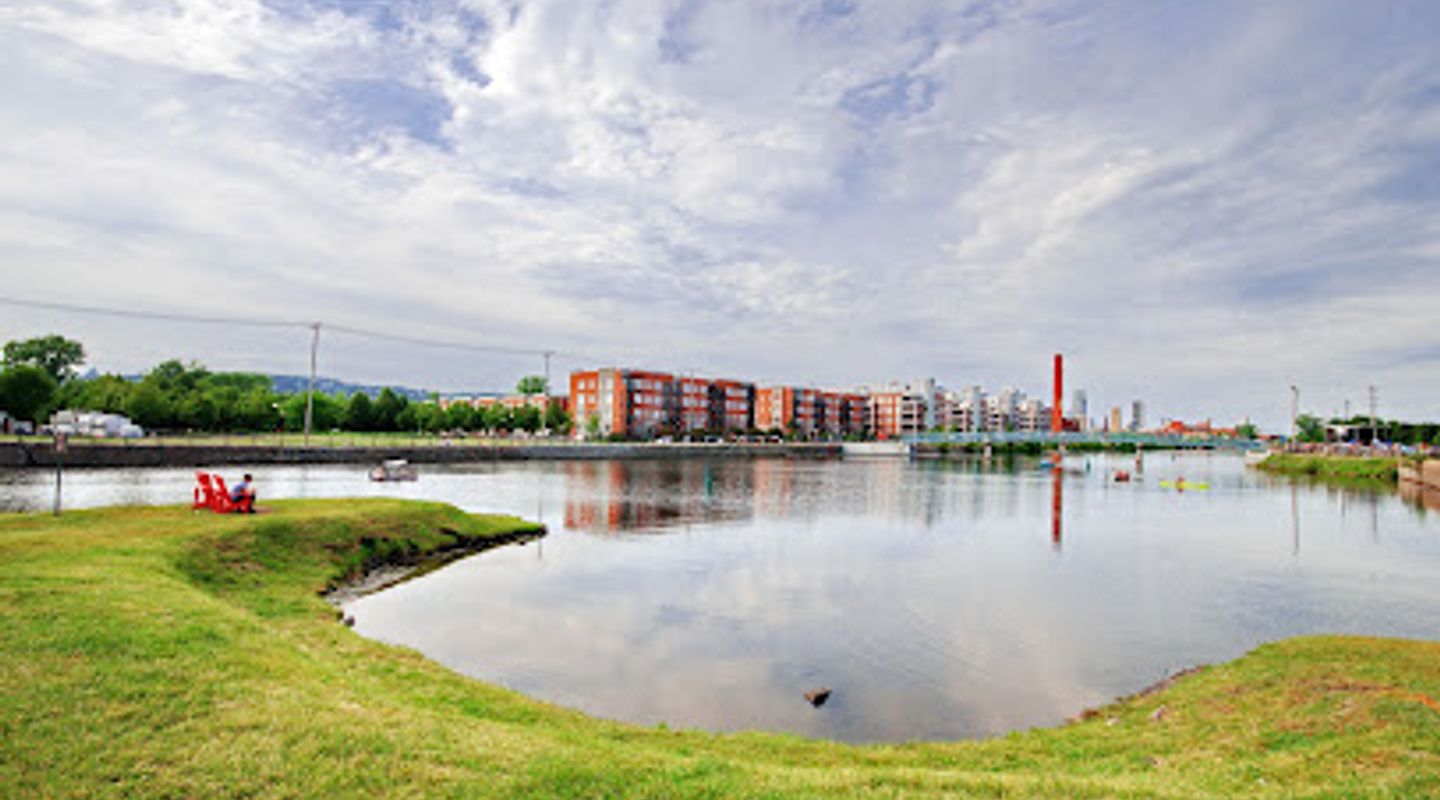
A brief summary of Lachine Canal
Explore Montreal's industrial heritage and natural beauty at the Lachine Canal, a scenic urban park offering biking, boating, and historical insights.
The Lachine Canal, a National Historic Site, is a 14.5-kilometer canal running through Montreal, Quebec, from the Old Port to Lake Saint-Louis. Once a vital industrial waterway, it now serves as a scenic urban park with a rich history, offering walking and biking paths, recreational boating, and a glimpse into Montreal's past.
- Address
- Montreal, QC
Getting there
Public Transport
Walking
Parking
Discover more about Lachine Canal
Overview
The Lachine Canal National Historic Site offers a unique blend of history, recreation, and urban scenery in Montreal. The canal's story dates back to the late 17th century when early settlers envisioned a waterway to bypass the Lachine Rapids on the St. Lawrence River. The original purpose was to facilitate the fur trade and power water mills. Construction began in 1821, and the Lachine Canal officially opened in 1825, transforming Montreal into a major port and attracting industries to its banks.For nearly 150 years, the Lachine Canal served as a crucial commercial route, playing a significant role in the industrial development of Montreal and Canada. Its strategic location between the eastern and western portions of the St. Lawrence River led to a concentration of industrial establishments, contributing to the growth of the Port of Montreal and solidifying the city's position as Canada's first metropolis. However, with the opening of the St. Lawrence Seaway in 1959, the Lachine Canal became obsolete for commercial navigation and was closed to shipping in 1970.In 1978, Parks Canada took over part of the canal and began developing it for tourism. Today, the Lachine Canal is a vibrant urban park enjoyed by over a million visitors each year. A bike path runs along the entire canal, offering a scenic route for cyclists and pedestrians. Visitors can also enjoy kayaking, canoeing, paddleboarding, and pleasure boating on the canal's waters. In winter, a section of the canal path is groomed for snowshoeing and other winter activities. The Lachine Canal offers a unique opportunity to explore Montreal's industrial past while enjoying outdoor recreation in an urban setting.
Evendo Review Centre
 Google
Guest reviews
Explore Lachine Canal on the map
A handpicked selection of must-see spots near Lachine Canal, mapped for you.
Get your free copy of our complete guide to Lachine Canal, delivered straight to you.
Everything on this page, from opening hours and how to get there to Eve’s tips and the best time to go, in one PDF you can read offline, print or share.
Already have an account? Sign in
Your Lachine Canal guide is ready.
We'll send it to · Not you? Sign out

Getting your guide ready…
We are putting together a fresh copy of the Lachine Canal guide. This can take up to a minute.
This can take a few moments. If your browser asks, choose Allow so the download can start. You'll find the guide in your Downloads folder.
Nothing happened? Download it again
Sorry, the guide is taking longer than usual. Please try again in a minute, or get it by email instead.
Unlock the best of Lachine Canal
Skip-the-line tickets, guided tours with entry, and walking tours of the area, booked in a few clicks.

Other nearby places you may find interesting
The closest places of the same kind, if this one is not quite what you had in mind.
-
-
-

-
-


Swipe for more places
More to explore near Lachine Canal

 Best experiences near Lachine Canal
 Best hotels near Lachine Canal
 Best landmarks near Lachine Canal
 Best attractions near Lachine Canal
 Best shops near Lachine Canal
 Best restaurants near Lachine Canal
 Best bars near Lachine Canal
Do you manage this location?
Take control to get all the benefits, like improved information, better appearance, and stronger visibility across AI-powered discovery.
Explore more
Explore more of Atlantic Canada
Explore Atlantic Canada: Experience the charm of small towns, stunning coastal views, and rich cultural heritage across New Brunswick, Newfoundland and Labrador, Nova Scotia, and Prince Edward Island.
Explore Atlantic Canada
Explore more of Canada
Discover Canada's breathtaking landscapes, diverse cities, and rich cultural heritage. A must-visit destination for outdoor adventures and vibrant urban experiences.
Explore Canada
