

Free Atlantic Canada Travel Guide & Mobile App
Explore Atlantic Canada with free travel guides. Discover regional history, expert tips, proposed trips, and audio guides on web or mobile app.


Explore Atlantic Canada for rugged coastlines, historic ports, Indigenous and Acadian cultures, national parks, seafood and memorable road journeys.
Read more about Atlantic Canada
When is the best time to visit Atlantic Canada?
Best: June–August · 19–22°C| Month | High (°C) | Rainfall (mm) |
|---|---|---|
| January | -3 | 110 |
| February | -3 | 100 |
| March | 3 | 105 |
| April | 9 | 105 |
| May | 14 | 98 |
| June (best) | 19 | 101 |
| July (best) | 22 | 105 |
| August (best) | 21 | 102 |
| September | 18 | 119 |
| October | 13 | 131 |
| November | 7 | 127 |
| December | 0 | 130 |
Getting to and around Atlantic Canada
How to get there
Transportation
Top city travel guides in Atlantic Canada
The cities of Atlantic Canada, and the easiest places to base yourself.

Swipe for more cities
Destinations in Atlantic Canada
Resorts, valleys and scenic spots worth a trip of their own.
-

-

-

-


Swipe for more destinations
Best attractions in Atlantic Canada
Atlantic Canada's attractions are shaped by the meeting of ocean, forest, farmland and long-settled communities. National parks provide some of the region's most varied landscapes: Cape Breton Highlands National Park has elevated coastal scenery, Fundy National Park protects forest and Bay of Fundy shorelines, Prince Edward Island National Park combines dunes and beaches, and Gros Morne National Park is noted for its fjords, mountains and exposed geological history. Historic sites range from the Fortress of Louisbourg National Historic Site and Halifax's Citadel to L'Anse aux Meadows, the Norse archaeological site in northern Newfoundland. Museums and living-history attractions explore Acadian, Indigenous, maritime, military and industrial themes. Whale-watching, sea-kayaking, coastal hiking, birdwatching and lighthouse visits are widespread, but the best locations are dispersed across four large provinces. In towns, visitor experiences include waterfront walks, galleries, music venues, heritage districts and public markets; outside them, the emphasis shifts towards geology, wildlife, working harbours and wide-open coastal routes.
-
Historical landmark
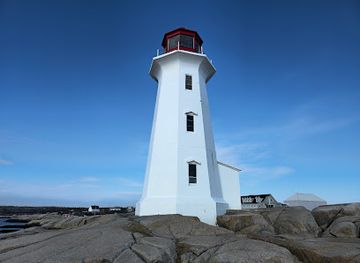
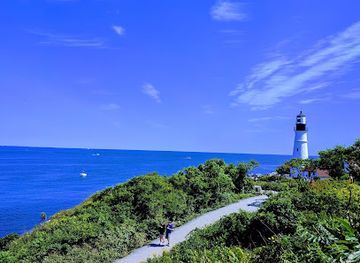
Peggy's Cove Lighthouse
Experience the breathtaking beauty and rich maritime history of Peggy's Cove Lighthouse, an iconic landmark in Nova Scotia's stunning coastal landscape.
-
Garden
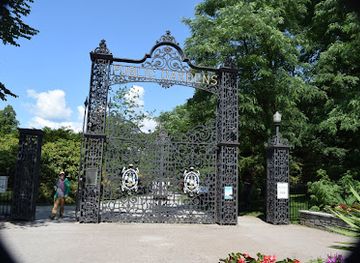
Halifax Public Gardens
Explore the Halifax Public Gardens, a historical park that showcases stunning Victorian landscapes and offers a tranquil escape in the heart of Halifax.
-
Park
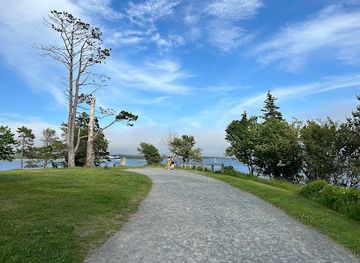
Point Pleasant Park
Experience the beauty and history of Point Pleasant Park in Halifax, a stunning urban oasis perfect for nature lovers and outdoor enthusiasts.
-
Tourist attraction
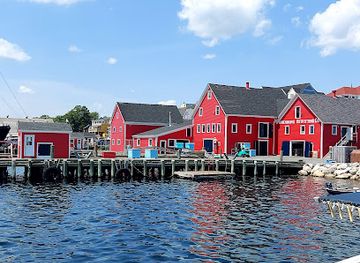
Lunenburg Waterfront
Experience the vibrant culture and breathtaking views at Lunenburg Waterfront, a UNESCO World Heritage Site in Nova Scotia.
Best landmarks in Atlantic Canada
Atlantic Canada's landmarks reflect colonial rivalry, maritime work, Indigenous presence, distinctive geology and the region's long relationship with the sea. Halifax Citadel National Historic Site occupies the hill above the harbour and explains the city's military importance, while the Fortress of Louisbourg preserves a major French colonial settlement on Cape Breton Island. Lunenburg's historic waterfront and colourful wooden architecture record the development of a planned British colonial port and shipbuilding community. In New Brunswick, the Hopewell Rocks are recognisable tidal formations on the Bay of Fundy, and the Reversing Falls near Saint John demonstrate the force of the region's exceptional tides. Charlottetown's historic civic core is associated with the meetings that led towards Canadian Confederation. In Newfoundland and Labrador, Signal Hill overlooks the entrance to St John's harbour, Gros Morne's Tablelands and fjords reveal unusual geological history, and L'Anse aux Meadows marks the known Norse presence in North America. These places are separated by substantial distances and belong to different provincial landscapes.
-
-
Tourist attraction
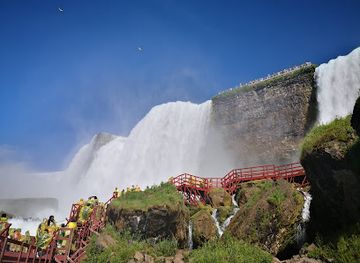
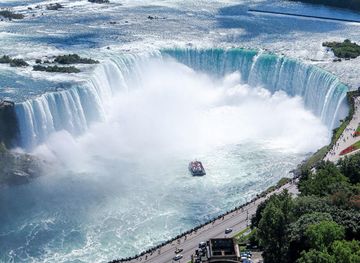
Journey Behind the Falls
Experience the raw power of Niagara Falls from behind the cascading water, exploring historic tunnels and breathtaking observation decks.
-
 Observation deck
Skylon Tower
Experience breathtaking panoramic views of Niagara Falls from the iconic Skylon Tower, featuring dining and observation deck experiences.
-
Historical landmark
Peggy's Cove Lighthouse
Discover the iconic Peggy's Cove Lighthouse, a symbol of Nova Scotia's maritime heritage and a must-see destination on the South Shore.
Explore Atlantic Canada on the map
Plan your trip on one map. See where the top cities, national parks and sights are, and book hotels and experiences in a few clicks.
Best hotels in Atlantic Canada
Best restaurants in Atlantic Canada
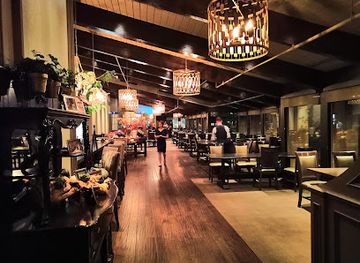
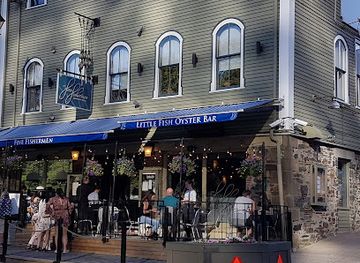
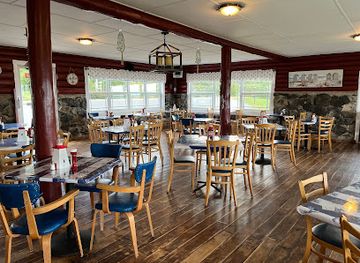
Dining in Atlantic Canada draws heavily on the cold North Atlantic, the Bay of Fundy, fertile river valleys and small-scale farms. Lobster, crab, oysters, mussels, scallops and cod appear widely, while Prince Edward Island is particularly associated with potatoes and other farm produce. Nova Scotia offers seafood restaurants, farm-to-table cooking and the Halifax donair, while New Brunswick's Acadian communities contribute dishes such as râpure, often known as rappie pie, and other French-influenced traditions. Newfoundland and Labrador has distinctive home-style foods including toutons and regional fish dishes, alongside a growing contemporary restaurant scene. Berry desserts, apples, maple products, local cheeses, craft beer and cider are common across the provinces. Rural inns, harbour cafés, pubs and farmers' markets can be as representative of the region's food culture as formal restaurants, and seasonal availability matters more than a single uniform Atlantic cuisine.
-
Italian
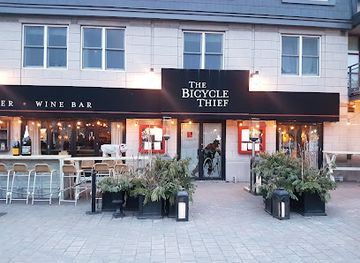
The Bicycle Thief
Experience exquisite Italian cuisine at The Bicycle Thief – where fine dining meets breathtaking waterfront views in Halifax.
-
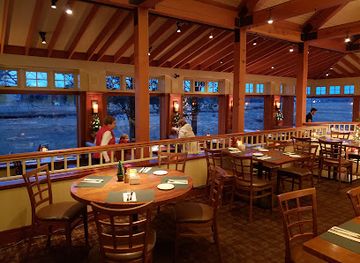
Restaurant
Ancaster Mill
Discover Ancaster Mill: A unique restaurant blending fine dining with breathtaking natural surroundings in Ontario's scenic landscape.
-
Seafood
The Five Fishermen
Discover exquisite seafood dining at The Five Fishermen in Downtown Halifax – where history meets modern culinary excellence.
-
Family-friendly
Rusty Anchor Restaurant
Experience delightful seafood dining with stunning coastal views at Rusty Anchor Restaurant on Nova Scotia's Cabot Trail.
Best bars in Atlantic Canada
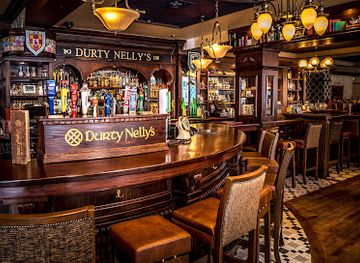
Evening life varies sharply across Atlantic Canada. Halifax has the region's broadest concentration of pubs, cocktail bars, live music rooms, breweries and late-night venues, with additional nightlife in university-centred areas and in central Dartmouth. St John's is known for traditional pubs, local music and a sociable live-performance culture, while Charlottetown, Fredericton, Moncton and Saint John offer smaller but active selections of bars, breweries, restaurants and theatres. In coastal and rural areas, evenings generally revolve around pubs, inns, community events and occasional live music rather than nightclubs. Local breweries and cider makers are found in several towns, and wine tourism is established in parts of Nova Scotia's Annapolis Valley. Opening arrangements and seasonal activity vary, particularly outside the provincial capitals, so visitors should expect quieter nights in smaller communities and avoid treating alcohol as the defining feature of regional culture.
-
Irish pub
Durty Nelly's Irish Pub
Discover the heart of Irish culture at Durty Nelly's Irish Pub in Halifax, offering delicious food, great drinks, and a lively atmosphere.
-
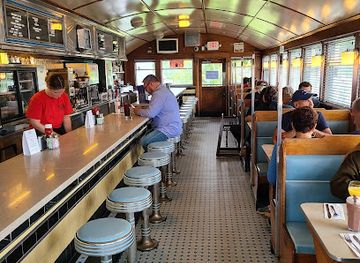
Breakfast
Miss Portland Diner
Experience the charm of a classic American diner at Miss Portland Diner, where breakfast dreams come true in the heart of Maine.
-
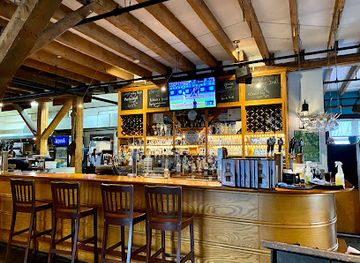
Brewpub
Rudder's Seafood Restaurant & Brewery
Discover the best of Nova Scotia's seafood and craft beers at Rudder's Seafood Restaurant & Brewery in Yarmouth.
-
American
The Marshside
Experience the best of American seafood at The Marshside, a charming restaurant in East Dennis, MA, perfect for seafood lovers and cocktail enthusiasts.
Best nightclubs in Atlantic Canada
Evening life varies sharply across Atlantic Canada. Halifax has the region's broadest concentration of pubs, cocktail bars, live music rooms, breweries and late-night venues, with additional nightlife in university-centred areas and in central Dartmouth. St John's is known for traditional pubs, local music and a sociable live-performance culture, while Charlottetown, Fredericton, Moncton and Saint John offer smaller but active selections of bars, breweries, restaurants and theatres. In coastal and rural areas, evenings generally revolve around pubs, inns, community events and occasional live music rather than nightclubs. Local breweries and cider makers are found in several towns, and wine tourism is established in parts of Nova Scotia's Annapolis Valley. Opening arrangements and seasonal activity vary, particularly outside the provincial capitals, so visitors should expect quieter nights in smaller communities and avoid treating alcohol as the defining feature of regional culture.
-
Live Music
Coda
Discover Coda in Toronto for unforgettable live music, mouth-watering cuisine, and an electric atmosphere that unites music lovers and foodies.
-
Bar
The Fifth Social Club
Experience upscale nightlife at The Fifth Social Club, Toronto's chic bar and lounge with vibrant music and exquisite décor.
-
Night club
Dragonfly Nightclub
Dive into the vibrant nightlife at Dragonfly Nightclub in Niagara Falls, where great music and an electric atmosphere await every visitor.
-
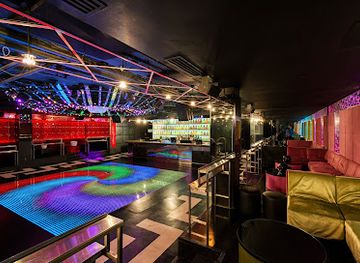
Night club
Club Electric Avenue
Discover the vibrant nightlife at Club Electric Avenue in Montreal, where energetic music and a diverse crowd create unforgettable nights.



Best shops in Atlantic Canada
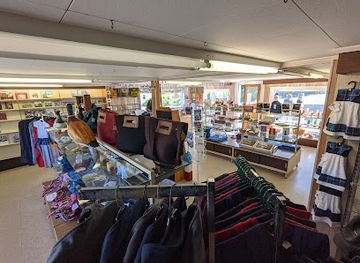
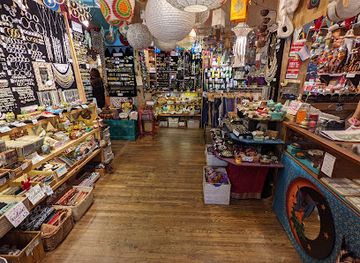
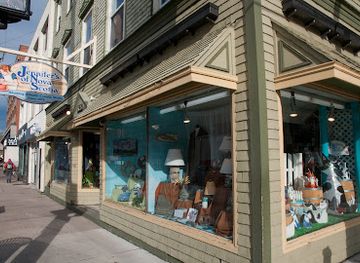
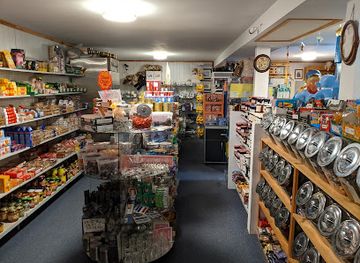
Shopping in Atlantic Canada is strongest in historic downtowns, waterfront districts, market halls and independent high streets rather than in one continuous retail area. Halifax offers the region's broadest urban choice, including local design, books, galleries, food shops and the Seaport Farmers' Market. Saint John, Fredericton, Moncton, Charlottetown and St John's each have central streets with independent retailers, crafts, cafés and galleries, although opening patterns can be seasonal in smaller communities. Useful regional purchases include preserves, smoked seafood, maple products, locally made beer or cider, pottery, textiles, prints and jewellery. Acadian, Mi'kmaq, Inuit and other Indigenous-made work should be bought through reputable artists, galleries or cultural organisations that identify makers and provenance clearly. Coastal villages often have small craft and food shops, while rural markets are good places to find produce and baking. Travellers on long road routes should not assume that every town will have late-opening shops or a full range of services.
-
Gift shop
Peggy's Cove Gift Shop
Explore the enchanting Peggy's Cove Gift Shop for unique souvenirs and locally crafted treasures that embody the essence of Nova Scotia.
-
Boutique
Black Market Boutique
Uncover the creative heartbeat of Halifax at Black Market Boutique, where local artistry meets unique fashion and exclusive finds.
-
Gift shop
Jennifer's Of Nova Scotia
Discover unique Canadian gifts and local artisan treasures at Jennifer's Of Nova Scotia, a must-visit gift shop in Halifax for all tourists.
-
Gift shop
Atlantic Dutch Shop
Explore the Atlantic Dutch Shop: A treasure trove of local gifts and groceries in East Lawrencetown, Nova Scotia.
Get your free copy of our complete guide to Atlantic Canada, delivered straight to you.
Everything on this page, from attractions and restaurants to essentials and local phrases, in one PDF you can read offline, print or share.
Already have an account? Sign in
Your Atlantic Canada guide is ready.
We'll send it to · Not you? Sign out

Getting your guide ready…
We are putting together a fresh copy of the Atlantic Canada guide. This can take up to a minute.
This can take a few moments. If your browser asks, choose Allow so the download can start. You'll find the guide in your Downloads folder.
Nothing happened? Download it again
Sorry, the guide is taking longer than usual. Please try again in a minute, or get it by email instead.
Atlantic Canada essentials
Currency and Payment
Safety
Emergency Situations
Do's and Don'ts
Local Tips
From Eve
Local phrases worth knowing
You don't need to get them perfect. A few words go a long way, and locals appreciate the effort.
Basics
| English | Local | Say it |
|---|---|---|
| Hello | Hey there | [Hey thair] |
| Goodbye | Take care | [Tayk cair] |
| Yes | Aye | [Ay] |
| No | Naw | [Naw] |
| Please/You're welcome | No problem | [No prahblum] |
| Thank you | Thanks a lot | [Thangs a laht] |
| Excuse me/Sorry | Sorry 'bout that | [Sorry 'bout thaht] |
| How are you? | How's it goin'? | [How's it goin'?] |
| Fine. And you? | Good, and you? | [Good, an' you?] |
| Do you speak English? | Do ya speak English? | [Doo ya speek English?] |
| I don't understand | I don’t get it | [I don’t git it] |
Eating & Drinking
| English | Local | Say it |
|---|---|---|
| I'd like to see the menu, please | Can I see the menu, please? | [Can I see the menoo, pleez?] |
| I don't eat meat | I don't eat meat | [I don’t eet meet] |
| Cheers! | Cheers! | [Cheers!] |
| I would like to pay, please | Can I settle up, please? | [Can I settle up, pleez?] |
Emergencies
| English | Local | Say it |
|---|---|---|
| Help! | Help! | [Help!] |
| Go away! | Get lost! | [Get lost!] |
| Call the Police! | Call the cops! | [Call the cops!] |
| Call a doctor! | Get a doctor, quick! | [Get a doctor, quick!] |
| I'm lost | I’m all turned around | [I’m all terned around] |
| I'm ill | I’m not feelin' well | [I’m not feelin' well] |
Shopping
| English | Local | Say it |
|---|---|---|
| I'd like to buy... | I wanna buy... | [I wanna buy...] |
| I'm just looking | Just browsing, thanks | [Just browsin', thangs] |
| How much is it? | What’s the price? | [What’s the prahce?] |
| That's too expensive | That’s a bit pricey | [That’s a bit pricy] |
| Can you lower the price? | Can ya knock down the price? | [Can ya knock down the prahce?] |
Time & Numbers
| English | Local | Say it |
|---|---|---|
| What time is it? | What time ya got? | [What time ya got?] |
| It's one o'clock | It’s one o'clock | [It’s one o'clock] |
| Half past (10) | Half past ten | [Half past ten] |
| Morning | Mornin' | [Mornin'] |
| Afternoon | Afternoon | [Afternooon] |
| Evening | Evenin' | [Evenin'] |
| Yesterday | Yesterday | [Yesturdai] |
| Today | Today | [Today] |
| Tomorrow | Tomorrow | [Tomorra] |
| 1 | One | [Wun] |
| 2 | Two | [Too] |
| 3 | Three | [Three] |
| 4 | Four | [Four] |
| 5 | Five | [Five] |
| 6 | Six | [Six] |
| 7 | Seven | [Seven] |
| 8 | Eight | [Eight] |
| 9 | Nine | [Nine] |
| 10 | Ten | [Ten] |
Transport & Directions
| English | Local | Say it |
|---|---|---|
| Where's a/the...? | Where's the ...? | [Where's the ...?] |
| What's the address? | What’s the address? | [What’s the ad-dress?] |
| Can you show me (on the map)? | Can ya show me on the map? | [Can ya show me on the map?] |
| When's the next (bus)? | When’s the next bus? | [When’s the next bus?] |
| A ticket (to ....) | A ticket to ... | [A ticket to ...] |
History of Atlantic Canada
Indigenous Peoples and Ancient Maritime Worlds
Atlantic Canada has been home to Indigenous peoples for thousands of years. Mi'kmaq communities occupy much of present-day Nova Scotia, Prince Edward Island and parts of New Brunswick, while Wolastoqiyik and Passamaquoddy peoples have longstanding connections with the Saint John River and Bay of Fundy region. Innu and Inuit communities are central to the history and contemporary identity of Labrador, and the Beothuk lived in Newfoundland before their communities were devastated by colonial expansion, disease and displacement. Archaeological evidence, oral histories and living communities all demonstrate that the region's story predates European settlement by many millennia.
Norse Voyages at L'Anse aux Meadows
Around a thousand years ago, Norse voyagers established a temporary settlement at L'Anse aux Meadows on the northern tip of Newfoundland. The excavated turf buildings, ironworking evidence and artefacts provide the clearest archaeological proof of a Norse presence in North America beyond Greenland. The settlement appears to have been short-lived, but it is important evidence of early transatlantic exploration and contact. Today, the site forms part of a broader cultural landscape associated with the maritime routes and Indigenous worlds that existed long before permanent European colonisation.
Acadia and French Colonial Settlement
French settlement developed in parts of present-day Nova Scotia, New Brunswick and Prince Edward Island from the early seventeenth century, creating Acadia as a distinctive cultural and political community. Port Royal, in present-day Nova Scotia, became an important early centre, while agriculture expanded around the Bay of Fundy and across the isthmus connecting present-day New Brunswick and Nova Scotia. Acadian society developed its own traditions, language varieties and relationship with the coastal environment. The British conquest of Acadia and the later deportation of many Acadians profoundly shaped the region, while Acadian communities and culture continued and remain central to Atlantic Canada's identity.
British Rule, Loyalist Settlement and Colonial Ports
During the eighteenth century, Britain consolidated control over the Atlantic colonies through warfare, treaties and settlement. Halifax was founded in 1749 as a British naval and military base, and other ports grew through shipbuilding, trade and fishing. After the American Revolution, Loyalist refugees settled in large numbers along the Saint John River and elsewhere in the Maritime colonies, contributing to the development of towns such as Saint John and Fredericton. Fortifications, historic waterfronts and colonial street plans in several communities reflect the region's strategic importance in the North Atlantic.
Fishing, Shipbuilding and the Maritime Economy
For centuries, Atlantic economies depended on cod and other fisheries, coastal trade, timber, shipbuilding and seafaring. Newfoundland's outport communities were particularly shaped by the cod fishery, while Nova Scotia and New Brunswick developed major shipyards and merchant fleets. The nineteenth century brought prosperity to some ports but also vulnerability to changing markets, depleted stocks and difficult working conditions. Fishing remains culturally important, although its economic role has changed substantially. Maritime museums, waterfront warehouses, boatbuilding traditions and coastal communities preserve visible evidence of this long relationship with the ocean.
Confederation and the Railway Age
New Brunswick and Nova Scotia joined the Dominion of Canada at Confederation in 1867, while Prince Edward Island entered in 1873 and Newfoundland joined Canada in 1949 after a separate period as a dominion and then commission government. Railways and steamships connected Atlantic ports with central Canada and encouraged trade, migration and industrial development. The Intercolonial Railway, established in the late nineteenth century, helped link the Maritime provinces to the wider Canadian economy. Confederation did not erase regional, linguistic or political differences, many of which continue to shape Atlantic public life.
Modern Transformation and Cultural Renewal
The twentieth and early twenty-first centuries brought major changes: rural depopulation, the decline of some traditional industries, new offshore energy activity, expanded universities and hospitals, and the growth of tourism and cultural enterprises. The cod moratorium in Newfoundland and Labrador in 1992 had especially severe social and economic consequences for fishing communities. At the same time, Acadian, Gaelic, Mi'kmaq, Newfoundland and Labrador, and other regional traditions have gained renewed visibility through language initiatives, museums, festivals, music and community-led cultural work. Atlantic Canada today combines historic industries with technology, education, arts, conservation and a growing interest in sustainable tourism.
Atlantic Canada in Photos
Browse through our photo collection highlighting the charm and character of the destination.
Neighbouring regions of Atlantic Canada
The closest regions to Atlantic Canada, if you have time for more than one.
-

-

-

-

-


Swipe for more regions
Explore more
Explore more of Canada
Discover Canada's breathtaking landscapes, diverse cities, and rich cultural heritage. A must-visit destination for outdoor adventures and vibrant urban experiences.
Explore Canada