

Cape Spear Travel Guide
Free Guide: Discover the rugged beauty and rich history of Cape Spear, the easternmost point of North America, offering stunning views and historical insights.


A brief summary of Cape Spear
Discover the rugged beauty and rich history of Cape Spear, the easternmost point of North America, offering stunning views and historical insights.
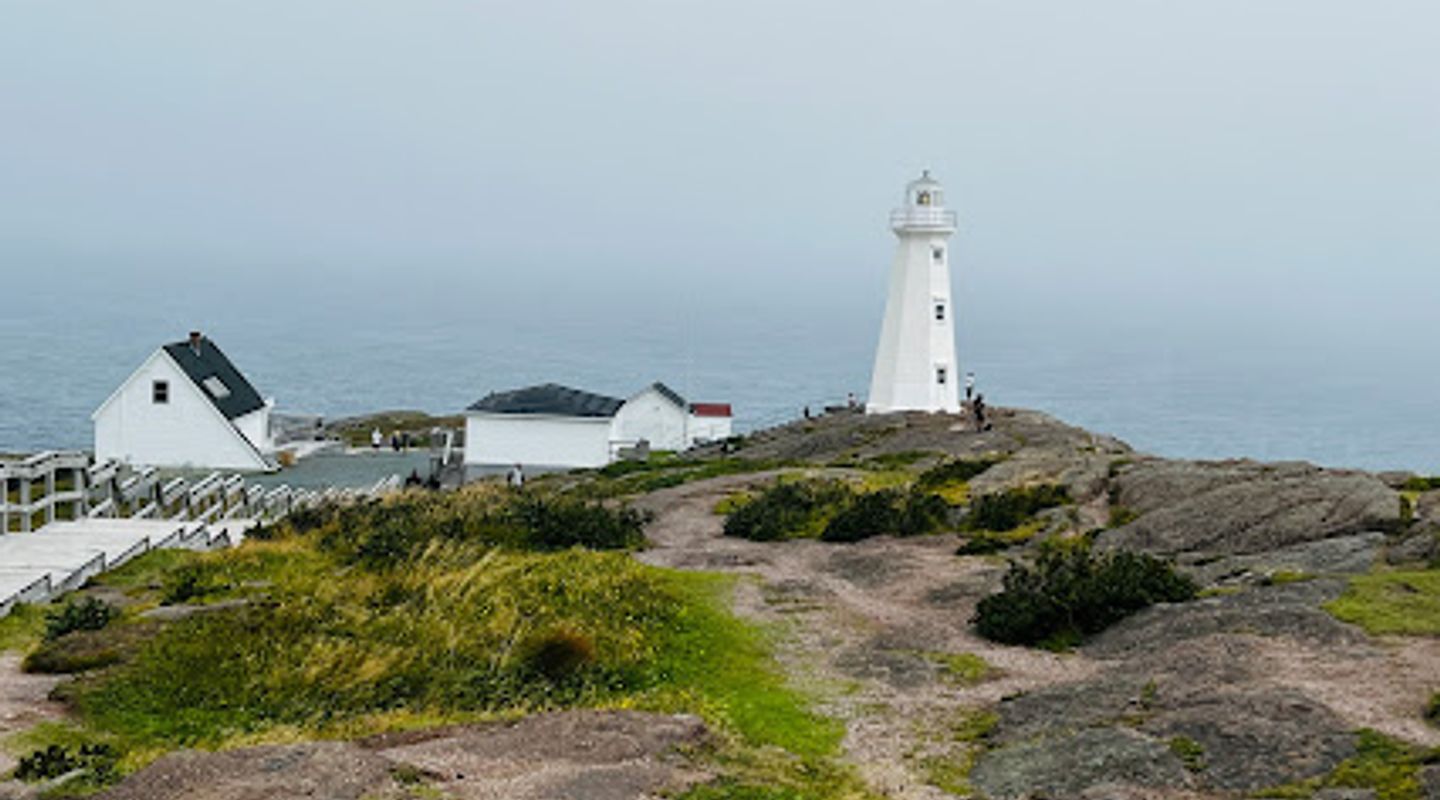
Cape Spear, the easternmost point of North America, offers a blend of natural beauty and historical significance. See the oldest surviving lighthouse in Newfoundland, explore WWII bunkers, and witness stunning ocean views where you might spot whales and icebergs.
- Address
- St. John's, NL A1C 5H2
Getting there
Driving
Taxi/Ride-Share
Discover more about Cape Spear
Overview
Cape Spear, the most easterly point in North America, has been an important navigational aid since Newfoundland's early exploration. Originally named "Cabo da Esperança" by Portuguese sailors, it later became "Cap d'Espoir" in French before finally being named Cape Spear by the English.The original lighthouse, built in 1836, is Newfoundland's oldest surviving lighthouse. Restored to its 1839 appearance, it showcases the life of a 19th-century lightkeeper and their family. A new concrete lighthouse was constructed in 1955, incorporating the original light.During World War II, Cape Spear's strategic location made it a key point in the Battle of the Atlantic. A coastal defense battery, known as Fort Cape Spear, was established with bunkers, underground passages, and two 10-inch guns to protect convoys from German U-boats. Today, the remains of the bunkers serve as a reminder of the war's impact.Visitors can explore the historic lighthouse, wander the WWII bunker complex, and enjoy the natural environment. Cape Spear is also an excellent spot for seeing seabirds, whales, and icebergs during the spring and summer months. The East Coast Hiking Trail passes through Cape Spear, providing access to some of the island's best hiking trails.
Evendo Review Centre
 Google
Guest reviews
Explore Cape Spear on the map
A handpicked selection of must-see spots near Cape Spear, mapped for you.
Get your free copy of our complete guide to Cape Spear, delivered straight to you.
Everything on this page, from opening hours and how to get there to Eve’s tips and the best time to go, in one PDF you can read offline, print or share.
Already have an account? Sign in
Your Cape Spear guide is ready.
We'll send it to · Not you? Sign out

Getting your guide ready…
We are putting together a fresh copy of the Cape Spear guide. This can take up to a minute.
This can take a few moments. If your browser asks, choose Allow so the download can start. You'll find the guide in your Downloads folder.
Nothing happened? Download it again
Sorry, the guide is taking longer than usual. Please try again in a minute, or get it by email instead.
Unlock the best of Cape Spear
Skip-the-line tickets, guided tours with entry, and walking tours of the area, booked in a few clicks.


Other nearby places you may find interesting
The closest places of the same kind, if this one is not quite what you had in mind.
-
-
-
-
-


Swipe for more places
More to explore near Cape Spear

 Best experiences near Cape Spear
 Best hotels near Cape Spear
 Best landmarks near Cape Spear
 Best attractions near Cape Spear
 Best shops near Cape Spear
 Best restaurants near Cape Spear
 Best bars near Cape Spear
Do you manage this location?
Take control to get all the benefits, like improved information, better appearance, and stronger visibility across AI-powered discovery.
Explore more

Explore more of Avalon Peninsula
Discover the Avalon Peninsula in Canada: A blend of vibrant city life, historic sites, and stunning natural landscapes. Perfect for adventurers and history enthusiasts alike.
Explore Avalon Peninsula
Explore more of Canada
Discover Canada's breathtaking landscapes, diverse cities, and rich cultural heritage. A must-visit destination for outdoor adventures and vibrant urban experiences.
Explore Canada
