Batoche National Historic Site: Echoes of the Métis Resistance
Discover the story of the Métis people and the North-West Resistance at this significant historical site in south-central Saskatchewan.
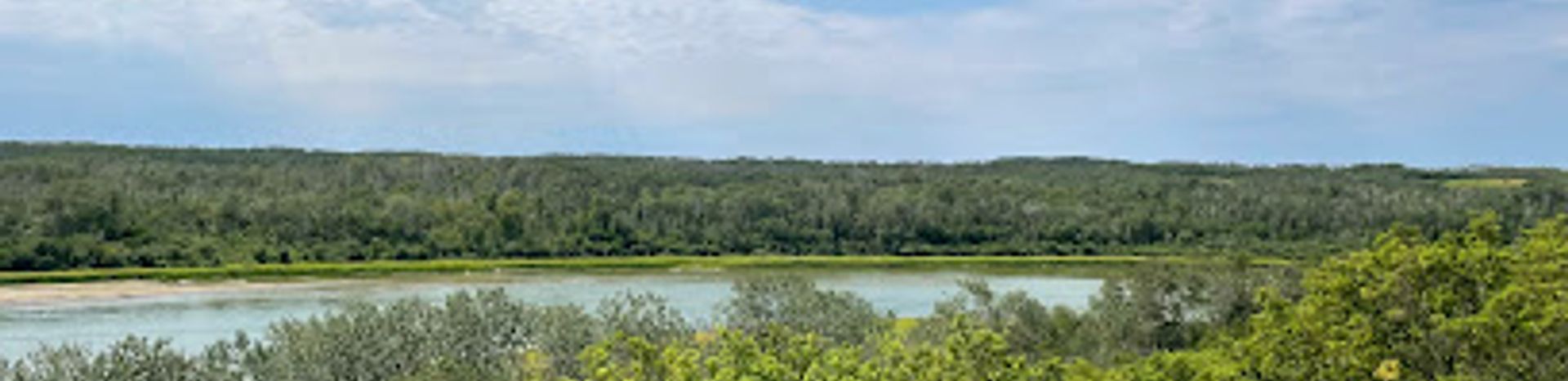
Explore Batoche National Historic Site, a place of profound historical significance in Saskatchewan, Canada. It marks the site of the 1885 North-West Resistance, led by Louis Riel and Gabriel Dumont, and serves as a symbol of Métis resilience and cultural heritage. Visitors can explore original buildings, rifle pits, and the serene landscape along the South Saskatchewan River, gaining insights into a pivotal moment in Canadian history.
A brief summary to Batoche National Historic Site
- Highway 225, Batoche, SK, S0K 3R0, CA
- +1306-423-6227
- Visit website
Local tips
- Check the Parks Canada website for seasonal hours of operation and special events before your visit.
- Wear comfortable shoes for walking the trails and exploring the grounds.
- Take the Batoche Shuttle for a comprehensive tour of the site.
- Visit the visitor center to view the multimedia presentation and learn about the history of the community.

Getting There
-
Driving
Batoche National Historic Site is located approximately 88 km northeast of Saskatoon. From Saskatoon, follow Highway 11 north to Rosthern, then turn east onto Highway 312. Follow Highway 312 for 16.4 km, crossing over the Gabriel Bridge to Junction 225. Turn left onto Highway 225 and drive 11 km north. The site is on the left-hand side. Highway 225 is a narrow highway that can have rough conditions, so drivers should proceed with caution. Parking is available on site.
Discover more about Batoche National Historic Site
Iconic landmarks you can’t miss

Graveside Memorial Co Ltd
68.8 km
Discover the artistry of memorialization at Graveside Memorial Co Ltd in Saskatoon, where lasting tributes honor cherished memories with grace.
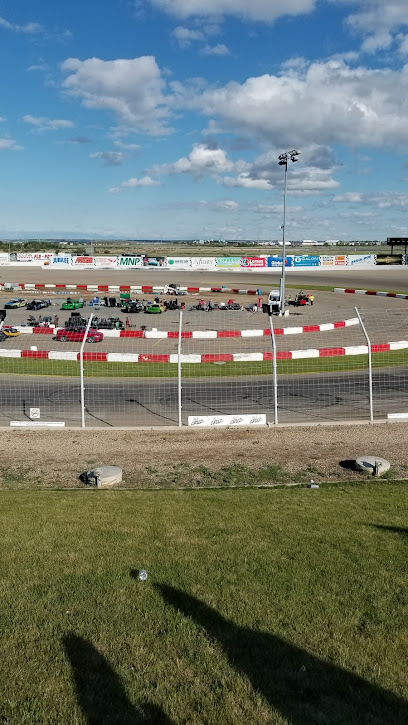
Sutherland Automotive Speedway
70.3 km
Feel the adrenaline at Sutherland Automotive Speedway, a premier racing venue in Saskatoon offering thrilling events and an electrifying atmosphere for motorsport fans.
Landmark Stone and Exteriors Inc.
70.9 km
Discover the art of stonework and exterior design at Landmark Stone and Exteriors in Saskatoon, where quality craftsmanship meets aesthetic appeal.
Summit Memorials Ltd. Saskatoon
71.0 km
Discover the artistry of granite memorials at Summit Memorials in Saskatoon, where memories are honored with elegance and skill.
Landmark Cinemas Saskatoon
75.3 km
Discover the magic of movies at Landmark Cinemas Saskatoon, where cinematic experiences come to life in style and comfort.
Eternal Memorials
76.9 km
Discover the artistry of remembrance at Eternal Memorials in Saskatoon, where memorials pay tribute to cherished legacies and inspire reflection.
Remco Memorials - Saskatoon
77.3 km
Explore the artistry of memorial craftsmanship at Remco Memorials in Saskatoon, where personal stories are honored through unique, handcrafted monuments.
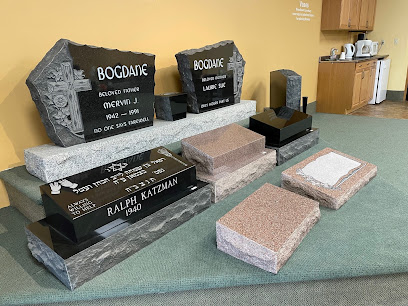
Diefenbaker Canada Centre
77.7 km
Explore Canada's political heritage at the Diefenbaker Canada Centre, celebrating the life and legacy of John Diefenbaker.
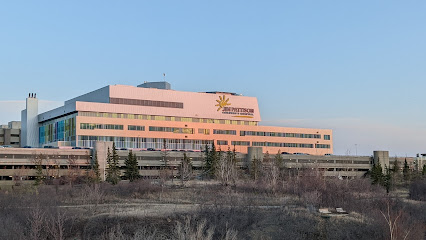
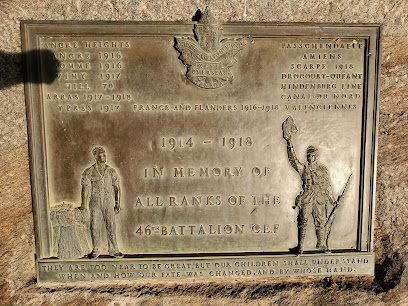
46 Battalion Canadian Expeditionary Force Memorial
77.8 km
Explore the 46 Battalion Canadian Expeditionary Force Memorial at the University of Saskatchewan, honoring the valor of Canadian soldiers from World War I.
Lesya Ukrainka
77.9 km
Explore the Lesya Ukrainka statue in Saskatoon, a stunning tribute to Ukrainian literary heritage set in the heart of the University of Saskatchewan.

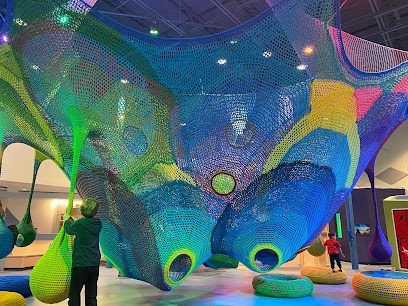
Nutrien Wonderhub
77.9 km
Discover a world of creativity and exploration at Nutrien Wonderhub, Saskatoon's premier children's museum filled with interactive fun and learning opportunities.
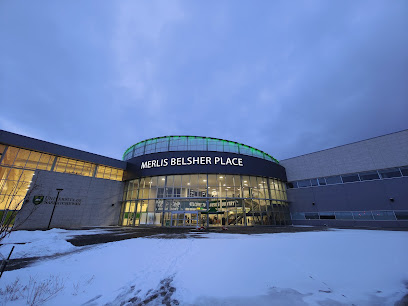
Merlis Belsher Place
78.1 km
Discover the excitement of Merlis Belsher Place in Saskatoon, a sports complex offering diverse recreational activities and thrilling events for all ages.
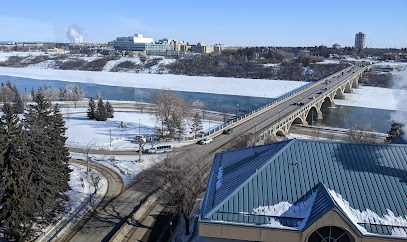
University Bridge
78.4 km
Experience breathtaking views and rich history at Saskatoon's University Bridge, a must-visit architectural gem connecting the city's vibrant landscape.
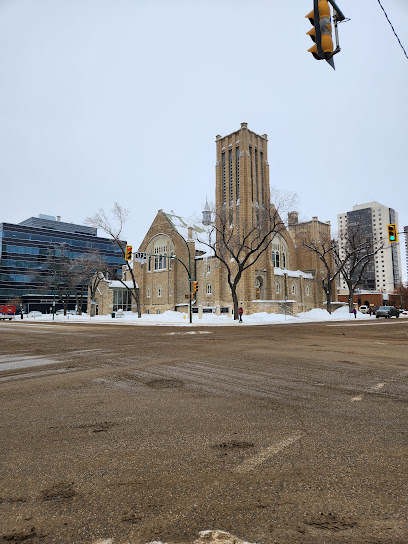
St. Vincent's Orthodox Church
78.6 km
Experience the beauty and tradition of St. Vincent's Orthodox Church in Saskatoon's vibrant downtown.
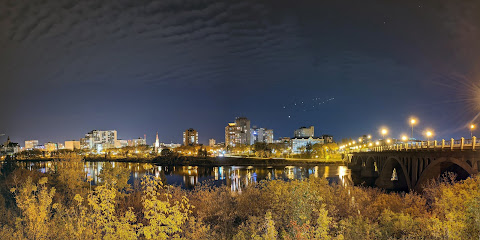
The Columbarium at St. John's Cathedral
78.6 km
Explore the tranquil beauty of The Columbarium at St. John's Cathedral, a serene sanctuary for reflection in the heart of Saskatoon.
Unmissable attractions to see

Duck Lake Regional Interpretive Center
9.9 km
Uncover the stories of Saskatchewan's past at the Duck Lake Regional Interpretive Center, a fascinating local history museum filled with engaging exhibits.
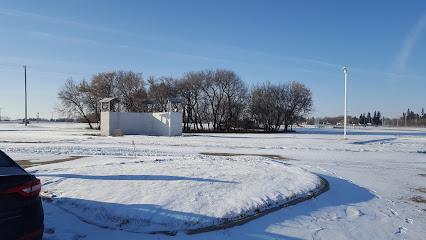
Seager Wheeler Farm
11.6 km
Explore the agricultural heritage of Saskatchewan at Seager Wheeler Farm, a historical site celebrating Canada's farming legacy.
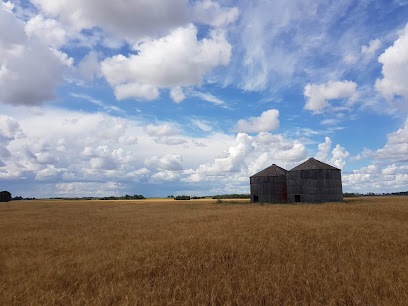
Fort Carlton Provincial Park
31.0 km
Experience the serene beauty and historical significance of Fort Carlton Provincial Park in Saskatchewan, a perfect destination for nature lovers and history buffs.
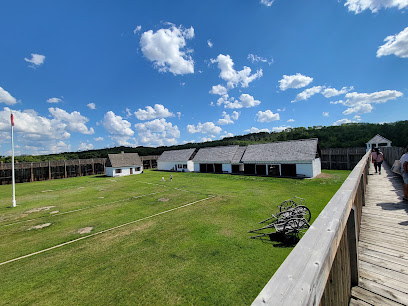
Evolution Of Education Museum
52.8 km
Explore the rich history of learning at the Evolution of Education Museum in Prince Albert, a captivating destination for education enthusiasts and tourists.
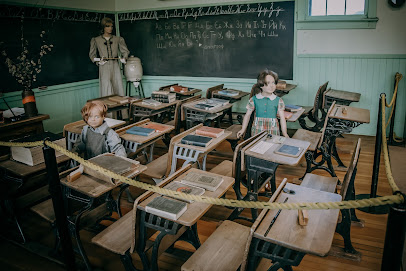
John and Olive Diefenbaker Museum
54.4 km
Explore the John and Olive Diefenbaker Museum in Prince Albert, Saskatchewan, and uncover the legacy of Canada's 13th Prime Minister in a charming historic setting.
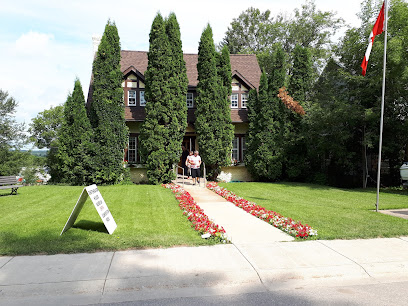
Prince Albert Historical Museum
55.6 km
Explore the rich history and cultural heritage of Saskatchewan at the Prince Albert Historical Museum, a must-see for history enthusiasts.
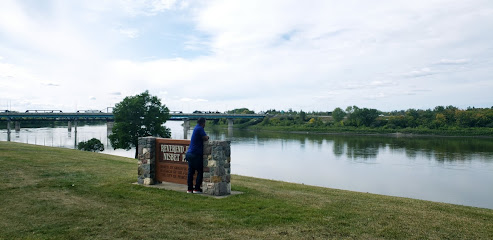
Prairie Oasis Park
58.6 km
Discover the tranquility of Prairie Oasis Park in Warman, Saskatchewan, a perfect blend of nature, recreation, and relaxation for every traveler.
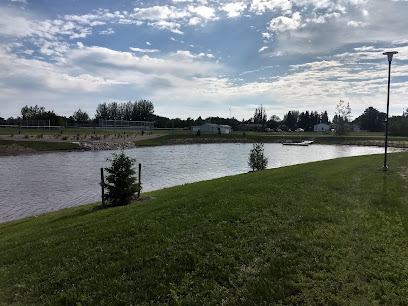
Wanuskewin
67.5 km
Explore the rich Indigenous heritage and stunning landscapes at Wanuskewin, a unique cultural and historical site near Saskatoon, Saskatchewan.
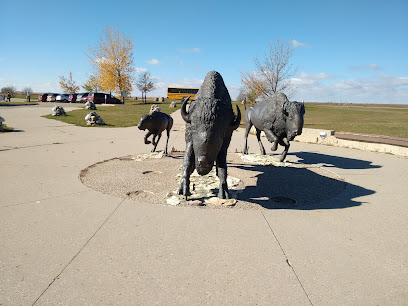
Northeast Swale
71.6 km
Explore the natural beauty of Northeast Swale, a tranquil nature preserve in Saskatoon, perfect for hiking, birdwatching, and enjoying the great outdoors.
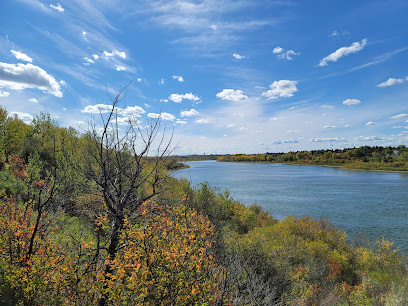
Rochdale Park
73.3 km
Explore the tranquil Rochdale Park in Saskatoon, a perfect blend of nature, community, and outdoor activities for tourists and locals alike.
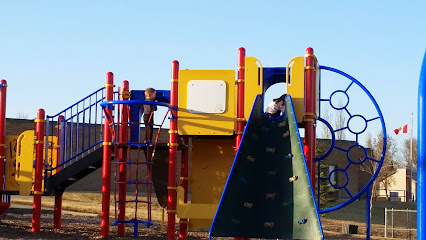
Saskatoon Forestry Farm Park & Zoo
73.6 km
Experience the vibrant wildlife and serene landscapes of Saskatoon Forestry Farm Park & Zoo, a perfect blend of nature and education in Saskatchewan.
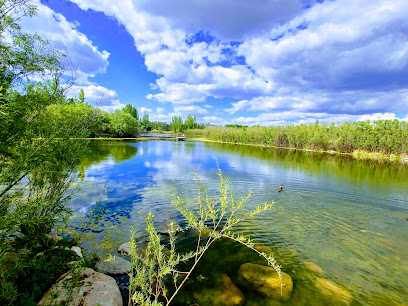
Meewasin Park
74.0 km
Explore the natural beauty and recreational wonders of Meewasin Park in Saskatoon, a perfect destination for relaxation and outdoor adventures.
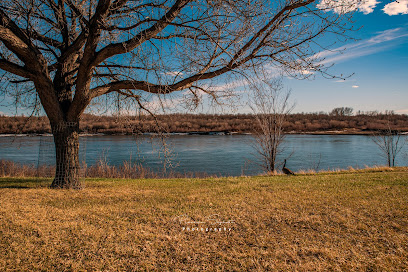
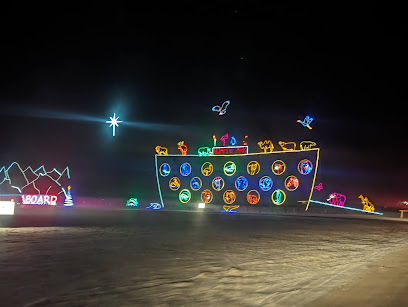
Enchanted Forest at Forestry Farm
74.2 km
Experience the magic of storytelling at the Enchanted Forest in Saskatoon, where every corner reveals a new adventure and enchanting displays.
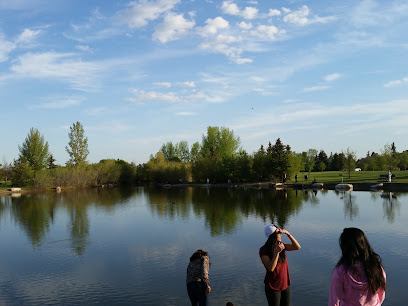
Forest Park
74.3 km
Explore the beauty of Forest Park in Saskatoon, a tranquil oasis filled with lush landscapes, wildlife, and recreational activities for all ages.
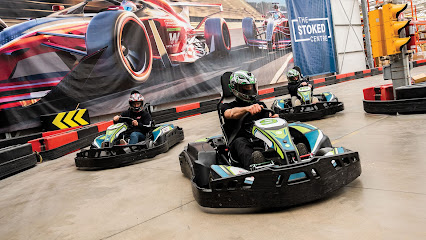
Stoked Centre
75.4 km
Experience the thrill of high-speed racing at Stoked Centre, Saskatoon's premier go-kart track and recreation center for all ages.
Essential places to dine

Olive Tree Restaurant & Blacktop Diner
48.9 km
Discover the rich flavors of Greece combined with classic diner favorites at Olive Tree Restaurant & Blacktop Diner in Saskatoon.
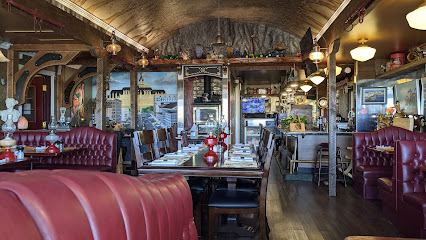
Betty’s Diner/Gas Plus
52.1 km
Discover the heartwarming comfort food and nostalgic ambiance at Betty's Diner in Blaine Lake, Saskatchewan.
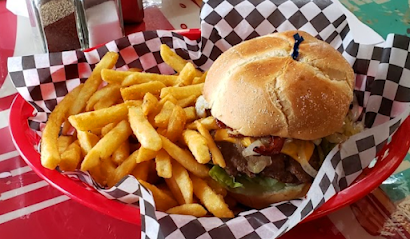
Birch Tree Cafe
52.2 km
Experience the warmth of Birch Tree Cafe in Birch Hills; savor delicious American cuisine in a cozy atmosphere perfect for travelers.
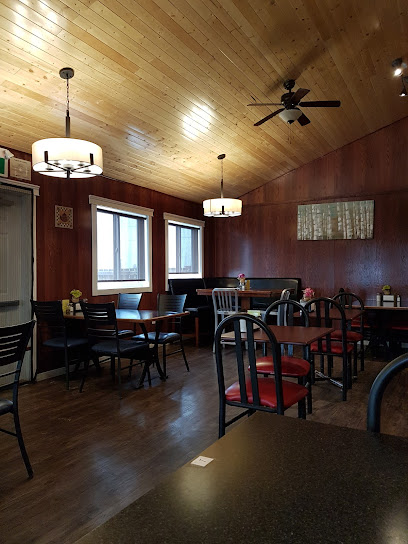
North Star Restaurant
53.0 km
Discover exceptional dining at North Star Restaurant in Prince Albert – where local flavors meet warm hospitality.
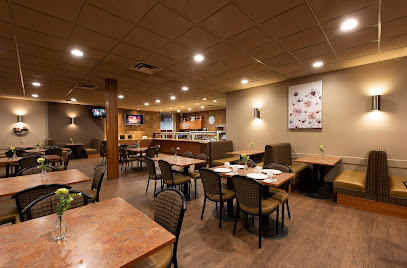
Burger King
53.3 km
Discover fast food favorites at Burger King in Prince Albert - flame-grilled burgers and crispy fries await you!
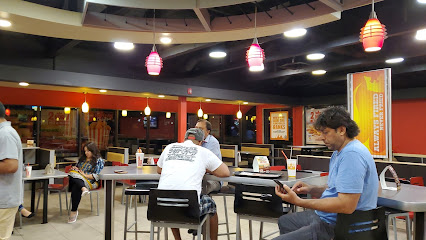
Bugsy's Bar & Grill
53.4 km
Experience the vibrant atmosphere and delicious grilled dishes at Bugsy's Bar & Grill in Prince Albert - where locals and tourists unite!
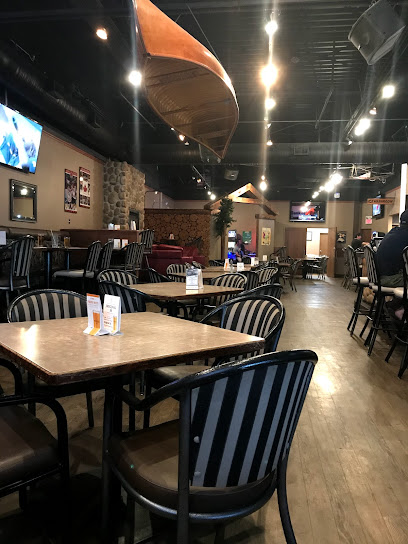
Smitty's Restaurant & Lounge - Prince Albert
53.4 km
Experience the charm of family dining at Smitty's Restaurant & Lounge in Prince Albert - where delicious meals meet warm hospitality.
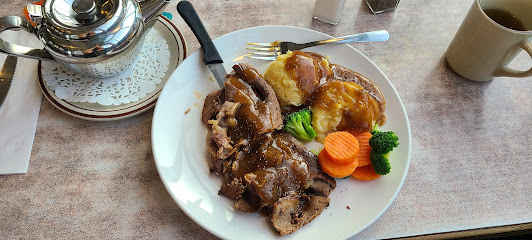
Wendy's
53.4 km
Experience fast food comfort at Wendy's in Prince Albert – where fresh ingredients meet family-friendly dining.
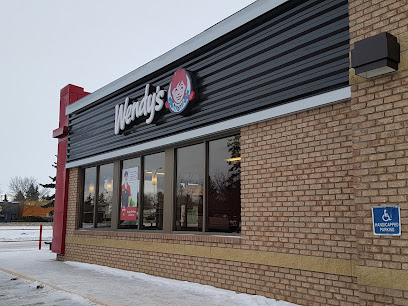
Selenas Donair And Pizza
53.5 km
Discover the culinary delight of Selenas Donair And Pizza - home of western Canada's best donairs in Prince Albert.
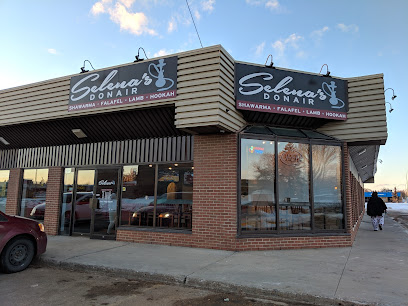
The Spice Trail And The Lounge Trishna
53.5 km
Savor the authentic flavors of India at The Spice Trail And The Lounge Trishna in Prince Albert - where culinary artistry meets vibrant ambiance.
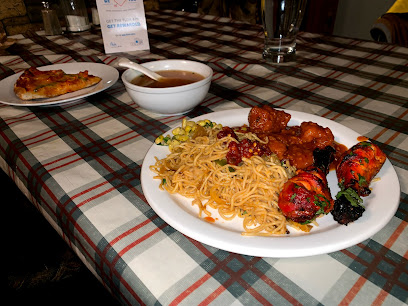
Shananigan's Bistro Coffee & Dessert Bar
53.9 km
Experience culinary bliss at Shananigan's Bistro Coffee & Dessert Bar in Prince Albert - where every bite is a delight!
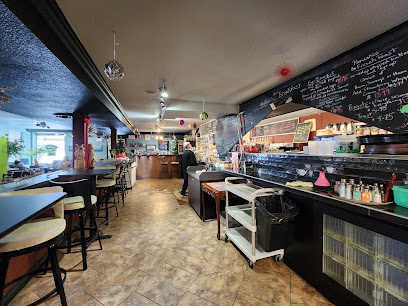
Grainfields Family Restaurant - Prince Albert
55.5 km
Discover the charm of Grainfields Family Restaurant in Prince Albert - where delicious American cuisine meets family-friendly hospitality.
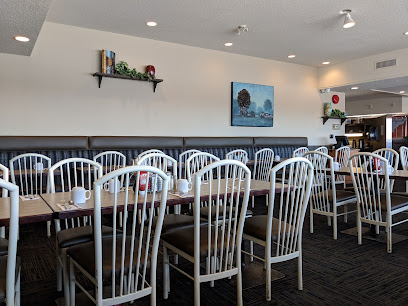
Prairie Donair Prince Albert
55.7 km
Experience authentic Mediterranean cuisine at Prairie Donair in Prince Albert – a culinary haven for food lovers seeking fresh flavors.
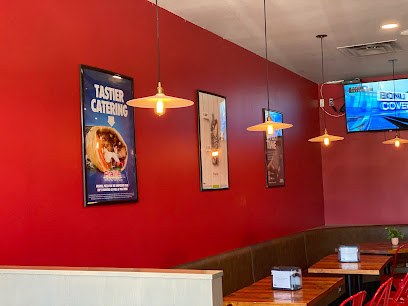
Little Red River Park
58.4 km
Explore Little Red River Park: A Natural Retreat in Spruce Home Offering Scenic Trails & Abundant Wildlife Experiences.
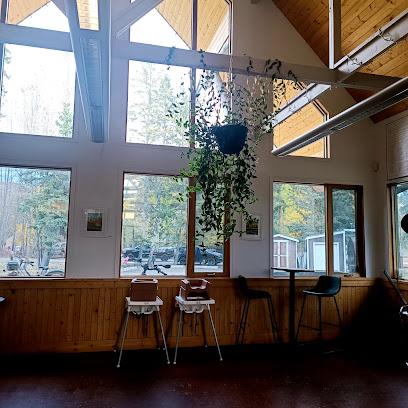
Wanuskewin Heritage Park Restaurant
67.5 km
Experience exceptional dining at Wanuskewin Heritage Park Restaurant while immersing yourself in Indigenous culture and stunning natural beauty.
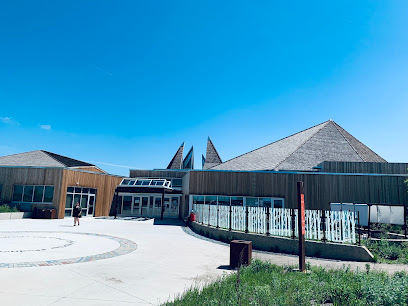
Markets, malls and hidden boutiques

Prairie Vintage Charm
47.3 km
Explore the rustic beauty of Saskatchewan at Prairie Vintage Charm, your go-to destination for unique home goods and vintage treasures.
magdelete.com
51.1 km
Explore Osler's premier auto parts store, where quality meets exceptional service for all your automotive needs.
Frontier Taxidermy
52.1 km
Discover the fascinating artistry of taxidermy at Frontier Taxidermy in Birch Hills, Saskatchewan, where wildlife comes to life through skilled craftsmanship.
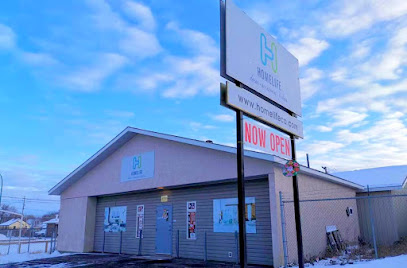
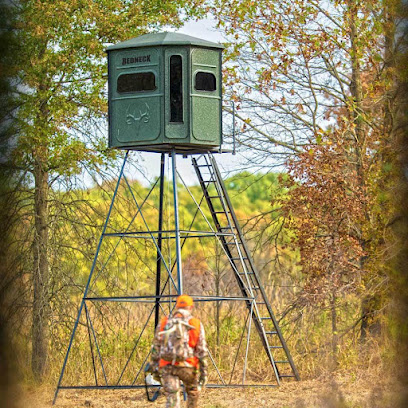
Redneck Hunting Canada
52.1 km
Discover the ultimate hunting destination at Redneck Hunting Canada, where expert advice meets a wide selection of quality gear in Saskatchewan.
Prairie Made
52.3 km
Experience local craftsmanship and vibrant community spirit at Prairie Made Market in Blaine Lake, Saskatchewan, where unique finds await every visitor.
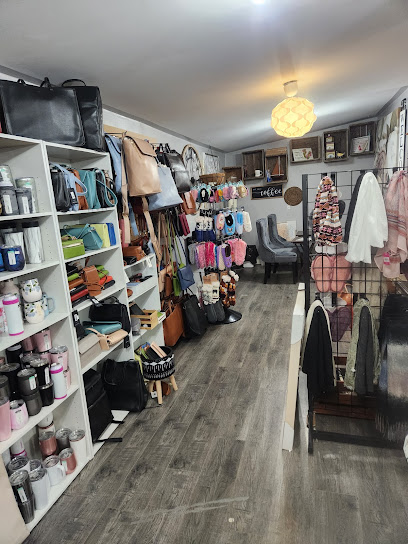
Tree House Treasures
52.7 km
Explore Tree House Treasures—your go-to gift shop in Saint Benedict for unique souvenirs and local crafts that capture the spirit of Saskatchewan.
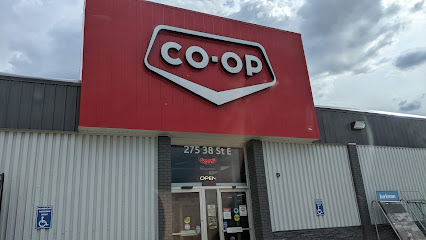
Co-op Home Centre
53.0 km
Explore Co-op Home Centre in Prince Albert for all your hardware needs, blending quality products with expert advice in a welcoming atmosphere.
Funky Moose Records
53.3 km
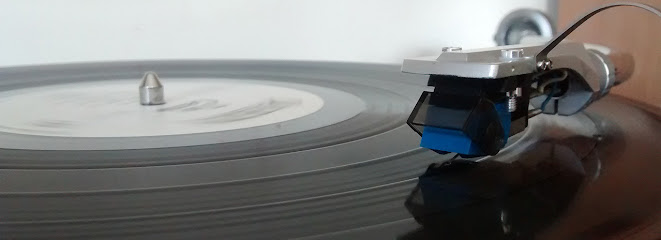
Explore Funky Moose Records – A Musical Paradise in Prince Albert with a Vast Vinyl Collection and Passionate Staff.
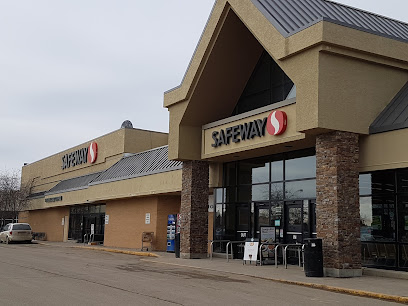
Safeway South Hill Mall
53.3 km
Explore Safeway South Hill Mall for fresh groceries, delightful baked goods, and beautiful flowers in the heart of Prince Albert.
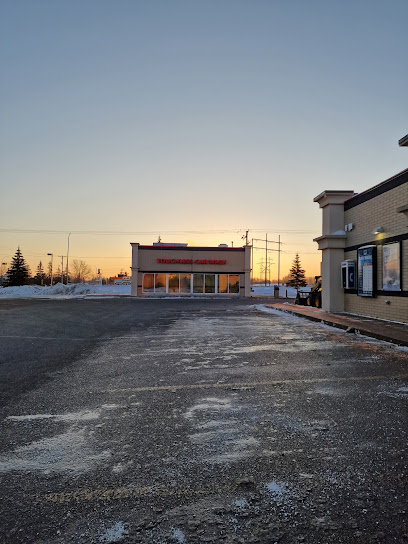
Lake Country Co-op Marquis Road C-Store & Cardlock @ Prince Albert
53.5 km
Discover convenience and quality service at Lake Country Co-op Marquis Road C-Store & Cardlock in Prince Albert, your trusted fuel stop.
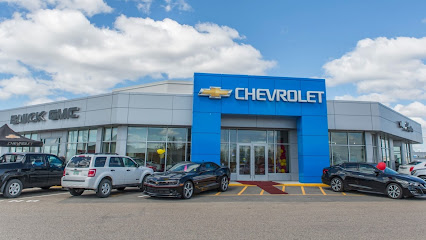
Mann-Northway Auto Source
53.6 km
Explore Prince Albert with confidence from Mann-Northway Auto Source, your trusted GMC dealer for quality vehicles and exceptional service.
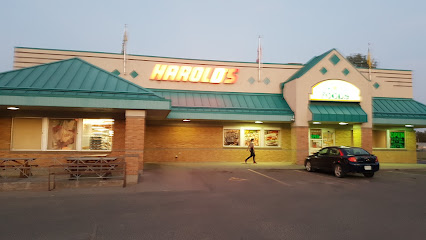
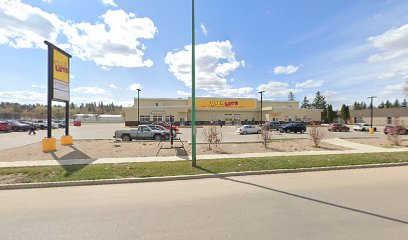
Harold's Family Foods
54.0 km
Explore the local flavors at Harold's Family Foods, Prince Albert's go-to grocery store for fresh produce and unique Saskatchewan specialties.
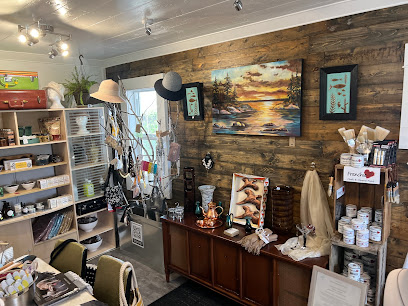
Northern
54.4 km
Discover the creativity and craftsmanship at Northern in Prince Albert, where local artisans showcase unique handmade goods and craft supplies.
Boujee Boutique
54.6 km
Explore Boujee Boutique in Prince Albert for stylish, quality furniture that transforms your living space into a home.
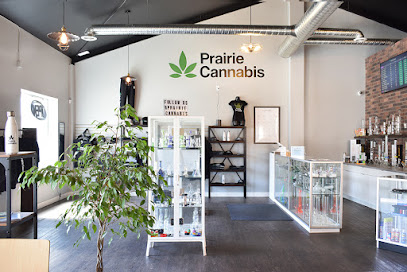
Prairie Cannabis
54.7 km
Explore the vibrant cannabis culture at Prairie Cannabis in Prince Albert, where quality products and friendly service await.
Essential bars & hidden hideouts

Leopold's Tavern Saskatoon - Evergreen
72.5 km
Experience the lively atmosphere of Leopold's Tavern in Evergreen, where delicious food and great drinks create unforgettable moments.
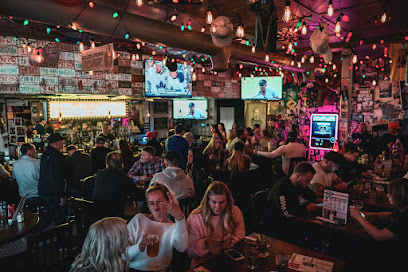
Fox & Hounds Pub
75.4 km
Experience the essence of Saskatoon at Fox & Hounds Pub, where delicious food, vibrant drinks, and a welcoming atmosphere await you.
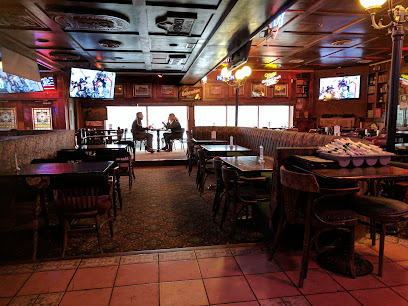
Birmingham's Vodka and Ale House Saskatoon
75.6 km
Discover Birmingham's Vodka and Ale House in Saskatoon - a vibrant pub offering delicious food, a wide selection of drinks, and a warm, welcoming atmosphere.
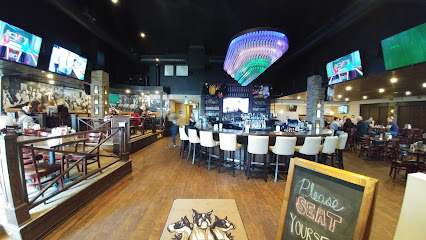
The Hideout Lounge
76.1 km
Experience the vibrant nightlife at The Hideout Lounge in Saskatoon, where great drinks and a welcoming atmosphere await every visitor.
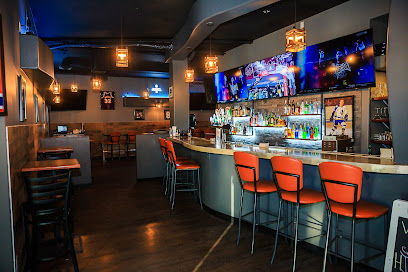
Shark Club Sports Bar & Grill
76.5 km
Experience the ultimate sports bar atmosphere at Shark Club Sports Bar & Grill in Saskatoon, where great food meets exhilarating entertainment.
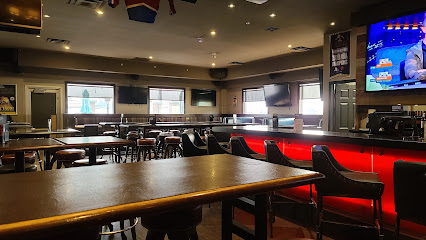
Blue Rhino Pub & Grill
76.8 km
Experience the best of Saskatoon's local pub culture at Blue Rhino Pub & Grill, where delicious food and drinks await in a welcoming atmosphere.
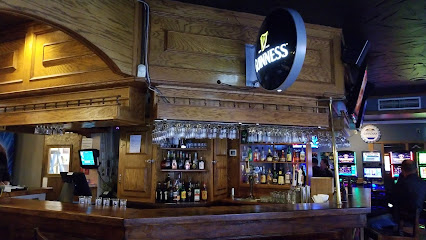
Heritage Inn Hotel & Convention Centre
77.1 km
Experience exceptional comfort and versatility at the Heritage Inn Hotel & Convention Centre in Saskatoon, your ideal base for exploration.
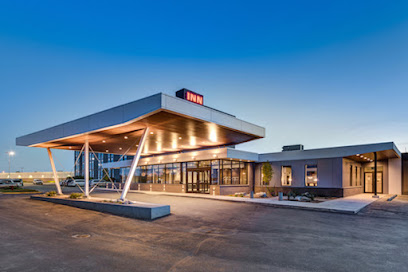
HI Bar
77.1 km
Experience the best of Saskatoon at HI Bar, a cozy lounge offering an inviting atmosphere and a diverse drink menu for every palate.
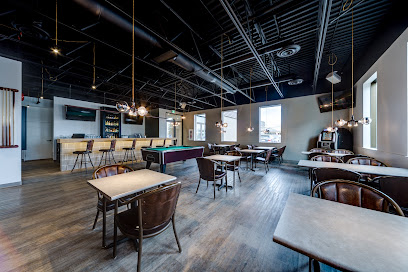
Dogg House bar and venue
77.2 km
Discover the vibrant atmosphere of the Dogg House bar in Saskatoon, known for its energetic vibe, diverse drink selection, and live entertainment.
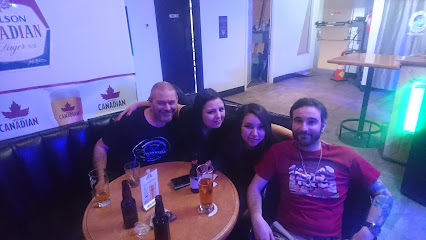
VP Restaurant and Bar
77.4 km
Discover the perfect blend of comfort food, live music, and vibrant atmosphere at VP Restaurant and Bar in Saskatoon.
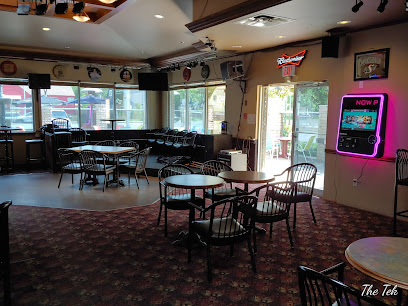
Louis'
78.0 km
Experience the vibrant atmosphere of Louis' pub at the University of Saskatchewan, where delicious food and social gatherings come together.
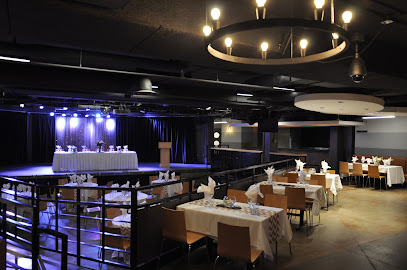
Whiskey Barrel Pub & Eatery
78.0 km
Experience the vibrant flavors and welcoming atmosphere at Whiskey Barrel Pub & Eatery, a must-visit grill and bar in Saskatoon.
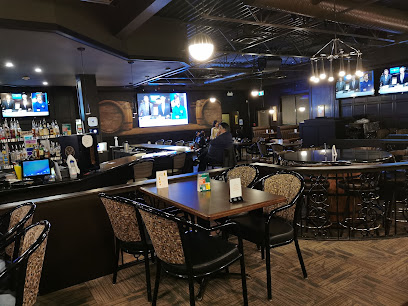
Finns Irish Pub
78.3 km
Discover the vibrant charm of Finns Irish Pub in Saskatoon, where authentic Irish cuisine meets a lively atmosphere and great local brews.
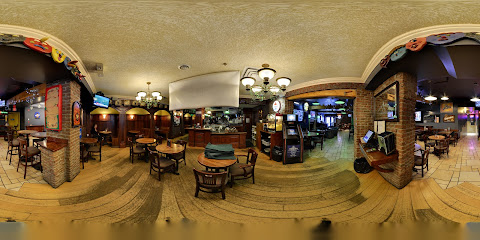
Outlaws Country Rock Bar
78.4 km
Join the excitement at Outlaws Country Rock Bar in Saskatoon, where great music, dancing, and a lively atmosphere create unforgettable nights.
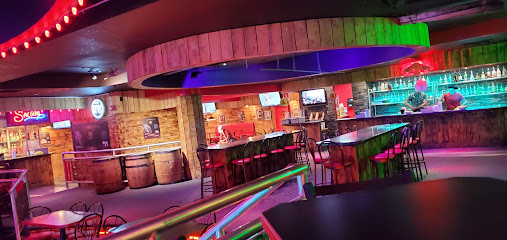
Capitol Music Club
78.7 km
Experience live music and delicious American cuisine at Capitol Music Club, the heart of Saskatoon's entertainment scene.
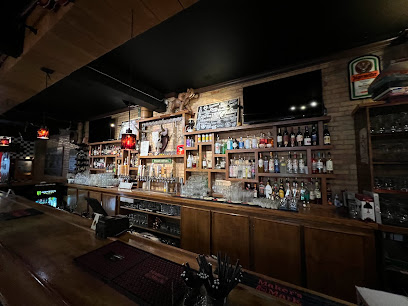
Nightclubs & after hour spots

Backstage Lounge
73.6 km
Experience the vibrant atmosphere of Backstage Lounge in Saskatoon, where relaxation meets entertainment in a cozy setting.
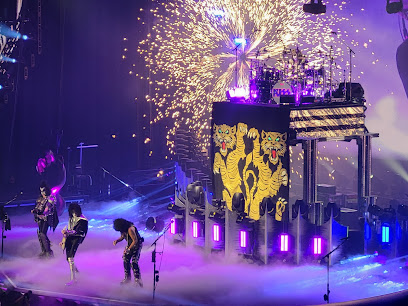
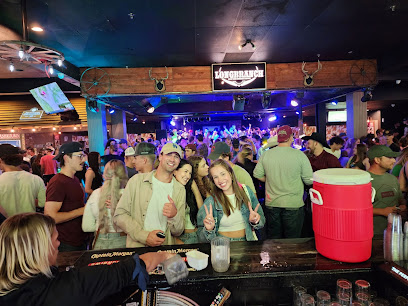
Long Branch Good Times Beverage Company
78.3 km
Discover the lively atmosphere of Long Branch Good Times Beverage Company, a premier night club and bar in Saskatoon, perfect for unforgettable nights out.
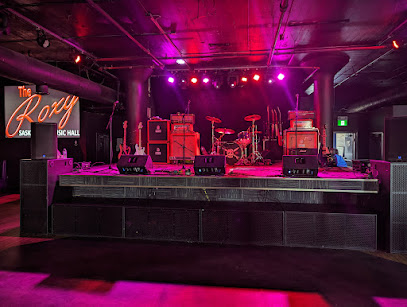
The Roxy Saskatoon
78.7 km
Experience the electrifying nightlife at The Roxy Saskatoon, a premier disco club featuring live music and unforgettable events.
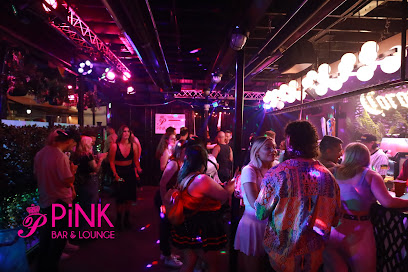
PiNK Bar and Lounge
78.8 km
PiNK Bar and Lounge - Saskatoon's ultimate nightlife experience with dancing, karaoke, and a vibrant atmosphere.
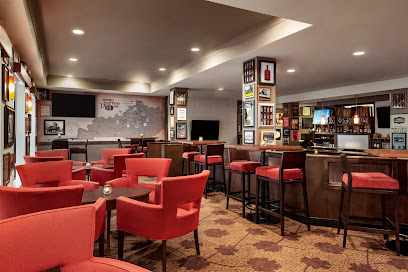
Steps Lounge
79.0 km
Experience the vibrant nightlife of Saskatoon at Steps Lounge, where exceptional food, drinks, and ambiance come together for an unforgettable evening.
Diva's night club
79.2 km
Discover the electrifying nightlife at Diva's Night Club, where unforgettable experiences await in the heart of Saskatoon.
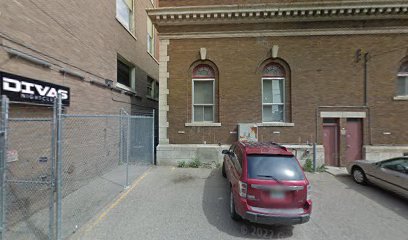
Penrose YXE
79.3 km
Discover the vibrant nightlife at Penrose YXE, Saskatoon's premier night club, where music and dance create unforgettable experiences.
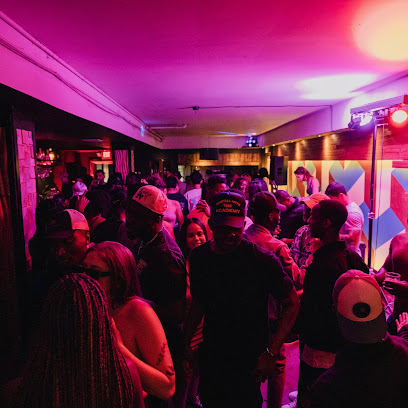
Buds On Broadway
79.9 km
Discover the heartbeat of Saskatoon's nightlife at Buds On Broadway, where music, dance, and delicious drinks create unforgettable memories.