

Free Northern Canada Travel Guide & Mobile App
Explore Northern Canada with free travel guides. Discover regional history, expert tips, proposed trips, and audio guides on web or mobile app.


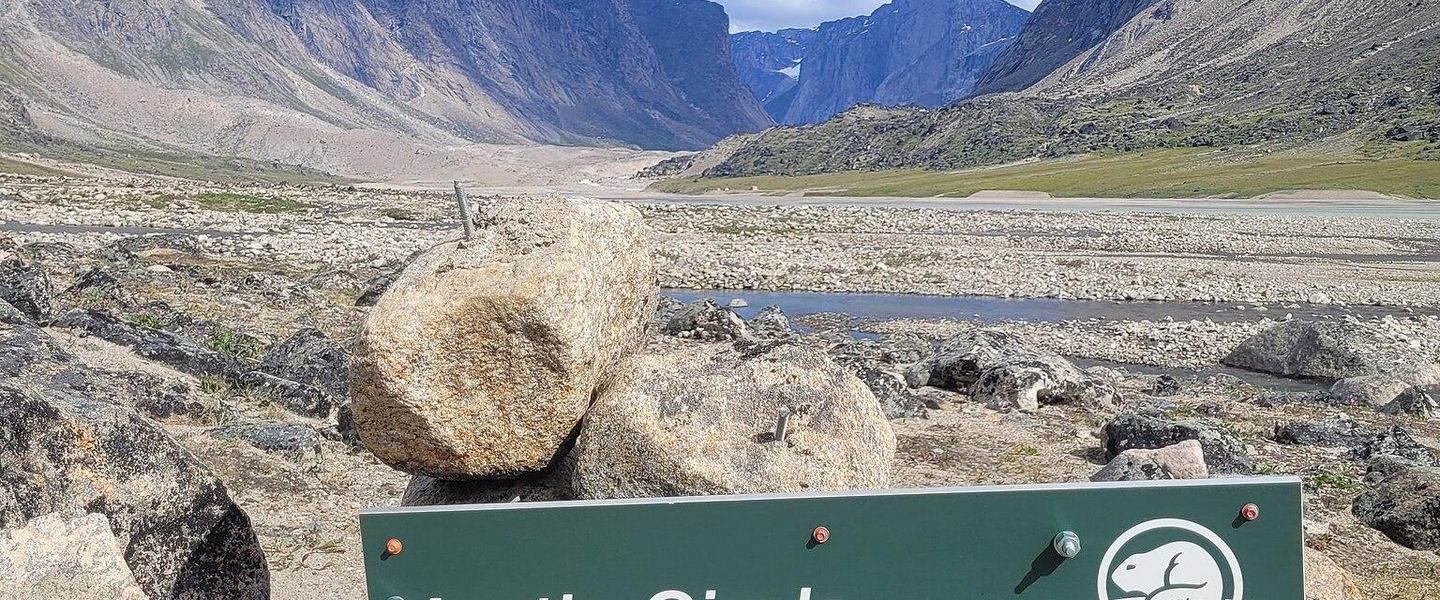


Northern Canada combines Yukon mountains, Northwest Territories wilderness and Nunavut's Inuit Arctic through auroras, wildlife, Indigenous culture and remote journeys.
Read more about Northern Canada
When is the best time to visit Northern Canada?
Best: July–September · 15–20°C| Month | High (°C) | Rainfall (mm) |
|---|---|---|
| January | -20 | 25 |
| February | -17 | 20 |
| March | -10 | 25 |
| April | 0 | 30 |
| May | 10 | 35 |
| June | 15 | 35 |
| July (best) | 20 | 30 |
| August (best) | 20 | 30 |
| September (best) | 15 | 25 |
| October | 5 | 25 |
| November | -5 | 25 |
| December | -15 | 25 |
Getting to and around Northern Canada
How to get there
Transportation
Top city travel guides in Northern Canada
The cities of Northern Canada, and the easiest places to base yourself.
-

-
-

-


Swipe for more cities
Best attractions in Northern Canada
Northern Canada's attractions range from mountain wilderness to Arctic communities and are best understood through its three principal territorial landscapes. In Yukon, Kluane National Park and Reserve provides access to large icefields, high peaks, hiking and flightseeing, while Dawson City interprets the Klondike Gold Rush through preserved streets, museums and historic routes. The Northwest Territories offer aurora viewing around Yellowknife, canoeing and wildlife experiences on Great Slave Lake, the dramatic canyons and falls of Nahanni National Park Reserve, and the boreal ecosystems of Wood Buffalo National Park. In Nunavut, attractions are closely tied to Inuit culture, contemporary arts, sea-ice knowledge and the stark scenery of Baffin Island and the Arctic Archipelago. Community galleries, cultural centres and locally guided outings often provide more meaningful context than sightseeing alone. Wildlife may include caribou, muskoxen, bears, bison, whales and migratory birds, but sightings are never guaranteed and should never take priority over safe distances. Many remote experiences depend on air charters, boats, outfitters or expedition vessels, so weather margins and contingency time are essential.
-
Tourist attraction
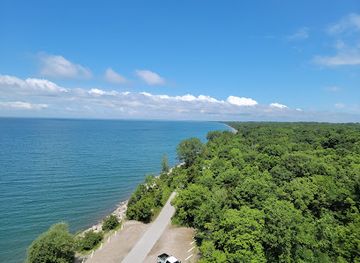
Point Pelee National Park
Explore the natural beauty of Point Pelee National Park, a must-visit destination for hiking, picnicking, and swimming in serene lakes.
-
Tourist attraction
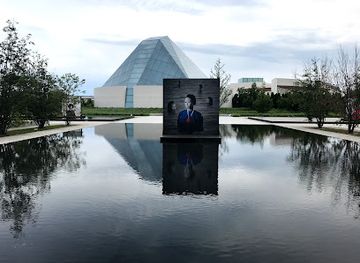
Aga Khan Museum
Explore the Aga Khan Museum, a cultural treasure in North York, showcasing the art and heritage of Islamic civilizations through stunning exhibits and serene gardens.
-
Tourist attraction
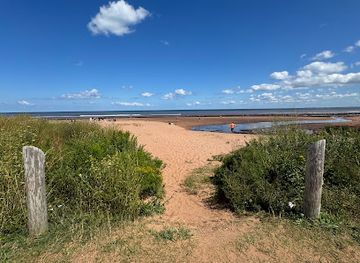
Prince Edward Island National Park
Explore the enchanting landscapes and rich history of Prince Edward Island National Park, a haven for nature enthusiasts and adventure seekers.
-
Tourist attraction
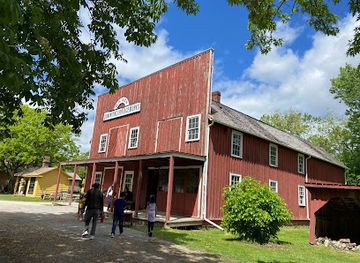
Black Creek Pioneer Village
Experience life in the 19th century at Black Creek Pioneer Village, Toronto's immersive living history museum with engaging activities and historic charm.
Best landmarks in Northern Canada
Northern Canada's most recognisable landmarks express both immense geography and layered human history. In Yukon, Mount Logan in Kluane National Park and Reserve is Canada's highest mountain, while the Kluane icefields and the historic Chilkoot Trail evoke the scale of the region and the routes followed during the Klondike era. Dawson City's preserved Gold Rush townscape is a landmark in its own right, with wooden façades and streets that retain the imprint of a short, transformative boom. The Northwest Territories are marked by Great Slave Lake, the deep canyons and Virginia Falls of Nahanni National Park Reserve, and the historic Northern frontier settlement of Old Town Yellowknife. In Nunavut, Iqaluit's relationship with Frobisher Bay, the distinctive terrain of Auyuittuq National Park and the archaeological landscapes of Quttinirpaaq National Park represent very different Arctic settings. These places are not simply scenic backdrops: many carry Indigenous, ecological, geological or political significance that is best understood through local interpretation.
-
Nature preserve
Niagara Falls
Discover the breathtaking beauty and adventure of Niagara Falls, a natural wonder that enchants millions with its majestic cascades and vibrant surroundings.
-
Tourist attraction
CN Tower
Experience Toronto from Above: Breathtaking views, thrilling attractions, and unforgettable dining at Canada's iconic CN Tower.
-
 Hotel
HotelFairmont Le Château Frontenac
Experience timeless elegance at Quebec City's iconic landmark, the Fairmont Le Château Frontenac, a symbol of history and luxury.
-
Tourist attraction
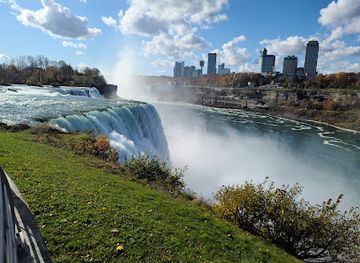
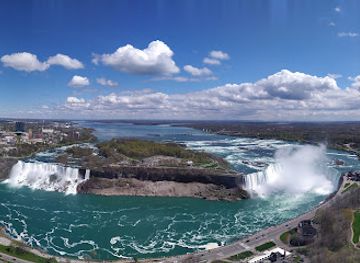
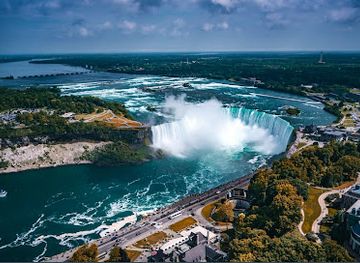
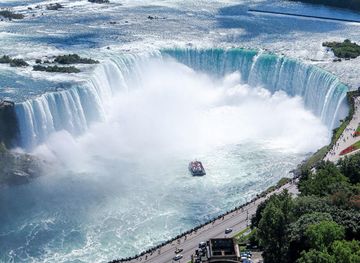
Horseshoe Falls of Canada
Explore the breathtaking beauty of Horseshoe Falls, Canada’s iconic natural wonder, where nature's power and beauty converge.
Explore Northern Canada on the map
Plan your trip on one map. See where the top cities, national parks and sights are, and book hotels and experiences in a few clicks.
Best hotels in Northern Canada
Best restaurants in Northern Canada
Dining in Northern Canada reflects distance, seasonality and the culinary traditions of northern communities rather than one uniform regional cuisine. Whitehorse and Yellowknife have the broadest choice of cafés, pubs, restaurants and bakeries, while smaller settlements offer more limited but locally significant options. Menus may include Arctic char, pickerel, game meats, berries, wild mushrooms and locally harvested ingredients, although availability varies and visitors should not assume that harvested foods are served everywhere. In Nunavut, Inuit food traditions may include country foods such as caribou, seal, Arctic char and other locally harvested products; access and presentation differ between communities and should be approached respectfully. Northern cooking also includes familiar Canadian and international dishes adapted to high freight costs and limited supply chains. Farmers' markets and community events are most dependable during the short summer season, while local breweries, cafés and bakeries are useful places to experience contemporary urban life in the territories.
-
Canadian
Richmond Station
Experience the best of Canadian cuisine at Richmond Station - where local flavors meet culinary innovation in Toronto.
-
Canadian
Canoe
Experience Canada's culinary artistry at Canoe restaurant with breathtaking skyline views and innovative dishes crafted from local ingredients.
-
Restaurant
Ancaster Mill
Discover exquisite dining at Ancaster Mill – where culinary artistry meets stunning natural beauty in Ontario.
-
Mediterranean
The Sultan's Tent and Cafe Moroc
Discover the flavors of Morocco at The Sultan's Tent - where exquisite cuisine meets enchanting ambiance in Toronto.

Best bars in Northern Canada
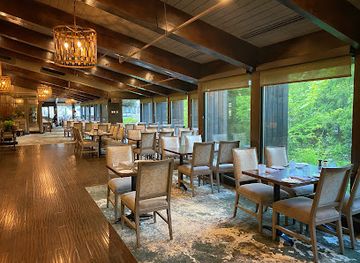
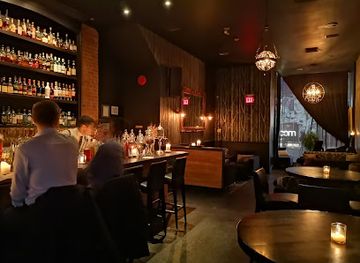
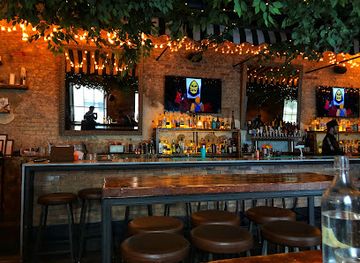
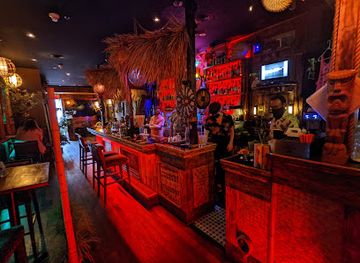
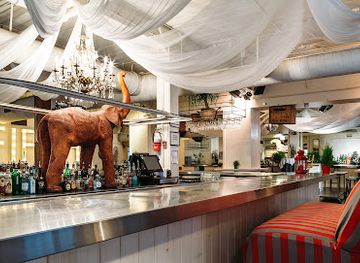
Northern nightlife is concentrated in territorial capitals and larger settlements rather than organised around extensive club districts. Whitehorse and Yellowknife have the widest choice of pubs, restaurants, breweries, live-music nights and occasional cultural performances, with evening life shaped by both local residents and seasonal workers. Iqaluit has a smaller scene centred on community events, restaurants and licensed venues, while smaller communities generally rely on local gatherings, cafés or hotel bars rather than nightclubs. During summer, long daylight changes the rhythm of evenings; in winter, aurora excursions, arts events and indoor social spaces become more prominent. Visitors should check local arrangements because opening patterns and entertainment options can change, and alcohol restrictions vary between communities. Nightlife is only one part of northern social life, which also includes festivals, sports, storytelling, galleries and community-led cultural programming.
-
Cocktail bar
BarChef
Discover BarChef in Toronto – where innovative cocktails meet an unforgettable atmosphere, perfect for any cocktail enthusiast seeking a unique experience.
-
Bar
Bar Poet
Discover Bar Poet, an eclectic bar in Toronto's Queen Street West, offering creative cocktails and a vibrant nightlife experience.
-
Cocktail bar
Bootlegger cocktail bar & cuisine
Discover Bootlegger cocktail bar & cuisine in Montreal for an unforgettable blend of craft cocktails, live jazz, and delicious cuisine in a chic atmosphere.
-
Tiki bar
The Shameful Tiki Room Toronto
Experience the vibrant tropical escape of The Shameful Tiki Room in Toronto, where exotic cocktails and a lively atmosphere await.

Best nightclubs in Northern Canada
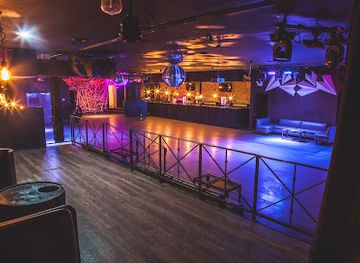
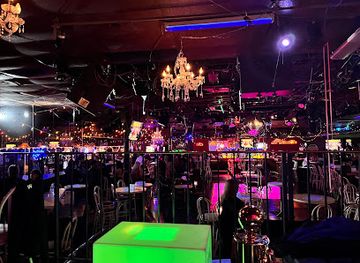
Northern nightlife is concentrated in territorial capitals and larger settlements rather than organised around extensive club districts. Whitehorse and Yellowknife have the widest choice of pubs, restaurants, breweries, live-music nights and occasional cultural performances, with evening life shaped by both local residents and seasonal workers. Iqaluit has a smaller scene centred on community events, restaurants and licensed venues, while smaller communities generally rely on local gatherings, cafés or hotel bars rather than nightclubs. During summer, long daylight changes the rhythm of evenings; in winter, aurora excursions, arts events and indoor social spaces become more prominent. Visitors should check local arrangements because opening patterns and entertainment options can change, and alcohol restrictions vary between communities. Nightlife is only one part of northern social life, which also includes festivals, sports, storytelling, galleries and community-led cultural programming.
-
Bar
The Fifth Social Club
Experience the vibrant nightlife of Toronto at The Fifth Social Club, where elegance meets energy in a chic bar and lounge setting.
-
Night club
NEST
Experience the vibrant nightlife at NEST, a premier night club and restaurant in Toronto, featuring great music and delectable cuisine.
-
Night club
Club 54 Nightclub
Dive into the heart of Burlington's nightlife at Club 54 Nightclub, where music, dancing, and unforgettable memories await.
-
Night club
El Convento Rico
Experience the vibrant nightlife of Toronto at El Convento Rico, a premier night club known for its energetic atmosphere and exceptional cocktails.

Best shops in Northern Canada
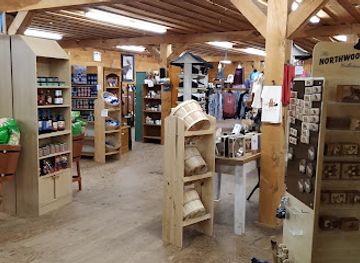
Shopping in Northern Canada centres on local art, practical goods and regional food rather than large-scale retail. Whitehorse and Yellowknife offer the broadest selection of galleries, independent shops, bookstores, outdoor outfitters and markets, while smaller communities may have only a few general stores and locally run craft outlets. Nunavut is especially known for Inuit art, including carvings, prints, textiles and jewellery; buy from established community galleries, artists or reputable cooperatives and ask about provenance and materials. Yukon and the Northwest Territories also offer Indigenous works, northern photography, handmade goods and products inspired by local landscapes. Summer farmers' markets can provide preserves, baking, crafts and seasonal produce, though availability varies. Souvenirs should be chosen responsibly: do not purchase archaeological objects, wildlife parts or culturally significant items without clear legal and ethical provenance. Remote communities have limited supplies, so practical shopping should be completed before leaving the main centres.
-
Gift shop
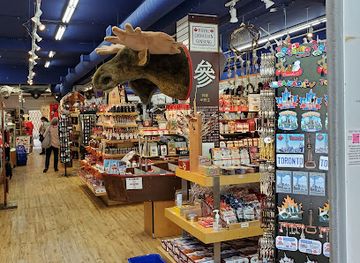
French River Trading Post
Explore the French River Trading Post for unique Canadian gifts and souvenirs, immersing yourself in local culture and natural beauty.
-
Gift shop
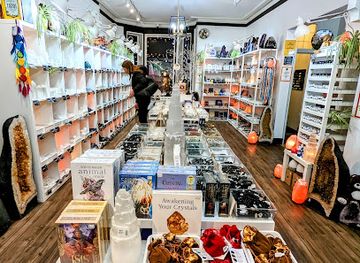
Crystal Dreams St-Denis
Explore the enchanting Crystal Dreams St-Denis in Montreal, a unique gift shop offering crystals, beads, and metaphysical supplies for spiritual seekers.
-
Antique store
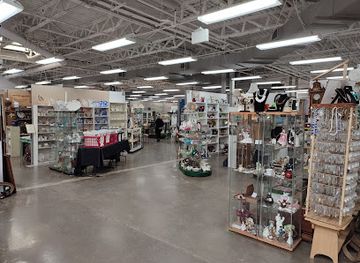
Southworks Antiques
Explore Southworks Antiques, Cambridge's premier destination for unique vintage finds and collectibles that tell stories of the past.
-
Gift shop
Royal Canadian Gifts
Explore Royal Canadian Gifts in Toronto for unique souvenirs and authentic Canadian treasures that capture the spirit of your adventure.
Get your free copy of our complete guide to Northern Canada, delivered straight to you.
Everything on this page, from attractions and restaurants to essentials and local phrases, in one PDF you can read offline, print or share.
Already have an account? Sign in
Your Northern Canada guide is ready.
We'll send it to · Not you? Sign out

Getting your guide ready…
We are putting together a fresh copy of the Northern Canada guide. This can take up to a minute.
This can take a few moments. If your browser asks, choose Allow so the download can start. You'll find the guide in your Downloads folder.
Nothing happened? Download it again
Sorry, the guide is taking longer than usual. Please try again in a minute, or get it by email instead.
Northern Canada essentials
Currency and Payment
Safety
Emergency Situations
Do's and Don'ts
Local Tips
From Eve
Local phrases worth knowing
You don't need to get them perfect. A few words go a long way, and locals appreciate the effort.
Basics
| English | Local | Say it |
|---|---|---|
| Hello | Tansi | [tahn-see] |
| Goodbye | See you later | [see yoo lay-ter] |
| Yes | Eeyou | [ey-yoo] |
| No | Neh | [neh] |
| Please/You’re welcome | Tân'si | [tahn-see] |
| Thank you | Miigwech | [mee-gwech] |
| Excuse me/Sorry | Pîsimwa | [pee-sim-wah] |
| How are you? | Kîkway kîkî? | [kee-kway kee-kee] |
| Fine. And you? | Nîkân, kîkway? | [nee-kahn, kee-kway] |
| Do you speak English? | Tâpwê kîkway kîsikâw? | [tap-wey kee-kway kee-sik-ow] |
| I don't understand | Nîkân pîsimwa | [nee-kahn pee-sim-wah] |
Eating & Drinking
| English | Local | Say it |
|---|---|---|
| I’d like to see the menu, please | Nîkân pâkwan nîkîhkâw, tâpwê | [nee-kahn pah-kwan nee-key-kahw, tap-wey] |
| I don't eat meat | Nîkân pîsimwa namôw | [nee-kahn pee-sim-wah nah-moh] |
| Cheers! | Nîkâwâw! | [nee-kah-wah] |
| I would like to pay, please | Nîkân tân'si pâhkwan, tâpwê | [nee-kahn tan-see pah-kwan, tap-wey] |
Emergencies
| English | Local | Say it |
|---|---|---|
| Help! | Nîkân pîsimwa! | [nee-kahn pee-sim-wah] |
| Go away! | Tâpwê nîkâwâw! | [tap-wey nee-kah-wah] |
| Call the Police! | Tâpwê nîkâwâw pîkiskwêw! | [tap-wey nee-kah-wah pee-kiss-kway] |
| Call a doctor! | Tâpwê nîkâwâw pîkiskwêw! | [tap-wey nee-kah-wah pee-kiss-kway] |
| I’m lost | Nîkân pîsimwa | [nee-kahn pee-sim-wah] |
| I’m ill | Nîkân nîwîcih | [nee-kahn nee-wee-chee] |
Shopping
| English | Local | Say it |
|---|---|---|
| I’d like to buy... | Nîkân pâhkisîw... | [nee-kahn pah-kee-see] |
| I’m just looking | Nîkân nîkîhkâw | [nee-kahn nee-key-kahw] |
| How much is it? | Kîkway pîkiskwêw? | [kee-kway pee-kiss-kway] |
| That’s too expensive | Nîkân mîkiskwêw | [nee-kahn mee-kiss-kway] |
| Can you lower the price? | Tâpwê kîkway pîkiskwêw? | [tap-wey kee-kway pee-kiss-kway] |
Time & Numbers
| English | Local | Say it |
|---|---|---|
| What time is it? | Kîkway pîkiskwêw? | [kee-kway pee-kiss-kway] |
| It’s one o’clock | Nîkâwâk kîkway | [nee-kah-wahk kee-kway] |
| Half past (10) | Nîkâwâk nîkîhkâw | [nee-kah-wahk nee-key-kahw] |
| Morning | Nîkâw | [nee-kah-w] |
| Afternoon | Nîkâwâw | [nee-kah-wah] |
| Evening | Nîkâw nîkîhkâw | [nee-kah-w nee-key-kahw] |
| Yesterday | Nîkâwâw kîkway | [nee-kah-wah kee-kway] |
| Today | Nîkâw | [nee-kah-w] |
| Tomorrow | Nîkâwâk | [nee-kah-wahk] |
| 1 | Nîkâw | [nee-kah-w] |
| 2 | Nîkîhkâw | [nee-key-kahw] |
| 3 | Nîkâwâk | [nee-kah-wahk] |
| 4 | Nîkâwâk nîkîhkâw | [nee-kah-wahk nee-key-kahw] |
| 5 | Nîkâwâk | [nee-kah-wahk] |
| 6 | Nîkîhkâw | [nee-key-kahw] |
| 7 | Nîkâwâk nîkîhkâw | [nee-kah-wahk nee-key-kahw] |
| 8 | Nîkâwâk | [nee-kah-wahk] |
| 9 | Nîkîhkâw | [nee-key-kahw] |
| 10 | Nîkâwâk | [nee-kah-wahk] |
Transport & Directions
| English | Local | Say it |
|---|---|---|
| Where's a/the...? | Kîkway nîkîhkâw? | [kee-kway nee-key-kahw] |
| What's the address? | Kîkway pîkiskwêw kîkway? | [kee-kway pee-kiss-kway kee-kway] |
| Can you show me (on the map)? | Tâpwê kîkway tân'si nîkîhkâw? | [tap-wey kee-kway tan-see nee-key-kahw] |
| When's the next (bus)? | Kîkway nîkîhkâw kîkway? | [kee-kway nee-key-kahw kee-kway] |
| A ticket (to ....) | Nîkâwâk pîkiskwêw... | [nee-kah-wahk pee-kiss-kway] |
History of Northern Canada
First Peoples and Ancient Arctic Cultures
Northern Canada has been inhabited for thousands of years by peoples whose histories include distinct archaeological traditions adapted to boreal forest, river, tundra and sea-ice environments. Inuit communities across Nunavut and the western Arctic descend from societies associated with the Thule migration, while Dene, Gwich'in, Tlingit, Inuvialuit and many other Indigenous peoples have longstanding relationships with the lands and waters of Yukon and the Northwest Territories. Archaeological sites, oral histories, place names, trails and seasonal harvesting practices all testify to continuity. The North should therefore be understood as an inhabited cultural landscape, not an empty wilderness.
European Exploration and the Fur Trade
From the eighteenth century, European traders and explorers entered northern river systems seeking furs and routes across the continent. The Hudson's Bay Company established posts and trading relationships, while missionaries and government representatives followed. Indigenous peoples controlled knowledge of travel, food and local geography, even as trade brought new technologies, diseases and economic pressures. River corridors such as the Mackenzie and Yukon became important channels of movement. Several modern northern settlements grew from, or were influenced by, these trading and administrative networks, although their histories also include Indigenous communities that long predate the posts.
The Klondike Gold Rush, 1896–1899
The discovery of gold on Bonanza Creek in the Klondike region of Yukon in 1896 triggered a rush that brought tens of thousands of hopeful prospectors through routes including Skagway and the Chilkoot Trail. Dawson City became a rapidly expanding centre of commerce, entertainment and government. The rush was brief, but it permanently shaped Yukon's built heritage, transport routes and international image. It also had serious consequences for the Hän people, whose homeland and economy were disrupted by the influx. Today, Dawson City and surviving trails preserve both the excitement of the gold-rush story and evidence of its costs.
Missionaries, Residential Schools and Colonial Administration
Nineteenth- and twentieth-century colonial administration transformed northern societies through imposed borders, missionary activity, settlement policies and state control. Indigenous children were taken to residential schools, including institutions connected with northern communities, causing enduring harm to families, languages and cultural practices. Government policies also affected mobility, education, housing and economic life. The legacy remains central to public understanding of the North, and visitors may encounter memorials, community-led interpretation and calls for reconciliation. Indigenous governments and organisations today play increasingly important roles in cultural preservation, land management and political decision-making.
Mining and Northern Development
Mining became a major economic force across the territories. Gold shaped Yukon, while silver, lead, uranium, diamonds and other minerals influenced the growth of communities in the Northwest Territories and Nunavut. Yellowknife developed around gold mining, and diamond production later became a significant part of the Northwest Territories economy. Mining brought roads, air links, wage employment and population change, but it also raised lasting questions about environmental stewardship, Indigenous rights and the future of single-industry communities. Northern towns continue to balance resource development with cultural priorities and fragile ecosystems.
Wartime Infrastructure and Arctic Sovereignty
The Second World War and the early Cold War brought major infrastructure projects and strategic attention to the North. The Alaska Highway connected Dawson Creek in British Columbia with Alaska through Yukon, while airfields, communications facilities and radar systems expanded the military presence. The Northwest Highway and later northern roads strengthened links between settlements and southern Canada. In the Arctic Archipelago, sovereignty became closely associated with permanent presence, scientific work and the movement of Inuit families. These developments left roads, airstrips and installations that altered northern geography and reinforced Canada's political focus on the Arctic.
Territorial Government and Indigenous Self-Determination
Modern northern political institutions emerged through major changes in representation, land claims and self-government. Nunavut was created in 1999 following the largest Indigenous land-claim agreement in Canadian history, giving Inuit a territory in which Inuit culture and language are central to public life. In Yukon and the Northwest Territories, comprehensive land-claim and self-government agreements have reshaped relationships between Indigenous governments and territorial administrations. These arrangements vary by region, but together they reflect a continuing move away from centralised colonial control towards Indigenous authority, negotiated governance and local stewardship.
A Changing Arctic
Northern Canada is now at the forefront of debates about climate change, food security, shipping, wildlife and community resilience. Shorter sea-ice seasons, thawing permafrost, coastal erosion and changing animal movements affect travel, infrastructure and harvesting. At the same time, northern communities are strengthening cultural education, arts, tourism and Indigenous-led conservation. Visitors encounter a region where ancient knowledge and contemporary technology coexist, and where environmental change is not an abstract issue but part of daily life. Responsible travel requires attention to local guidance, community benefit and the limits of remote infrastructure.
Northern Canada in Photos
Browse through our photo collection highlighting the charm and character of the destination.
Neighbouring regions of Northern Canada
The closest regions to Northern Canada, if you have time for more than one.
-

-

-

-

-


Swipe for more regions
Explore more
Explore more of Canada
Discover Canada's breathtaking landscapes, diverse cities, and rich cultural heritage. A must-visit destination for outdoor adventures and vibrant urban experiences.
Explore Canada