
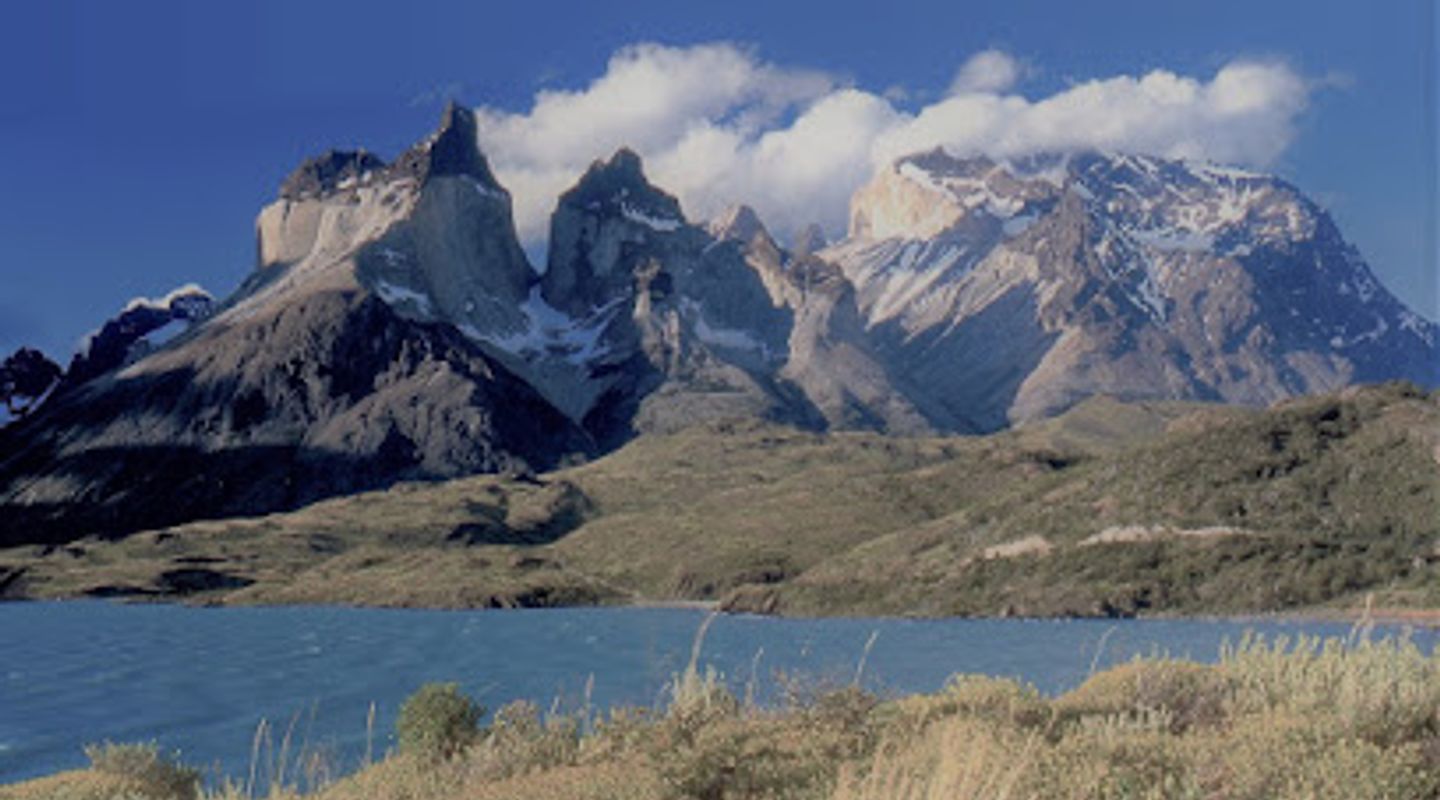
Cordillera del Paine, Central Valley Travel Guide
Experience the breathtaking beauty of Chilean Patagonia's iconic mountain range, a haven for hikers and nature lovers.
The Cordillera del Paine, the centerpiece of Torres del Paine National Park in Chilean Patagonia, is a stunning mountain range known for its jagged granite peaks, glaciers, and turquoise lakes. A haven for hikers and nature enthusiasts, it offers breathtaking views and challenging trails.
A brief summary to Cordillera del Paine
- Torres de Paine, Magallanes and Chilean Antarctica, CL

Know before you go
Hi, I'm Eve. Here are a few practical things to know before exploring Cordillera del Paine.
- Book accommodations and tours in advance, especially during peak season (November to March), as they fill up quickly.
- Purchase park entrance tickets online at least 24 hours before your visit.
- Pack layers of clothing to prepare for unpredictable weather conditions, including strong winds, rain, and sunshine.
- Stay on marked trails to protect the fragile environment and avoid getting lost.
- Bring enough Chilean pesos (CLP) for park entrance fees, transportation, and other expenses, as credit card acceptance may be limited in some areas.
Do you manage this location?
Take control to get all the benefits, like improved information, better appearance, and stronger visibility across AI-powered discovery. Learn more about listing your business on Evendo
Activate your presenceOther nearby places you may find interesting
The closest places of the same kind, if this one is not quite what you had in mind.


Explore Cordillera del Paine on the Map
A handpicked selection of must-see spots near Cordillera del Paine, mapped for you.
Unlock the Best of Cordillera del Paine
Buy tickets
-
No tickets available
Book tours with entry
-
No tours available
Book tours without entry

Getting There
-
Public Transport
From Puerto Natales, the primary gateway to Torres del Paine, take a bus to the park. Several companies like Bus Sur operate this route with multiple daily departures. A round-trip ticket costs approximately 18,000-25,000 CLP. The bus journey takes 2-3 hours, depending on the destination within the park. Buses typically stop at Laguna Amarga (main entrance), Pudeto (for catamaran to Paine Grande), and the park administration center. Remember to purchase your park entrance ticket online in advance. Upon arrival at the park entrance, you may need to take a shuttle to reach specific trailheads or accommodations; these cost around $20–50 USD for a one-way trip.
-
Car
If driving from Puerto Natales, take Route 9 northeast. After about 60 kilometers, turn left onto Route 9-CH, which leads directly to the park entrance. The drive takes approximately 1.5-2 hours. Park entrance fee is approximately 44,500 CLP per adult. Parking is available at various trailheads and visitor centers within the park. Note that some roads within the park are gravel and may be challenging for inexperienced drivers.
-
Walking
Once inside Torres del Paine National Park, walking is the primary mode of transport on the various trails. From the park entrance at Laguna Amarga, shuttle services are available to various points within the park, including popular attractions like the base of the Torres. These shuttles cost around 2,500 CLP. Walking between trailheads is possible but can be time-consuming; use shuttles or buses to save time and energy.
Discover more about Cordillera del Paine













Your all‑in‑one travel companion app
Explore expert travel guides, compare and book tours, experiences, hotels, and more—all from the palm of your hand. Download now for seamless trip planning wherever your wanderlust takes you.


Explore More of Central Valley
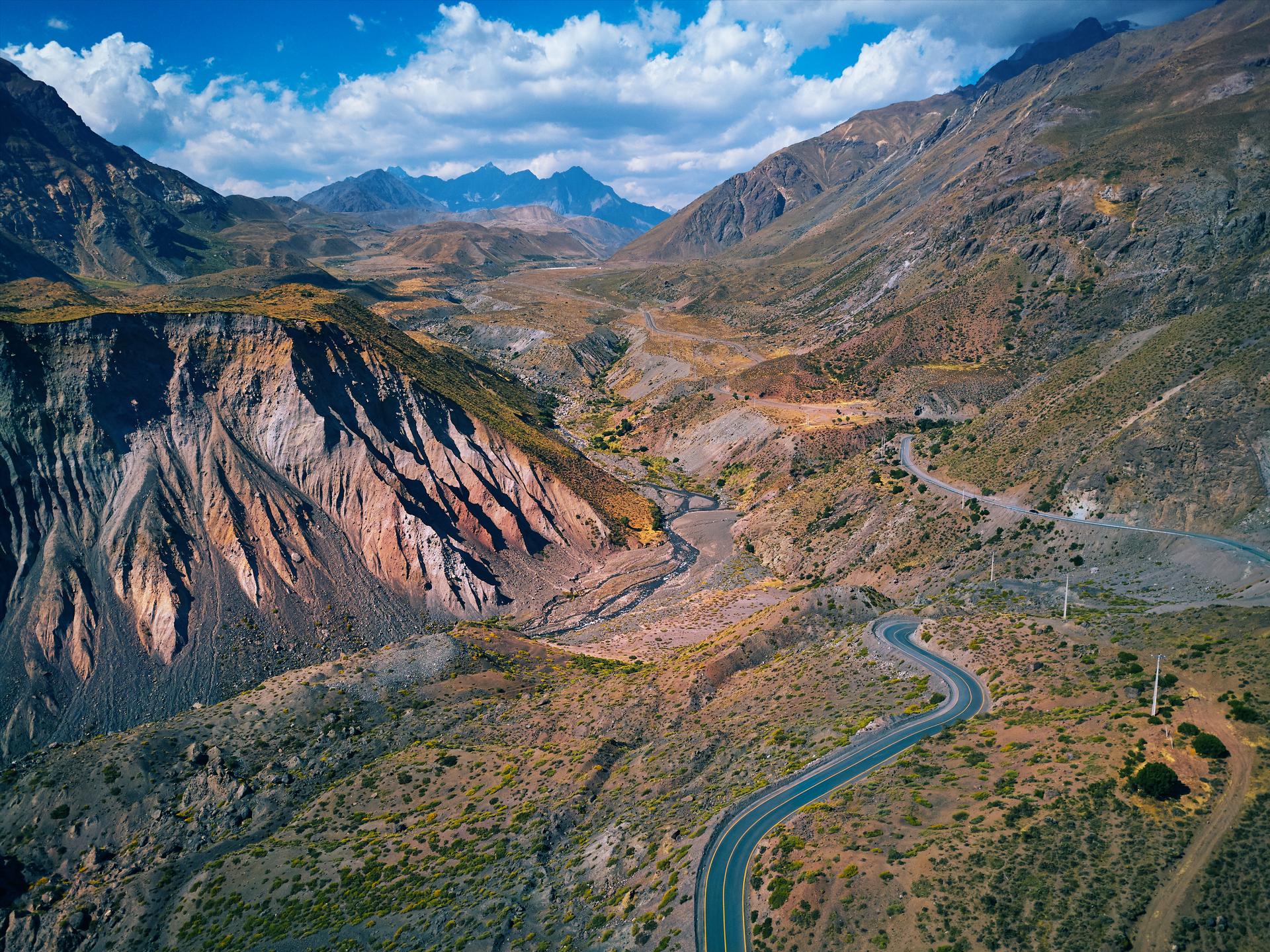
Looking beyond Cordillera del Paine? Discover Central Valley for broader travel guides, local hot-spots, and regional highlights.
Explore Central Valley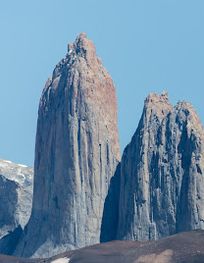
Explore the stunning Torre del Paine Norte in Chile, a breathtaking natural wonder with dramatic landscapes, diverse wildlife, and unforgettable hiking adventures.
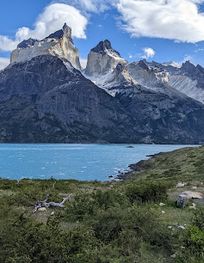
Explore the stunning Nordenskjöld Lake in Torres del Paine, a breathtaking destination perfect for nature lovers and adventure seekers.
