

Chapinero (Bogotá) Travel Guide - Free
Explore Chapinero in Bogotá with Evendo's free guide. Find the best shops, historic streets, restaurants, and gems on web or mobile.


Chapinero, Bogotá’s cultural crossroads, combines Lourdes church, lively cafés, LGBTQ+ nightlife, independent shops and trails rising into the eastern hills.
Urban Character
Chapinero stretches between the historic centre and Bogotá’s northern districts, a broad urban area whose identity changes noticeably from one street to the next. Central Chapinero is dense, energetic and mixed-use, with traffic-heavy avenues opening onto quieter residential streets, university buildings, independent businesses and long-established religious landmarks. The area is shaped by the eastern hills, the commercial spine of Carrera 13 and the north–south flow of Carrera Séptima, while Chapinero Alto climbs towards wooded slopes and panoramic viewpoints.Read more about Chapinero
Streets, Culture and Community
From Main Roads to Mountain Paths
Best attractions in Chapinero
Chapinero’s attractions are found in the contrast between its public squares, cultural corridors and eastern hillside landscape. Plaza de Lourdes centres on the ornate Iglesia de Nuestra Señora de Lourdes and provides a useful starting point for exploring nearby cafés, shops and busy streets. Parque de los Hippies, at the meeting of Carrera Séptima and Calle 60, is a recognisable local gathering place with a strong connection to contemporary urban culture. The area around Calle 53 and Calle 63 offers independent cultural venues, restaurants and nightlife rather than a single museum district. In the upper neighbourhood, Quebrada La Vieja leads towards woodland and mountain scenery through a well-known urban nature route, though access can be regulated. The University district around Javeriana and other institutions adds a youthful, architectural dimension, while Chapinero’s older houses and commercial streets reward unhurried walking.
-
Tourist attraction
Plaza de Lourdes
Explore Plaza de Lourdes, a serene urban park in Bogotá filled with lush greenery, artistic features, and vibrant cultural experiences.
6 min drive · 2.1 km from neighbourhood centre
-
Tourist attraction
Nombre de la ciudad BOGOTA
Explore Bogotá, Colombia's capital, where rich history meets vibrant culture and culinary delights in the heart of the Andes.
6 min drive · 2.2 km from neighbourhood centre


Best landmarks in Chapinero
The Iglesia de Nuestra Señora de Lourdes is Chapinero’s most recognisable architectural landmark, standing beside the plaza that bears its name and anchoring the older central settlement. Its Gothic Revival language and prominent position make it an important feature of Bogotá’s nineteenth-century urban expansion, even as surrounding streets have become intensely commercial. Parque de los Hippies is a less formal but highly symbolic landmark: a public space associated with youth culture, social gathering and the changing identity of central Chapinero. The wide corridors of Avenida Caracas, Carrera 13 and Carrera Séptima also form part of the neighbourhood’s physical history, showing how transport and urban growth reshaped the former municipality. In the upper area, the wooded ravines and paths around Quebrada La Vieja mark the meeting point between built-up Chapinero and the eastern hills.
-
Park
Parque de la 93
Experience the charm of Parque de la 93, a picturesque park in Bogotá perfect for relaxation, culture, and culinary delights.
7 min drive · 2.2 km from neighbourhood centre
-
Park
Virrey Park
Experience tranquility and vibrant culture at Virrey Park, Bogotá's urban oasis where nature meets community and relaxation.
6 min drive · 2.0 km from neighbourhood centre
-
Park
Plaza de Lourdes
Plaza de Lourdes: A Lush Urban Park in Bogotá, Perfect for Relaxation, Cultural Events, and Connecting with Nature.
6 min drive · 2.1 km from neighbourhood centre
-
Cultural landmark
CASA Buen Ayre
Discover the vibrant culture and artistic heritage of Colombia at CASA Buen Ayre, a stunning cultural landmark in Bogotá's El Castillo neighborhood.
7 min drive · 2.2 km from neighbourhood centre


Explore Chapinero on the map
A handpicked selection of must-see spots in Chapinero, mapped for you.
Best hotels in Chapinero
Best restaurants in Chapinero
Eating in Chapinero reflects Bogotá’s urban mix, with casual eateries, cafés, bakeries, vegetarian kitchens, international restaurants and contemporary Colombian cooking spread through the streets around Lourdes, Calle 53, Calle 60 and Calle 63. The neighbourhood’s student and office populations sustain practical lunchtime places, while its nightlife economy has encouraged more ambitious dining and late-evening options. Visitors will find coffee, pastries, arepas and other familiar Colombian staples alongside restaurants influenced by Latin American, Asian, Middle Eastern and European traditions. Chapinero Alto has a more residential and destination-oriented feel in parts, with restaurants reached by climbing from the main avenues. Rather than concentrating on one market or culinary speciality, the area is notable for variety, independent operators and the way dining overlaps with cafés, bars, bookshops and cultural venues.
-
Asian Fusion
Takuma Cocina Show
Discover the best of Asian Fusion at Takuma Cocina Show in Bogotá - where sushi meets teppanyaki for an unforgettable dining experience.
5 min drive · 1.6 km from neighbourhood centre
-
Colombian
Restaurante El Cielo
Discover the essence of Colombian cuisine at Restaurante El Cielo in Bogotá - where tradition meets innovation in every dish.
14 min walk · 1.1 km from neighbourhood centre
-
Restaurant
La Brasserie
Experience authentic French cuisine at La Brasserie in Bogotá, where exquisite dishes meet elegant ambiance for an unforgettable dining experience.
5 min drive · 1.6 km from neighbourhood centre
-
Colombian
Mini Mal
Discover authentic Colombian flavors at Mini Mal in Bogotá – where tradition meets modernity in every dish.
7 min drive · 2.3 km from neighbourhood centre


Best bars in Chapinero
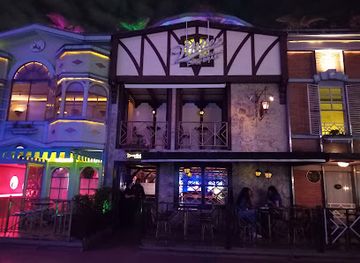
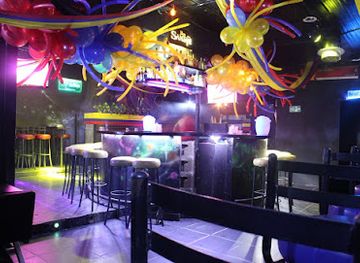
Chapinero is one of Bogotá’s most established evening districts, although its nightlife is concentrated in particular corridors rather than spread evenly across every residential street. The area around Chapinero Central, Calle 60 and Calle 63 includes bars, music venues, dance spaces and LGBTQ+ establishments that have helped shape the neighbourhood’s public identity. Some venues are intimate and informal, while others cater to dancing and larger weekend crowds; the atmosphere changes considerably from a quiet café street to a late-night entertainment strip. Chapinero Alto is generally more residential, with selected restaurants and bars rather than a continuous club scene. After dark, use recognised transport, stay attentive around busy entrances and respect the residents who live above or beside commercial premises.
-
Bar
El Mono Bandido Quinta Camacho
Experience the vibrant nightlife and delicious Colombian cuisine at El Mono Bandido, a top bar and restaurant in Bogotá's Quinta Camacho.
5 min drive · 1.6 km from neighbourhood centre
-
Bar
El Irish Pub
Discover the vibrant atmosphere of El Irish Pub in Bogotá, where traditional Irish charm meets lively Colombian nightlife.
18 min walk · 1.4 km from neighbourhood centre
-
Pub
The Monkey House
Experience the vibrant energy of Bogotá at The Monkey House, where delicious cuisine meets a lively pub atmosphere.
16 min walk · 1.3 km from neighbourhood centre
-
Bar
Huerta Coctelería Artesanal
Experience innovative cocktails and health-conscious dishes at Huerta Coctelería Artesanal in the heart of Bogotá's Chapinero district.
18 min walk · 1.4 km from neighbourhood centre


Best nightclubs in Chapinero
Chapinero is one of Bogotá’s most established evening districts, although its nightlife is concentrated in particular corridors rather than spread evenly across every residential street. The area around Chapinero Central, Calle 60 and Calle 63 includes bars, music venues, dance spaces and LGBTQ+ establishments that have helped shape the neighbourhood’s public identity. Some venues are intimate and informal, while others cater to dancing and larger weekend crowds; the atmosphere changes considerably from a quiet café street to a late-night entertainment strip. Chapinero Alto is generally more residential, with selected restaurants and bars rather than a continuous club scene. After dark, use recognised transport, stay attentive around busy entrances and respect the residents who live above or beside commercial premises.
-
Grill
Indigo Club 51
Discover Bogotá's nightlife at Indigo Club 51, where gourmet grilled dishes meet electrifying music in a vibrant atmosphere.
9 min drive · 2.9 km from neighbourhood centre
-
Night club
THEATRON
Experience Bogotá's nightlife like never before at Theatron, the city's largest and most vibrant nightclub, offering diverse music and lively entertainment.
7 min drive · 2.4 km from neighbourhood centre
-
Night club
Octava
Discover Bogotá's nightlife at Octava, the premier night club in Chapinero with electrifying music and a vibrant atmosphere.
6 min drive · 1.8 km from neighbourhood centre
-
Disco club
El Bunker Club Bogotá
Unleash your energy at El Bunker Club Bogotá, the ultimate disco club and bar for an unforgettable nightlife experience in Chapinero.
7 min drive · 2.2 km from neighbourhood centre


Best shops in Chapinero
Shopping in Chapinero is mainly independent, practical and street-based rather than organised around a single enclosed retail complex. Carrera 13 and the streets around Lourdes and Calle 53 contain clothing shops, cafés, beauty businesses, specialist services and small retailers, while the area near the universities supports book-related, stationery and everyday student commerce. The corridors around Calle 60 and Calle 63 add design, food and lifestyle businesses alongside bars and restaurants. Parque de los Hippies and nearby public spaces sometimes host informal or temporary selling, but visitors should distinguish occasional street commerce from permanent markets. Chapinero is useful for browsing local businesses and observing Bogotá’s changing retail culture, though it is not primarily a souvenir district. Retail character becomes quieter and more residential as streets rise towards Chapinero Alto.
-
Clothing store
LaPercha
Explore LaPercha in Bogotá for a unique shopping experience with trendy clothing and local fashion flair.
17 min walk · 1.4 km from neighbourhood centre
-
Gift shop
Cartier Colombia
Discover timeless elegance and exquisite craftsmanship at Cartier Colombia in Bogotá, a premier destination for luxury jewelry and fashion accessories.
17 min walk · 1.3 km from neighbourhood centre
-
Clothing store
St.Dom Bogotá
Discover unique Colombian fashion at St.Dom Bogotá, where local designers showcase their latest styles in a chic setting.
11 min walk · 0.8 km from neighbourhood centre
-
Clothing store
Tienda de Cosas
Discover the artistic spirit of Bogotá at Tienda de Cosas, where local design meets unique fashion and home goods in a vibrant shopping atmosphere.
5 min drive · 1.5 km from neighbourhood centre


Chapinero essentials
Getting There
Getting Around
Safety
Emergency Situations
Do's and Don'ts
Local Tips
History of Chapinero
The Chapinero Name and Early Settlement
The name Chapinero is traditionally linked to Antón Martín, a shoemaker associated with the production of chapines, a type of footwear, although the details of the story belong partly to local tradition. The area lay north of Bogotá’s colonial core, on land used for farms, estates and routes towards the countryside and eastern hills. Its position between the settled city and rural properties made it a gradual transition zone rather than a densely built quarter. Over time, roads, religious foundations and expanding residential development gave the name a more definite urban identity.
A Municipality North of Bogotá
Chapinero developed as a separate municipality during the nineteenth century, serving as a semi-rural settlement and retreat for Bogotá residents beyond the older centre. The construction and improvement of roads towards the north encouraged houses, shops and religious institutions to gather around the route that became associated with the present Carrera Séptima. The Iglesia de Nuestra Señora de Lourdes, begun in the nineteenth century and developed over subsequent decades, became a defining landmark. Its presence helped establish Lourdes as a local civic and devotional focus as the surrounding settlement became more urban.
Annexation and Urban Expansion
In 1954, Chapinero was incorporated into the enlarged Bogotá district, a change that reflected the capital’s rapid outward growth. In the decades that followed, residential streets, offices, educational institutions and commercial premises filled the former spaces between the old settlement and the northern city. Public transport corridors along Caracas and other major avenues intensified movement through the area, while Carrera 13 and Carrera Séptima became important commercial routes. The neighbourhood’s mixed character—part residential, part institutional and part retail district—dates strongly from this period of metropolitan expansion.
A Centre of Cultural and Social Change
From the late twentieth century onwards, Chapinero became increasingly associated with universities, independent cultural activity, restaurants, bars and alternative forms of urban life. Its central position attracted businesses and creative ventures, while Chapinero Alto developed a more residential and hillside character. The area also gained national visibility as a centre of LGBTQ+ social and cultural life in Bogotá, with venues and organisations contributing to a more openly diverse public identity. More recent redevelopment and rising property interest have changed parts of the neighbourhood, but older houses, local commerce and established public spaces remain alongside newer businesses.
Chapinero in Photos
Browse through our photo collection highlighting the charm and character of the destination.
Neighbourhoods near Chapinero
The closest neighbourhoods to Chapinero, if you have time for more than one stop.
-

-

-

-

-


Swipe for more neighbourhoods
Explore more

Explore more of Bogotá
Bogotá blends colonial La Candelaria, world-class museums, Andean views, creative cuisine and lively culture in Colombia’s high-altitude capital.
Explore Bogotá