

El Peñón (Cali) Travel Guide - Free
Explore El Peñón in Cali with Evendo's free guide. Find the best shops, historic streets, restaurants, and gems on web or mobile.


El Peñón, Cali: explore riverside sculpture, leafy streets, restaurants, cafés, galleries and salsa evenings in one of the city’s most walkable districts.
Between the River and the City
El Peñón occupies a compact stretch of western Cali beside the Río Cali, close enough to the historic centre for easy walks yet distinct in its leafy streets, restaurants and evening sociability. Its name refers to the rocky prominence associated with the area, while the neighbourhood’s present character was shaped by twentieth-century urban growth along the river. Stately older houses, apartment buildings, cafés and galleries now share the streets with shaded pavements and small public spaces.Read more about El Peñón
Art on the Riverbank
Food, Evenings and Local Rhythm
Best attractions in El Peñón
El Peñón’s attractions are concentrated rather than monumental, making the neighbourhood well suited to a walking circuit. Start at Parque del Peñón, a small public square framed by trees, restaurants and everyday local activity, then follow the streets towards the Río Cali. The riverside’s main visual landmark is El Gato del Río, Hernando Tejada’s large cat sculpture, accompanied by a series of smaller painted cats that create an informal open-air art trail. The river itself provides a changing backdrop of bridges, vegetation and urban views, while the surrounding streets reveal older houses, apartment façades, cafés and creative businesses. El Peñón is also close to other central-western cultural areas, but visitors should distinguish those nearby districts from the neighbourhood itself. Its appeal lies in combining public art, riverside walking and a sociable local square rather than in a long list of formal museums.
-
Park
Parque del Peñón
Experience tranquility in the heart of Cali at Parque del Peñón, an urban oasis perfect for relaxation, culture, and nature.
1 min walk · 0.1 km from neighbourhood centre
-
Historical landmark
Parque y Fuente El Peñon
Explore the beautiful Parque y Fuente El Peñon, a historical landmark in Cali, offering lush landscapes, cultural experiences, and serene retreats.
1 min walk · 0.1 km from neighbourhood centre


Best landmarks in El Peñón
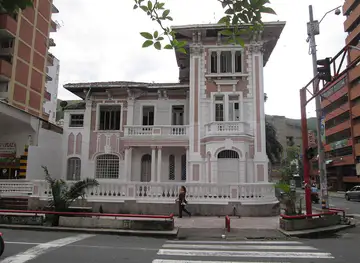
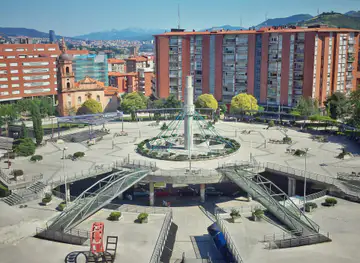
The defining landmarks of El Peñón are closely linked to public space and the Río Cali. Parque del Peñón is the neighbourhood’s central civic reference point, an urban square whose trees, paths and surrounding buildings reflect the area’s mixture of residential life and hospitality businesses. Along the river stands El Gato del Río, a monumental feline sculpture by Cali artist Hernando Tejada installed in 1996; the smaller painted cats nearby expanded the work into a recognisable riverside ensemble. Together they express Cali’s modern public-art culture rather than a colonial architectural tradition. The Río Cali, its banks and the connecting bridges are equally important physical markers, defining the neighbourhood’s western setting and giving El Peñón a landscape dimension. Older houses and later apartment buildings around the park complete this layered local townscape.
-
Tourist attraction
El Gato del Río
Discover the playful charm of El Gato del Río, a vibrant sculpture that embodies Cali's artistic spirit and cultural heritage.
2 min walk · 0.1 km from neighbourhood centre
-
Monument
Estatua Sebastián de Belalcázar
Explore the Statue of Sebastián de Belalcázar in Cali, a monumental tribute that offers stunning views and a deep dive into the city's rich history.
4 min walk · 0.3 km from neighbourhood centre
-
Park
Parque del Peñón
Experience the serene beauty of Parque del Peñón, a lush urban park in Cali, Colombia, perfect for relaxation and cultural exploration.
1 min walk · 0.1 km from neighbourhood centre
-
Restaurant
Plazuela Municipal El Peñón
Explore the vibrant flavors of Plazuela Municipal El Peñón in Cali, where culinary culture meets the heart of Colombia.
2 min walk · 0.2 km from neighbourhood centre


Explore El Peñón on the map
A handpicked selection of must-see spots in El Peñón, mapped for you.
Best hotels in El Peñón
Best restaurants in El Peñón
El Peñón is one of Cali’s established restaurant and café districts, with much of its dining activity gathered around Parque del Peñón and the streets leading towards the Río Cali. Menus reflect the city’s broad cultural influences, combining Colombian dishes with Latin American, Mediterranean, Asian and contemporary international cooking. Cafés and bakeries suit daytime pauses, while restaurants and terraces become more social from late afternoon into the evening. The neighbourhood is a useful place to encounter Cali’s food culture without reducing it to one regional speciality: local ingredients appear alongside modern interpretations and international formats. Independent venues vary considerably in style, so visitors should consult current menus and opening information directly. The dining scene extends towards adjacent central-western areas, including better-known restaurant corridors nearby, but El Peñón’s own character comes from its walkable concentration around the park and its riverside setting.
-
Italian
Tortelli Peñon
Experience authentic Italian cuisine at Tortelli Peñon in El Peñon, Cali - where traditional flavors meet local ingredients.
1 min walk · 0.1 km from neighbourhood centre
-
Hamburger
Chef Burger
Experience gourmet burgers like never before at Chef Burger in Cali - a paradise for food lovers with exceptional taste.
3 min walk · 0.2 km from neighbourhood centre
-
Turkish
Turk House · NYC · - El Peñón
Savor authentic Turkish cuisine at Turk House in El Peñón—an affordable gem offering delicious fast food and vegetarian delights amidst vibrant Cali.
3 min walk · 0.2 km from neighbourhood centre
-
Restaurant
Faró El Peñón
Savor authentic Colombian cuisine at Faró El Peñón – where culinary excellence meets vibrant atmosphere in Cali.
1 min walk · 0.1 km from neighbourhood centre


Best bars in El Peñón
El Peñón’s nightlife is primarily restaurant-led, with wine bars, cocktail-focused venues, casual drinking spots and terraces providing the evening rhythm around Parque del Peñón and nearby streets. It is more sociable and conversational than a concentrated nightclub district, although Cali’s wider salsa culture is never far away and some venues may include Latin music or dancing. The Río Cali and the park make useful orientation points, but the atmosphere becomes quieter on residential streets away from the dining areas. Visitors seeking a dedicated club circuit may need to continue into other parts of Cali, while those staying in El Peñón can enjoy an evening that moves naturally from dinner to drinks. Noise carries in the compact urban setting, so late-night visitors should be considerate when departing venues.
-
Grill
El Faro Pizza Bar
Experience the vibrant flavors of El Faro Pizza Bar in Cali, where culinary delights meet a lively atmosphere for an unforgettable dining experience.
4 min walk · 0.3 km from neighbourhood centre
-
Restaurant
Faró El Peñón
Experience the exquisite culinary journey of Faró El Peñón, where local flavors meet elegance in the heart of Cali, Valle del Cauca.
1 min walk · 0.1 km from neighbourhood centre
-
Bar
Absenta Cali Sede Peñón
Experience the vibrant nightlife at Absenta Cali, a lively bar and restaurant offering unique cocktails and delicious cuisine in El Peñón, Cali.
2 min walk · 0.2 km from neighbourhood centre
-
Bar
Penelope Martini
Discover the vibrant nightlife of Cali at Penelope Martini, where exquisite cocktails and lively atmosphere blend in perfect harmony.
2 min walk · 0.1 km from neighbourhood centre


Best nightclubs in El Peñón
El Peñón’s nightlife is primarily restaurant-led, with wine bars, cocktail-focused venues, casual drinking spots and terraces providing the evening rhythm around Parque del Peñón and nearby streets. It is more sociable and conversational than a concentrated nightclub district, although Cali’s wider salsa culture is never far away and some venues may include Latin music or dancing. The Río Cali and the park make useful orientation points, but the atmosphere becomes quieter on residential streets away from the dining areas. Visitors seeking a dedicated club circuit may need to continue into other parts of Cali, while those staying in El Peñón can enjoy an evening that moves naturally from dinner to drinks. Noise carries in the compact urban setting, so late-night visitors should be considerate when departing venues.
-
Disco club
The Lobby Disco
Dive into the electrifying nightlife at The Lobby Disco, a premier disco club in Cali offering dynamic music, vibrant atmosphere, and unforgettable dance experiences.
2 min walk · 0.2 km from neighbourhood centre
-
Night club
Ladies Night
Experience the vibrant nightlife of Cali at Ladies Night, a premier night club and bar where music and fun come alive.
6 min walk · 0.5 km from neighbourhood centre
-
Night club
Sagsa
Experience the electrifying nightlife of Cali at Sagsa, a premier night club in the heart of El Peñon, where music and dancing come alive.
1 min walk · 0.1 km from neighbourhood centre
-
Disco club
Santo Remedio Discoteca Bar
Experience the vibrant nightlife at Santo Remedio Discoteca Bar, Cali's premier destination for dancing, drinks, and unforgettable memories.
4 min walk · 0.3 km from neighbourhood centre


Best shops in El Peñón
Shopping in El Peñón is small-scale and mixed rather than organised around a major market or department-store street. Visitors will find cafés, restaurants, design-oriented businesses, galleries and independent services around Parque del Peñón and the adjoining streets, with the area’s retail character closely tied to its creative and hospitality economy. The neighbourhood is better for browsing local visual culture, gifts and small specialist items than for a dedicated shopping expedition. Some galleries and businesses change their displays and opening patterns, so current information should be checked locally. Larger retail concentrations and more traditional market experiences lie elsewhere in Cali, including nearby central districts, and should not be confused with El Peñón’s own offer. The pleasantest way to browse is to combine its small businesses with a walk beside the river and a pause in the park.
-
Women's clothing store
Quimeras Cali
Explore the vibrant fashion scene at Quimeras Cali, a women's clothing store that merges contemporary style with local Colombian flair.
2 min walk · 0.1 km from neighbourhood centre
-
Boutique
Michú
Explore Michú, a boutique in Cali that embodies local craftsmanship and vibrant fashion, offering unique treasures to take home.
1 min walk · 0.1 km from neighbourhood centre
-
Adult entertainment store
Sublime Boutique Erotica
Explore your desires at Sublime Boutique Erotica, Cali's premier adult entertainment store offering high-quality products for intimate experiences.
3 min walk · 0.2 km from neighbourhood centre


El Peñón essentials
Getting There
Getting Around
Safety
Emergency Situations
Do's and Don'ts
Local Tips

From Eve
Local phrases worth knowing
You don't need to get them perfect. A few words go a long way, and locals appreciate the effort.
Basics
| English | Local | Say it |
|---|---|---|
| Hello | Hola | [oh-lah] |
| Goodbye | Adiós | [ah-dyohs] |
| Yes | Sí | [see] |
| No | No | [noh] |
| Please/You're welcome | Por favor | [pohr fah-vohr] |
| Thank you | Gracias | [grah-syahs] |
| Excuse me/Sorry | Perdón | [pehr-dohn] |
| How are you? | ¿Cómo estás? | [koh-moh ehs-tahs] |
| Fine. And you? | Bien. ¿Y tú? | [byen. ee too] |
| Do you speak English? | ¿Hablas inglés? | [ah-blahs een-glehs] |
| I don't understand | No entiendo | [noh ehn-tyehn-doh] |
Eating & Drinking
| English | Local | Say it |
|---|---|---|
| I'd like to see the menu, please | Me gustaría ver el menú, por favor | [meh goos-tah-ree-ah behr ehl meh-noo, pohr fah-vohr] |
| I don't eat meat | No como carne | [noh koh-moh kahr-neh] |
| Cheers! | ¡Salud! | [sah-lood] |
| I would like to pay, please | Me gustaría pagar, por favor | [meh goos-tah-ree-ah pah-gahr, pohr fah-vohr] |
Emergencies
| English | Local | Say it |
|---|---|---|
| Help! | ¡Ayuda! | [ah-yoo-dah] |
| Go away! | ¡Vete! | [veh-teh] |
| Call the Police! | ¡Llama a la Policía! | [yah-mah ah lah poh-lee-see-ah] |
| Call a doctor! | ¡Llama a un doctor! | [yah-mah ah oon dohk-tohr] |
| I'm lost | Estoy perdido | [ehs-toy pehr-dee-doh] |
| I'm ill | Estoy enfermo | [ehs-toy ehn-fehr-moh] |
Shopping
| English | Local | Say it |
|---|---|---|
| I'd like to buy... | Me gustaría comprar... | [meh goos-tah-ree-ah kohm-prahr] |
| I'm just looking | Solo estoy mirando | [soh-loh ehs-toy mee-rahn-doh] |
| How much is it? | ¿Cuánto cuesta? | [kwan-toh kwes-tah] |
| That's too expensive | Eso es demasiado caro | [eh-soh ehs deh-mah-syah-doh kah-roh] |
| Can you lower the price? | ¿Puede bajar el precio? | [pweh-deh bah-har ehl pree-syoh] |
Time & Numbers
| English | Local | Say it |
|---|---|---|
| What time is it? | ¿Qué hora es? | [keh oh-rah ehs] |
| It's one o'clock | Es la una | [ehs lah oo-nah] |
| Half past (10) | Son las diez y media | [sohn lahs dyehs ee meh-dee-ah] |
| Morning | Mañana | [mah-nyah-nah] |
| Afternoon | Tarde | [tahr-deh] |
| Evening | Noche | [noh-cheh] |
| Yesterday | Ayer | [ah-yehr] |
| Today | Hoy | [oy] |
| Tomorrow | Mañana | [mah-nyah-nah] |
| 1 | Uno | [oo-noh] |
| 2 | Dos | [dohs] |
| 3 | Tres | [trehs] |
| 4 | Cuatro | [kwah-troh] |
| 5 | Cinco | [seen-koh] |
| 6 | Seis | [sehs] |
| 7 | Siete | [syeh-teh] |
| 8 | Ocho | [oh-choh] |
| 9 | Nueve | [nweh-veh] |
| 10 | Diez | [dyehs] |
Transport & Directions
| English | Local | Say it |
|---|---|---|
| Where's a/the...? | ¿Dónde está...? | [dohn-deh ehs-tah] |
| What's the address? | ¿Cuál es la dirección? | [kwal ehs lah dee-rehk-syohn] |
| Can you show me (on the map)? | ¿Puedes mostrarme (en el mapa)? | [pweh-dehs mohs-trar-meh (ehn ehl mah-pah)] |
| When's the next (bus)? | ¿Cuándo es el próximo (autobús)? | [kwan-doh ehs ehl prohk-see-moh (ow-toh-boos)] |
| A ticket (to ....) | Un boleto (a ....) | [oon boh-leh-toh (ah)] |
History of El Peñón
From Rocky Outcrop to Urban Quarter
El Peñón takes its name from a rocky feature traditionally associated with the site, which once stood apart from the more intensively built parts of Cali. As the city expanded westwards during the nineteenth and early twentieth centuries, land near the Río Cali was gradually incorporated into the urban fabric. The neighbourhood’s identity developed through this transition from peripheral landscape to residential area, with the river remaining both a geographical boundary and a source of local character. Its compact streets and proximity to the historic centre reflect the period when Cali’s urban growth began to extend beyond its earliest central core.
Residential Growth Beside the River
During the twentieth century, El Peñón became an established residential district as Cali’s population and economy expanded. Houses, apartment buildings and small businesses occupied the area around the river and the park, while improved roads and bridges strengthened connections with the centre and western neighbourhoods. Like other central parts of Cali, the district experienced changing patterns of residence and commerce as families moved farther out and older buildings acquired new uses. The survival of mature trees, older façades and a walkable street pattern gives El Peñón a visible connection with this earlier phase of urban development.
Art and the Río Cali Renewal
El Peñón’s contemporary public identity was reinforced by the creation of El Gato del Río, a monumental sculpture by Cali artist Hernando Tejada installed beside the Río Cali in 1996. The subsequent addition of smaller, brightly painted cats turned the riverbank into an informal open-air gallery and connected the neighbourhood with Cali’s tradition of public art. Restaurants, cafés, galleries and creative businesses later strengthened the area’s cultural and evening economy. This evolution has brought more visitors while leaving El Peñón recognisable as a mixed residential and commercial quarter rather than a purpose-built tourist precinct.
El Peñón in Photos
Browse through our photo collection highlighting the charm and character of the destination.
Neighbourhoods near El Peñón
The closest neighbourhoods to El Peñón, if you have time for more than one stop.
-
-
-


Swipe for more neighbourhoods
Explore more

Explore more of Cali
Cali, Colombia’s salsa capital, blends Pacific-influenced cuisine, colonial heritage, lively parks, mountain views and memorable cultural experiences.
Explore Cali