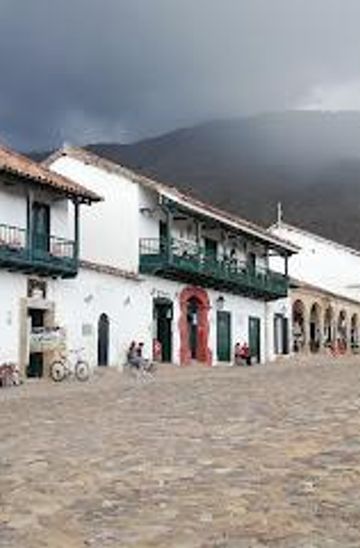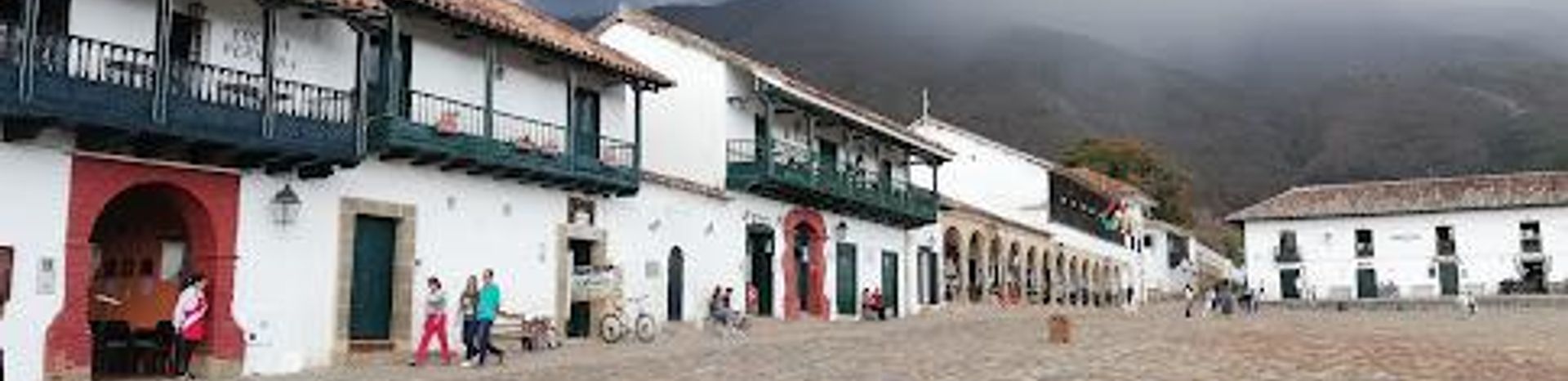
Villa de Leyva Main Square: A Colonial Masterpiece
Discover the vast colonial Plaza Mayor of Villa de Leyva, a historic gem surrounded by stunning architecture and vibrant Colombian culture.
The Plaza Mayor of Villa de Leyva, also known as the Main Square, is one of Colombia's largest and most impressive town squares. Dating back to the 16th century, this vast cobblestone expanse is surrounded by well-preserved colonial architecture, offering visitors a captivating glimpse into the past.
A brief summary to Villa de Leyva Main Square
- Cra. 10, Villa de Leyva, Boyaca, 154001, CO
- Click to display
- Click to display
- Monday 12 am-12 am
- Tuesday 12 am-12 am
- Wednesday 12 am-12 am
- Thursday 12 am-12 am
- Friday 12 am-12 am
- Saturday 12 am-12 am
- Sunday 12 am-12 am

Know before you go
Hi, I'm Eve. Here are a few practical things to know before exploring Villa de Leyva Main Square.
- Visit on weekends to experience the lively artisan market and local festivities.
- Wear comfortable shoes for exploring the cobblestone streets around the square.
- Visit early in the morning to enjoy a quieter atmosphere and capture stunning photographs without the crowds.
- Check the local event calendar for markets, concerts, and cultural festivals.
Do you manage this location?
Take control to get all the benefits, like improved information, better appearance, and stronger visibility across AI-powered discovery. Learn more
Activate your presenceGetting There
-
Walking
The Villa de Leyva bus terminal is a short 5-10 minute walk to the Main Square. Upon exiting the terminal, walk along the cobblestone streets towards the center of town. The Plaza Mayor is easily recognizable as the large, open square surrounded by whitewashed colonial buildings. Be aware that the cobblestones can be uneven, so watch your step.
-
Public Transport
If arriving from Bogotá, take a bus from either Terminal Salitre or Terminal Norte to Villa de Leyva. Buses depart approximately every hour, with a journey time of 3-4 hours. The bus fare is approximately 23,000-35,000 COP. Upon arrival at the Villa de Leyva bus terminal, the Plaza Mayor is a short walk or taxi ride away. A taxi from the terminal to the square should cost around 5,000-10,000 COP.
-
Car
If driving to Villa de Leyva, follow Route 50 towards Boyacá. Once in Villa de Leyva, look for parking near Cra. 10, the main street where the Main Square is located. Parking fees range from 5,000 to 10,000 COP.
Discover more about Villa de Leyva Main Square
Explore the best of what Villa de Leyva Main Square has to offer
-

Best experiences near Villa de Leyva Main Square
-

Best hotels near Villa de Leyva Main Square
-

Best landmarks near Villa de Leyva Main Square
-

Best shops near Villa de Leyva Main Square
-

Best restaurants near Villa de Leyva Main Square
-

Best bars near Villa de Leyva Main Square
-

Best nightclubs near Villa de Leyva Main Square









More about Cundiboyacense Highlands
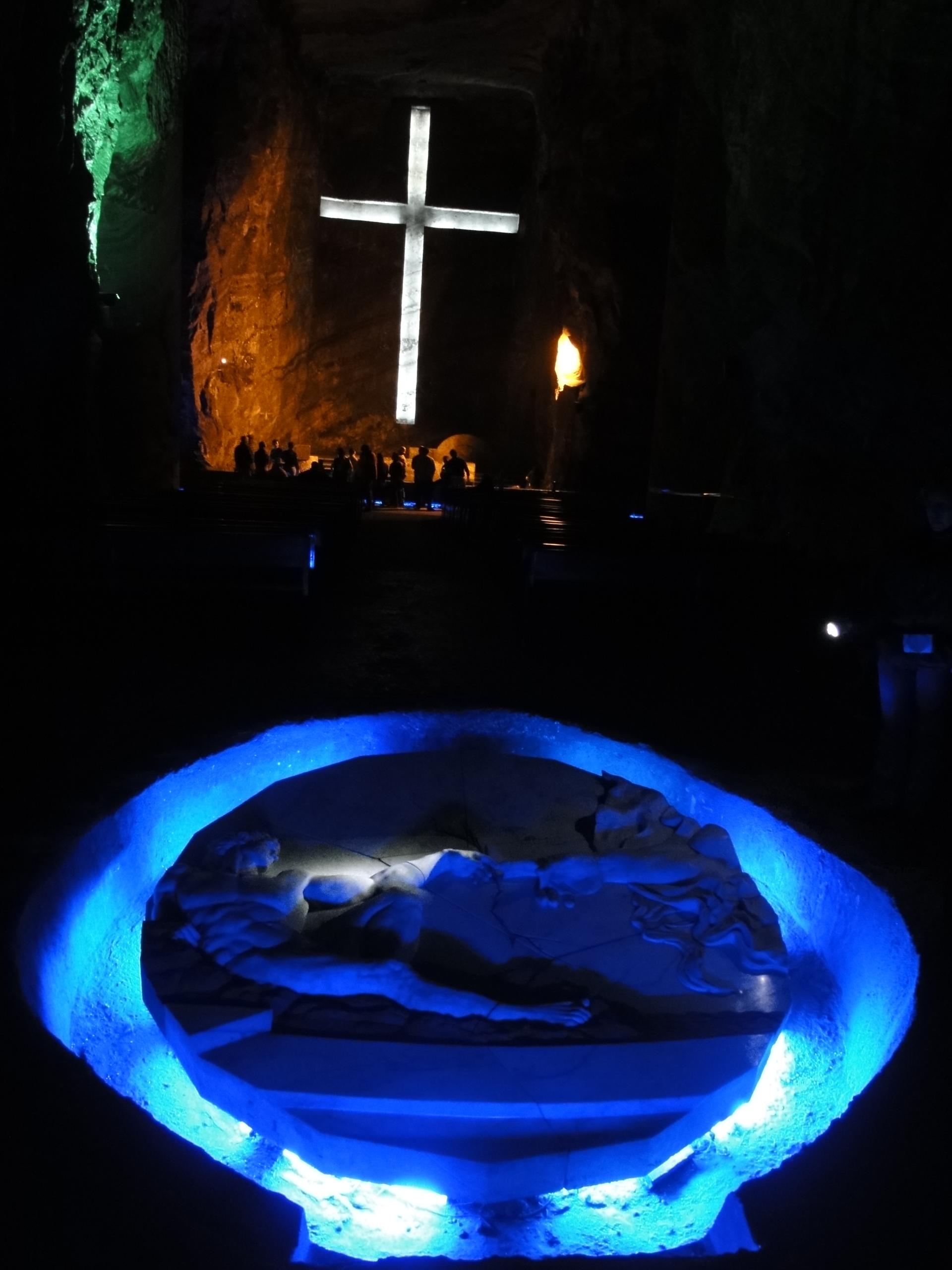
Explore the captivating Cundiboyacense Highlands in Colombia, where natural beauty, rich history, and vibrant culture come together to create an unforgettable travel experience.
Tell me more about Cundiboyacense Highlands