
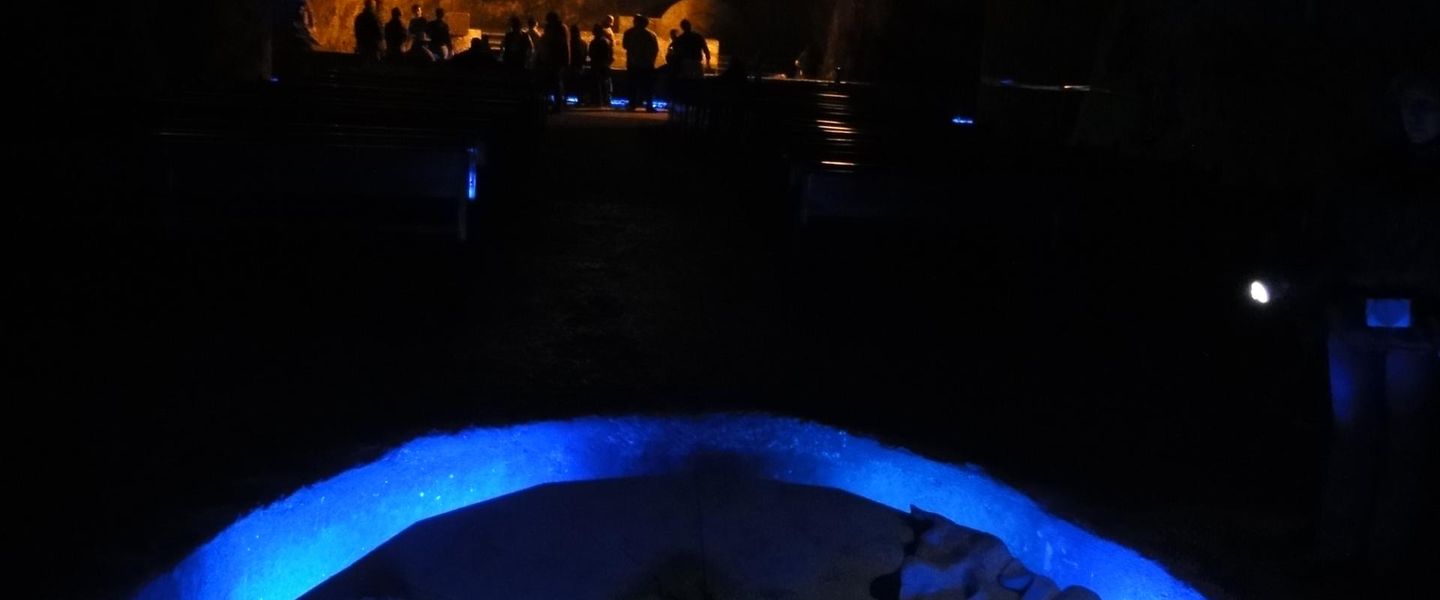
Cundiboyacense Highlands, Colombia Travel Guide
Explore the captivating Cundiboyacense Highlands in Colombia, where natural beauty, rich history, and vibrant culture come together to create an unforgettable travel experience.
Nestled in the heart of Colombia, the Cundiboyacense Highlands offer travelers a unique blend of natural beauty, rich history, and vibrant culture. This region is characterized by its breathtaking landscapes, from verdant valleys to rugged mountain peaks, making it a paradise for nature lovers and adventure seekers alike. Visitors can explore the lush countryside, dotted with charming colonial towns and picturesque villages, each with its own distinct character and history. The highlands are also home to a wealth of historical and cultural sites. The town of Villa de Leyva, for example, is a well-preserved colonial gem with cobblestone streets and whitewashed buildings that transport visitors back in time. The area is rich in pre-Columbian history as well, with numerous archaeological sites and museums that offer a glimpse into the ancient cultures that once thrived here. In addition to its historical and natural attractions, the Cundiboyacense Highlands are known for their warm and welcoming people. Visitors can immerse themselves in local traditions and customs, sample delicious regional cuisine, and enjoy the hospitality that Colombians are famous for. Whether you're hiking through the stunning landscapes, exploring historical landmarks, or simply soaking up the local culture, the Cundiboyacense Highlands promise an unforgettable experience.

Know before you go
Hi, I'm Eve. Here are a few practical things to know before exploring Cundiboyacense Highlands.
- Best time to visit: The dry season from December to March offers the most pleasant weather for outdoor activities.
- Bring layers: The highlands can have variable weather, so pack layers to stay comfortable.
- Local markets: Don’t miss visiting local markets to buy handmade crafts and sample regional delicacies.
- Cash is king: Many small towns and villages may not accept credit cards, so carry cash.
- Learn some Spanish: Basic Spanish phrases will go a long way in enhancing your interaction with locals.
Top City Travel Guides in Cundiboyacense Highlands
The cities of Cundiboyacense Highlands, and the easiest places to base yourself.
Explore Cundiboyacense Highlands: Things to Do, Places to Eat, Hotels & More
Handpicked recommendations for top attractions, local dining, accommodations, and more

Top Attractions & Sightseeing in Cundiboyacense Highlands
Top-rated picks
Best Attractions

Villa de Leyva Main Square
Discover the vast colonial Plaza Mayor of Villa de Leyva, a historic gem surrounded by stunning architecture and vibrant Colombian culture.

Casa Terracota
Explore Casa Terracota in Villa de Leyva: the world's largest piece of pottery, an architectural marvel blending art and sustainability.

Pozos Azules
Discover the stunningly colorful artificial lagoons of Pozos Azules near Villa de Leyva, a surreal desert oasis in Colombia.

Fossil
Discover a 120-million-year-old Kronosaurus skeleton at El Fósil museum near Villa de Leyva, Colombia, and explore ancient marine life.

Best landmarks in Cundiboyacense Highlands
Top-rated picks
Best Landmarks

Paramo Iguaque
Experience the enchanting landscapes and rich biodiversity of Paramo Iguaque National Park in Boyacá, Colombia, a true gem for nature lovers and adventurers alike.

Altiplano cundiboyacense
Explore the breathtaking Altiplano Cundiboyacense, Colombia's stunning plateau rich in culture, wildlife, and breathtaking landscapes.

Best restaurants in Cundiboyacense Highlands
Top-rated picks
Best Restaurants

Andrés D.C. Bogotá
Discover Andrés D.C., Bogotá's vibrant restaurant blending exquisite cuisine with an energetic atmosphere for unforgettable dining experiences.

Central Cevicheria
Discover Bogotá's culinary delight at Central Cevicheria - where fresh ceviche meets vibrant flavors in an unforgettable dining experience.
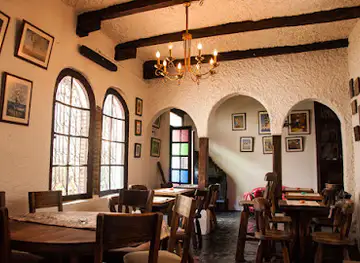
El Gato Gris
Discover the vibrant flavors of Colombia at El Gato Gris in La Candelaria – where tradition meets innovation in every dish.
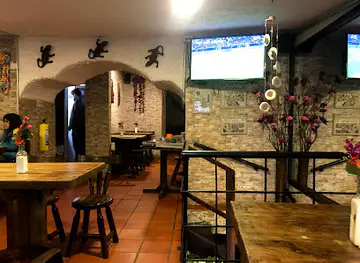
La Puerta Falsa Restaurant
Experience authentic Colombian cuisine at La Puerta Falsa Restaurant in Bogotá's historic La Candelaria district.

Best bars in Cundiboyacense Highlands
Top-rated picks
Best Bars

Gaira Café Cumbia House
Discover the heart of Colombian music and cuisine at Gaira Café Cumbia House, where every night is a celebration of culture and flavor.

Alquimico
Experience the vibrant nightlife of Cartagena at Alquimico, where creative cocktails meet an unforgettable atmosphere.

4.40 Music Hall
Dive into Bogotá's best nightlife at 4.40 Music Hall, where music, dance, and Colombian culture collide for an unforgettable experience.
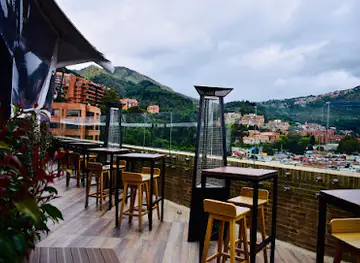
BrewPub Rooftop
Discover the perfect blend of breathtaking views and delectable cuisine at BrewPub Rooftop in the heart of Bogotá.

Best nightclubs in Cundiboyacense Highlands
Top-rated picks
Best Nightclubs

THEATRON
Discover Bogotá's premier nightclub, Theatron, where vibrant music, delicious drinks, and an inclusive atmosphere create unforgettable nightlife experiences.

Bar La Santa Club
Discover the vibrant nightlife of Bogotá at Bar La Santa Club, where music and dance come together for an unforgettable experience.

Federal Rooftop | Discoteca abierta 365 días
Discover the ultimate nightlife experience at Federal Rooftop, a disco club in Bogotá offering stunning views and an electrifying atmosphere.

CLANDESTINO CLUB
Discover Bogotá's nightlife at Clandestino Club - a vibrant venue for dancing, cocktails, and unforgettable experiences.

Best shops in Cundiboyacense Highlands
Top-rated picks
Best Shops

Andino
Discover Andino, Bogotá's premier shopping mall, offering a blend of international brands and delightful dining experiences in a vibrant atmosphere.

Hayuelos Centro Comercial
Discover the best of shopping, dining, and entertainment at Hayuelos Centro Comercial in Bogotá, an ideal destination for tourists and locals alike.

MARKETPLACE
Discover the lively Marketplace in Villa de Leyva, a treasure trove of local crafts, delicious foods, and vibrant culture in the heart of Colombia.

Centro Comercial la Casona del Museo
Experience the vibrant culture and exquisite handicrafts at Centro Comercial la Casona del Museo in Bogotá.

Explore Cundiboyacense Highlands on the Map
A handpicked selection of must-see spots in Cundiboyacense Highlands, mapped for you.
Cundiboyacense Highlands Essentials
-
The Cundiboyacense Highlands are located in central Colombia, spanning the departments of Cundinamarca and Boyacá. The nearest major city is Bogotá, which is served by El Dorado International Airport. From Bogotá, you can reach the highlands by car, bus, or shuttle services. The journey by road typically takes around 2 to 4 hours, depending on your destination within the highlands. Bus services are frequent and depart from Bogotá's main bus terminals, such as Terminal de Transporte Salitre.
-
Within the Cundiboyacense Highlands, public transportation options include buses and shared vans (colectivos), which connect towns and villages. Taxis are available in larger towns and are a convenient option for shorter trips. Renting a car is another viable option and provides the flexibility to explore the region at your own pace. Roads are generally in good condition, but be prepared for winding mountain routes.
-
The official currency in Colombia is the Colombian Peso (COP). Credit and debit cards are widely accepted in hotels, restaurants, and larger shops, but it is advisable to carry cash for transactions in smaller establishments and rural areas. ATMs are available in most towns, but it is recommended to withdraw sufficient cash in larger cities like Bogotá before traveling to the highlands.
-
The Cundiboyacense Highlands are generally safe for tourists, but it is important to take standard precautions. Avoid walking alone at night in unfamiliar areas and keep an eye on your belongings in crowded places. While most areas are safe, it is advisable to stay informed about any local advisories. Stick to well-traveled routes and avoid remote areas unless you are with a trusted guide.
-
In case of emergency, dial 123 for immediate assistance in Colombia. Medical facilities are available in larger towns and cities such as Tunja and Villa de Leyva. It is recommended to have travel insurance that covers medical emergencies. For minor health issues, pharmacies are common and usually well-stocked. Make sure to carry any essential medications with you.
-
Fashion: Do dress in layers, as the weather can vary greatly throughout the day. Avoid wearing overly revealing clothing in rural areas. Religion: Do respect local religious customs and dress modestly when visiting churches and religious sites. Public Transport: Do be courteous and allow elderly or disabled passengers to sit. Don't eat or drink on public transport. Greetings: Do greet people with a handshake or a simple 'Buenos días' or 'Buenas tardes.' Eating & Drinking: Do try local dishes and drinks, such as arepas and chicha. Don't refuse food or drink offered by locals, as it may be considered impolite.
-
To experience the Cundiboyacense Highlands like a local, visit the traditional markets and try the local produce. Participate in local festivals and fairs, which offer a glimpse into the region's rich cultural heritage. Don't miss visiting the colonial towns of Villa de Leyva and Tunja, which boast historical architecture and vibrant local life. Engage with locals, who are often friendly and eager to share stories about their history and culture.
When is the best time to visit Cundiboyacense Highlands?
Useful Local Phrases for Cundiboyacense Highlands
You don't need to speak the language perfectly. Even learning a few simple words can make conversations warmer—and locals usually appreciate the effort.
— Eve

Here are the phrases I use most often in Cundiboyacense Highlands. Try a few—you'll be surprised how far they go! 😊
❤️
-
- HelloHola
[o-la] - GoodbyeAdiós
[a-dios] - YesSí
[see] - NoNo
[no] - Please/You're welcomePor favor
[por fa-vor] - Thank youGracias
[gra-sias] - Excuse me/SorryPerdón
[per-don] - How are you?¿Cómo estás?
[ko-mo es-tas] - Fine. And you?Bien. ¿Y tú?
[byen. ee tu] - Do you speak English?¿Hablas inglés?
[a-blas in-gle-s] - I don't understandNo entiendo
[no en-tien-do]
- HelloHola
-
- I'd like to see the menu, pleaseMe gustaría ver el menú, por favor
[me gus-ta-ria ver el me-nu, por fa-vor] - I don't eat meatNo como carne
[no ko-mo car-ne] - Cheers!¡Salud!
[sa-lud] - I would like to pay, pleaseMe gustaría pagar, por favor
[me gus-ta-ria pa-gar, por fa-vor]
- I'd like to see the menu, pleaseMe gustaría ver el menú, por favor
-
- Help!¡Ayuda!
[a-yu-da] - Go away!¡Vete!
[ve-te] - Call the Police!¡Llama a la policía!
[ya-ma a la po-li-ci-a] - Call a doctor!¡Llama a un doctor!
[ya-ma a un doc-tor] - I'm lostEstoy perdido
[es-toy per-di-do] - I'm illEstoy enfermo
[es-toy en-fer-mo]
- Help!¡Ayuda!
-
- I'd like to buy...Me gustaría comprar...
[me gus-ta-ria kom-prar] - I'm just lookingSolo estoy mirando
[so-lo es-toy mi-ran-do] - How much is it?¿Cuánto cuesta?
[kwan-to kwes-ta] - That's too expensiveEso es muy caro
[e-so es muy ca-ro] - Can you lower the price?¿Puedes bajar el precio?
[pwe-des ba-har el pre-cio]
- I'd like to buy...Me gustaría comprar...
-
- What time is it?¿Qué hora es?
[ke o-ra es] - It's one o'clockEs la una
[es la u-na] - Half past (10)Y media (10)
[ee me-dia] - MorningMañana
[ma-ña-na] - AfternoonTarde
[tar-de] - EveningNoche
[no-che] - YesterdayAyer
[a-yer] - TodayHoy
[oy] - TomorrowMañana
[ma-ña-na] - 1Uno
[u-no] - 2Dos
[dos] - 3Tres
[tres] - 4Cuatro
[kwa-tro] - 5Cinco
[sin-co] - 6Seis
[seis] - 7Siete
[sye-te] - 8Ocho
[o-cho] - 9Nueve
[nwe-ve] - 10Diez
[diez]
- What time is it?¿Qué hora es?
-
- Where's a/the...?¿Dónde está un/una...?
[don-de es-ta un/una] - What's the address?¿Cuál es la dirección?
[kwal es la di-rec-ción] - Can you show me (on the map)?¿Puedes mostrarme (en el mapa)?
[pwe-des mos-trar-me en el ma-pa] - When's the next (bus)?¿Cuándo es el próximo (bus)?
[kwan-do es el pro-xi-mo] - A ticket (to ....)Un tiquete (a ....)
[un ti-ke-te a]
- Where's a/the...?¿Dónde está un/una...?
History of Cundiboyacense Highlands
-
Before the arrival of the Spanish, the Cundiboyacense Highlands were inhabited by the Muisca people, one of the four advanced civilizations in the Americas. The Muisca developed a rich culture centered around agriculture, trade, and religion. They were known for their intricate goldwork, which played a significant role in the legend of El Dorado. The Muisca Confederation included several powerful leaders, or 'zipas,' who governed from their capitals at Bacatá (modern-day Bogotá) and Hunza (modern-day Tunja).
-
In 1537, Spanish conquistador Gonzalo Jiménez de Quesada led an expedition into the Cundiboyacense Highlands, marking the beginning of Spanish colonization. The conquest was swift, owing to the advanced weaponry and tactics of the Spaniards, and by 1538, they had established the city of Santa Fe de Bogotá. The Spanish imposed their rule, religion, and culture on the indigenous Muisca, leading to significant changes in the social and economic structures of the region.
-
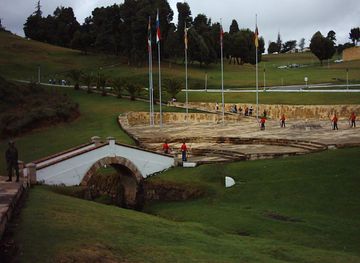
On August 7, 1819, the Battle of Boyacá took place near the Boyacá River, a decisive engagement in the Colombian War of Independence. Led by Simón Bolívar, the patriot forces defeated the Spanish royalists, paving the way for the liberation of New Granada (modern-day Colombia). This victory was crucial in the struggle for independence across Latin America and is commemorated every year as a national holiday in Colombia.
-
Founded in 1539, Tunja quickly became one of the most important cities in the Spanish colony. Its historic center is a testament to its colonial heritage, with well-preserved buildings such as the Cathedral Basilica of St. James the Apostle, the Santo Domingo Church, and the Boyacá Bridge. Tunja was a hub of religious and educational activity, home to several convents and the prestigious Colegio de Boyacá, which educated many future leaders of the independence movement.
-
The Cundiboyacense Highlands are rich in cultural traditions, many of which date back to the colonial era and the indigenous Muisca heritage. One of the most notable festivals is the Festival of the Sun and Moon (Fiesta del Sol y de la Luna), a modern celebration inspired by Muisca rituals. Additionally, the region is known for its vibrant Holy Week (Semana Santa) processions, particularly in the towns of Tunja and Villa de Leyva, where locals and visitors alike participate in elaborate religious ceremonies.
-
Founded in 1572, Villa de Leyva is one of Colombia's most well-preserved colonial towns. Its cobblestone streets, whitewashed buildings, and expansive Plaza Mayor transport visitors back to the 16th century. The town is a cultural hotspot, hosting events like the Festival of Lights (Festival de Luces) and the International Kite Festival (Festival Internacional del Viento y las Cometas). It is also home to significant historical sites, including the Antonio Nariño House Museum and the Paleontological Research Center, which showcases fossils from the region.
Neighbouring Regions of Cundiboyacense Highlands
The closest regions to Cundiboyacense Highlands, if you have time for more than one.
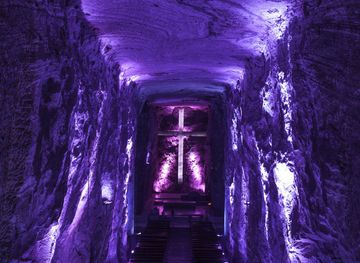

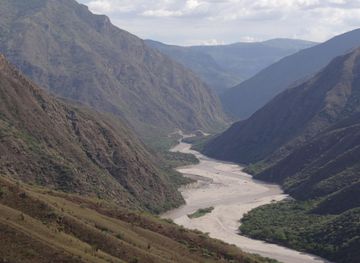
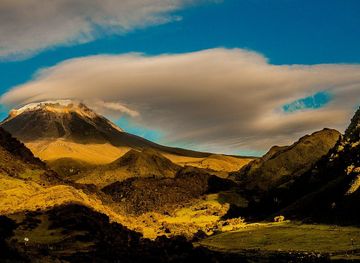


Your all‑in‑one travel companion app
Explore expert travel guides, compare and book tours, experiences, hotels, and more—all from the palm of your hand. Download now for seamless trip planning wherever your wanderlust takes you.


Explore More of Colombia

Looking beyond Cundiboyacense Highlands? Discover Colombia for broader travel guides, local hot-spots, and regional highlights.
Explore ColombiaCundiboyacense Highlands in Photos
Browse through our photo collection highlighting the charm and character of the destination.


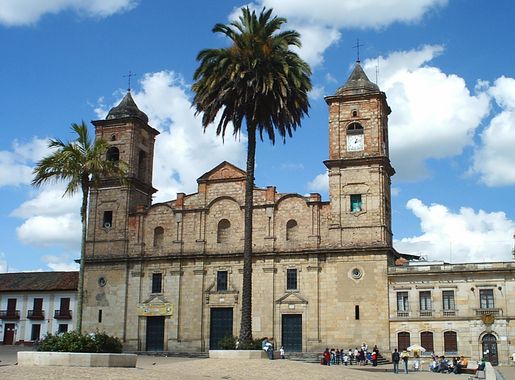


The Enchanting Cundiboyacense Highlands
Nestled in the heart of Colombia, the Cundiboyacense Highlands offer travelers a unique blend of natural beauty, rich history, and vibrant culture. This region is characterized by its breathtaking landscapes, from verdant valleys to rugged mountain peaks, making it a paradise for nature lovers and adventure seekers alike. Visitors can explore the lush countryside, dotted with charming colonial towns and picturesque villages, each with its own distinct character and history. The highlands are also home to a wealth of historical and cultural sites. The town of Villa de Leyva, for example, is a well-preserved colonial gem with cobblestone streets and whitewashed buildings that transport visitors back in time. The area is rich in pre-Columbian history as well, with numerous archaeological sites and museums that offer a glimpse into the ancient cultures that once thrived here. In addition to its historical and natural attractions, the Cundiboyacense Highlands are known for their warm and welcoming people. Visitors can immerse themselves in local traditions and customs, sample delicious regional cuisine, and enjoy the hospitality that Colombians are famous for. Whether you're hiking through the stunning landscapes, exploring historical landmarks, or simply soaking up the local culture, the Cundiboyacense Highlands promise an unforgettable experience.