

Fleuve Comoé, Comoe River Travel Guide
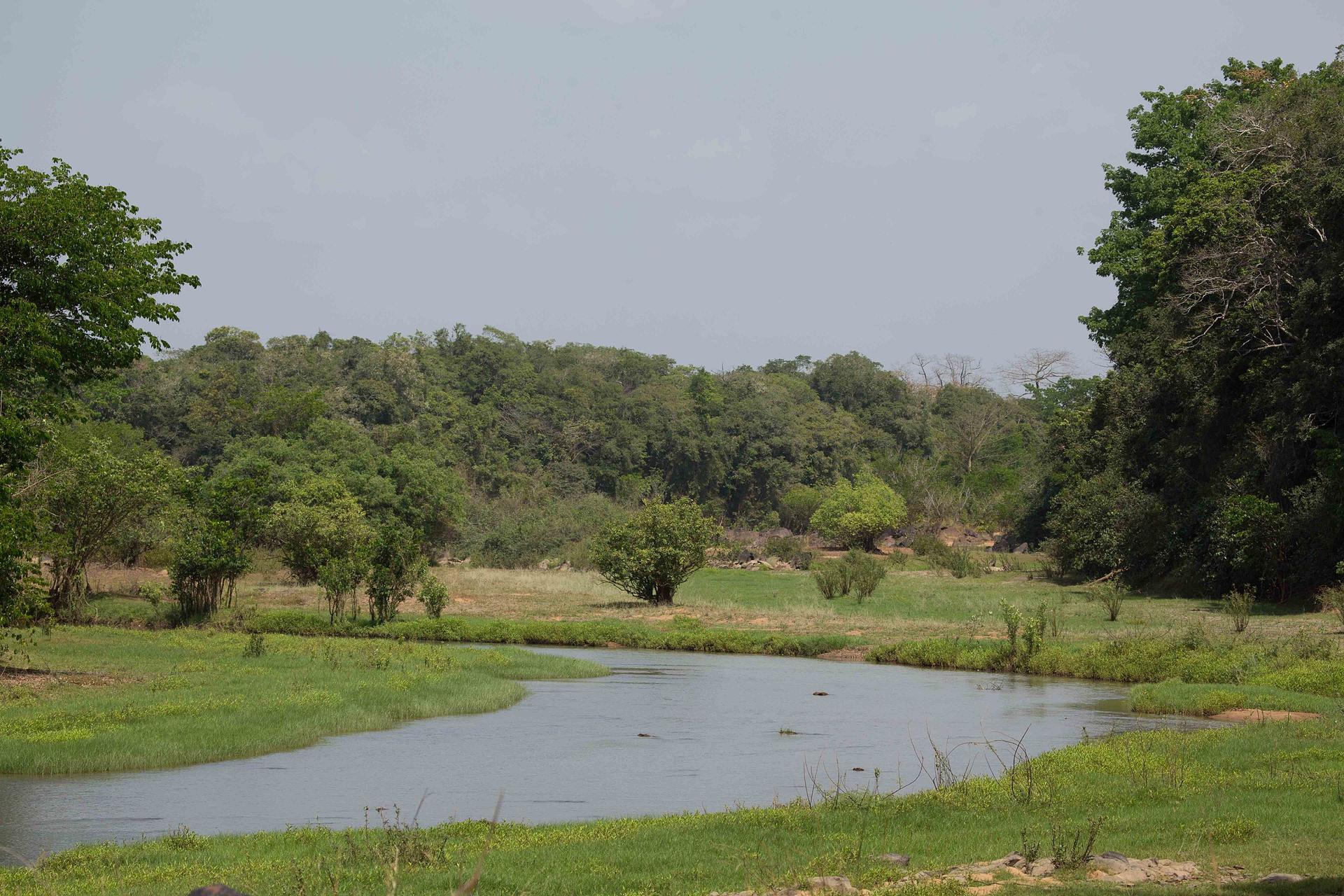
Discover the natural beauty and ecological importance of the Comoé River in Côte d'Ivoire, a vital waterway shaping the region.
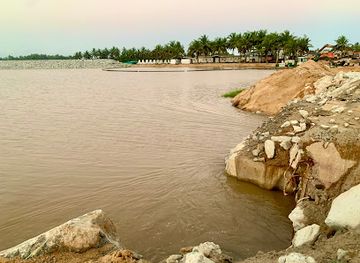
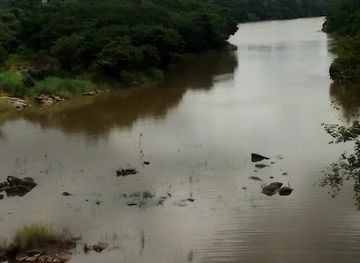
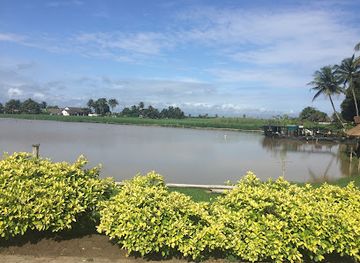
The Comoé River, also known as Komoé, is a vital waterway in West Africa, traversing Burkina Faso and Côte d'Ivoire. Originating in Burkina Faso, it flows through diverse landscapes, sustaining wildlife and agriculture before emptying into the Atlantic Ocean near Grand-Bassam.
A brief summary to Fleuve Comoé
- 8C2X+QQV, Daoukro, CI

Know before you go
Hi, I'm Eve. Here are a few practical things to know before exploring Fleuve Comoé.
- Explore the riverbanks to witness the diverse flora and fauna that thrive in this ecosystem.
- Visit nearby Comoé National Park to experience the rich biodiversity supported by the river.
- Respect the local environment and communities when visiting the river and its surroundings.
Do you manage this location?
Take control to get all the benefits, like improved information, better appearance, and stronger visibility across AI-powered discovery. Learn more about listing your business on Evendo
Activate your presenceOther nearby places you may find interesting
The closest places of the same kind, if this one is not quite what you had in mind.
Explore Fleuve Comoé on the Map
A handpicked selection of must-see spots near Fleuve Comoé, mapped for you.
Getting There
-
Taxi
From Daoukro, taxis are readily available to reach various points along the Comoé River. A short taxi ride from the city center to a closer access point on the river will typically cost around 500-1000 CFA francs. Confirm the fare with the driver before starting your journey.
-
Walking
If you are already in Daoukro, certain sections of the Comoé River may be accessible by foot, depending on your specific location. Check local maps or ask residents for the best walking routes to the river. There are no costs associated with walking.
Discover more about Fleuve Comoé













Your all‑in‑one travel companion app
Explore expert travel guides, compare and book tours, experiences, hotels, and more—all from the palm of your hand. Download now for seamless trip planning wherever your wanderlust takes you.


Explore More of Comoe River
Looking beyond Fleuve Comoé? Discover Comoe River for broader travel guides, local hot-spots, and regional highlights.
Explore Comoe River
Explore the serene trails of Kweku Nyame Kurom in Ghana's Bono Region, where nature and culture intertwine for an unforgettable hiking adventure.
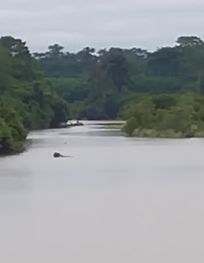
Explore the Comoe River, a West African lifeline supporting biodiversity, agriculture, and cultural heritage.
