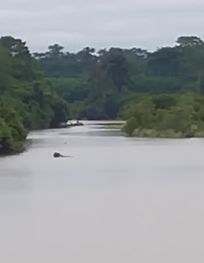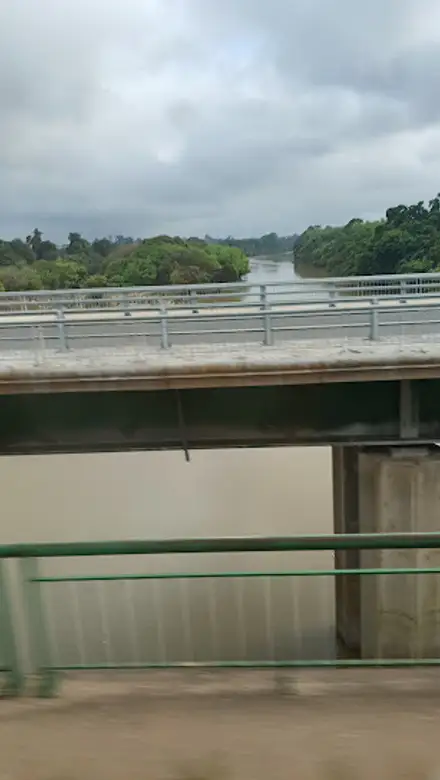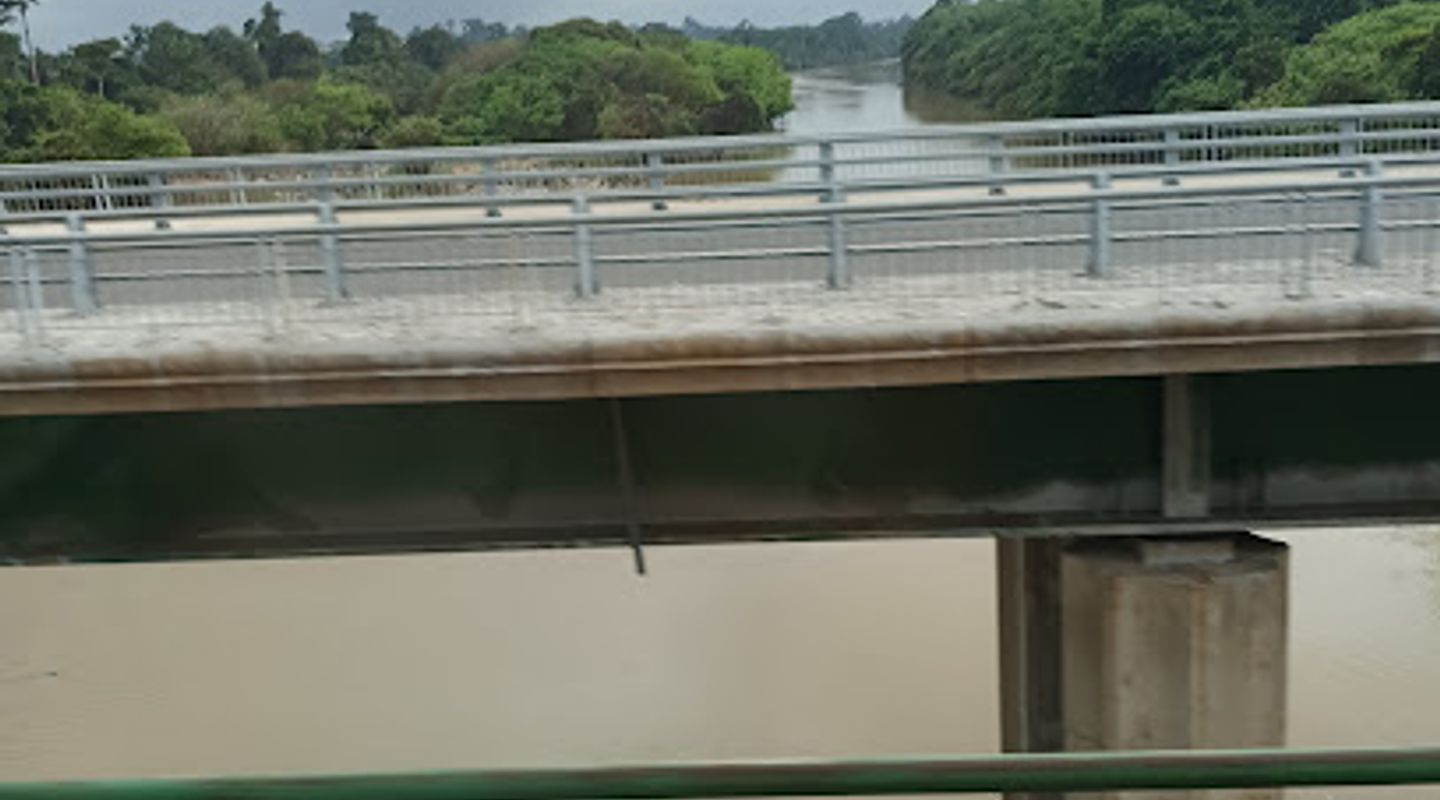
Le fleuve COMOE, Comoe Travel Guide
Explore the Comoé River, the lifeblood of eastern Côte d'Ivoire, a source of biodiversity, legend, and natural beauty within a UNESCO World Heritage Site.
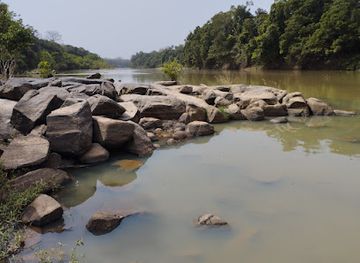
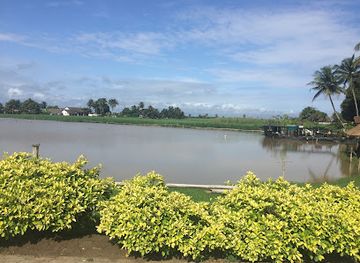
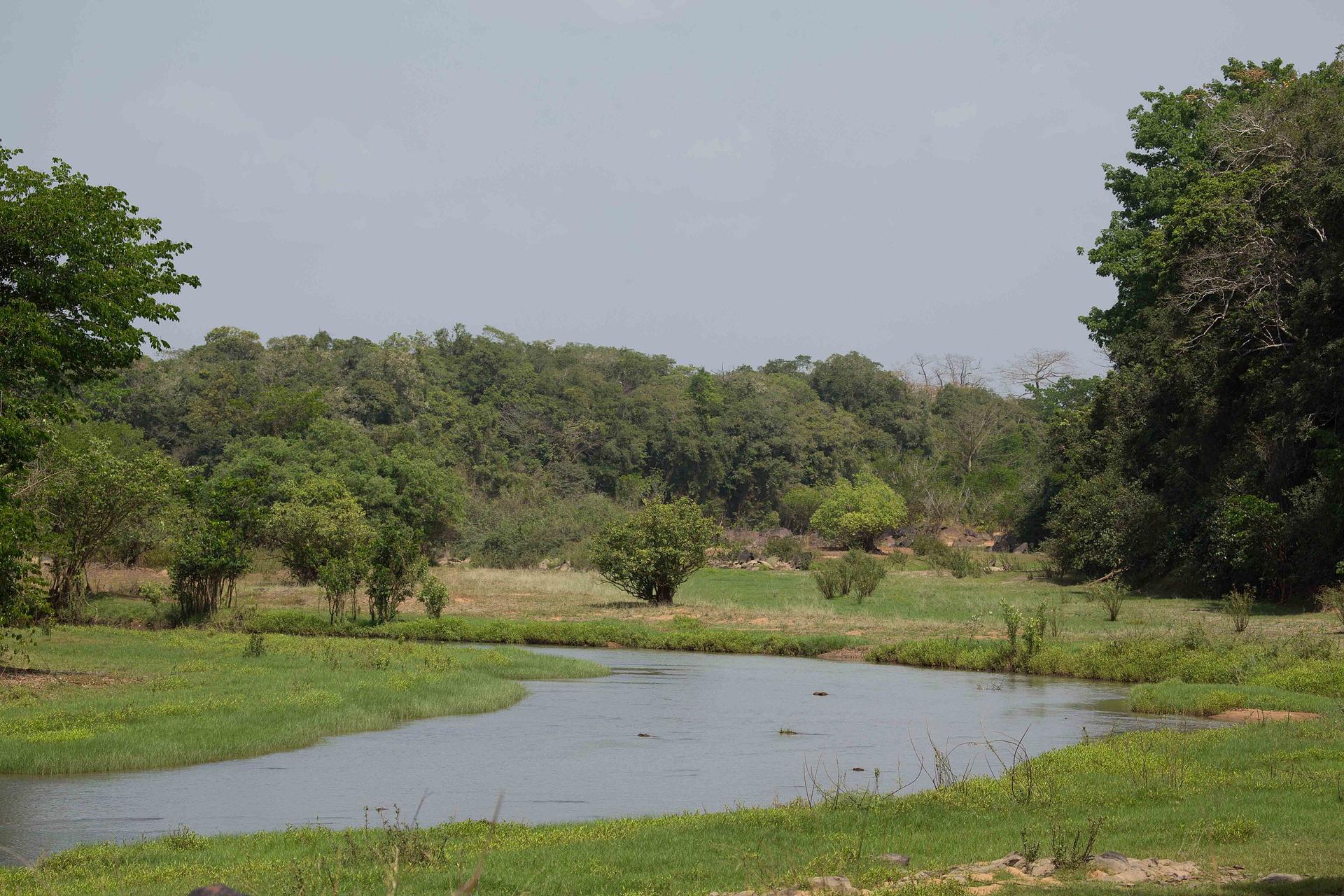
Le fleuve Comoé, or the Comoé River, is a vital waterway that shapes the landscape and supports life in eastern Côte d'Ivoire. Originating in Burkina Faso, it meanders through diverse ecosystems before emptying into the Atlantic near Grand-Bassam. The river is a key feature of Comoé National Park, a UNESCO World Heritage Site, known for its biodiversity and scenic beauty.
A brief summary to Le fleuve COMOE
- J7PP+WM8, Abengourou, CI

Know before you go
Hi, I'm Eve. Here are a few practical things to know before exploring Le fleuve COMOE.
- Visit during the dry season (mid-November to April) for the best wildlife viewing opportunities in Comoé National Park.
- Consider taking a guided tour or hiring a local guide to learn more about the river's ecology and the surrounding area.
- Pack insect repellent, sunscreen, and appropriate clothing for outdoor activities.
- Respect the local culture and traditions when visiting communities along the river.
- Be aware of potential health risks, such as river blindness and sleeping sickness, and take necessary precautions.
Do you manage this location?
Take control to get all the benefits, like improved information, better appearance, and stronger visibility across AI-powered discovery. Learn more about listing your business on Evendo
Activate your presenceOther nearby places you may find interesting
The closest places of the same kind, if this one is not quite what you had in mind.


Explore Le fleuve COMOE on the Map
A handpicked selection of must-see spots near Le fleuve COMOE, mapped for you.
Getting There
-
Walking
From the center of Abengourou, the river is accessible by local roads. Walking may be possible for shorter distances closer to the city, but it is not recommended for reaching the main course of the river due to the distance and lack of pedestrian infrastructure.
-
Public Transport
Local taxis and bush taxis ('gbakas') are the most common form of public transport in Abengourou. To reach the Comoé River, you can hire a taxi from the city center. Negotiate the fare beforehand, as there are no meters. A typical fare for a short trip within the city is around 500-1000 CFA francs. For a trip to the river, expect to pay more depending on the distance and your negotiation skills.
-
Driving
If you have a car, you can drive to the Comoé River. From Abengourou, follow the main road towards the east. Be aware that road conditions can vary, especially during the rainy season. Parking is generally available near the river, but it may not be secured. There are no toll roads on the immediate final approach.
Discover more about Le fleuve COMOE













Your all‑in‑one travel companion app
Explore expert travel guides, compare and book tours, experiences, hotels, and more—all from the palm of your hand. Download now for seamless trip planning wherever your wanderlust takes you.


Explore More of Comoe
Looking beyond Le fleuve COMOE? Discover Comoe for broader travel guides, local hot-spots, and regional highlights.
Explore Comoe