Comoé National Park, Comoe Travel Guide
Explore Côte d'Ivoire's Comoé National Park: a vast, biodiverse UNESCO site with savannahs, forests, and abundant wildlife.
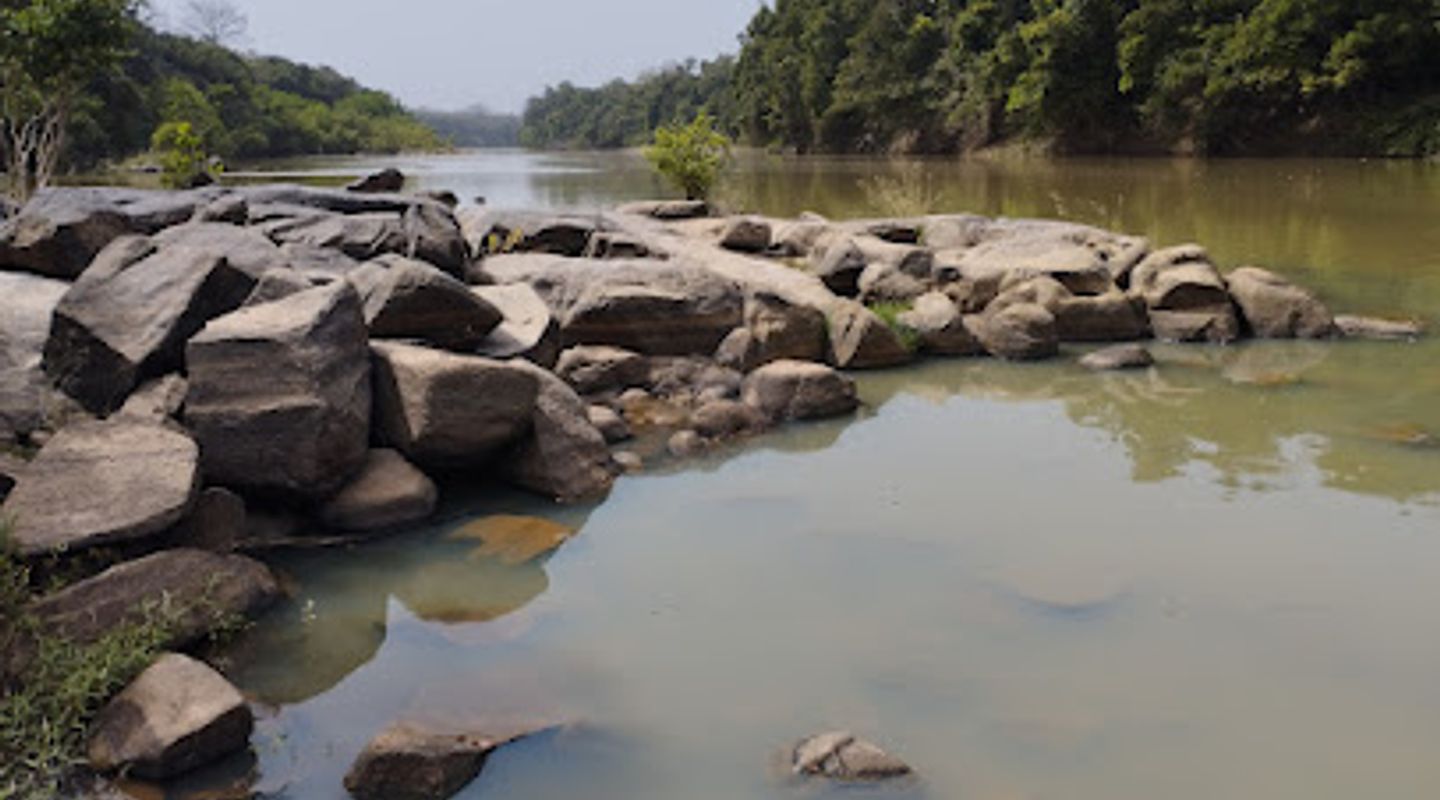
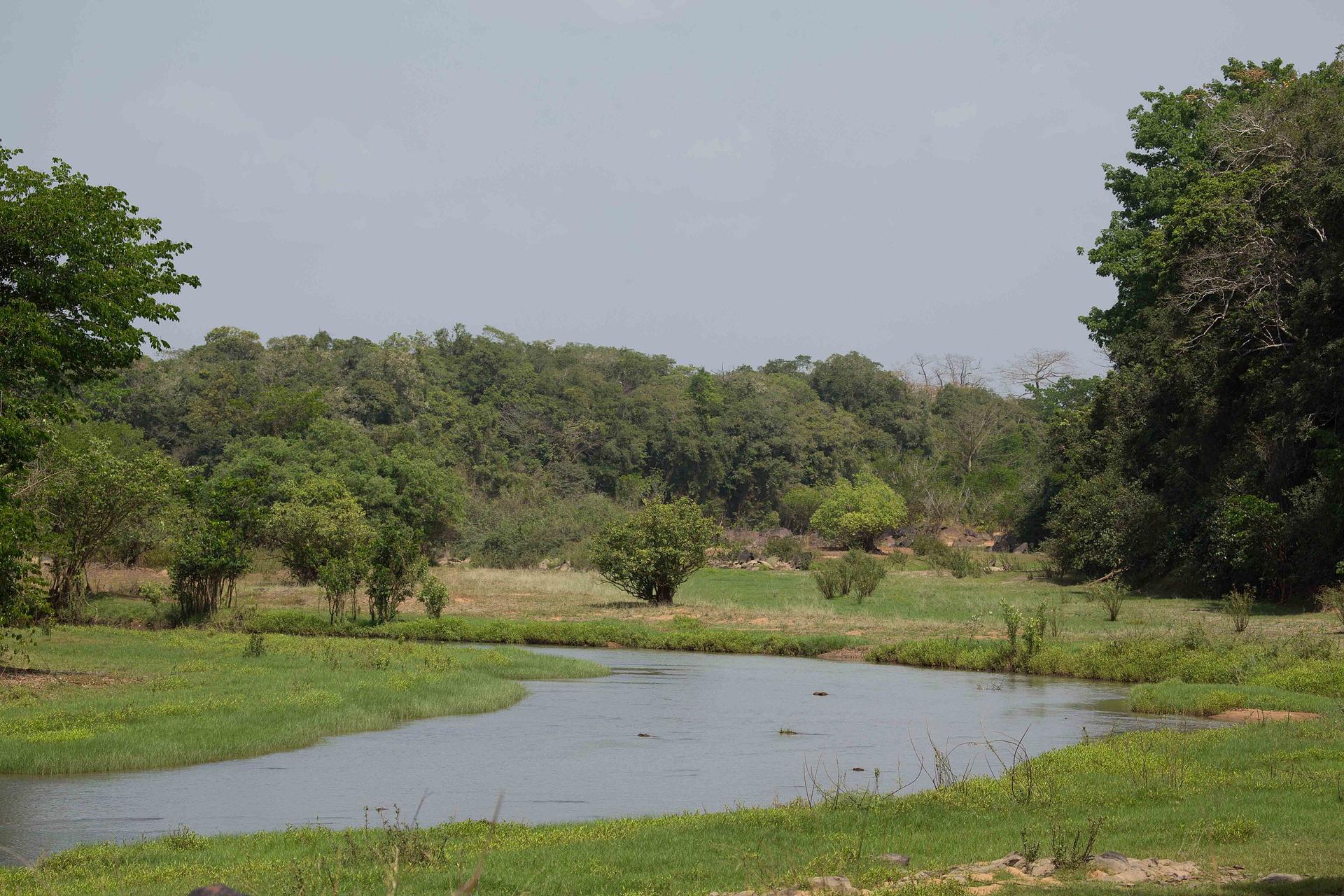
Comoé National Park, a UNESCO World Heritage Site in northeastern Côte d'Ivoire, is one of West Africa's largest protected areas. It boasts diverse ecosystems, from savannahs to rainforests, and is home to a wide array of plant and animal species, including elephants, chimpanzees, and numerous bird species.
A brief summary to Comoé National Park
- CI

Know before you go
Hi, I'm Eve. Here are a few practical things to know before exploring Comoé National Park.
- Visit during the dry season (November to April) for the best wildlife viewing and easier trail navigation.
- Hire a local guide for a more informative and immersive experience.
- Bring insect repellent, as mosquitoes and tsetse flies can be prevalent.
- Carry sufficient cash, as card payments may not be widely accepted.
- Be prepared for rugged terrain and pack appropriate hiking gear.
Do you manage this location?
Take control to get all the benefits, like improved information, better appearance, and stronger visibility across AI-powered discovery. Learn more about listing your business on Evendo
Activate your presenceOther nearby places you may find interesting
The closest places of the same kind, if this one is not quite what you had in mind.


Explore Comoé National Park on the Map
A handpicked selection of must-see spots near Comoé National Park, mapped for you.
Getting There
-
Public Transport
From the main taxi station in a nearby city like Bouna, locate a bush taxi ('taxi-brousse') heading towards the park area. The fare should be around 1,500 CFA. Inform the driver you want to stop at Comoé National Park. The journey takes approximately 45 minutes to 1 hour, depending on traffic. Upon arrival, you will need to pay the entrance fee of approximately 5,000 CFA.
-
Car
If driving from a city center like Comoé, head southeast on Route N1. Continue for approximately 30 kilometers until you see signs for Comoé National Park, located on the right side of the road. There is a parking area at the entrance to the park. The entrance fee is around 5,000 CFA per person.
-
Walking
If you're already at a nearby accommodation or village close to Comoé National Park, you can opt for walking. From the nearest point, follow the main road towards the park entrance. Keep an eye out for signs indicating the direction to the park. It's roughly a 3-kilometer walk, which should take about 30 to 40 minutes. Ensure you carry some water and wear comfortable shoes, as the path can be uneven.
Discover more about Comoé National Park













Your all‑in‑one travel companion app
Explore expert travel guides, compare and book tours, experiences, hotels, and more—all from the palm of your hand. Download now for seamless trip planning wherever your wanderlust takes you.


Explore More of Comoe
Looking beyond Comoé National Park? Discover Comoe for broader travel guides, local hot-spots, and regional highlights.
Explore Comoe