

Comoé, Cote d'Ivoire Travel Guide
Discover the untamed beauty and rich biodiversity of Comoé National Park, a UNESCO World Heritage site in Côte d'Ivoire, perfect for wildlife enthusiasts and adventurers.
Comoé National Park, located in the northeastern part of Côte d'Ivoire, is a UNESCO World Heritage site and one of the most significant protected areas in West Africa. This vast park spreads over 11,500 square kilometers and is renowned for its rich biodiversity and unique ecosystems. Visitors to Comoé National Park can expect to see a variety of wildlife, including elephants, lions, and over 500 species of birds, making it a paradise for nature enthusiasts and photographers alike. The park's landscape is characterized by its diverse habitats, ranging from savannas and forests to rivers and wetlands. The Comoé River, which flows through the park, provides a lifeline for the flora and fauna, creating a lush green corridor in the heart of the wilderness. This river is not only vital for the wildlife but also offers scenic views and opportunities for boat trips and fishing. For those interested in cultural experiences, the park is home to several indigenous communities who have lived in harmony with nature for centuries. Visitors can learn about their traditional lifestyles, customs, and crafts, adding a rich cultural dimension to their visit. Whether you're an adventurer, a wildlife lover, or someone seeking a tranquil escape, Comoé National Park offers an unforgettable experience in the heart of Côte d'Ivoire.

Know before you go
Hi, I'm Eve. Here are a few practical things to know before exploring Comoé.
- Visit during the dry season (November to April) for the best wildlife viewing opportunities.
- Hire a local guide to enhance your experience and gain deeper insights into the park's flora and fauna.
- Bring binoculars and a camera with a good zoom lens to capture the diverse bird species and other wildlife.
- Wear light, long-sleeved clothing and use insect repellent to protect yourself from mosquitoes and other insects.
- Ensure you have all necessary permits and check in at the park's headquarters before exploring the park.
Explore Comoé: Things to Do, Places to Eat, Hotels & More
Handpicked recommendations for top attractions, local dining, accommodations, and more

Top Attractions & Sightseeing in Comoé
Top-rated picks
Best Attractions

Man's Waterfalls
Experience the serene beauty of Man's Waterfalls in Côte d'Ivoire, a captivating natural attraction perfect for relaxation and adventure.
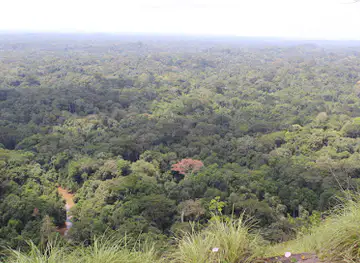
Taï National Park
Discover Taï National Park: A UNESCO-protected rainforest in Côte d'Ivoire, home to diverse flora, fauna, and chimpanzees using stone tools.

Parc Urbain Dominique Ouattara
Escape to Abidjan's serene Parc Urbain Dominique Ouattara, offering green spaces, recreation, and community engagement in the heart of Cocody.

Embouchure du fleuve Comoé
Experience the mesmerizing beauty and biodiversity of the Embouchure du fleuve Comoé in Côte d'Ivoire, a must-visit destination for nature lovers.

Best landmarks in Comoé
Top-rated picks
Best Landmarks

Parc National du Banco
Discover Abidjan's natural heart: Hike lush trails, spot wildlife, and escape the city in Parc National du Banco's tropical rainforest.

Zoo d'Abidjan
Discover West African wildlife at Zoo d'Abidjan, a conservation center offering an educational and enjoyable experience for all ages.

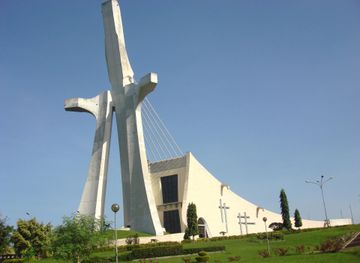
St. Paul's Cathedral
A stunning cathedral in Abidjan, Côte d'Ivoire, featuring unique modern architecture and beautiful stained glass, offering panoramic city views.

Plateau Mosque
Discover Abidjan's architectural gem: The Plateau Mosque, a modern Islamic landmark in the heart of the city's bustling Plateau district.

Best restaurants in Comoé
Top-rated picks
Best Restaurants

Bushman Café
Discover the vibrant flavors and artistic ambiance of Bushman Café in Abidjan – where local meets global cuisine.

Marrouche
Experience authentic Lebanese cuisine at Marrouche in Abidjan—where flavor meets hospitality in a vibrant setting.

Restaurant Le Paon
Experience the essence of Ivorian cuisine at Restaurant Le Paon in Abidjan - where tradition meets modernity.

Espace Mima
Discover authentic Ivorian cuisine at Espace Mima - where every meal is a celebration of flavor in the heart of Abidjan.

Best bars in Comoé
Top-rated picks
Best Bars

Chill Out
Discover Chill Out in Abidjan, where delightful cuisine meets a relaxing lounge atmosphere, perfect for unwinding after a day of exploration.

Parker Place
Experience the vibrant nightlife of Abidjan at Parker Place, a lively lounge and live music venue offering unforgettable performances and a welcoming atmosphere.

Le Comptoir Bar & Restaurant
Discover culinary excellence at Le Comptoir Bar & Restaurant in Abidjan, where local flavors meet international flair in a vibrant setting.

L'EDEN Abidjan | Food Sky Bar
Experience the perfect blend of gourmet dining and vibrant nightlife at L'EDEN Abidjan, where every evening is a celebration.

Best nightclubs in Comoé
Top-rated picks
Best Nightclubs

Le Saint Germain Club Abidjan
Discover the electrifying nightlife at Le Saint Germain Club Abidjan, where unforgettable dancing and vibrant atmosphere await in the heart of the city.

Mixx Night Club
Dance the night away at Mixx Night Club in Abidjan, a premier disco club with vibrant music, stylish ambiance, and an unforgettable nightlife experience.

Alizée Club
Experience the vibrant nightlife of Abidjan at Alizée Club, where music, dance, and culture come together for an unforgettable night out.

The Trafic club - Abidjan
Discover Abidjan's vibrant nightlife at The Trafic Club, where music, dancing, and unforgettable experiences await you in the heart of the city.

Best shops in Comoé
Top-rated picks
Best Shops

Cap Sud
Discover Cap Sud in Abidjan – a bustling shopping mall offering an exciting mix of retail, dining, and local grocery experiences.

Sococe Mall
Experience the best of shopping, dining, and entertainment at Sococe Mall in Abidjan, your gateway to Ivorian culture.

Abidjan Mall
Discover shopping, dining, and entertainment at Abidjan Mall, the ultimate retail destination in Riviera, Abidjan.

Playce Shopping Mall
Explore the vibrant Playce Shopping Mall in Abidjan for a unique shopping and dining experience that blends local culture with global brands.

Explore Comoé on the Map
A handpicked selection of must-see spots in Comoé, mapped for you.
Comoé Essentials
-
Comoé National Park is located in the northeastern part of Côte d'Ivoire. The nearest major city is Abidjan, which is served by Félix-Houphouët-Boigny International Airport. From Abidjan, you can take a domestic flight to Bouaké or Korhogo and then drive to Comoé. Alternatively, you can take a bus or rent a car for the approximately 7 to 9-hour drive from Abidjan to the park. It's recommended to hire a 4x4 vehicle due to the conditions of the roads leading to the park.
-
Within Comoé National Park, transportation options are limited. It is advisable to hire a local guide who can provide a vehicle suitable for the park's terrain. In the nearby towns, taxis and minibuses (gbakas) are available for local transport. Renting a car is also an option, but be aware that road conditions can be challenging, especially during the rainy season.
-
The official currency in Côte d'Ivoire is the West African CFA franc (XOF). Credit cards are accepted in major hotels and restaurants in cities like Abidjan and Bouaké, but it's advisable to carry cash when traveling to rural areas and national parks like Comoé. ATMs are available in major towns, but make sure to withdraw sufficient cash before heading to the park.
-
Comoé National Park is generally safe for tourists, but standard precautions should be taken. Avoid walking alone at night in unfamiliar areas and always keep an eye on your belongings. While the park itself is relatively secure, be cautious in nearby towns and avoid areas known for high crime rates. Always stay updated on local news and travel advisories.
-
In case of emergency, dial 170 for police assistance or 185 for medical emergencies. It's advisable to have travel insurance that covers medical emergencies. The nearest medical facilities are located in the towns of Bouaké and Korhogo. For minor health issues, there are pharmacies in these towns where you can purchase over-the-counter medications.
-
Fashion: Do dress modestly and wear lightweight, breathable clothing suitable for the tropical climate. Avoid wearing revealing clothing. Religion: Do respect local customs and traditions, especially in religious areas. Public Transport: Do be respectful and give up your seat to elderly passengers. Don't eat or drink on public transport. Greetings: Do greet people with a handshake. A slight bow of the head is also a sign of respect. Eating & Drinking: Do try local delicacies and accept food offerings graciously. Don’t refuse hospitality, as it is considered impolite.
-
To experience Comoé like a local, engage with the local communities and participate in traditional activities such as weaving and pottery. Visit local markets to buy fresh produce and traditional Ivorian goods. Don't miss out on guided tours of the park, which offer insights into the rich biodiversity and cultural heritage of the area. For a unique experience, consider camping within the park and enjoy the serene natural surroundings.
When is the best time to visit Comoé?
Useful Local Phrases for Comoé
You don't need to speak the language perfectly. Even learning a few simple words can make conversations warmer—and locals usually appreciate the effort.
— Eve

Here are the phrases I use most often in Comoé. Try a few—you'll be surprised how far they go! 😊
❤️
-
- HelloBonjour
[Bohn-zhoor] - GoodbyeAu revoir
[Oh ruh-vwahr] - YesOui
[Wee] - NoNon
[Nohn] - Please/You're welcomeS'il vous plaît
[Seel voo pleh] - Thank youMerci
[Mehr-see] - Excuse me/SorryExcusez-moi
[Eh-kew-zay mwah] - How are you?Comment ça va?
[Koh-mohn sah vah] - Fine. And you?Ça va. Et vous?
[Sah vah. Ay voo?] - Do you speak English?Parlez-vous anglais?
[Par-lay voo ahn-glay?] - I don't understandJe ne comprends pas
[Zhuh nuh kohm-prahn pah]
- HelloBonjour
-
- I'd like to see the menu, pleaseJe voudrais voir le menu, s'il vous plaît
[Zhuh voo-dray vwar luh meh-nyoo, seel voo pleh] - I don't eat meatJe ne mange pas de viande
[Zhuh nuh mahnj pah duh vyahnd] - Cheers!Santé!
[Sahn-tay] - I would like to pay, pleaseJe voudrais payer, s'il vous plaît
[Zhuh voo-dray pay-ay, seel voo pleh]
- I'd like to see the menu, pleaseJe voudrais voir le menu, s'il vous plaît
-
- Help!À l'aide!
[Ah led!] - Go away!Allez-vous en!
[Ah-lay voo zahn!] - Call the Police!Appelez la police!
[Ah-peh-lay lah poh-lees!] - Call a doctor!Appelez un médecin!
[Ah-peh-lay uhn may-dseehn!] - I'm lostJe suis perdu
[Zhuh swee pair-doo] - I'm illJe suis malade
[Zhuh swee mah-lahd]
- Help!À l'aide!
-
- I'd like to buy...Je voudrais acheter...
[Zhuh voo-dray ah-sheh-tay] - I'm just lookingJe regarde juste
[Zhuh ruh-gard zhoost] - How much is it?C'est combien?
[Say kohm-byen?] - That's too expensiveC'est trop cher
[Say troh shair] - Can you lower the price?Pouvez-vous baisser le prix?
[Poo-vay voo beh-say luh pree?]
- I'd like to buy...Je voudrais acheter...
-
- What time is it?Quelle heure est-il?
[Kell uhr eh-teel?] - It's one o'clockIl est une heure
[Eel eh oon uhr] - Half past (10)Dix heures et demie
[Deez uhr eh duh-mee] - MorningMatin
[Mah-tan] - AfternoonAprès-midi
[Ah-preh mee-dee] - EveningSoir
[Swahr] - YesterdayHier
[Ee-air] - TodayAujourd'hui
[Oh-zhoor dwee] - TomorrowDemain
[Duh-mahn] - 1Un
[Uhn] - 2Deux
[Duh] - 3Trois
[Trwah] - 4Quatre
[Kah-truh] - 5Cinq
[Sank] - 6Six
[Sees] - 7Sept
[Set] - 8Huit
[Wheat] - 9Neuf
[Nuhf] - 10Dix
[Deez]
- What time is it?Quelle heure est-il?
-
- Where's a/the...?Où est...?
[Oo eh...?] - What's the address?Quelle est l'adresse?
[Kell eh lah-dress?] - Can you show me (on the map)?Pouvez-vous me montrer (sur la carte)?
[Poo-vay voo muh mohn-tray (sur lah kart)?] - When's the next (bus)?Quand est le prochain (bus)?
[Kahn eh luh pro-shain (boos)?] - A ticket (to ....)Un billet (pour ...)
[Uhn bee-yay (poor ...)]
- Where's a/the...?Où est...?
History of Comoé
-
Comoé, nestled in the northeastern region of Côte d'Ivoire, has a rich pre-colonial history. This area was once inhabited by various ethnic groups, including the Lobi, Koulango, and Komono people. These indigenous communities thrived on agriculture, hunting, and fishing, developing complex societies with intricate social structures and traditions.
-
In the 18th and 19th centuries, the Kong Empire, founded by the Dyula people, rose to prominence in the region. The empire became a major center of trade, culture, and Islamic scholarship. The Kong Empire's influence extended into the Comoé area, affecting local cultures and trade practices. Historical records and oral traditions highlight the empire's role in shaping the region's history.
-
Comoé came under French colonial rule in the late 19th century. The French established administrative structures and introduced cash crops like coffee and cocoa, transforming the local economy. The colonial period also saw the construction of infrastructure such as roads and railways, which facilitated the movement of goods and people. This era significantly impacted the cultural and social dynamics of Comoé.
-
The establishment of Comoé National Park in 1968 marked a significant development in the region. Covering an area of over 11,500 square kilometers, the park is one of the largest protected areas in West Africa. It is recognized for its rich biodiversity, including populations of elephants, lions, and various primates. The park's establishment aimed to conserve the unique flora and fauna of the region while promoting eco-tourism.
-
Comoé is home to a vibrant cultural heritage, with numerous traditional festivals, dances, and rituals. The Koulango people, for instance, celebrate the Poro initiation ceremony, a rite of passage for young men. Traditional music and dance, such as the Zaouli mask dance, are integral to the region's cultural identity. These cultural practices offer visitors a glimpse into the rich traditions that have been preserved over generations.
-
In recent years, Comoé has seen various contemporary developments aimed at improving the quality of life for its residents. Efforts to enhance infrastructure, healthcare, and education have been underway. Additionally, initiatives to promote sustainable tourism and conservation have gained momentum, ensuring that the region's natural and cultural heritage is preserved for future generations.
Neighbouring Regions of Comoé
The closest regions to Comoé, if you have time for more than one.




Your all‑in‑one travel companion app
Explore expert travel guides, compare and book tours, experiences, hotels, and more—all from the palm of your hand. Download now for seamless trip planning wherever your wanderlust takes you.


Explore More of Cote d'Ivoire

Looking beyond Comoé? Discover Cote d'Ivoire for broader travel guides, local hot-spots, and regional highlights.
Explore Cote d'IvoireComoé in Photos
Browse through our photo collection highlighting the charm and character of the destination.


Exploring the Wonders of Comoé National Park
Comoé National Park, located in the northeastern part of Côte d'Ivoire, is a UNESCO World Heritage site and one of the most significant protected areas in West Africa. This vast park spreads over 11,500 square kilometers and is renowned for its rich biodiversity and unique ecosystems. Visitors to Comoé National Park can expect to see a variety of wildlife, including elephants, lions, and over 500 species of birds, making it a paradise for nature enthusiasts and photographers alike. The park's landscape is characterized by its diverse habitats, ranging from savannas and forests to rivers and wetlands. The Comoé River, which flows through the park, provides a lifeline for the flora and fauna, creating a lush green corridor in the heart of the wilderness. This river is not only vital for the wildlife but also offers scenic views and opportunities for boat trips and fishing. For those interested in cultural experiences, the park is home to several indigenous communities who have lived in harmony with nature for centuries. Visitors can learn about their traditional lifestyles, customs, and crafts, adding a rich cultural dimension to their visit. Whether you're an adventurer, a wildlife lover, or someone seeking a tranquil escape, Comoé National Park offers an unforgettable experience in the heart of Côte d'Ivoire.