

Lapad (Dubrovnik) Travel Guide - Free
Explore Lapad in Dubrovnik with Evendo's free guide. Find the best shops, historic streets, restaurants, and gems on web or mobile.


Lapad, Dubrovnik offers a relaxed Adriatic escape with Lapad Bay beaches, Petka walks, seaside dining, local cafés and easy access to the Old City.
A Peninsula Beyond the Old City
Lapad occupies the leafy western side of Dubrovnik, where the built-up coast gives way to a long, curving bay, wooded slopes and open views across the Adriatic. It is distinct from the walled Old City: less monumental, more residential and oriented towards swimming, walking, cafés and the rhythms of the sea. The neighbourhood spreads across the Lapad peninsula and its inner slopes, with the quieter wooded headland of Petka rising behind the waterfront.Read more about Lapad
Bay, Beaches and Promenades
Everyday Dubrovnik
Best attractions in Lapad
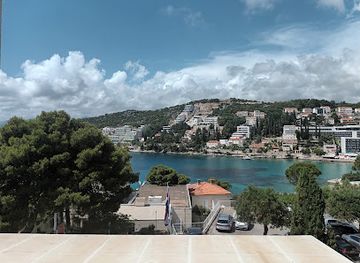
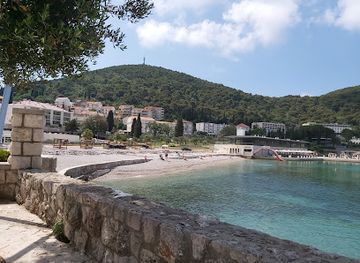
Lapad’s principal attraction is the bay itself, where a broad sweep of water is bordered by Šetalište kralja Zvonimira, bathing platforms, small beaches, mature trees and a succession of seaside terraces. The promenade is especially inviting for an unhurried walk, while the peninsula’s outer coastal paths reveal more open Adriatic views and rocky swimming spots. Petka, the wooded hill rising behind the neighbourhood, provides shaded trails and occasional outlooks over Lapad, Gruž and the islands, although paths can be uneven and steep. St Michael’s Church offers a point of local religious and architectural interest among the modern streets, while the surrounding villas, gardens and older boundary walls hint at Lapad’s earlier rural character. The nearby Gruž market and harbour are worthwhile additions but belong to neighbouring Gruž, not Lapad itself.
-
Park
Velika and Mala Petka Forest Park
Explore Velika and Mala Petka Forest Park, a tranquil green haven in Dubrovnik perfect for nature walks, hikes, and stunning sea views.
10 min walk · 0.8 km from neighbourhood centre
-
Tourist attraction
Mysterious Game of Dubrovnik - Attraction
Explore the intriguing Mysterious Game of Dubrovnik, where history meets adventure in an interactive experience like no other.
5 min drive · 1.8 km from neighbourhood centre
-
Tourist attraction
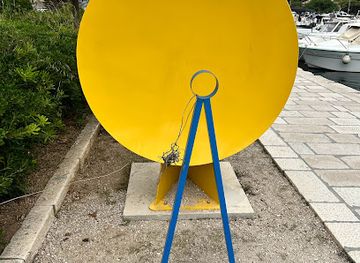
Sound Mirrors
Explore the Sound Mirrors in Dubrovnik, a captivating blend of history and stunning coastal views that echo the ingenuity of early 20th-century engineering.
8 min walk · 0.7 km from neighbourhood centre
-
Tourist attraction
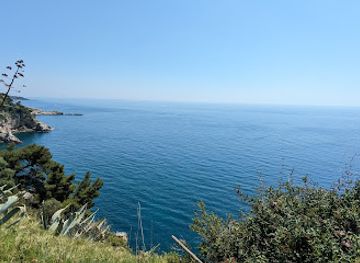
Sunset view point Lapad
Experience the stunning sunset views at Lapad's viewpoint in Dubrovnik, where nature meets tranquility and breathtaking scenery awaits.
9 min walk · 0.7 km from neighbourhood centre

Best landmarks in Lapad
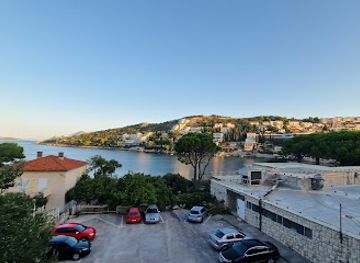
Lapad Bay is the neighbourhood’s defining physical landmark, its sheltered curve explaining the district’s long association with bathing, hospitality and coastal leisure. Šetalište kralja Zvonimira forms the principal public edge of the bay, linking beaches, terraces and access points along the water. Inland, Petka hill is both a geographical marker and a substantial green presence, preserving woodland above the developed peninsula. St Michael’s Church provides a local religious landmark, while older villas, garden walls and mature trees recall the period when Lapad was known for country residences and cultivated estates outside Dubrovnik’s walls. The neighbourhood’s hotels and apartment blocks are less monumental than the architecture of the Old City, but their arrangement around the bay records the twentieth-century transformation of the peninsula into a residential and tourism district. Gruž’s harbour infrastructure is close by, yet geographically separate.
-
Tourism
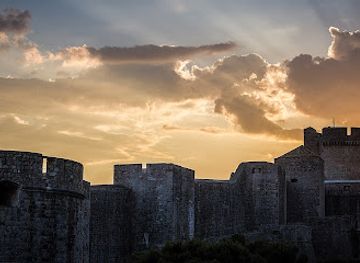
Dubrovnik City Walls
Explore Dubrovnik's iconic City Walls: a UNESCO World Heritage site offering a walk through history with breathtaking Adriatic views.
18 min walk · 1.5 km from neighbourhood centre
-
Park
Velika and Mala Petka Forest Park
Escape to Dubrovnik's Velika and Mala Petka Forest Park for hiking, stunning views, and a peaceful natural retreat.
10 min walk · 0.8 km from neighbourhood centre
-
Beach
Uvala Lapad Beach
Discover Dubrovnik's Uvala Lapad Beach: a picturesque blend of relaxation, recreation, and stunning Adriatic views.
8 min walk · 0.7 km from neighbourhood centre
-
Escape room center
Puzzle Punks - Dubrovnik Escape Room
Experience thrilling escape room adventures at Puzzle Punks in Dubrovnik's DOC Shopping Center. Perfect for families, friends, and tourists!
2 min walk · 0.2 km from neighbourhood centre

Explore Lapad on the map
A handpicked selection of must-see spots in Lapad, mapped for you.
Best hotels in Lapad
Best restaurants in Lapad
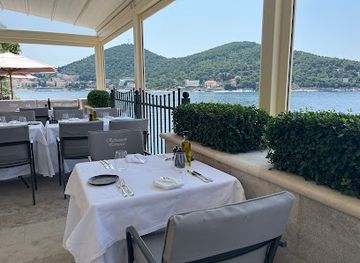
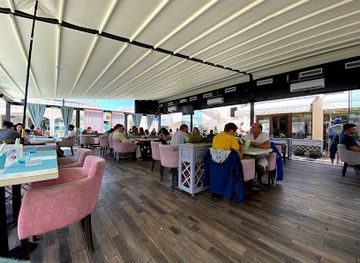
Lapad’s dining scene is concentrated around the bay and the streets leading inland from Šetalište kralja Zvonimira, where restaurants, cafés, gelaterias and hotel dining rooms serve visitors throughout the warmer season. Menus commonly draw on the Dalmatian coast, with seafood, grilled fish, shellfish, vegetables, olive oil and local wines providing the regional framework, while international dishes reflect the area’s substantial visitor trade. Waterfront tables make the bay the natural setting for a leisurely meal, but quieter places can be found away from the promenade among residential streets. Coffee culture is important during the day, when the seafront works as a place to pause rather than simply a route between attractions. Nearby Gruž adds a more everyday market and harbour atmosphere, though its eateries should not be confused with Lapad’s own restaurant cluster.
-
Restaurant
Pantarul
Discover the flavors of Dubrovnik at Pantarul - where fresh ingredients meet culinary excellence in a cozy setting.
1 min walk · 0.1 km from neighbourhood centre
-
Mediterranean
Levanat
Experience exquisite Mediterranean dining at Levanat in Dubrovnik, featuring fresh seafood and stunning coastal views.
18 min walk · 1.4 km from neighbourhood centre
-
Pizza
Pizzeria Papillon
Discover authentic Neapolitan pizzas at Pizzeria Papillon in Dubrovnik - where tradition meets taste in every slice.
3 min walk · 0.3 km from neighbourhood centre
-
Mexican
CHIHUAHUA Cantina Mexicana
Experience authentic Mexican flavors at CHIHUAHUA Cantina Mexicana in Dubrovnik—where vibrant culture meets stunning seaside views.
4 min walk · 0.3 km from neighbourhood centre


Best bars in Lapad
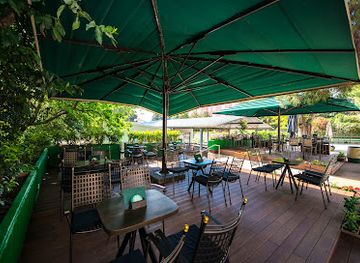
Lapad’s evening life is oriented towards relaxed seaside hospitality rather than the concentrated club scene of some larger resorts. Bars and hotel lounges around Lapad Bay serve drinks alongside restaurants, and the promenade becomes a natural place for an after-dinner walk, particularly in the warmer months. The atmosphere is generally social and holiday-focused, with outdoor terraces, conversation and views across the water taking precedence over large dance venues. Visitors seeking Dubrovnik’s densest concentration of late-night bars and historic venues will find more choice in and around the Old City, while Lapad tends to suit those who prefer to remain near their accommodation after dark. As in all coastal districts, seasonal opening patterns can change, and evening noise is best kept low once the promenade gives way to residential streets.
-
Bar
Cave Bar More
Experience the unique charm of Cave Bar More in Dubrovnik, where nature meets nightlife in a stunning coastal setting.
14 min walk · 1.1 km from neighbourhood centre
-
Bar
Celtic Bar Belfast Dubrovnik
Discover Celtic Bar in Dubrovnik: A cozy Irish pub offering great drinks, live music, and a welcoming atmosphere in the heart of the city.
3 min walk · 0.2 km from neighbourhood centre
-
Bar
Promenada
Experience the vibrant atmosphere and breathtaking views at Promenada, a must-visit bar in Dubrovnik for refreshing drinks and unforgettable moments.
7 min walk · 0.5 km from neighbourhood centre
-
Bar
Beach bar Ponat
Discover the charm of Beach Bar Ponat in Lapad, Dubrovnik - a perfect blend of relaxation, stunning views, and delightful drinks.
16 min walk · 1.3 km from neighbourhood centre



Best nightclubs in Lapad
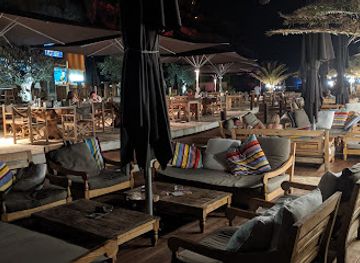
Lapad’s evening life is oriented towards relaxed seaside hospitality rather than the concentrated club scene of some larger resorts. Bars and hotel lounges around Lapad Bay serve drinks alongside restaurants, and the promenade becomes a natural place for an after-dinner walk, particularly in the warmer months. The atmosphere is generally social and holiday-focused, with outdoor terraces, conversation and views across the water taking precedence over large dance venues. Visitors seeking Dubrovnik’s densest concentration of late-night bars and historic venues will find more choice in and around the Old City, while Lapad tends to suit those who prefer to remain near their accommodation after dark. As in all coastal districts, seasonal opening patterns can change, and evening noise is best kept low once the promenade gives way to residential streets.
-
Bar
Coral Beach Club Dubrovnik
Discover the ultimate seaside escape at Coral Beach Club Dubrovnik, where exquisite dining meets vibrant nightlife amidst stunning coastal views.
5 min drive · 1.7 km from neighbourhood centre
-
Sports bar
Sports Pub Mario
Join the excitement at Sports Pub Mario, Dubrovnik's ultimate sports bar for vibrant atmosphere, delicious food, and thrilling live sports action.
3 min walk · 0.3 km from neighbourhood centre
-
Night club
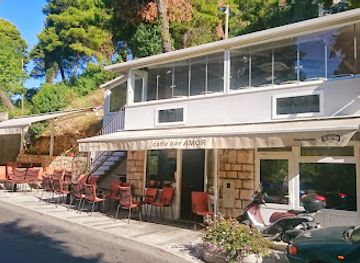
Caffe & Night Bar AMOR
Experience the vibrant nightlife of Dubrovnik at Caffe & Night Bar AMOR, where coffee culture meets lively entertainment in a cozy atmosphere.
4 min walk · 0.3 km from neighbourhood centre
-
Night club
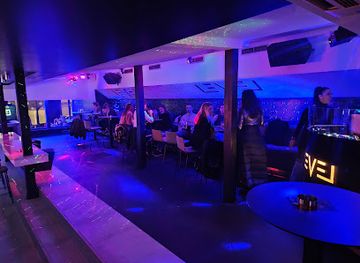
Café & Night bar Level
Experience the vibrant nightlife of Dubrovnik at Café & Night Bar Level, where coffee culture meets electrifying dance vibes.
8 min walk · 0.7 km from neighbourhood centre
Best shops in Lapad
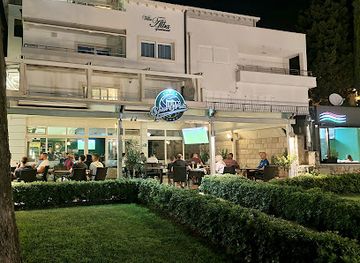
Shopping in Lapad is practical and visitor-oriented rather than centred on a major historic bazaar or specialist retail quarter. Small supermarkets, bakeries, pharmacies, convenience shops and souvenir outlets are distributed around the bay and the roads serving local apartment buildings and hotels, while cafés and seasonal businesses provide much of the promenade’s commercial activity. Visitors looking for fresh produce and a more distinctly local market atmosphere can walk or take a bus to Gruž market nearby, although it lies outside Lapad. Dubrovnik’s Old City offers a broader selection of craft, jewellery, art and souvenir shops, but its narrow streets and historic setting create a very different retail experience. In Lapad, the appeal is convenience between swims, walks and meals, with independent everyday businesses woven into a predominantly residential neighbourhood.
-
Store
FAMMA Souvenir Shop Mini Market
Explore FAMMA Souvenir Shop Mini Market – your go-to destination for authentic Dubrovnik souvenirs and unique local crafts.
5 min drive · 1.5 km from neighbourhood centre
-
Store
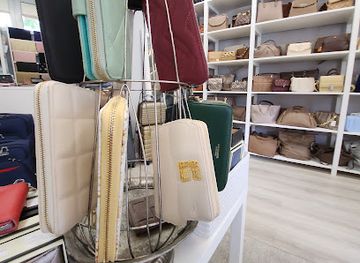
N' Bag shop
Discover exquisite handbags and accessories at N' Bag Shop in Dubrovnik, where style meets quality in a charming shopping experience.
3 min walk · 0.2 km from neighbourhood centre
-
Fashion accessories store
Art Go'den
Discover unique fashion accessories and souvenirs at Art Go'den, a must-visit store in Dubrovnik offering quality and style.
5 min drive · 1.7 km from neighbourhood centre
-
Clothing store
Image Haddad Dubrovnik
Discover the elegance of fashion at Image Haddad Dubrovnik - your destination for stylish clothing and accessories in the heart of Lapad.
7 min walk · 0.6 km from neighbourhood centre



Lapad essentials
Getting There
Getting Around
Safety
Emergency Situations
Do's and Don'ts
Local Tips

From Eve
Local phrases worth knowing
You don't need to get them perfect. A few words go a long way, and locals appreciate the effort.
Basics
| English | Local | Say it |
|---|---|---|
| Hello | Bok | [Bohk] |
| Goodbye | Doviđenja | [Doh-vee-jen-ya] |
| Yes | Da | [Dah] |
| No | Ne | [Neh] |
| Please/You're welcome | Molim | [Moh-leem] |
| Thank you | Hvala | [Hvah-lah] |
| Excuse me/Sorry | Oprostite | [Oh-pros-tee-teh] |
| How are you? | Kako si? | [Kah-koh see?] |
| Fine. And you? | Dobro. A ti? | [Doh-bro. Ah tee?] |
| Do you speak English? | Govorite li engleski? | [Goh-voh-ree-teh lee eng-les-kee?] |
| I don't understand | Ne razumijem | [Neh rah-zoo-mee-yem] |
Eating & Drinking
| English | Local | Say it |
|---|---|---|
| I'd like to see the menu, please | Molio bih jelovnik, molim | [Moh-lee-oh bee yeh-lohv-neek, moh-leem] |
| I don't eat meat | Ne jedem meso | [Neh yeh-dem meh-so] |
| Cheers! | Živjeli! | [Zhee-ve-lee] |
| I would like to pay, please | Želio bih platiti, molim | [Zheh-lee-oh bee pla-tee-tee, moh-leem] |
Emergencies
| English | Local | Say it |
|---|---|---|
| Help! | Pomoć! | [Poh-mohtch] |
| Go away! | Idi odavde! | [Ee-dee oh-dav-deh] |
| Call the Police! | Pozovite policiju! | [Poh-zoh-vee-teh po-lee-tsee-yoo] |
| Call a doctor! | Pozovite doktora! | [Poh-zoh-vee-teh dohk-toh-rah] |
| I'm lost | Izgubio sam se | [Eez-goo-byoh sahm seh] |
| I'm ill | Bolestan sam | [Boh-leh-stahn sahm] |
Shopping
| English | Local | Say it |
|---|---|---|
| I'd like to buy... | Želim kupiti... | [Zheh-leem koo-pee-tee] |
| I'm just looking | Samo gledam | [Sah-moh gleh-dam] |
| How much is it? | Koliko košta? | [Koh-lee-koh kohs-tah] |
| That's too expensive | To je pre skupo | [Toh yeh preh skoo-poh] |
| Can you lower the price? | Možete li spustiti cijenu? | [Moh-zheh-teh lee spoos-tee-tee tsee-yeh-noo] |
Time & Numbers
| English | Local | Say it |
|---|---|---|
| What time is it? | Koliko je sati? | [Koh-lee-koh yeh sah-tee] |
| It's one o'clock | Jedan je sat | [Yeh-dahn yeh saht] |
| Half past (10) | Pola (deset) | [Poh-lah (deh-set)] |
| Morning | Jutro | [Yoo-troh] |
| Afternoon | Popodne | [Poh-pohd-neh] |
| Evening | Večer | [Veh-chehr] |
| Yesterday | Jučer | [Yoo-chehr] |
| Today | Danas | [Dah-nahs] |
| Tomorrow | Sutra | [Soo-trah] |
| 1 | Jedan | [Yeh-dahn] |
| 2 | Dva | [Dvah] |
| 3 | Tri | [Tree] |
| 4 | Četiri | [Cheh-tee-ree] |
| 5 | Pet | [Peh-t] |
| 6 | Šest | [Shehst] |
| 7 | Sedam | [Seh-dahm] |
| 8 | Osam | [Oh-sahm] |
| 9 | Devet | [Deh-vet] |
| 10 | Deset | [Deh-set] |
Transport & Directions
| English | Local | Say it |
|---|---|---|
| Where's a/the...? | Gdje je...? | [Gdyeh yeh] |
| What's the address? | Koja je adresa? | [Koh-yah yeh ah-dreh-sah] |
| Can you show me (on the map)? | Možete li mi pokazati (na karti)? | [Moh-zheh-teh lee mee poh-kah-zah-tee (nah kahr-tee)] |
| When's the next (bus)? | Kada je sljedeći (autobus)? | [Kah-dah yeh sleh-deh-chee (ow-toh-boos)] |
| A ticket (to ....) | Jedna karta (za ....) | [Yehd-nah kahr-tah (zah)] |
History of Lapad
A Rural Peninsula Outside Dubrovnik
Lapad developed on a peninsula west of Dubrovnik’s historic urban core, an area traditionally characterised by cultivated land, gardens, wooded ground and scattered rural properties rather than dense city streets. Its name is commonly associated with the peninsula and wider local area, although the precise historical interpretation is not entirely straightforward. For centuries, the district remained part of Dubrovnik’s wider territorial landscape, valued for its fertile plots, coastal position and relative distance from the fortified settlement. The contrast with the Old City remains visible today: Lapad has a looser street pattern, more open vegetation and a stronger relationship with the bay and surrounding hills.
Villas, Gardens and Coastal Estates
As Dubrovnik expanded beyond its walls, Lapad became associated with country houses, gardens and summer residences belonging to families connected with the city. The peninsula’s milder coastal setting and views over the sea made it suitable for cultivated estates and retreats, while the sheltered bay offered a natural focus for maritime activity and leisure. Remnants of this landscape survive in mature planting, old walls and occasional villas among later apartment buildings and hotels. Although much of the historic rural pattern has been transformed, Lapad’s mixture of greenery and residential development still reflects its earlier role as a cultivated outer district rather than a formal urban quarter.
Modern Dubrovnik Reaches the Bay
During the nineteenth and twentieth centuries, improved roads, public transport and the growth of tourism gradually connected Lapad more closely with Dubrovnik’s urban centre. Hotels, apartment buildings, bathing places and restaurants appeared around the bay, changing the peninsula from a predominantly rural landscape into one of the city’s principal residential and visitor areas. The development was not the same as the planned monumental urbanism of the Old City; it followed the coastline, existing roads and the contours of the hills. Lapad Bay consequently became associated with recreation and seaside hospitality, while nearby Gruž developed as the city’s principal harbour and transport district.
A Contemporary Residential and Visitor District
Late twentieth-century development and the expansion of Dubrovnik’s tourism economy brought further hotels, holiday apartments, restaurants and transport links to Lapad. The area also experienced the pressures common to a successful coastal destination, including seasonal crowding, intensified accommodation use and changing relationships between residential streets and visitor services. Its identity today rests on the coexistence of those newer functions with older vegetation, villas, local institutions and the unchanged geography of the bay and Petka hill. Lapad is therefore neither an extension of the medieval Old City nor simply a resort strip, but a modern Dubrovnik district shaped by residential life, tourism and the Adriatic landscape.
Lapad in Photos
Browse through our photo collection highlighting the charm and character of the destination.
Neighbourhoods near Lapad
The closest neighbourhoods to Lapad, if you have time for more than one stop.
-

-


Swipe for more neighbourhoods
Explore more

Explore more of Dubrovnik
Dubrovnik blends a UNESCO-listed medieval Old Town, Adriatic views, island-hopping, seafood cuisine and centuries of Croatian maritime history.
Explore Dubrovnik