

Ploce (Dubrovnik) Travel Guide - Free
Explore Ploce in Dubrovnik with Evendo's free guide. Find the best shops, historic streets, restaurants, and gems on web or mobile.


Ploce, Dubrovnik’s eastern waterfront, pairs Banje Beach, Lazareti, Revelin Fortress and Adriatic views with easy access to the Old Town and Mount Srđ.
Between the Walls and the Water
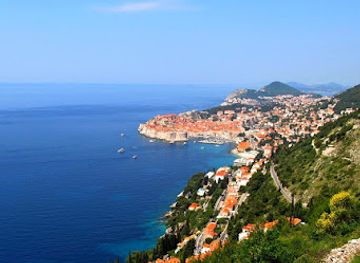
Ploče occupies Dubrovnik’s eastern waterfront, stretching from the historic Ploče Gate and the outer edge of the Old Town towards the slopes of Mount Srđ and the open Adriatic. It is a compact but varied area: medieval fortifications stand above small coves, hotel terraces overlook the sea, and the city’s famous Banje Beach lies just beyond the walls. The neighbourhood’s steep streets reward short climbs with views across the rooftops, Lokrum Island and the channel leading into the harbour.Read more about Ploce
Fortifications, Quarantine and Sea Views
Beaches, Culture and Everyday Movement
Best attractions in Ploce
Ploče’s attractions are concentrated along a short but dramatic stretch east of Dubrovnik’s walls. Begin at Ploče Gate, cross beneath the historic defences and follow the route towards Lazareti, the former quarantine complex whose courtyards and stone arcades now host cultural activity. Banje Beach provides the neighbourhood’s most accessible Adriatic panorama, with views towards the Old Town, Lokrum and the surrounding coast. Nearby Revelin Fortress adds a substantial defensive landmark to the route, while the lower station of the Dubrovnik Cable Car offers access to Mount Srđ and its elevated outlook over the city. The waterfront is ideal for observing boats entering the old harbour, whereas the uphill lanes reveal cypress gardens, villas and changing views through the fortifications. Ploče is best explored as a sequence of contrasts: beach, harbour, quarantine buildings, fortress and mountain access.
-
Tourist attraction
The Cathedral of the Assumption of the Virgin Mary
Discover the architectural beauty and rich history of the Cathedral of the Assumption of the Virgin Mary in the heart of Dubrovnik's UNESCO-listed Old Town.
8 min walk · 0.6 km from neighbourhood centre
-
Tourist attraction
Sponza Palace
Explore the architectural beauty and rich history of Sponza Palace, a must-visit tourist attraction in the heart of Dubrovnik's Old Town.
7 min walk · 0.6 km from neighbourhood centre
-
Tourist attraction
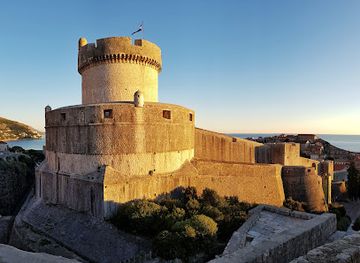
Tvrđava Minčeta
Discover the breathtaking views and rich history at Tvrđava Minčeta, the iconic fortress that defines Dubrovnik's skyline and cultural heritage.
10 min walk · 0.8 km from neighbourhood centre
-
Tourist attraction
Ploče Gate
Explore the enchanting Ploče Gate, a historical landmark in Dubrovnik offering stunning views and a gateway to the city's rich heritage.
5 min walk · 0.4 km from neighbourhood centre
Best landmarks in Ploce
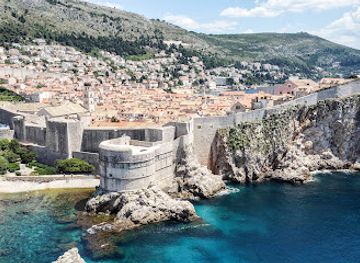
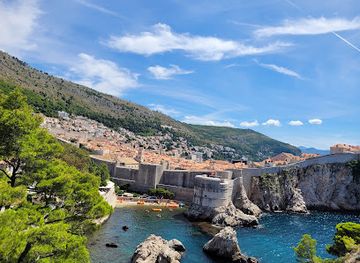
Ploče Gate is the neighbourhood’s principal historic threshold, linking the eastern waterfront with Dubrovnik’s walled Old Town and forming part of the city’s carefully controlled defensive entrance system. Beside it, Revelin Fortress is a major example of Dubrovnik’s later military architecture, designed to reinforce the vulnerable eastern approach and harbour side. Lazareti is equally important for a different reason: its repeated stone buildings and courtyards preserve the physical setting of the Republic of Ragusa’s maritime quarantine system. Banje Beach is not a monument, but it has become a defining landscape feature of modern Ploče, set beneath the walls with an uninterrupted relationship to the Adriatic. The cable-car station represents a later layer of the neighbourhood’s identity, connecting the historic waterfront with Mount Srđ and Dubrovnik’s elevated defensive landscape.
-
Tourist attraction
Fort Lovrijenac
Explore Dubrovnik's iconic Fort Lovrijenac: a symbol of freedom, offering stunning views and a rich history dating back to the 11th century.
14 min walk · 1.1 km from neighbourhood centre
-
Museum
Rector's Palace
Explore Dubrovnik's Rector's Palace: A blend of Gothic, Renaissance & Baroque architecture, showcasing the city's rich history as the Republic of Ragusa.
7 min walk · 0.6 km from neighbourhood centre
-
Cultural landmark
Onofrio's Large Fountain
Explore the historical beauty of Onofrio's Large Fountain in Dubrovnik, a cultural landmark that showcases stunning architecture and offers refreshing drinking water.
11 min walk · 0.8 km from neighbourhood centre
-
Fortress
Tvrđava Minčeta
Explore Tvrđava Minčeta, Dubrovnik's iconic fortress, offering panoramic views and a deep dive into the city's rich history and resilience.
10 min walk · 0.8 km from neighbourhood centre


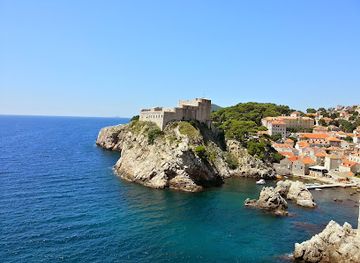

Explore Ploce on the map
A handpicked selection of must-see spots in Ploce, mapped for you.
Best hotels in Ploce
Best restaurants in Ploce
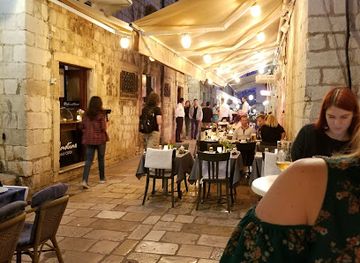
Dining in Ploče is shaped by its position between the Old Town, the beach and the hotel-lined eastern waterfront. Restaurants and cafés tend to cluster around Banje, the roads leading to Ploče Gate and the larger hotels, with menus commonly drawing on Dalmatian coastal cooking: grilled fish, shellfish, olive oil, seasonal vegetables and locally familiar pasta and rice dishes. The atmosphere ranges from informal seaside meals to more polished hotel and waterfront dining, while the Old Town’s dense restaurant scene begins immediately beyond the gate. Visitors should distinguish eating beside the neighbourhood’s waterfront from dining inside the historic centre, where streets and courtyards offer a different setting. Independent choices are more limited on the steep residential slopes, so Ploče is particularly useful for a meal combined with a beach visit, an evening walk or a cultural event at Lazareti.
-
Fine Dining
Restaurant 360
Discover Dubrovnik's premier fine dining experience at Restaurant 360, where exquisite cuisine meets breathtaking views.
6 min walk · 0.5 km from neighbourhood centre
-
Restaurant
Restaurant Marco Polo
Experience authentic Croatian cuisine at Restaurant Marco Polo in Dubrovnik – where fresh local ingredients meet exquisite flavors.
8 min walk · 0.6 km from neighbourhood centre
-
Restaurant
Konoba Pjatanca
Experience authentic Croatian cuisine in a cozy setting at Konoba Pjatanca, where every dish tells a story of local tradition.
2 min walk · 0.2 km from neighbourhood centre
-
Seafood
Forty Four Restaurant
Experience exquisite seafood and Mediterranean cuisine at Forty Four Restaurant in Dubrovnik—where every dish tells a story.
9 min walk · 0.7 km from neighbourhood centre


Best bars in Ploce
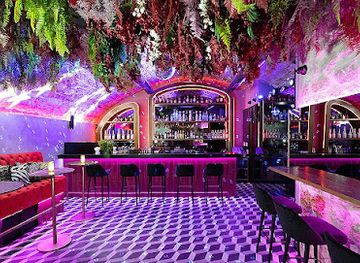
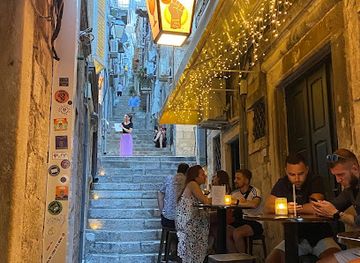
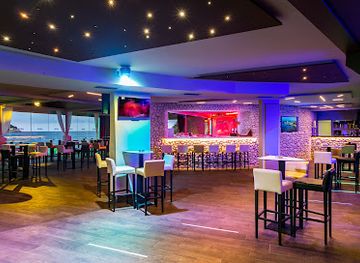
Ploče’s evening life is varied but geographically concentrated. Banje and the waterfront provide the most obvious after-dark setting, with seasonal beach bars and hotel venues creating a relaxed atmosphere close to the sea. Near the Old Town, Revelin Fortress is associated with major nightlife and club events, although programmes and access can change. Lazareti contributes a more cultural strand through concerts, performances and event nights in its historic courtyards. The neighbourhood’s upper streets are quieter and largely oriented towards accommodation rather than late-night entertainment, so noise levels can change sharply within a few minutes’ walk. Visitors should check current event information rather than rely on fixed assumptions about opening times, seasonal beach activity or performance schedules.
-
Bar
MILK fun area & cocktails
Discover the vibrant nightlife at MILK Fun Area & Cocktails in Dubrovnik, where lively music and delicious cocktails await you.
9 min walk · 0.7 km from neighbourhood centre
-
Bar
Buzz bar
Experience the vibrant nightlife at Buzz Bar in Dubrovnik, where delicious cocktails and stunning views create unforgettable memories.
8 min walk · 0.7 km from neighbourhood centre
-
Bar
THE BAR
Experience the vibrant nightlife of Dubrovnik at The Bar, where expertly crafted cocktails meet a cozy atmosphere in the heart of the city.
9 min walk · 0.7 km from neighbourhood centre
-
Bar
Glam Bar - #beertherapy
Discover the vibrant atmosphere and extensive beer selection at Glam Bar, a top destination for beer lovers and casual drinkers in Dubrovnik.
9 min walk · 0.8 km from neighbourhood centre

Best nightclubs in Ploce
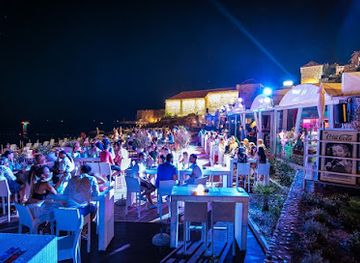
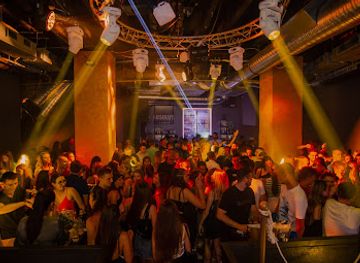
Ploče’s evening life is varied but geographically concentrated. Banje and the waterfront provide the most obvious after-dark setting, with seasonal beach bars and hotel venues creating a relaxed atmosphere close to the sea. Near the Old Town, Revelin Fortress is associated with major nightlife and club events, although programmes and access can change. Lazareti contributes a more cultural strand through concerts, performances and event nights in its historic courtyards. The neighbourhood’s upper streets are quieter and largely oriented towards accommodation rather than late-night entertainment, so noise levels can change sharply within a few minutes’ walk. Visitors should check current event information rather than rely on fixed assumptions about opening times, seasonal beach activity or performance schedules.
-
Night club
Banje Beach Restaurant and Night Club
Experience the vibrant atmosphere at Banje Beach Restaurant and Night Club, where Mediterranean cuisine meets lively nightlife on the stunning Dubrovnik coast.
2 min walk · 0.1 km from neighbourhood centre
-
Disco club
Culture Club Revelin
Dive into Dubrovnik's vibrant nightlife at Culture Club Revelin, a stunning disco club set in a historic fortress offering unforgettable experiences.
6 min walk · 0.4 km from neighbourhood centre
-
Gay night club
MILK fun area & cocktails
Dive into the lively nightlife of Dubrovnik at MILK Fun Area & Cocktails, a hotspot for vibrant cocktails and an inclusive atmosphere.
9 min walk · 0.7 km from neighbourhood centre
-
Night club
Elyx Night Club
Discover the electric atmosphere and dynamic nightlife at Elyx Night Club in Dubrovnik, where the party never stops and memories are made.
13 min walk · 1.0 km from neighbourhood centre

Best shops in Ploce
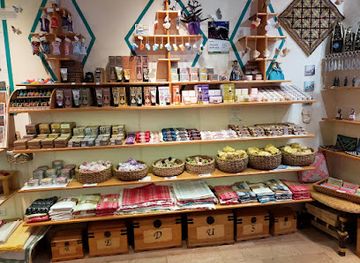
Ploče is not one of Dubrovnik’s main shopping districts, and its retail offer is mostly connected with visitors staying near the beach, hotels and the Old Town entrance. Small convenience shops, beach-oriented businesses and souvenir outlets appear around the waterfront approaches, while more substantial shopping is found inside the historic centre beyond Ploče Gate. The neighbourhood’s most distinctive purchases are therefore likely to be local food, Croatian wine, olive-oil products, beach essentials and small craft or gift items rather than a broad selection of fashion or specialist retail. Lazareti may host temporary market stalls, exhibitions or cultural sales as part of its programme, but these are event-dependent. The steep upper roads are primarily residential and hotel areas, making Ploče better suited to browsing on the way between landmarks than to a dedicated shopping itinerary.
-
Gift shop
Terra Croatica
Discover the essence of Croatia with authentic souvenirs and handcrafted gifts at Terra Croatica in the heart of Dubrovnik.
10 min walk · 0.8 km from neighbourhood centre
-
Gift shop
Dubrovačka kuća -Dubrovnik house
Discover authentic Croatian craftsmanship at Dubrovačka kuća, your premier gift shop near Dubrovnik's stunning city walls.
7 min walk · 0.5 km from neighbourhood centre
-
Gift shop
GIFT & ART SHOP MEDUSA
Explore the enchanting Gift & Art Shop Medusa in Dubrovnik for exquisite handcrafted gifts and natural goods, perfect for every traveler seeking unique souvenirs.
9 min walk · 0.7 km from neighbourhood centre
-
Gift shop
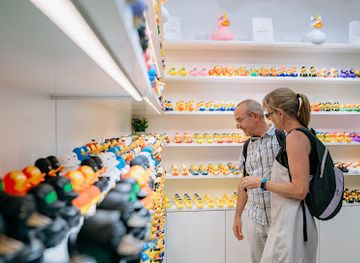
Duck Boutique Dubrovnik
Explore Duck Boutique Dubrovnik for unique gifts and souvenirs that embody the spirit of Croatia's rich culture and artistry.
9 min walk · 0.7 km from neighbourhood centre


Ploce essentials
Getting There
Getting Around
Safety
Emergency Situations
Do's and Don'ts
Local Tips
History of Ploce
The Eastern Approach to Dubrovnik
Ploče developed outside the eastern side of Dubrovnik’s walled city, along the route leading from the historic centre towards the coast and settlements beyond. Its name is associated with the Croatian word for slabs or stone plates, reflecting the rocky terrain and the traditional character of the approach. The Ploče Gate formed an important eastern entrance to the Republic of Ragusa’s fortified capital, while the adjacent harbour connected the district to maritime movement. Unlike the dense urban fabric inside the walls, the slopes outside the gate offered a mixture of roads, gardens, defensive works and coastal landing places.
Revelin and the Eastern Defences
The eastern approach became increasingly important as Dubrovnik strengthened its fortifications in response to changing military technology and regional threats. Revelin Fortress, built outside the walls in the fifteenth century and substantially enlarged in the sixteenth, protected the landward approach near Ploče Gate and helped secure the harbour. Its broad, low defensive form was designed to withstand artillery rather than simply provide a high medieval lookout. The fortress remains one of the neighbourhood’s defining structures and demonstrates how the Republic adapted its older walls to the demands of early modern warfare.
Lazareti and Maritime Control
Lazareti was constructed in the seventeenth century, with the complex completed between 1627 and 1642, to quarantine people and goods arriving by sea. Dubrovnik’s authorities used the facility to limit the spread of infectious diseases while keeping commercial traffic moving. Its location outside the main walls was practical: travellers and merchandise could be isolated without closing the city’s port altogether. The long stone buildings and courtyards beside Ploče harbour preserve an important part of the Republic of Ragusa’s trading history and now provide a setting for cultural activities.
A Modern Waterfront Neighbourhood
In the modern era, Ploče became associated with seaside hotels, bathing and views across the Adriatic as Dubrovnik expanded its role as a coastal destination. Banje developed as the city’s best-known beach immediately east of the Old Town, while hotels and villas occupied parts of the rising shoreline. The Dubrovnik Cable Car, first opened in 1969 and later reconstructed after the disruptions of the 1990s, added a major visitor connection between the lower slopes and Mount Srđ. Today, Ploče combines tourism, historic access routes and remnants of Dubrovnik’s maritime and defensive landscape.
Ploce in Photos
Browse through our photo collection highlighting the charm and character of the destination.
Neighbourhoods near Ploce
The closest neighbourhoods to Ploce, if you have time for more than one stop.
-

-


Swipe for more neighbourhoods
Explore more

Explore more of Dubrovnik
Dubrovnik blends a UNESCO-listed medieval Old Town, Adriatic views, island-hopping, seafood cuisine and centuries of Croatian maritime history.
Explore Dubrovnik