Fort Grpašćak: A Sentinel of the Adriatic
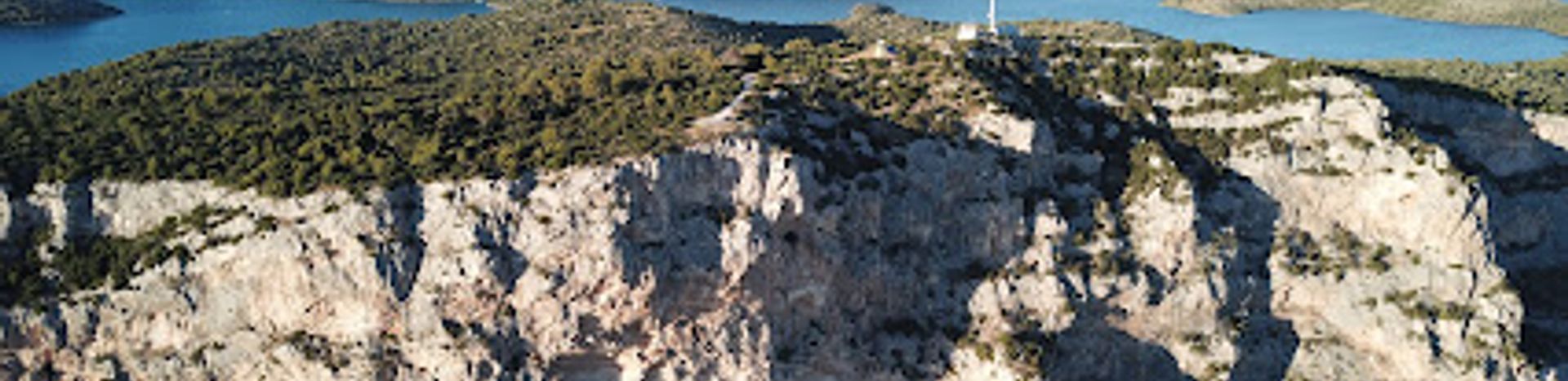
Explore a historic Austro-Hungarian fortress with panoramic Adriatic views in Telašćica Nature Park on Dugi Otok.
Fort Grpašćak, constructed in 1911 by the Austro-Hungarian Monarchy, sits atop the highest slope of the Adriatic on Dugi Otok. Once a military fortress and signal station, it now serves as an educational center offering panoramic views of Telašćica Nature Park, Kornati Islands, and the open sea.
A brief summary to Fort Grpašćak
- Sali, 23281, HR
Local tips
- Visit early in the morning for a quieter experience and the best lighting for photographs.
- Wear comfortable shoes, as the terrain around the fort can be uneven.
- Bring a picnic to enjoy at one of the scenic viewpoints surrounding the fortress.
- Check local weather conditions before your visit to ensure a pleasant experience.
- Combine your visit to the fort with a hike on the nearby nature trails for a full day of exploration.

Getting There
-
Walking
From Sali, head south on the main road towards the coast. Follow the coastal path leading towards the fort. The walk is approximately 3 km and takes around 45 minutes. Ensure you wear comfortable shoes and bring water.
-
Boat Hire
Consider hiring a local boat from Sali to Fort Grpašćak for a direct route. Several boat rental services are available in Sali; prices may vary, so check with multiple services. This offers a unique perspective of the Kornati Islands.
-
Public Transport
From Zadar, take a bus to Biograd na Moru, then a ferry to Sali. Check the ferry schedule in advance. From Sali, you can walk (45 minutes) or hire a local boat to the fort. A bus from Zagreb to Sali is about £11.
Discover more about Fort Grpašćak
Iconic landmarks you can’t miss

Fort Grpašćak
0.0 km
Explore a historic Austro-Hungarian fortress with panoramic Adriatic views in Telašćica Nature Park on Dugi Otok.
Lago Mir
3.1 km
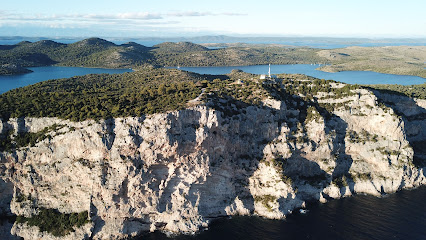
Discover the tranquil beauty of Lago Mir, a stunning swimming lake in Sali, Croatia, perfect for relaxation and outdoor adventures.
LIRICA-boat excursion
4.4 km
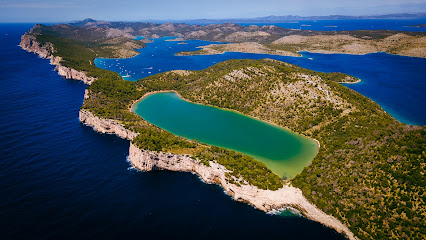
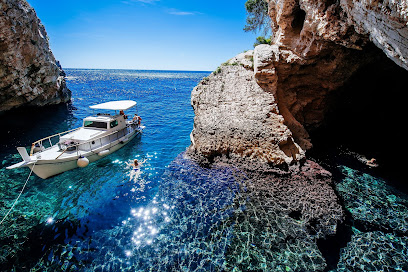
Explore the Kornati and Telašćica from Sali with LIRICA-boat excursion: swim, snorkel, and discover the Dalmatian coast.
Lighthouse Tajer
8.1 km
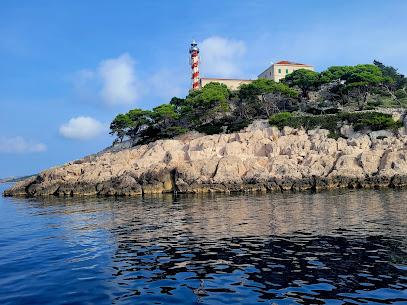
Experience the serene beauty of Lighthouse Tajer in Sali, a stunning coastal retreat filled with history and breathtaking views of the Adriatic Sea.
Konoba Soleta
10.8 km
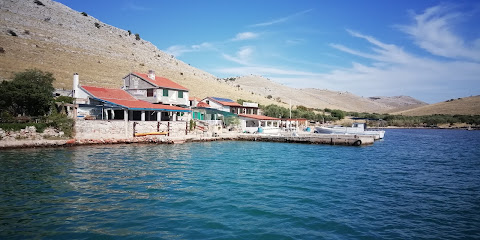
Experience authentic Dalmatian cuisine with stunning waterfront views at this family-run konoba in the heart of the Kornati Islands.
Konoba Sandra
12.4 km
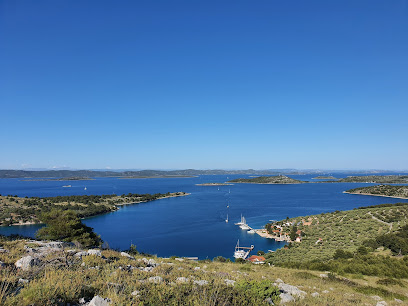
Experience the authentic flavors of Croatia amidst the stunning landscapes of Otok Zut at Konoba Sandra in the Kornati Islands.
RESTORAN FEŠTA
12.6 km
Experience the best of Croatian cuisine at Restoran Fešta, where breathtaking views meet exquisite seafood dishes on Otok Žut.
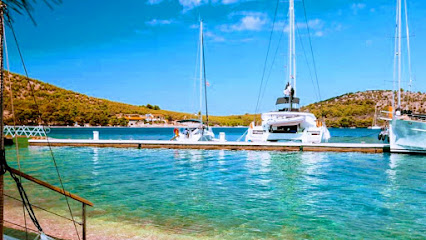
Lojena
13.2 km
Discover Lojena Beach: Kornati's hidden gem with crystal-clear waters, pristine sands, and breathtaking island views. A must-see Croatian paradise!
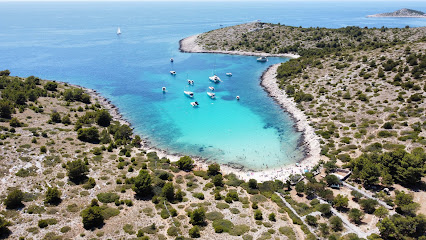
Konoba Levrnaka
13.4 km
Experience authentic Croatian cuisine amidst the breathtaking beauty of Kornati National Park at Konoba Levrnaka on Levrnaka Island.
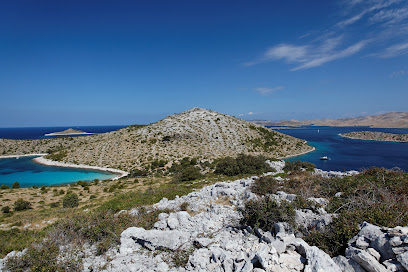
House Kornati-Kravljacica
14.2 km
Escape to House Kornati-Kravljacica for a serene island getaway in the heart of Croatia's stunning Kornati National Park.
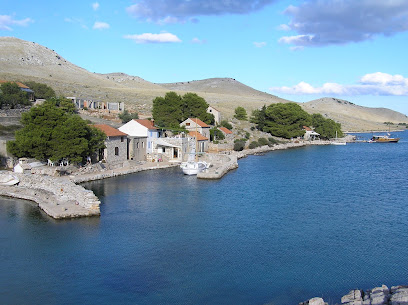
Kornati
16.7 km
Explore the Kornati Islands National Park: a stunning Croatian archipelago offering pristine waters, dramatic landscapes, and unforgettable boat tours.
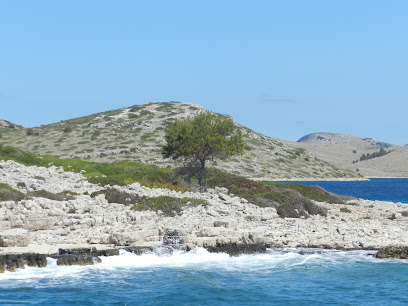
Konoba Ante Vrulje, Kornati
17.2 km
Experience authentic Kornati cuisine at Konoba Ante, where fresh seafood and stunning views create an unforgettable dining experience.
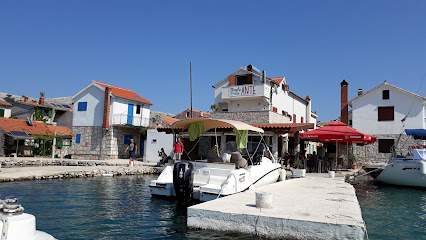
Fort Saint Michael
18.6 km
Discover the stunning ruins of Fort Saint Michael in Preko, where history meets breathtaking views of the Adriatic and Kornati islands.
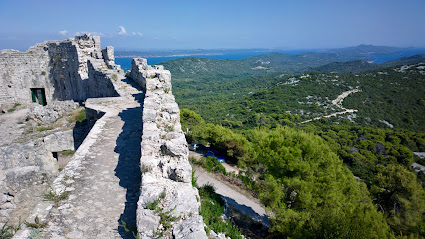
Plaža Punta Rožica
21.3 km
Discover Plaža Punta Rožica in Bibinje: azure waters, pebble shores, and Dalmatian charm await on the Zadar Riviera.
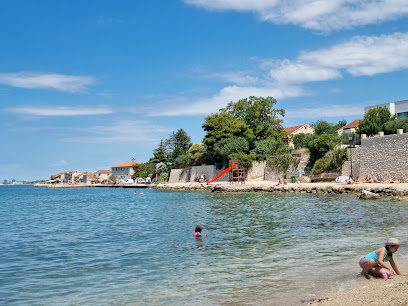
Vidikovac Tkon
21.7 km
Experience the mesmerizing vistas of the Adriatic Sea from Vidikovac Tkon, a top observation deck in Tkon, Croatia, ideal for sunset lovers and nature enthusiasts.
Unmissable attractions to see

Best viewpoint
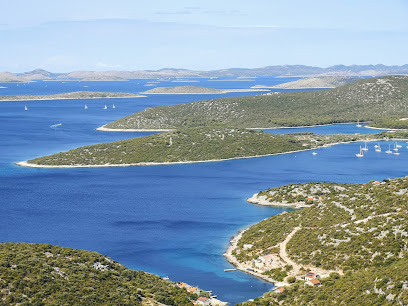
2.5 km
Discover stunning panoramic views of the Dalmatian coast at the Best Viewpoint in Sali, a must-visit tourist attraction for breathtaking vistas.
Telašćica Nature Park
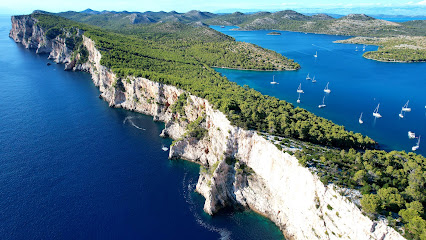
2.7 km
Explore Telašćica Nature Park, a stunning Croatian state park known for its breathtaking landscapes, diverse wildlife, and tranquil waters, perfect for adventure seekers.
Velika Piramida Sali
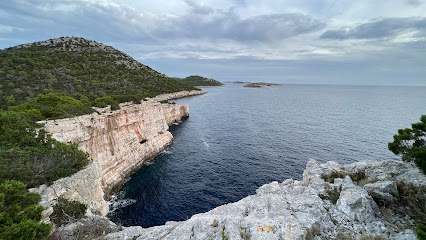
3.6 km
Experience the breathtaking views and natural beauty of Velika Piramida Sali, a must-see tourist attraction on Croatia's stunning Adriatic coast.
Kamene skulpture
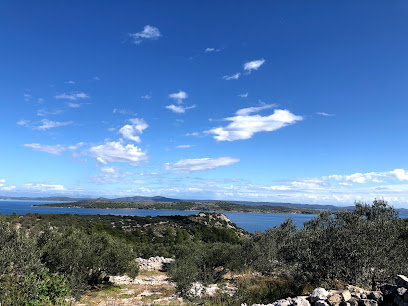
3.7 km
Experience the enchanting Kamene Skulpture in Sali, where art meets nature against the backdrop of the stunning Adriatic coast.
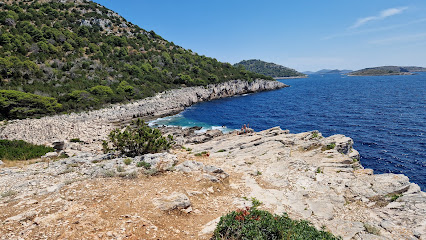
Park prirode Telašćica
3.8 km
Explore the breathtaking beauty of Telašćica Nature Park, a serene escape with stunning landscapes, rich biodiversity, and endless outdoor adventures.
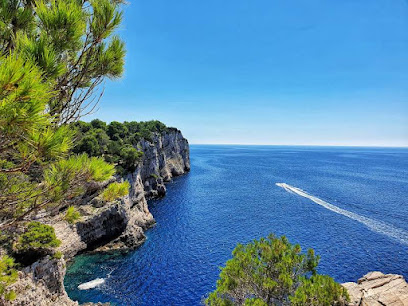
Panorama view
4.8 km
Discover the stunning landscapes of Sali with breathtaking views at Panorama View, a must-see tourist attraction in Croatia.
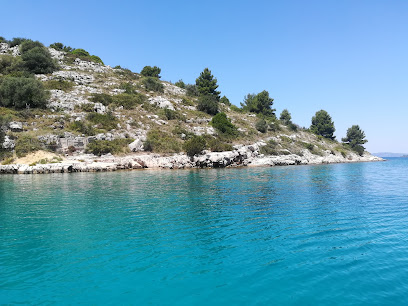
Otok Veli Garmeniak Cave
5.6 km
Explore the breathtaking beauty of Otok Veli Garmeniak Cave, a hidden gem in Croatia showcasing stunning geological formations in a tranquil setting.
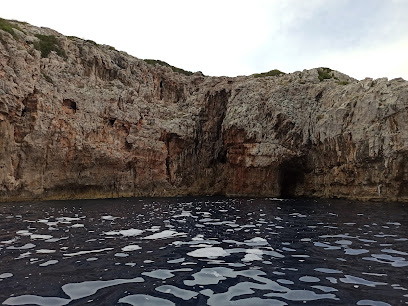
Uvala Cuscica
6.6 km
Explore Uvala Cuscica, a serene bay near Sali, Croatia, where crystal-clear waters meet stunning natural landscapes, perfect for relaxation and adventure.
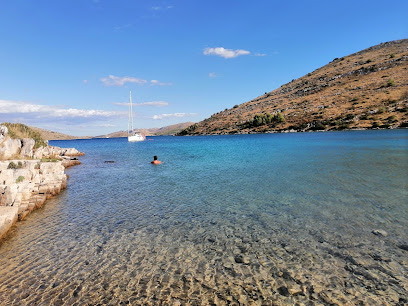
Kornati Bucht Excursion
7.1 km
Discover the stunning Kornati Bucht, a national park filled with breathtaking islands, crystal-clear waters, and exceptional marine life awaiting your exploration.
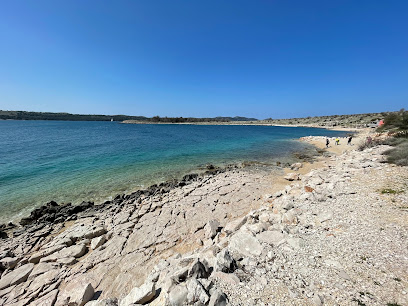
Dugi otok
7.7 km
Explore Dugi Otok: Croatia's serene island paradise with stunning landscapes, pristine beaches, and rich cultural experiences.
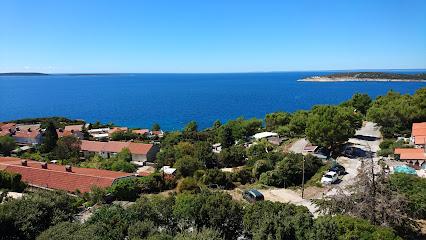
Adriatic Island for rent
12.7 km
Explore the stunning landscapes and rich history of Murter Island, a hidden gem in the heart of the Adriatic Sea, perfect for relaxation and adventure.
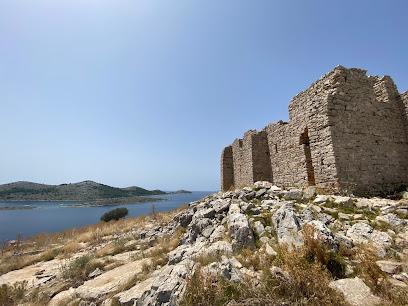
Fort Tureta
13.2 km
Explore the historic Fort Tureta on the charming Kornati Islands, where ancient walls meet breathtaking Adriatic views.
Church of Our Lady of Tarca
13.4 km
Explore the tranquil Church of Our Lady of Tarca, a serene Catholic church in Kornati offering breathtaking views and a peaceful atmosphere.
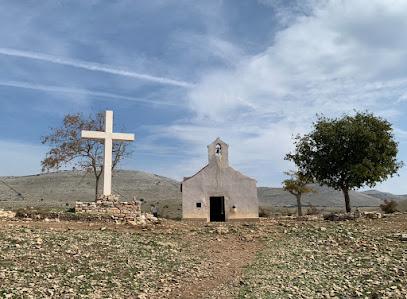
Ugljan
19.9 km
Explore the stunning landscapes, charming villages, and rich culture of Ugljan Island, a picturesque Mediterranean destination in Croatia.
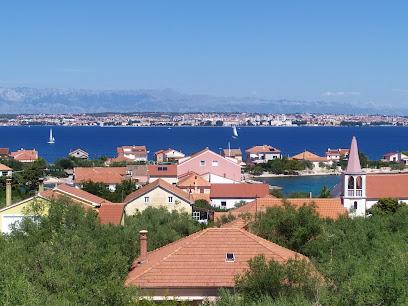
KRAJ, CROATIA
20.5 km
Discover the tranquil beauty of Kraj, Croatia, where stunning beaches meet rich cultural heritage on the enchanting Adriatic coast.
Essential places to dine

Konoba Kršovica
2.4 km
Savor authentic Croatian dishes at Konoba Kršovica in Sali – a hidden gem offering delightful flavors in a cozy atmosphere.
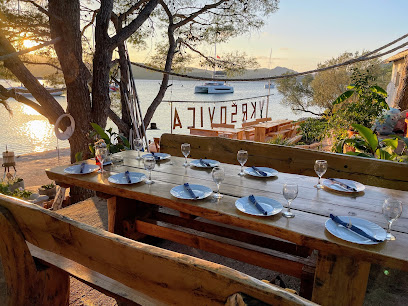
Taverna GO-RO
2.5 km
Experience authentic Mediterranean cuisine amidst breathtaking views at Taverna GO-RO in Sali, Croatia.
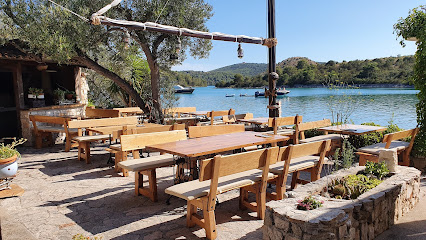
Šporka Mare Restaurant
7.6 km
Experience authentic Croatian seafood at Šporka Mare Restaurant in Sali – a must-visit culinary haven with stunning coastal views.
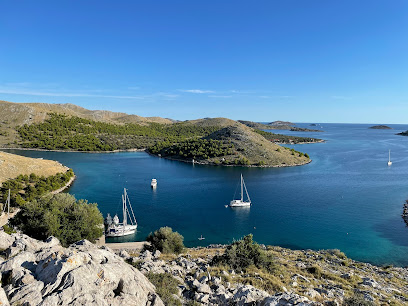
Konoba Suha Punta
7.9 km
Experience fresh seafood and grilled delights in a picturesque setting at Konoba Suha Punta on Kornati Islands.
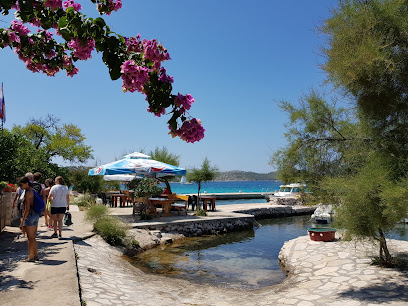
Konoba Statival
10.5 km
Experience authentic Croatian cuisine at Konoba Statival in Sali – where every dish tells a story of tradition and flavor.
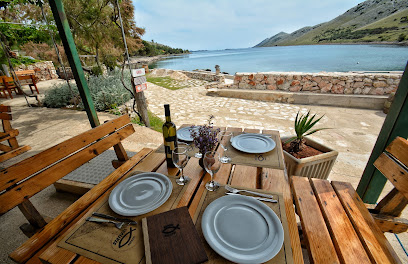
Konoba Vison
15.5 km
Experience authentic Croatian cuisine at Konoba Vison on Žut Island in Kornati, where fresh seafood meets stunning island views.
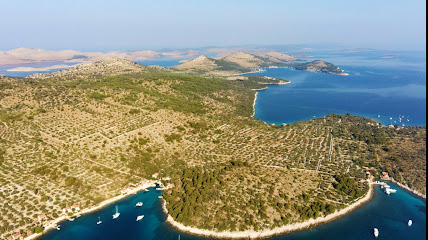
Restoran Trabakul Kornati
15.9 km
Experience authentic Croatian cuisine at Restoran Trabakul Kornati in Vrsi with stunning views of the Adriatic Sea.
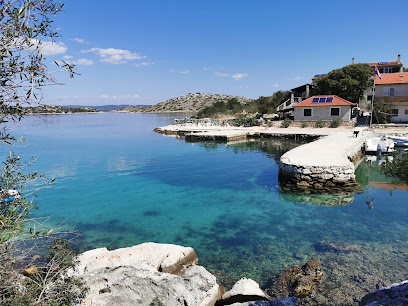
Restaurant Kusaonica
17.3 km
Discover authentic Croatian cuisine amidst breathtaking landscapes at Restaurant Kusaonica in Kornati National Park.
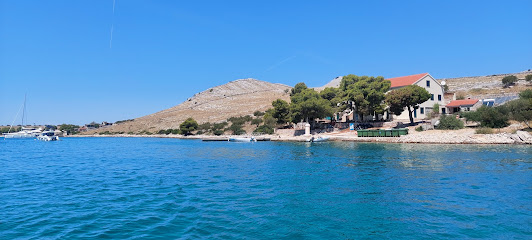
Restaurant Sidro
20.4 km
Experience authentic Croatian flavors at Restaurant Sidro in Ugrinić - where fresh seafood meets warm hospitality.
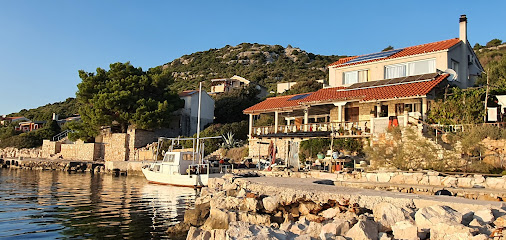
Konoba Maslina
23.1 km
Experience authentic Dalmatian cuisine at Konoba Maslina on Otok Zizanj—where fresh ingredients meet breathtaking views.
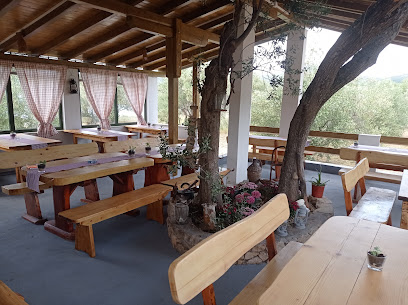
Konoba Jadra
23.1 km
Experience authentic Croatian cuisine at Konoba Jadra on Otok Piškera - a culinary haven in the breathtaking Kornati archipelago.
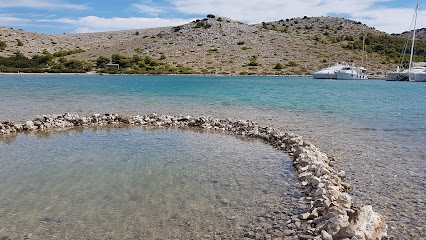
N20
23.6 km
Experience authentic Croatian cuisine at N20 Restaurant in ACI Marina Piškera, surrounded by stunning views and fresh local flavors.
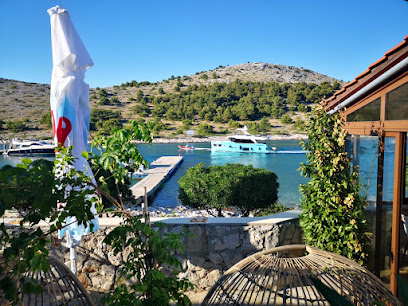
The Botanist
24.2 km
Experience exquisite plant-based dining at The Botanist in Zadar—where innovation meets nature's finest ingredients.
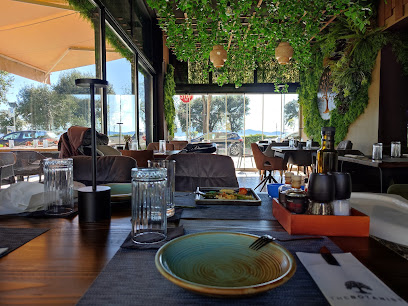
Butler Gourmet&Cocktails Garden
24.2 km
Experience exquisite Mediterranean cuisine and vibrant cocktails at Butler Gourmet & Cocktails Garden in scenic Zadar.
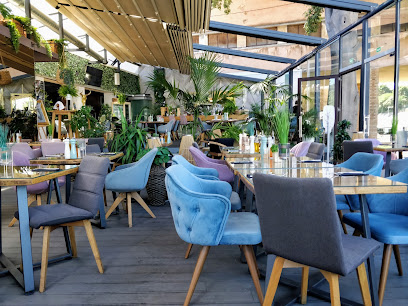
L'Osteria 12 Restaurant & Bar
24.3 km
Experience the best of Croatian cuisine at L'Osteria 12 Restaurant & Bar in Zadar – where every meal is crafted with passion and local ingredients.
Markets, malls and hidden boutiques

Salvia Kornati
14.3 km
Discover the perfect blend of beauty and natural serenity at Salvia Kornati in the enchanting Kornati Islands.
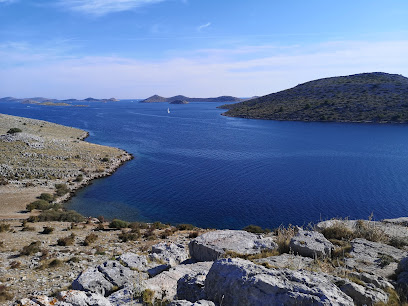
Konoba Robinson, Vrulje, Kornati
17.2 km
Experience the best of Croatian cuisine at Konoba Robinson in Kornati National Park, where fresh seafood meets breathtaking views.
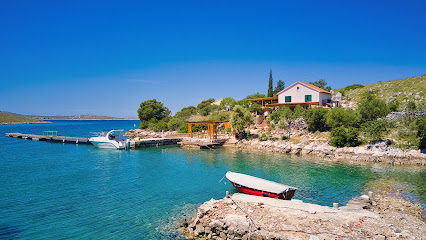
Opg Šikić - homemade souvenirs and products
17.3 km
Discover unique homemade souvenirs at Opg Šikić, a charming store in the heart of the Kornati archipelago, celebrating Croatian craftsmanship.
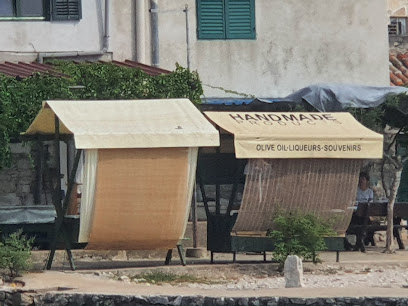
Karma Souvenirs
23.2 km
Discover unique gifts that celebrate the spirit of Zadar at Karma Souvenirs, your premier gift shop for quality Croatian crafts.
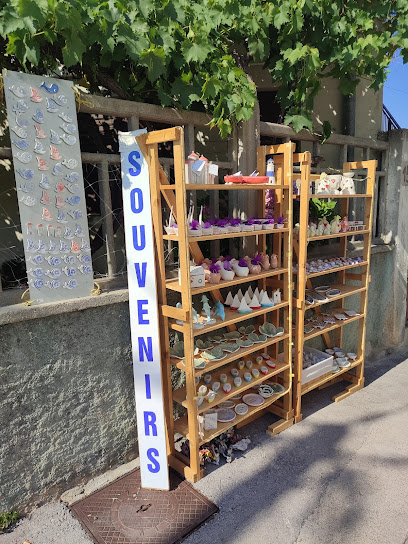
Zadar Shopping Capitol
24.0 km
Discover Zadar Shopping Capitol, where diverse shopping experiences meet delightful dining in the heart of Croatia's historic city.
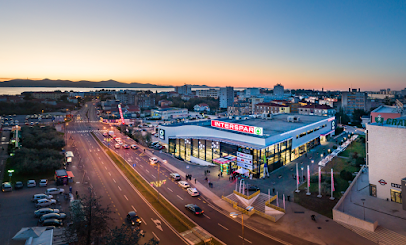
City Galleria
24.2 km
Experience shopping and leisure at City Galleria, Zadar's premier mall with diverse shops, cafes, and family-friendly entertainment.
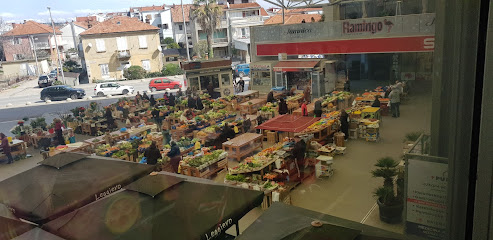
Boutique Step By Step
24.2 km
Discover unique fashion treasures at Boutique Step By Step in Zadar – where local style meets contemporary elegance.

Tiramol HR
24.2 km
Discover unique local crafts and stylish designs at Tiramol HR, a boutique treasure in Zadar, Croatia.

BlueNautiC fashion & more, Zadar
24.2 km
Explore BlueNautiC in Zadar for unique clothing that captures the essence of coastal fashion, perfect for every tourist's wardrobe.
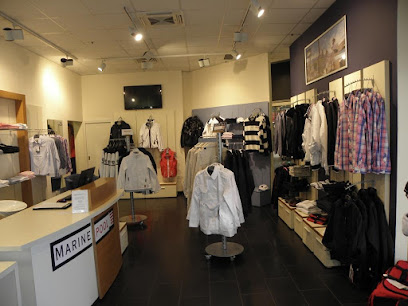
Antik & vinyl shop
24.2 km
Explore Zadar's Antik & Vinyl Shop, a quaint haven of vintage books and records, perfect for collectors and casual visitors alike.
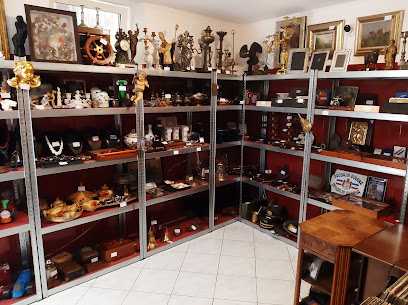
Darovni dućan Malta, Zadar
24.3 km
Explore Darovni dućan Malta in Zadar for unique souvenirs and clothing that capture the essence of Croatian culture and heritage.
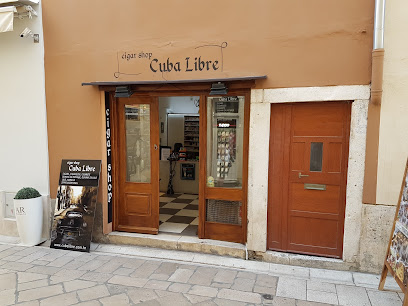
Cigar Shop Cuba Libre
24.3 km
Discover the finest selection of premium cigars at Cigar Shop Cuba Libre in Zadar, where quality meets tradition in a cozy atmosphere.
adidas Store Zadar, Galleria
24.3 km
Explore the Adidas Store in Zadar for the latest in sportswear, footwear, and stylish athletic gear for the whole family.

Boutique (Aki) Valentino Moda.=ulica,Mihe kliaica. 7
24.3 km
Explore boutique fashion at Valentino Moda in Zadar, Croatia, where elegance meets contemporary style in a charming shopping experience.
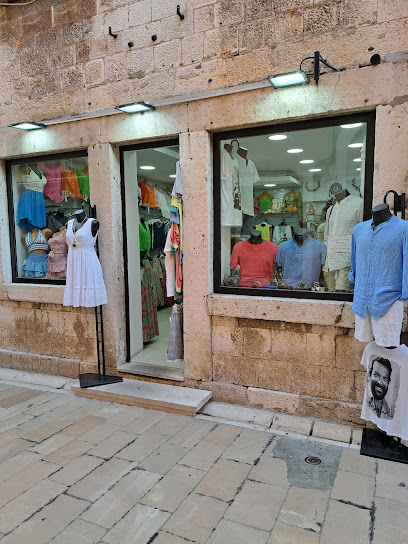
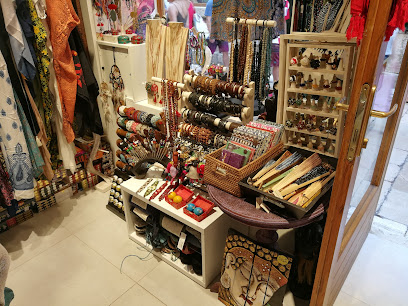
Indian shop
24.3 km
Explore vibrant Indian fashion in Zadar's premier clothing store, showcasing a blend of tradition and modern styles for all tastes.
Essential bars & hidden hideouts

konoba Žmara
15.5 km
Experience authentic Dalmatian cuisine with breathtaking views at Konoba Žmara in the stunning Kornati National Park.
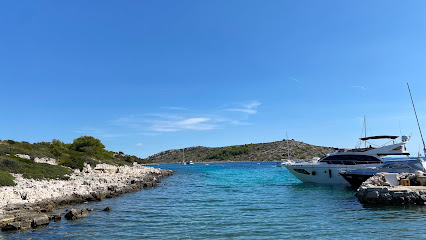
Core Holiday Home
16.8 km
Discover the serene beauty of Core Holiday Home in Kornati National Park, perfect for nature lovers and adventure seekers.
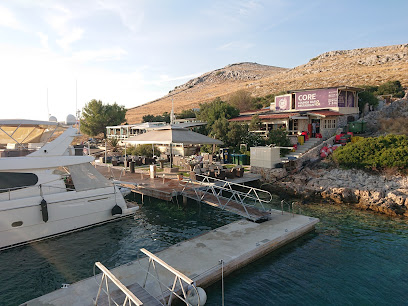
Beach Bar San Pedro
21.7 km
Experience the perfect blend of relaxation and entertainment at Beach Bar San Pedro, a vibrant coastal spot in Sveti Petar na Moru.
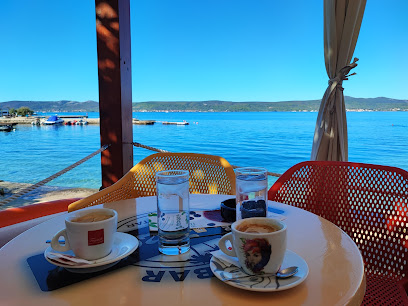
Down Town
24.2 km
Experience the lively ambiance of Down Town Zadar, a bar and café with delicious drinks, light bites, and complimentary Wi-Fi in the heart of the city.
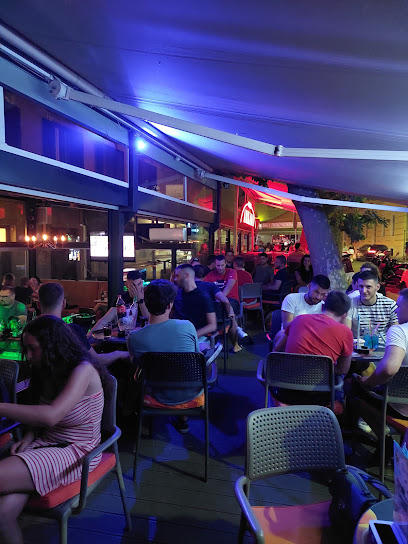
The Factory Bar
24.2 km
Experience the lively atmosphere and diverse drink menu at The Factory Bar, a must-visit spot for tourists in Zadar.
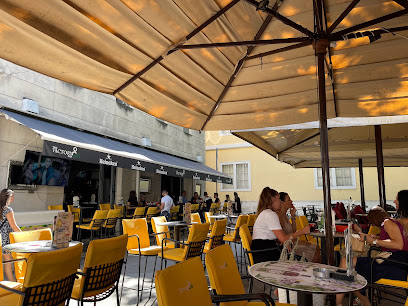
Teatro Bar
24.2 km
Discover the lively Teatro Bar in Zadar, where innovative cocktails meet vibrant atmosphere for an unforgettable night out.
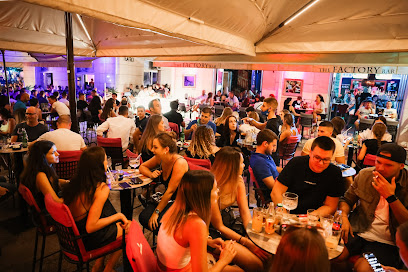
MYSTIQUE bar & more
24.2 km
Experience the vibrant nightlife at MYSTIQUE Bar & More, the perfect blend of ambiance, exquisite drinks, and friendly service in Zadar.
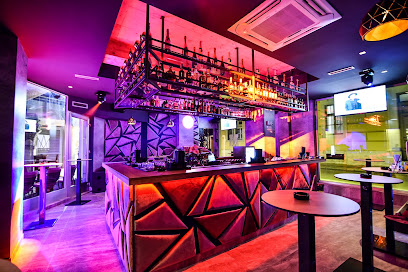
Svarog Bar
24.2 km
Discover Zadar's nightlife at Svarog Bar, where vibrant vibes and exquisite drinks create the perfect atmosphere for a memorable evening.
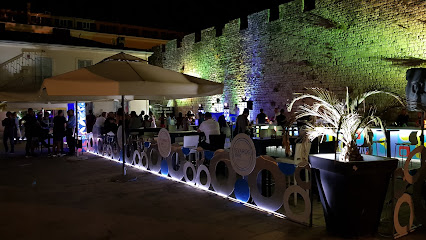
Dolce Vita caffe- Mojitos & Cuba Libres
24.2 km
Discover the lively atmosphere of Dolce Vita Caffe in Zadar, offering exquisite Mojitos and Cuba Libres amidst a vibrant nightlife.
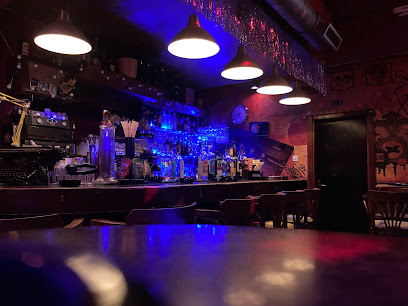
Wine bar Dišpet
24.2 km
Experience the essence of Zadar at Wine Bar Dišpet, where local wines and a cozy atmosphere create unforgettable moments.
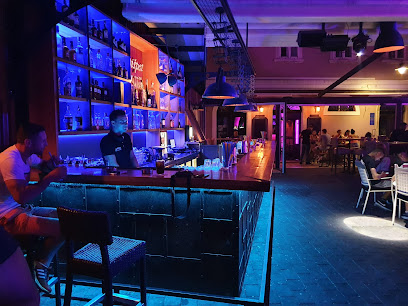
RIO bar
24.2 km
Discover the lively spirit of Zadar at RIO Bar, where exceptional cocktails and a vibrant atmosphere await you.
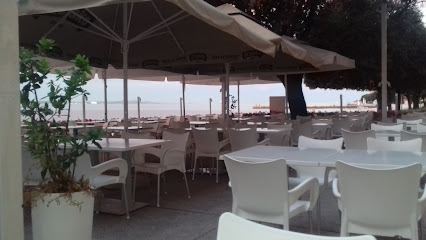
Caffe Bar Kult
24.2 km
Experience the vibrant nightlife of Zadar at Caffe Bar Kult, your go-to bar for great drinks and a lively atmosphere.
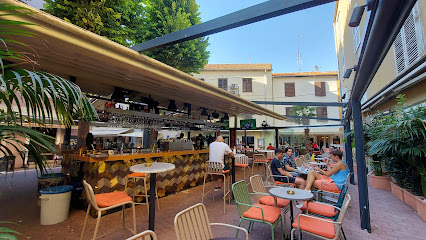
Frenky Bar
24.3 km
Experience the vibrant nightlife of Zadar at Frenky Bar, where cocktails and camaraderie blend in an unforgettable atmosphere.
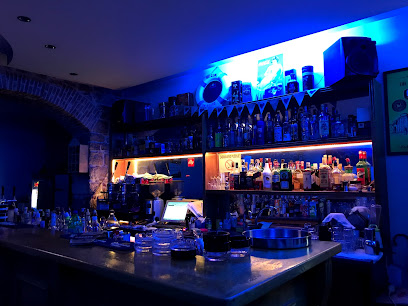
Toni
24.3 km
Discover the vibrant atmosphere of Toni, a must-visit bar in Zadar, offering delightful drinks and a social setting for every traveler.
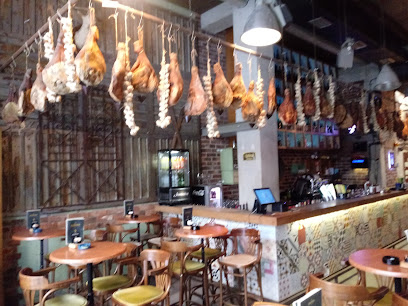
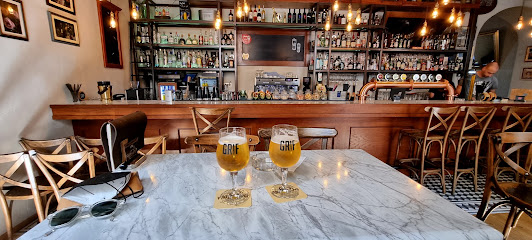
Deja Brew Pub Zadar
24.3 km
Experience Zadar's vibrant nightlife at Deja Brew Pub, where craft beers and a lively atmosphere await every visitor.
Nightclubs & after hour spots

Podroom Night Club
24.2 km
Dance the Night Away at Podroom Night Club, Zadar's Premier Nightlife Destination with Electric Atmosphere and Unforgettable Music Experience.
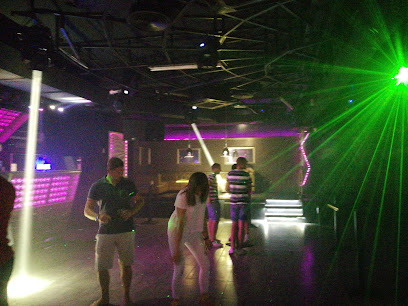
Club Zadar
24.2 km
Unleash your inner party spirit at Club Zadar, the heartbeat of Zadar's nightlife, where music, dance, and socializing come alive.
Satir
24.4 km
Discover the pulsating nightlife at Satir, Zadar's premier night club, where music and energy blend for an unforgettable experience.
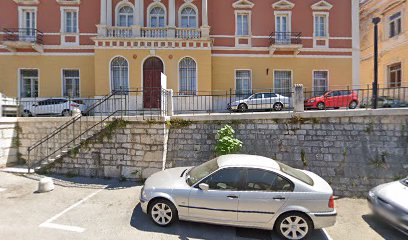
Hype Club
24.5 km
Hype Club in Zadar offers an electrifying nightlife experience with modern music, vibrant atmosphere, and a perfect blend of fun and relaxation.
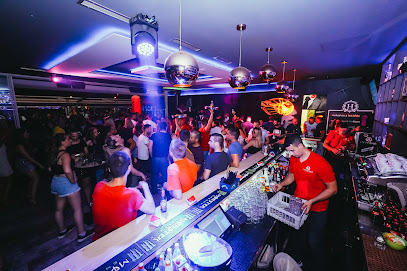
GUMA Night Club
24.5 km
Discover Zadar's nightlife at GUMA Night Club – where music, friends, and unforgettable moments come together!
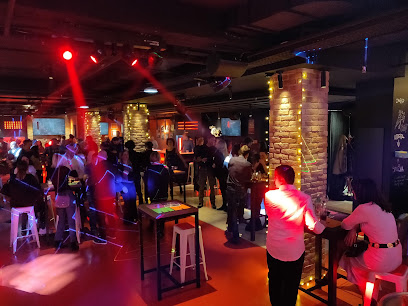
Gentile bar - Adrijana NIGHT CLUB
29.8 km
Dive into the vibrant nightlife at Gentile Bar - Adrijana NIGHT CLUB in Pakoštane, where great drinks and music create unforgettable memories.
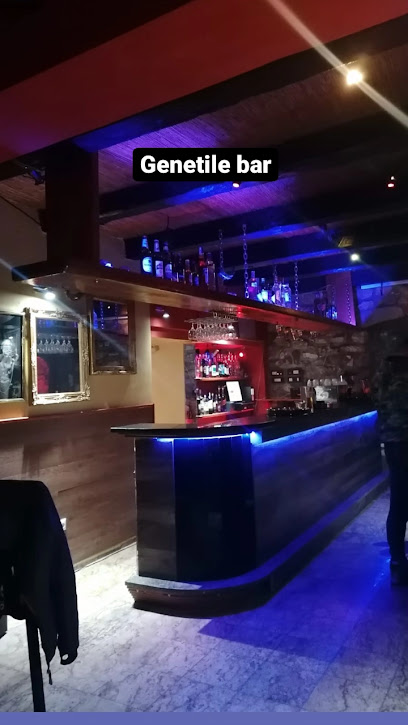
Barbarellas Discotheque
41.3 km
Experience the vibrant nightlife of Betina at Barbarellas Discotheque, where music, dance, and culture collide in an unforgettable celebration.
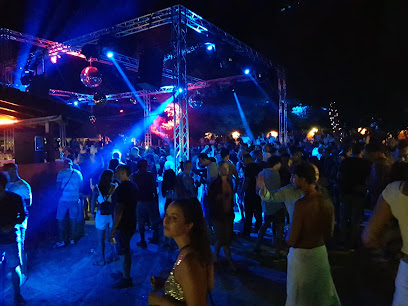
Beach bar & night club STARS
42.8 km
Unwind and dance the night away at Beach Bar & Night Club STARS, the ultimate nightlife hotspot in Posedarje with stunning views and vibrant beats.
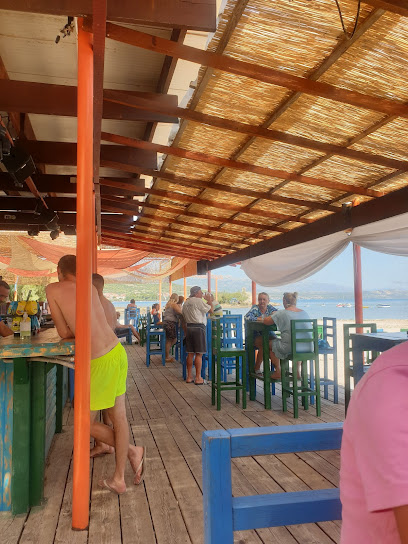
Vortex Beach Bar
43.6 km
Experience the vibrant atmosphere of Vortex Beach Bar in Tisno, where refreshing drinks and stunning sea views create the perfect getaway.
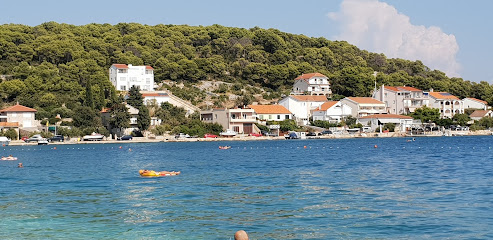
Feria
43.7 km
Experience the vibrant nightlife at Feria, a must-visit bar in Posedarje offering local drinks and a lively atmosphere.
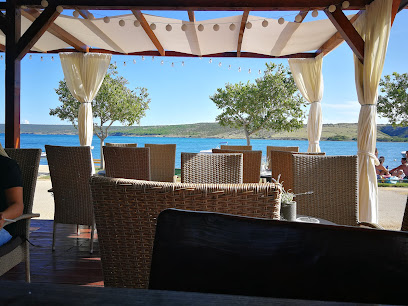
2. Volkswagen meet 22-23.06.2019
45.1 km
Discover the Volkswagen Meet in Pridraga - an exhilarating celebration of automotive passion along Croatia's stunning coast.
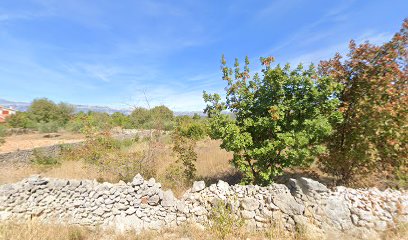
Vecka Kula Beach
48.8 km
Discover the beauty of Vecka Kula Beach in Starigrad, a serene escape with stunning views, soft sands, and vibrant beach activities.
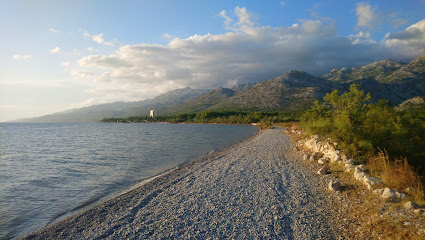
Papaya Club
72.6 km
Discover the electrifying nightlife at Papaya Club on Zrće Beach, a premier destination for unforgettable parties and world-class DJs.
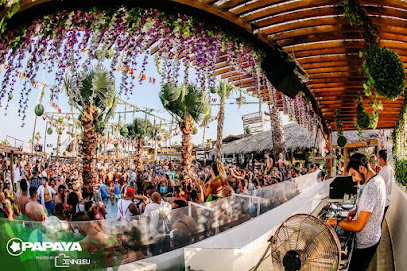
Aquarius club
72.6 km
Experience the electrifying nightlife at Aquarius Club in Novalja, where world-class DJs, beach parties, and unforgettable memories await.
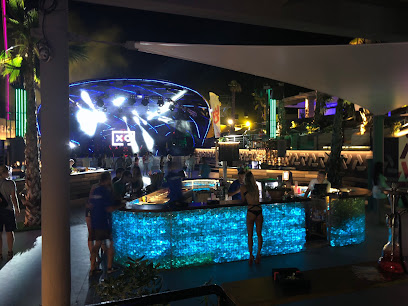
Euphoria Club
72.9 km
Discover the electrifying atmosphere of Euphoria Club, the ultimate nightlife destination on Zrće Beach in Novalja, Croatia.