Rovinj Guide, Rovinj Archipelago Travel Guide
Discover Rovinj, Croatia: Explore its rich history, stunning architecture, and vibrant culture. Your guide to the Istrian peninsula's gem.
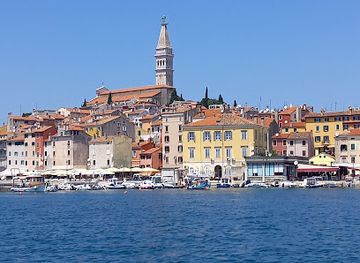
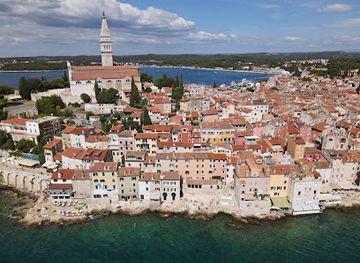
Rovinj Guide is your starting point for discovering the enchanting town of Rovinj, Croatia. Nestled on the Istrian peninsula, Rovinj boasts a rich history, stunning architecture, and a vibrant cultural scene. From its picturesque harbor to the iconic Church of St. Euphemia, Rovinj offers a captivating blend of old-world charm and modern attractions.
A brief summary to Rovinj Guide
- Valdibora, Rovinj, 52210, HR
- Click to display
- Click to display
- Monday 3:30 pm-8 pm
- Tuesday 1 pm-8 pm
- Wednesday 9 am-8 pm
- Thursday 3:30 pm-8 pm
- Friday 9 am-5 pm
- Saturday 9 am-5 pm
- Sunday 9 am-5 pm

Know before you go
Hi, I'm Eve. Here are a few practical things to know before exploring Rovinj Guide.
- Explore the Old Town's narrow streets on foot to discover hidden gems and local artisan shops.
- Climb the bell tower of the Church of St. Euphemia for panoramic views of Rovinj and the Adriatic Sea.
- Visit the Rovinj Heritage Museum to delve deeper into the town's history and cultural heritage.
- Enjoy fresh seafood and local Istrian specialties at one of the many restaurants along the harbor.
- Take a boat trip to explore the Rovinj archipelago and discover secluded coves and swimming spots.
Do you manage this location?
Take control to get all the benefits, like improved information, better appearance, and stronger visibility across AI-powered discovery. Learn more about listing your business on Evendo
Activate your presenceOther nearby places you may find interesting
The closest places of the same kind, if this one is not quite what you had in mind.
Explore Rovinj Guide on the Map
A handpicked selection of must-see spots near Rovinj Guide, mapped for you.
Getting There
-
Walking
From Trg na Lokvi, walk north towards the Old Town. Enter the car-free zone and follow the signs towards the Church of St. Euphemia. The Rovinj Guide is centrally located and easily accessible from most points in the Old Town. Note that the Old Town is primarily pedestrianized with cobblestone streets.
-
Public Transport
From the Rovinj bus station, walk along Obala Palih Boraca towards the Old Town (approximately 10-15 minutes). Alternatively, take a local bus towards the Old Town and disembark at a stop near Trg na Lokvi. From there, it's a short walk to the Rovinj Guide. A single bus fare costs around 1.50 EUR.
-
Taxi
Taxis are available throughout Rovinj. A short taxi ride from the bus station or a hotel outside the Old Town to Valdibora will cost approximately 8-12 EUR. From Valdibora, it is a short walk to the Old Town and the Rovinj Guide.
-
Parking
If driving, park at Valdibora Parking, the largest parking facility near the Old Town. From Valdibora, it's a 5-minute walk to the center. Parking fees vary depending on the season: November to March at 0.5 EUR per hour, April to June and September to October at 1 EUR per hour, and July to August at 2 EUR per hour. Other parking options include Boksiti and Concetta. Be aware that parking can be limited during peak season.
Discover more about Rovinj Guide













Your all‑in‑one travel companion app
Explore expert travel guides, compare and book tours, experiences, hotels, and more—all from the palm of your hand. Download now for seamless trip planning wherever your wanderlust takes you.


Explore More of Rovinj Archipelago
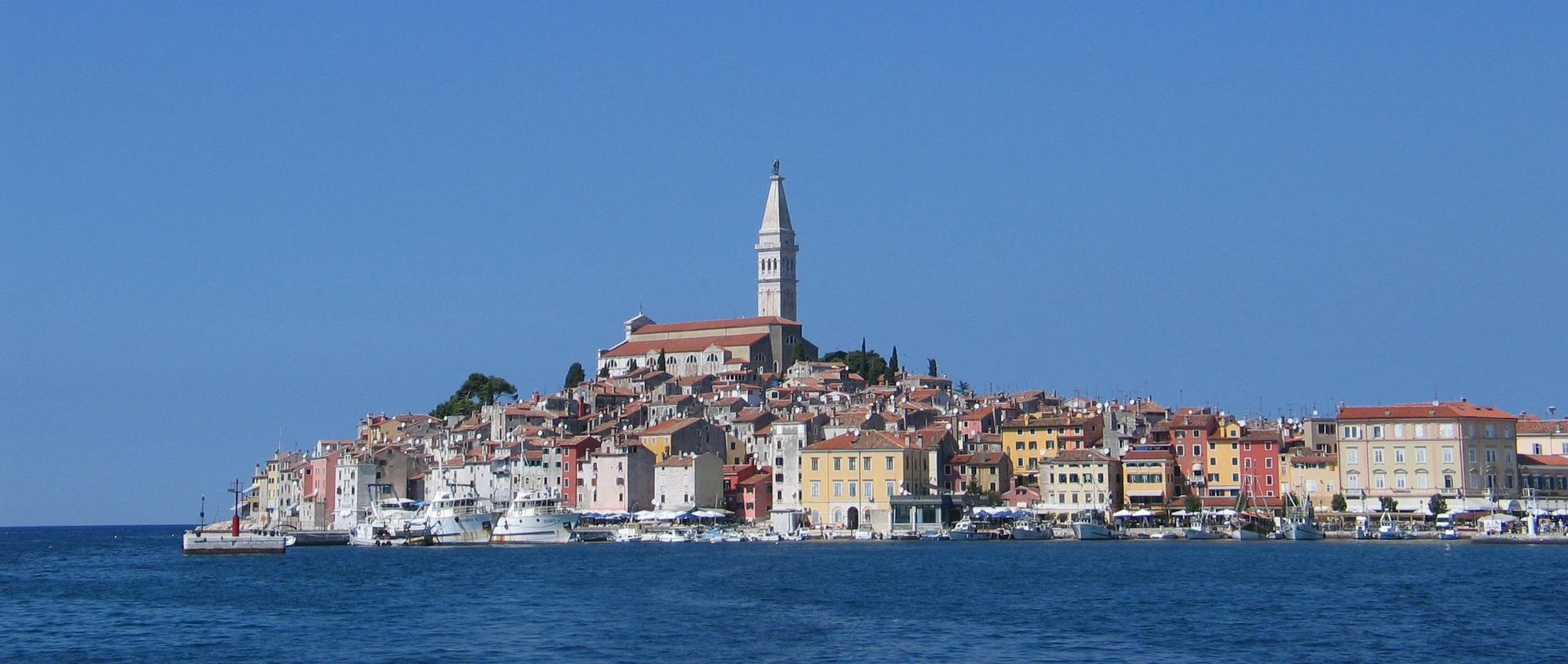
Looking beyond Rovinj Guide? Discover Rovinj Archipelago for broader travel guides, local hot-spots, and regional highlights.
Explore Rovinj Archipelago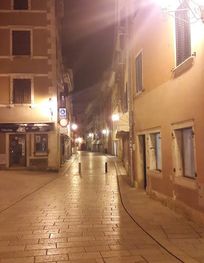
Experience the vibrant heart of Rovinj at Trg na Mostu, a picturesque square blending history, culture, and community on the stunning Istrian coast.

Experience the beauty and history of Rovinj with engaging walking tours from Free Spirit Tours, uncovering the city's rich culture and stunning landscapes.