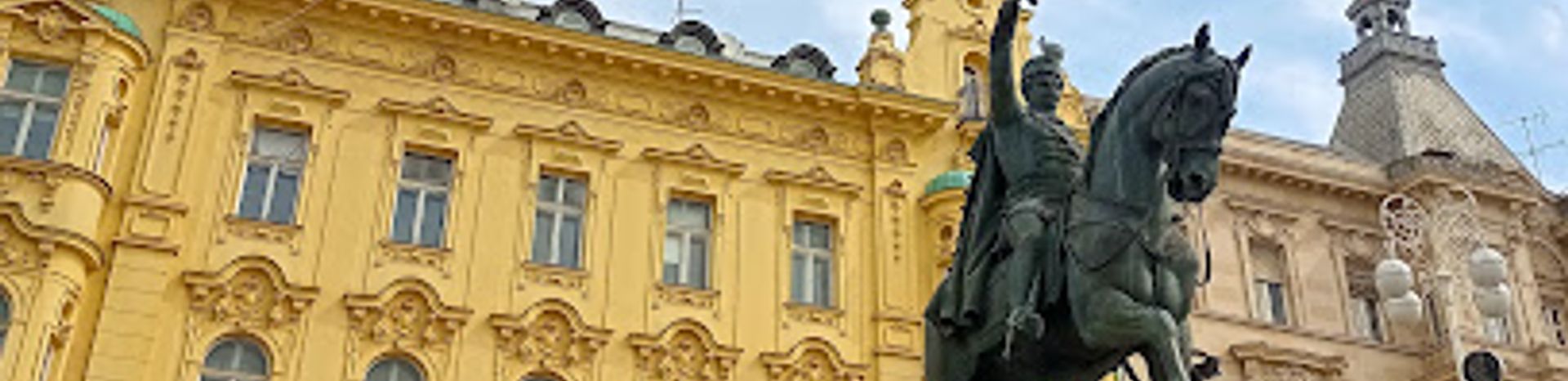
Ban Josip Jelačić Statue: Zagreb's Equestrian Heart
A commanding equestrian statue in Zagreb's heart, honoring Ban Josip Jelačić and Croatian history. A vibrant hub and must-see landmark.
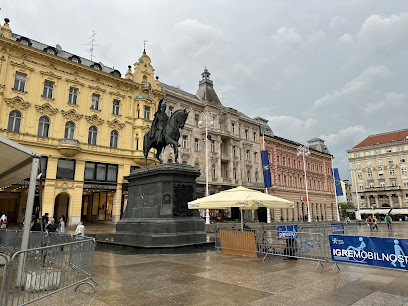
The Ban Josip Jelačić Statue, an equestrian monument in Zagreb's central square, commemorates a key figure in Croatian history. Erected in 1866, removed during communist rule, and reinstalled in 1990, it's a powerful symbol of Croatian identity and a popular meeting point.
A brief summary to Ban Josip Jelačić Statue
- Trg bana Josipa Jelačića, Zagreb, 10000, HR
- Visit website
Local tips
- Visit early in the morning or late in the afternoon to avoid the largest crowds and enjoy a more peaceful experience.
- Explore the nearby Dolac Market for fresh local produce, traditional crafts, and a taste of Zagreb's daily life.
- Take a guided walking tour that includes the statue to gain deeper insights into its historical and cultural significance.
- Look for local events or festivals that might be taking place in the square during your visit to experience Zagreb's vibrant culture.
- Toss a coin into the Manduševac Fountain and make a wish, according to local legend.

Getting There
-
Walking
Ban Josip Jelačić Statue is located in the center of Zagreb, making it easily accessible on foot from many points in the city center. From Zagreb Cathedral, walk southwest along Kaptol, which turns into Radićeva Street. Continue until you reach Ban Jelačić Square. The statue will be prominently visible in the square's center.
-
Public Transport
Ban Josip Jelačić Square is a major hub for Zagreb's tram network. Numerous tram lines stop directly at the square. Check the ZET (Zagreb Electric Tram) website or app for the most up-to-date information on tram routes and schedules. A single 30-minute ticket costs approximately 0.53 EUR. Purchase tickets at Tisak kiosks or via the Moj ZET app.
-
Taxi/Ride-sharing
Taxis and ride-sharing services like Uber and Bolt are readily available in Zagreb. A short taxi ride from the Zagreb Main Train Station to Ban Jelačić Square typically costs around 45 HRK. Base fares start around 15 HRK, with an additional charge of 6 HRK per kilometer.
Discover more about Ban Josip Jelačić Statue
Iconic landmarks you can’t miss

Trg bana Josipa Jelačića
0.0 km
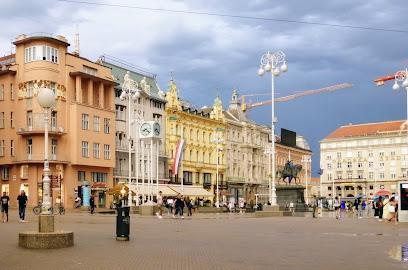
Discover the vibrant heart of Zagreb at Trg bana Josipa Jelačića, a historical square filled with culture, cafes, and captivating architecture.
Statue of Kumica Barica
0.1 km
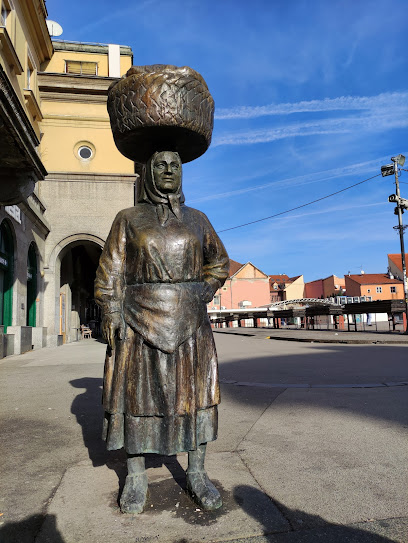
Explore the iconic Statue of Kumica Barica in Zagreb, a symbol of Croatian culture set in a vibrant market atmosphere.
Zagreb Welcomes You
0.1 km
Discover the vibrant culture, rich history, and warm hospitality of Zagreb, Croatia's charming capital city, where every corner tells a story.
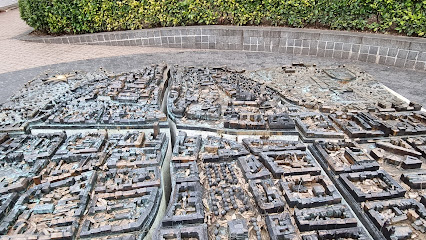
The Ilica Skyscraper
0.1 km
Discover Zagreb's first skyscraper: a historical landmark offering panoramic city views and a glimpse into Croatia's modern architectural past.
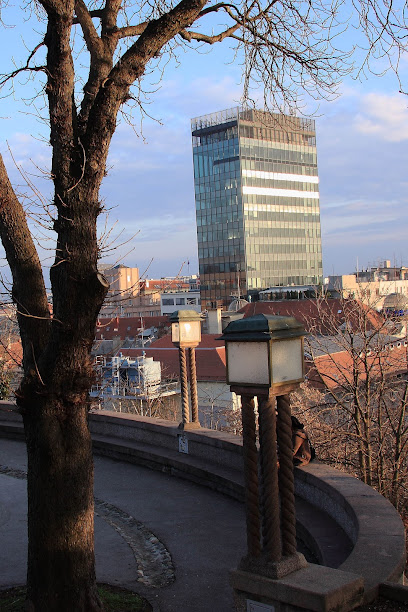
Statue of Petrica Kerempuh
0.2 km
Discover the Statue of Petrica Kerempuh in Zagreb, a captivating symbol of Croatian folklore surrounded by vibrant local culture and art.
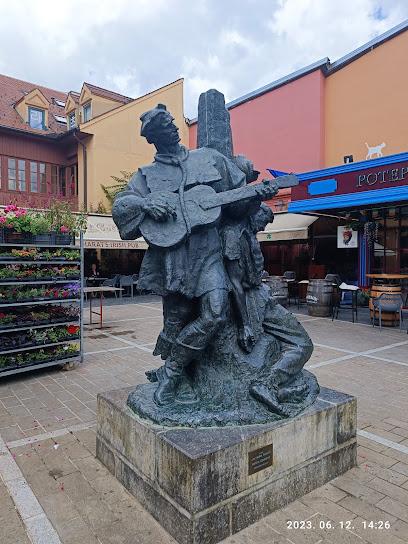
Monument to Croatia's EU Accession
0.2 km
A modern monument in Zagreb's European Square, commemorating Croatia's entry into the EU and its vibrant cultural scene.
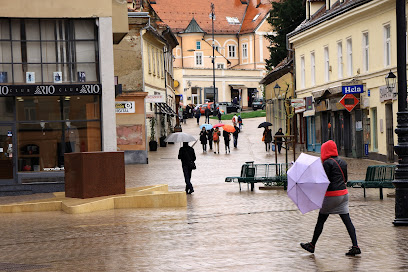
Trg Nikole Zrinskog 3
0.2 km
Explore Trg Nikole Zrinskog, a vibrant square in Zagreb, rich in history, culture, and culinary delights, perfect for every traveler.
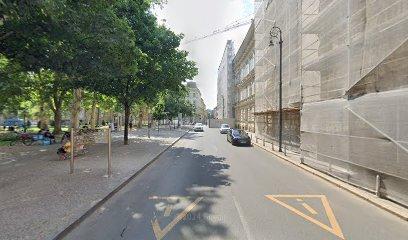
Love Rails
0.2 km
Capture Zagreb's heart from Love Rails: panoramic views, romantic ambiance, and a touch of history on Strossmayer Promenade.
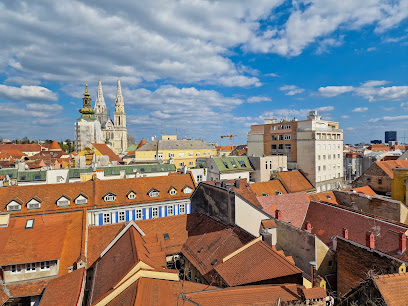
Krvavi Most
0.2 km
Explore Krvavi Most, the Bloody Bridge, a stunning blend of history and architecture in Zagreb's enchanting Gornji Grad.
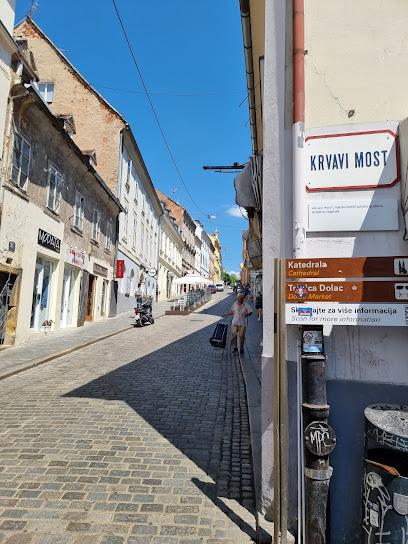
Meteorological Post
0.2 km
Explore the Meteorological Post in Zagreb, a historical gem nestled in Zrinjevac park, offering a glimpse into the past amidst beautiful surroundings.
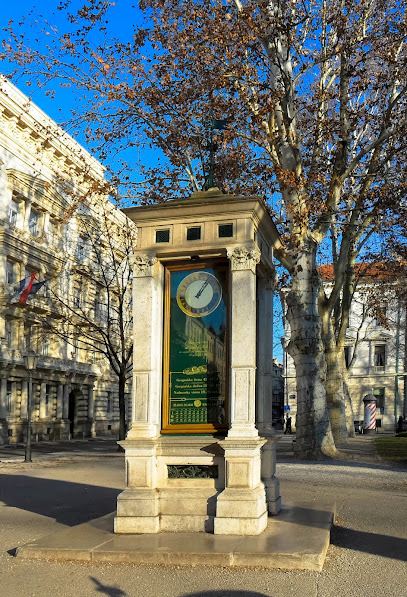
Stopped Cathedral Clock
0.3 km
Discover Zagreb's rich history at the Stopped Cathedral Clock, a stunning landmark that captures the city’s timeless charm and architectural splendor.
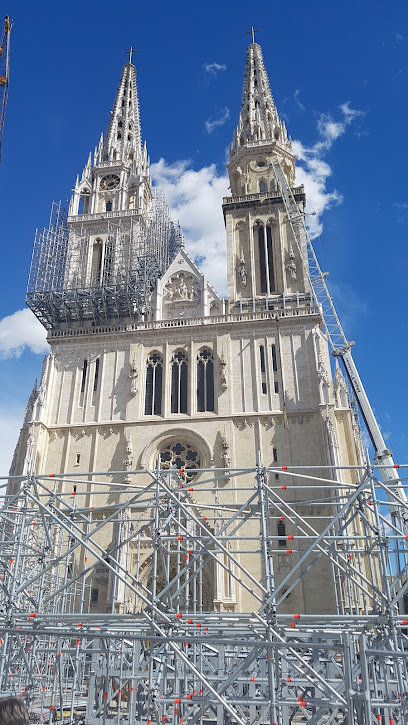
Church of the Transfiguration of the Lord
0.3 km
Explore the breathtaking beauty and rich history of the Church of the Transfiguration of the Lord in Zagreb, a spiritual gem of Orthodox architecture.
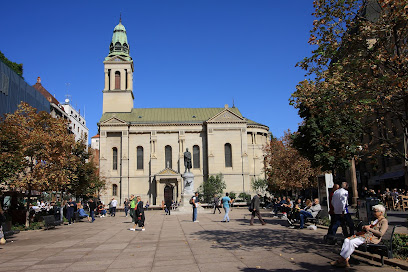
Antun Gustav Matoš Monument
0.3 km
Explore the Antun Gustav Matoš Monument in Zagreb, a stunning sculpture honoring one of Croatia's literary greats amid beautiful gardens and scenic views.
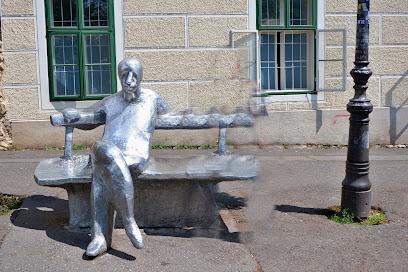
Monument to Petar Preradović
0.3 km
Explore the Monument to Petar Preradović, a stunning tribute to Croatian poetry in the vibrant heart of Zagreb, perfect for culture enthusiasts and tourists.
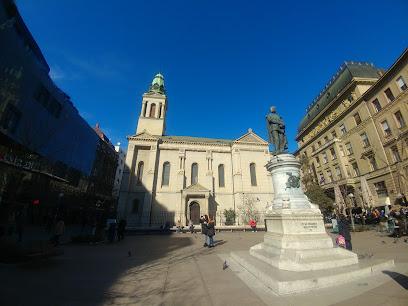
Kaptol Fortress
0.3 km
Discover the historic Kaptol Fortress in Zagreb, a stunning landmark blending medieval architecture and breathtaking city views.
Unmissable attractions to see

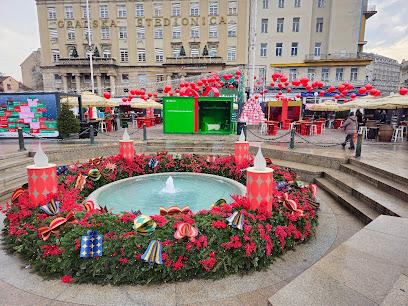
Advent Zagreb
0.0 km
Discover the enchanting atmosphere of Advent Zagreb, a festive celebration filled with lights, flavors, and cultural experiences that highlight the holiday spirit.
Verzamel Plein
0.0 km
Discover the vibrant atmosphere of Verzamel Plein, the cultural heart of Zagreb, where history meets modernity in a picturesque setting.
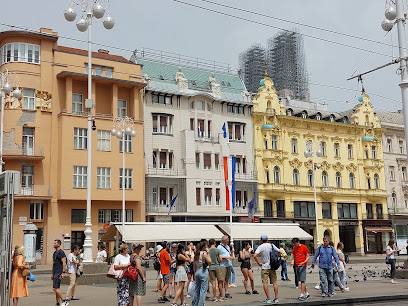
Manduševac
0.1 km
Discover Manduševac, a stunning fountain in the heart of Zagreb, where history meets beauty in the vibrant Ban Josip Jelačić Square.
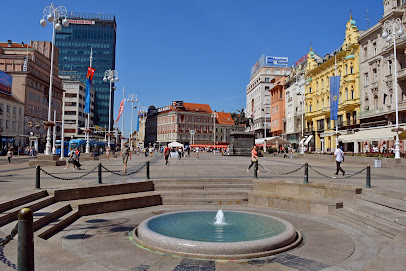
Vura
0.1 km
Explore Vura at Trg bana Josipa Jelačića, the heart of Zagreb, where history meets vibrant city life in a stunning architectural setting.
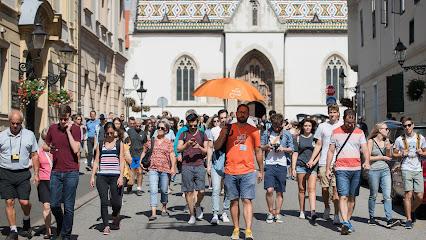
Free Spirit Tours - Zagreb free tour and other tours
0.1 km
Explore Zagreb's rich history and vibrant culture with Free Spirit Tours, offering free walking tours that engage and enlighten.
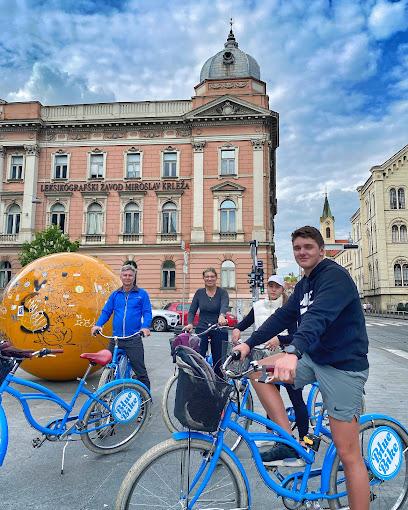
Zagreb Bike Tours @ Blue Bike
0.1 km
Experience the charm of Zagreb on two wheels with guided bike tours and rentals for a memorable adventure in Croatia's capital city.
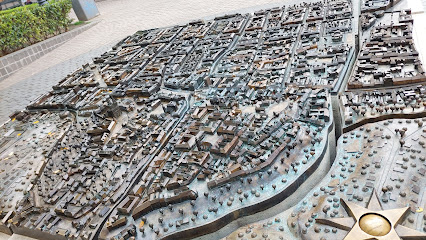
Replika grada Zagreba
0.1 km
Explore the miniature marvel of Replika Grada Zagreba, where the history and beauty of Zagreb are captured in exquisite detail.
Zagreb 360° observation deck
0.1 km
Discover the breathtaking views of Zagreb from the 360° Observation Deck, a must-visit tourist attraction in Croatia's capital.
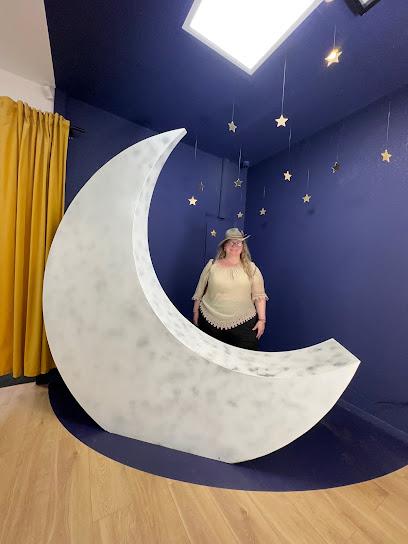
Museum of Selfie and Memories
0.2 km
Discover the fun and creativity at the Museum of Selfie and Memories in Zagreb—where every corner is a photo opportunity and memories come to life.
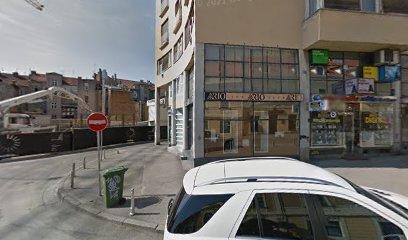
Europski trg 1
0.2 km
Explore Europski trg in Zagreb: a vibrant square filled with culture, stunning architecture, and local events just waiting to be discovered.
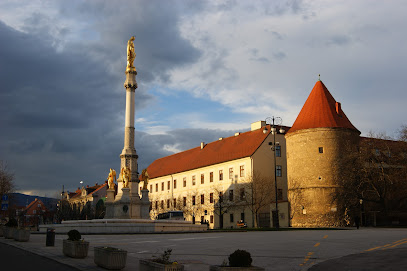
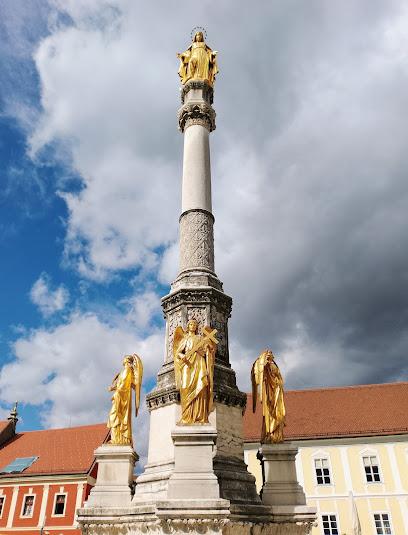
Monument of the Assumption of the Blessed Virgin Mary
0.2 km
Discover the stunning Monument of the Assumption of the Blessed Virgin Mary in Zagreb, a perfect blend of history, art, and spirituality.
Trg Nikole Zrinskog 2
0.2 km
Explore the lively Trg Nikole Zrinskog, a cultural hub in Zagreb that perfectly blends history and modernity for an unforgettable experience.
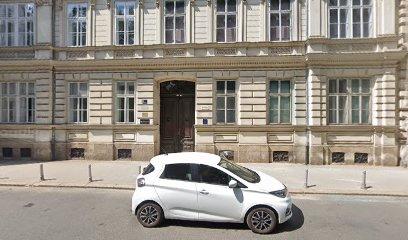
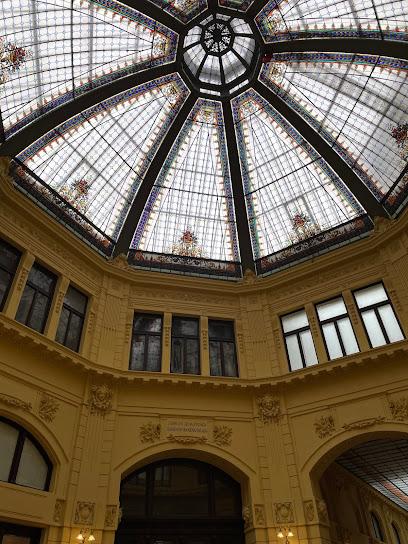
Oktogon
0.2 km
Explore Oktogon, Zagreb's stunning architectural gem blending history and modern shopping in a vibrant atmosphere.
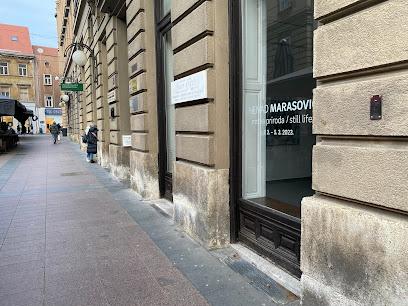
Mercury - Grounded solar system
0.2 km
Discover the wonders of our solar system at Mercury - Grounded Solar System, a unique celestial attraction in Zagreb that combines education and exploration.
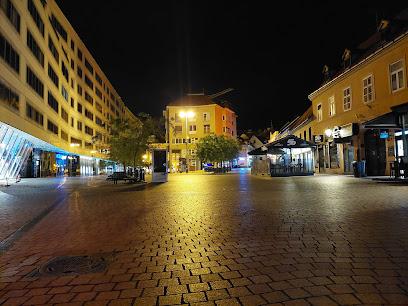
Europski trg
0.2 km
Explore the vibrant Europski trg in Zagreb, a cultural hub with stunning architecture, local cuisine, and lively events reflecting the city's spirit.
Essential places to dine

American Steak & Grill House Zagreb Restaurant
0.1 km
Discover Zagreb's culinary gem at American Steak & Grill House – where delicious steaks meet vibrant flavors in a cozy atmosphere.
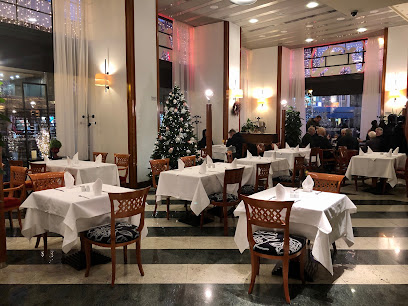
Pod Zidom Bistro
0.1 km
Experience authentic Croatian cuisine at Pod Zidom Bistro in Zagreb - a perfect blend of tradition and modern culinary art.
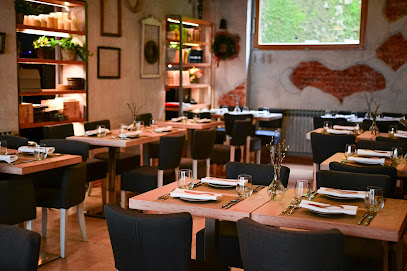
Gostionica Ficlek
0.1 km
Experience authentic Croatian cuisine at Gostionica Ficlek in Zagreb – where tradition meets flavor in every dish.
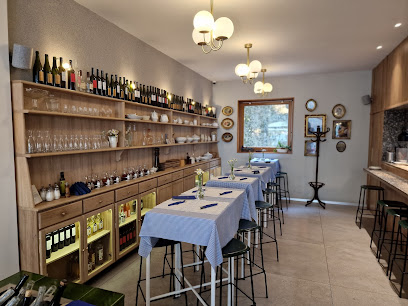
Cheese Bar
0.1 km
Experience the ultimate cheese indulgence at The Cheese Bar in Zagreb – where fine cheese meets exquisite wine.
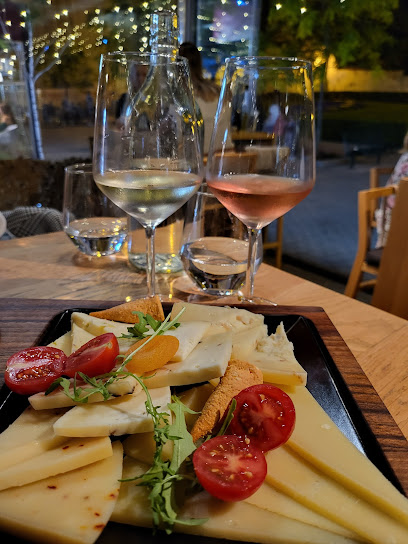
Kai Street Food
0.1 km
Experience the vibrant taste of Croatia at Kai Street Food in Zagreb – where authentic flavors meet modern culinary creativity.
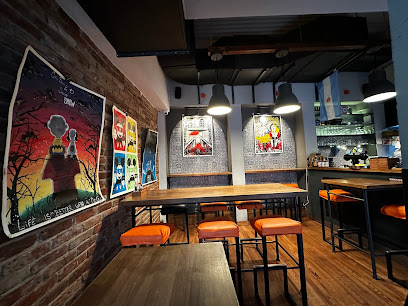
Amfora
0.1 km
Experience the finest seafood at Amfora in Zagreb's Dolac market - where tradition meets taste in every dish.
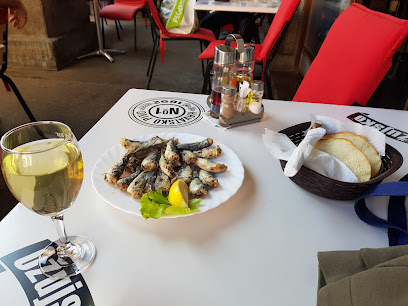
Submarine Burger Tkalčićeva
0.2 km
Experience gourmet burgers at Submarine Burger Tkalčićeva in Zagreb - where quality meets flavor in every bite.
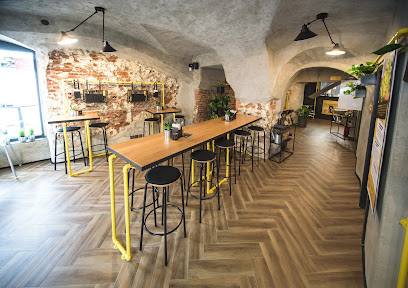
Gajbica
0.2 km
Discover Gajbica: A delightful fusion of traditional Croatian cuisine and modern flavors in the heart of Zagreb.
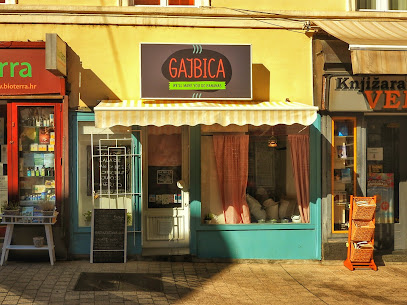
Konoba Bracera
0.2 km
Experience authentic Croatian cuisine at Konoba Bracera in Zagreb – where tradition meets flavor.
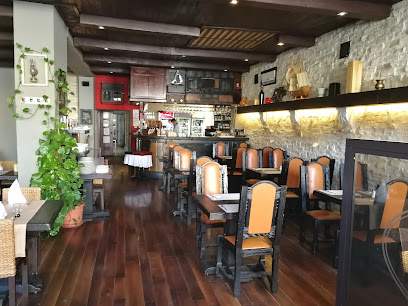
Rougemarin City
0.2 km
Discover Rougemarin City: A top-notch restaurant offering diverse breakfast, brunch, and health food options in the heart of Zagreb.
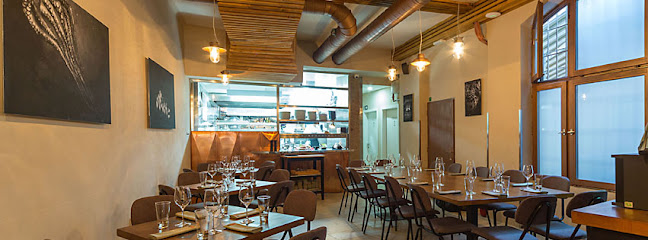
Nokturno
0.2 km
Experience authentic Croatian cuisine at Nokturno in Zagreb – where every dish tells a story of local tradition.
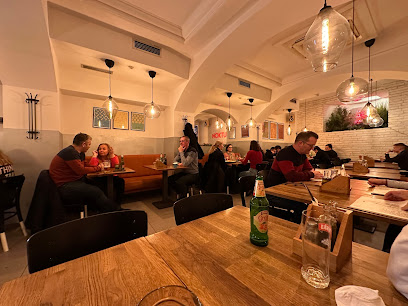
Mio Corazon
0.2 km
Discover Mio Corazon in Zagreb: where vibrant atmosphere meets delicious cuisine and handcrafted cocktails.
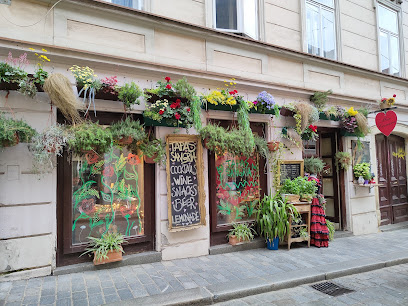
Boban
0.2 km
Experience authentic Italian cuisine at Boban in Zagreb—where tradition meets flavor in every bite.
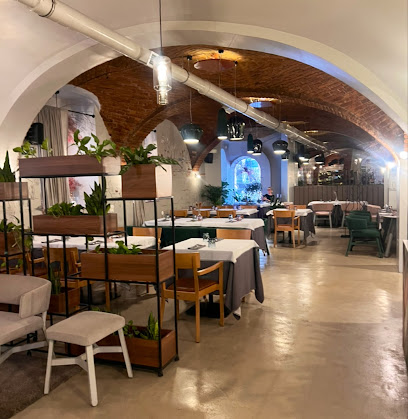
Restaurant All Saints
0.2 km
Experience the culinary delight at Restaurant All Saints - where tradition meets modern cuisine in the heart of Zagreb.
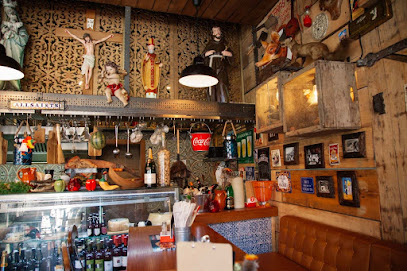
La Štruk
0.2 km
Discover authentic Croatian cuisine at La Štruk in Zagreb, where traditional flavors meet modern dining experiences.
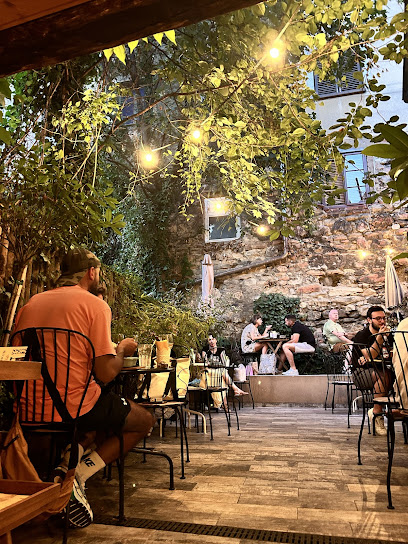
Markets, malls and hidden boutiques

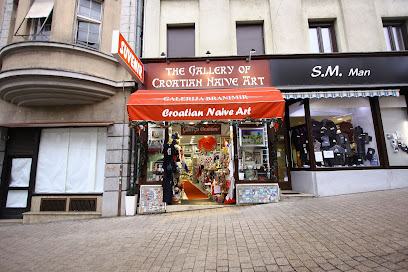
Galería Branimir
0.1 km
Discover authentic Croatian gifts and unique treasures at Galería Branimir, a charming gift shop in the heart of Zagreb.
Gifterie concept store
0.1 km
Discover the heart of Zagreb at Gifterie Concept Store, where unique gifts meet local craftsmanship and creativity.
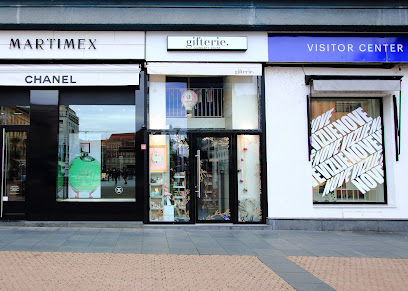
Vintage Photo Souvenir
0.1 km
Discover Vintage Photo Souvenir in Zagreb - A unique blend of photography and local treasures that capture the essence of your travels.
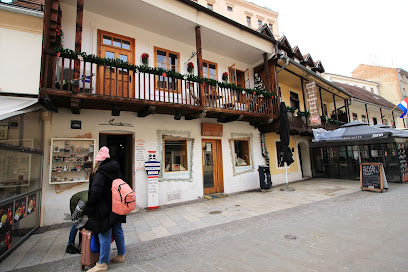
Suvenir Kaptol
0.1 km
Discover a unique collection of sports memorabilia at Suvenir Kaptol, Zagreb's premier destination for sports enthusiasts and collectors.
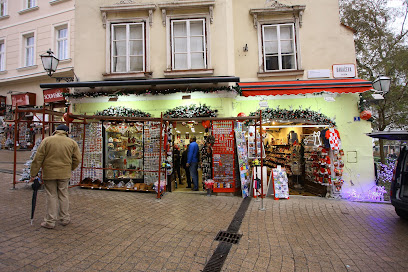
mediteranart
0.1 km
Explore Mediteranart in Zagreb for unique handcrafted gifts and authentic Croatian souvenirs that embody the spirit of the region.
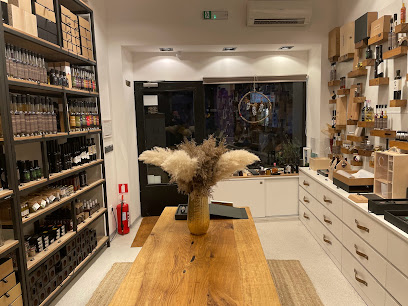
MAŠ Forma
0.1 km
Explore MAŠ Forma, Zagreb's charming gift shop, featuring unique candles, souvenirs, and watches that capture the essence of Croatian craftsmanship.
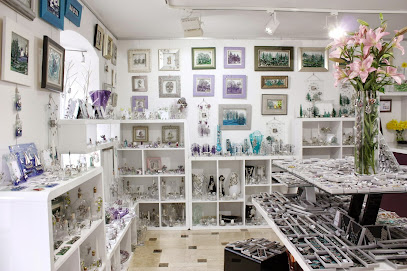
Souvenirnica
0.1 km
Explore the authentic essence of Croatia at Souvenirnica, a charming store in Zagreb filled with unique crafts and delicious local delicacies.
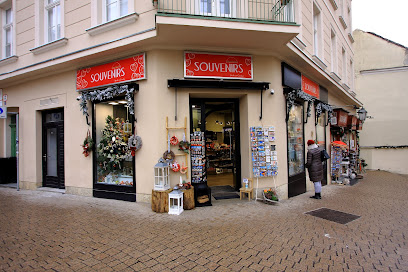
Mašenka
0.1 km
Explore Mašenka in Zagreb for unique gifts and authentic Croatian souvenirs that capture the essence of local craftsmanship.

Souvenir Kaptol
0.2 km
Discover unique Croatian souvenirs at Souvenir Kaptol in Zagreb, where authentic culture meets craftsmanship.
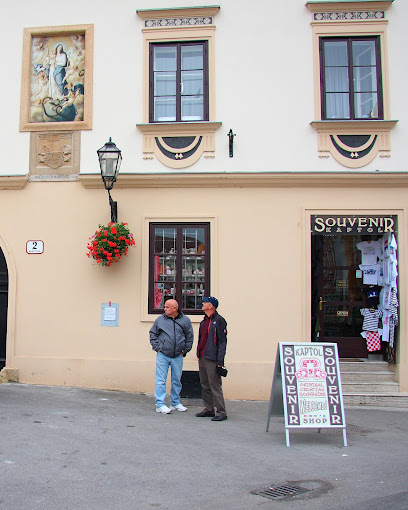
Soho
0.2 km
Discover unique handcrafted gifts and souvenirs at Soho, the charming gift shop in the heart of Zagreb, capturing the essence of Croatian culture.
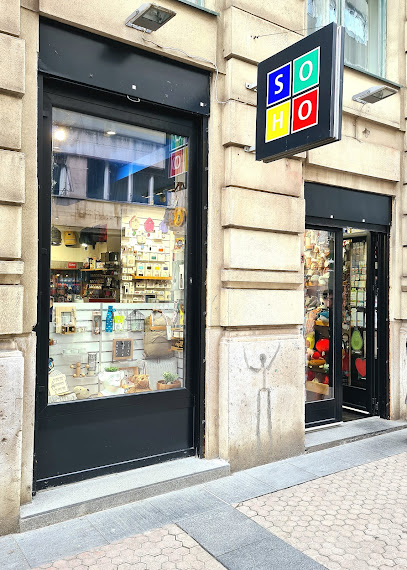
Souvenirs & more ZAGREB
0.2 km
Explore the heart of Zagreb at Souvenirs & more ZAGREB, your destination for unique gifts and local treasures that embody Croatian culture.
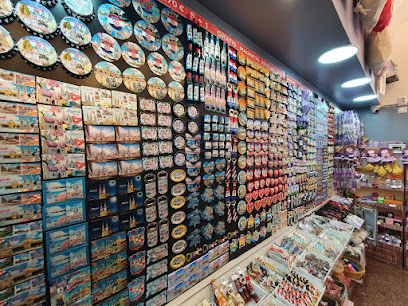
Dida Boža Gift Shop
0.2 km
Explore the charm of Croatia through authentic gifts at Dida Boža Gift Shop, where local crafts meet warm hospitality.
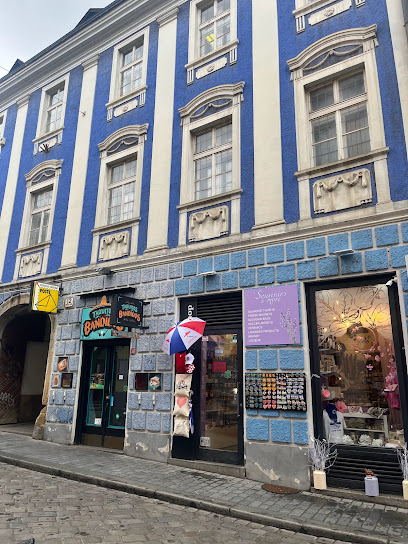
Nama
0.2 km
Discover Nama, Zagreb's premier department store, blending history and modern shopping with a unique selection of fashion, home goods, and local specialties.
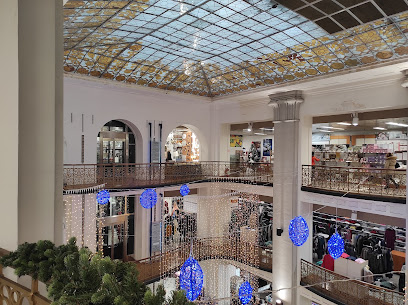
Babushka Boutique
0.2 km
Explore Babushka Boutique in Zagreb for unique gifts, handcrafted treasures, and delightful souvenirs that celebrate Croatian culture.
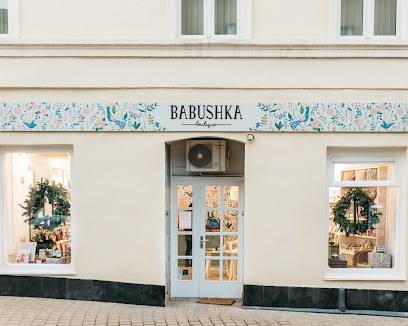
Kredenca Zagreb
0.2 km
Explore Kredenca Zagreb, a hidden gem offering local delicacies and unique gifts, encapsulating the spirit of Croatia in every visit.
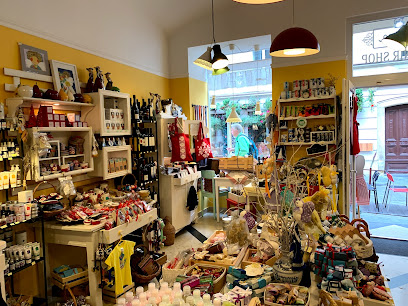
Essential bars & hidden hideouts

Pivnica Pinta
0.1 km
Experience the best of local brews and a welcoming atmosphere at Pivnica Pinta, Zagreb's beloved pub and beer garden.
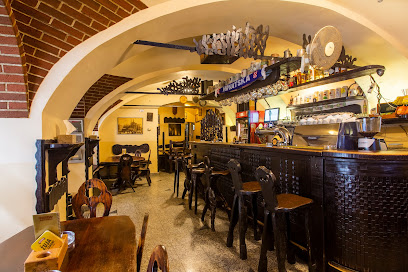
Krolo
0.2 km
Discover Krolo, a vibrant bar in Zagreb, where locals and tourists meet to enjoy a fine selection of drinks and a lively atmosphere.
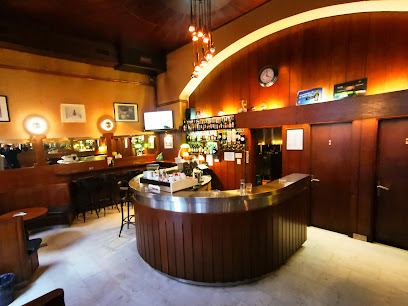
Harat's Pub
0.2 km
Discover the vibrant ambiance and authentic Irish experience at Harat's Pub in the heart of Zagreb.
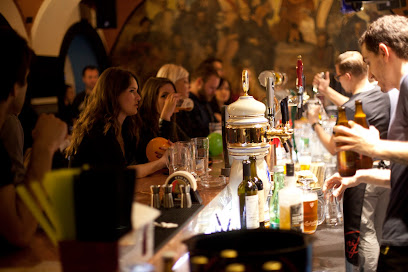
Rock&beer club Alcatraz
0.2 km
Experience the electrifying nightlife of Zagreb at Rock&Beer Club Alcatraz, where live music and cabaret come together for unforgettable evenings.
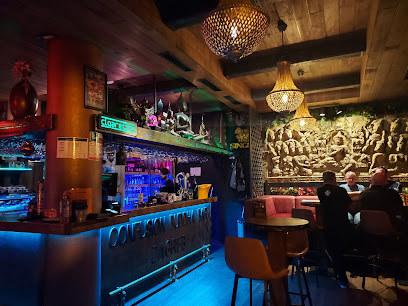
Doma Bar
0.2 km
Discover Doma Bar in Zagreb - where local charm meets vibrant nightlife with exquisite drinks and a lively atmosphere.
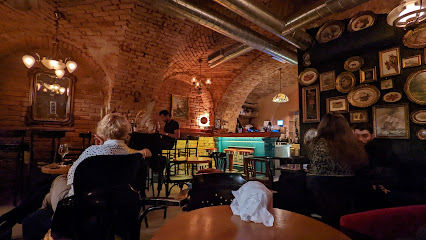
Ožujsko Pub Tkalča
0.2 km
Experience the vibrant nightlife of Zagreb at Ožujsko Pub Tkalča, where local brews and a lively atmosphere await.
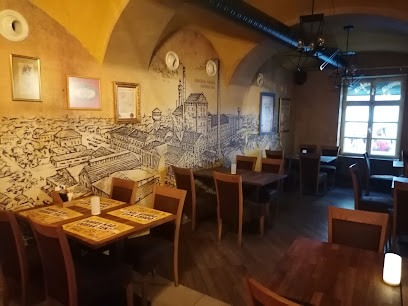
Bulldog Zagreb
0.2 km
Discover the vibrant atmosphere of Bulldog Zagreb, the perfect bar for socializing, enjoying drinks, and experiencing local nightlife in the heart of the city.
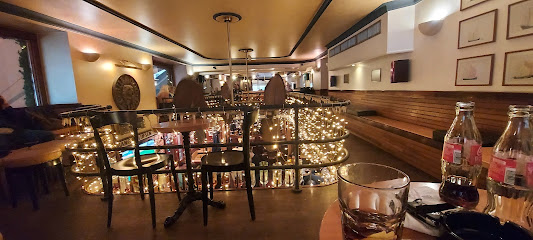
La Bodega Zagreb
0.2 km
Experience the essence of Croatian wine culture at La Bodega Zagreb, a charming wine bar in the heart of the city with a diverse selection and warm atmosphere.
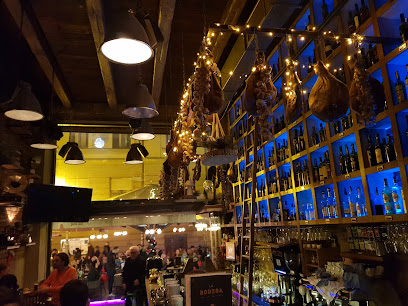
Caffe & Coktail bar Enigma
0.2 km
Discover the vibrant nightlife at Caffe & Cocktail bar Enigma, where delicious drinks and a cozy atmosphere await in the heart of Zagreb.
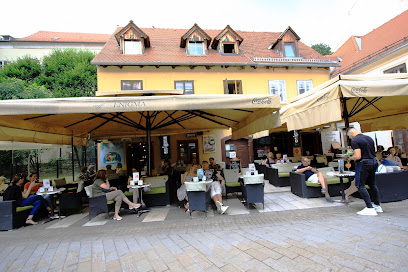
Carpe Diem
0.3 km
Experience the vibrant nightlife of Zagreb at Carpe Diem, where exquisite drinks and a lively atmosphere await you.
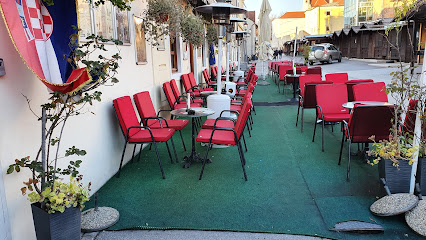
Valhalla beer bar
0.3 km
Experience the best of Zagreb's craft beer scene at Valhalla Beer Bar, where unique brews meet vibrant nightlife.
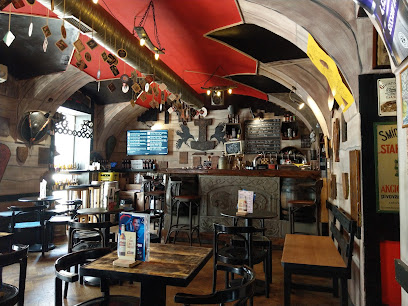
OUT Rooftop
0.3 km
Discover the breathtaking views and vibrant nightlife at OUT Rooftop, Zagreb's premier cocktail bar, perfect for unforgettable moments.
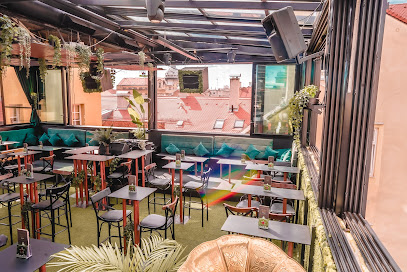
diWine Bar
0.3 km
Discover the rich flavors of Croatian wines at diWine Bar, a cozy escape for wine enthusiasts in the heart of Zagreb.
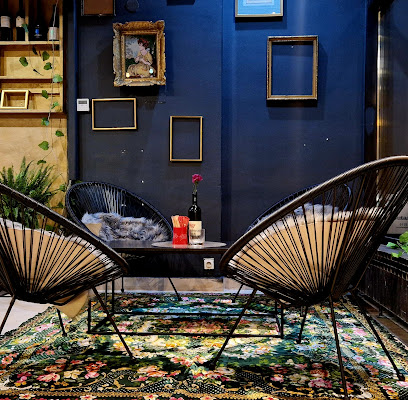
Craft Room
0.3 km
Experience Zagreb's vibrant craft beer scene at Craft Room, where great brews and a welcoming atmosphere await.
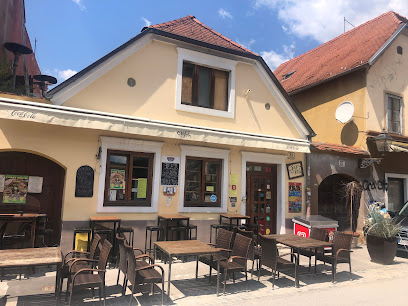
Tava Pub - Bar & Bistro
0.3 km
Discover the charm of Tava Pub in Zagreb, a vibrant bar and bistro with a cozy atmosphere, serving delicious local cuisine and drinks.
Nightclubs & after hour spots

Confusion
0.2 km
Discover the electrifying atmosphere of Confusion Night Club in Zagreb, Croatia, where the nightlife comes alive with music, dancing, and unforgettable moments.
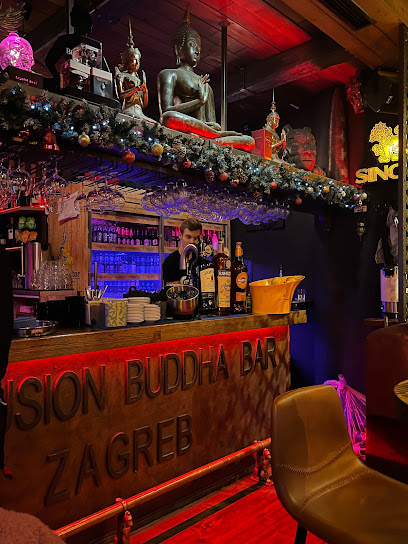
XO Club
0.2 km
Dive into the exciting nightlife of Zagreb at XO Club, where electrifying music and a vibrant atmosphere await every weekend.
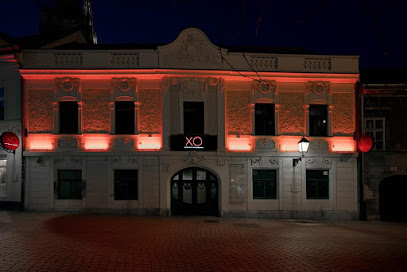
Thalia Caffe Bar & Night Club
0.3 km
Experience Zagreb's vibrant nightlife at Thalia Caffe Bar & Night Club, where great drinks and lively beats come together for an unforgettable night out.
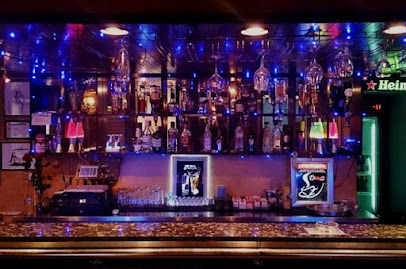
Lounge Borić
0.3 km
Discover the electrifying nightlife at Lounge Borić in Zagreb, where music and energy come together for an unforgettable experience.
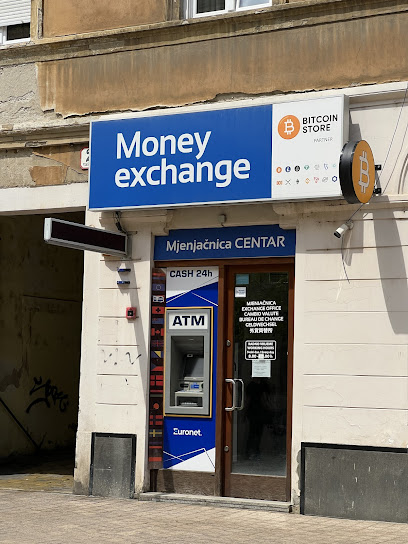
OUT Bunker Nightclub
0.3 km
Dive into the vibrant nightlife of Zagreb at OUT Bunker Nightclub, where music, dance, and energy come alive in an unforgettable underground setting.
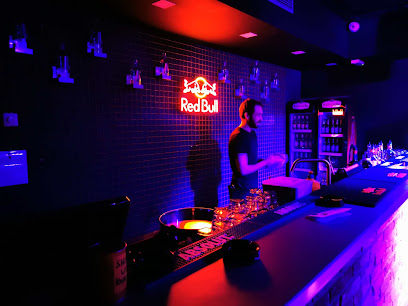
Lapidarij
0.3 km
Discover the vibrant nightlife of Zagreb at Lapidarij Night Club, where music meets culture for an unforgettable experience.
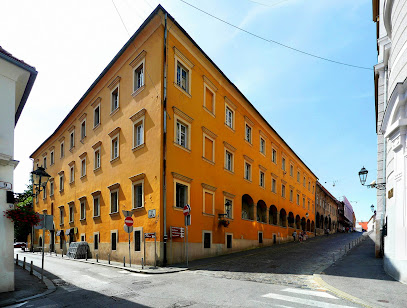
Night Club & Rock Bar Alcatraz
0.4 km
Discover the electrifying nightlife of Zagreb at Night Club & Rock Bar Alcatraz, where rock music and vibrant atmosphere collide.
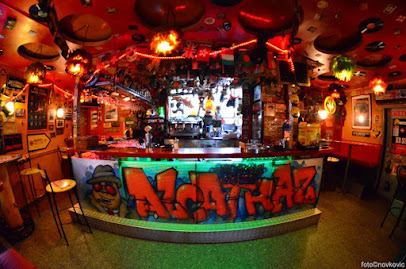
Club Sax!
0.4 km
Discover the vibrant nightlife of Zagreb at Club Sax, where live music and electrifying performances create an unforgettable experience.
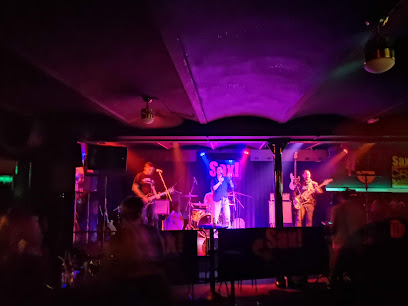
Night club Rocco | Zagreb
0.4 km
Experience the vibrant nightlife of Zagreb at Rocco Night Club, where electrifying music and a lively atmosphere await.
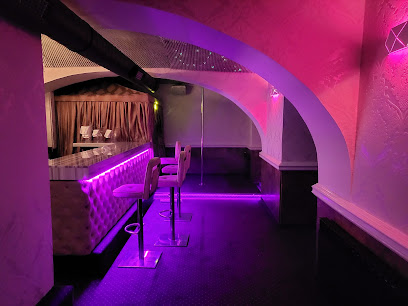
Night/ Striptiz Club Kiss - Live Stream - Free admission
0.5 km
Discover the electrifying nightlife at Night Club Kiss in Zagreb, a girl bar offering vibrant performances and expertly crafted cocktails all night long.
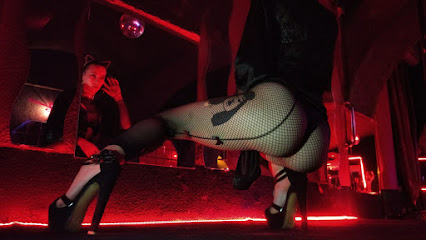
E11even Club Zagreb
0.7 km
Experience the vibrant nightlife at E11even Club Zagreb, where electrifying music and a lively atmosphere come together for an unforgettable night out.
Cartel Club Zagreb
0.7 km
Discover the electrifying nightlife of Zagreb at Cartel Club, where music and vibrant energy create unforgettable evenings.
Club Klub
0.7 km
Dive into Zagreb's nightlife at Club Klub, where electrifying music and a lively crowd create unforgettable nights out.
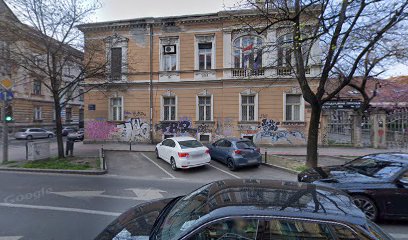
Cadillac Club
0.7 km
Discover the electrifying atmosphere of Cadillac Club, where live rock music and a vibrant nightlife await in the heart of Zagreb.
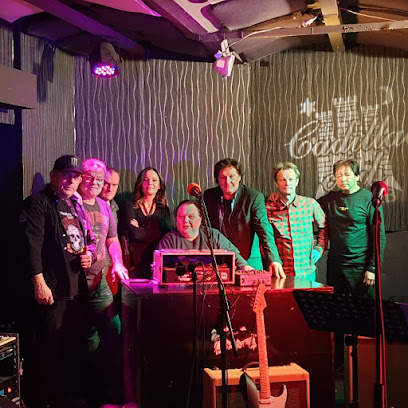
Sokol Club
0.8 km
Sokol Club: Dive into Zagreb's energetic nightlife and dance to the rhythm of the city's vibrant culture.