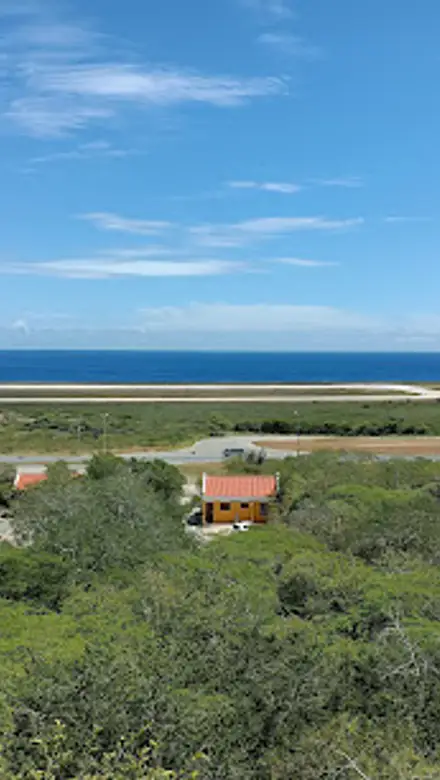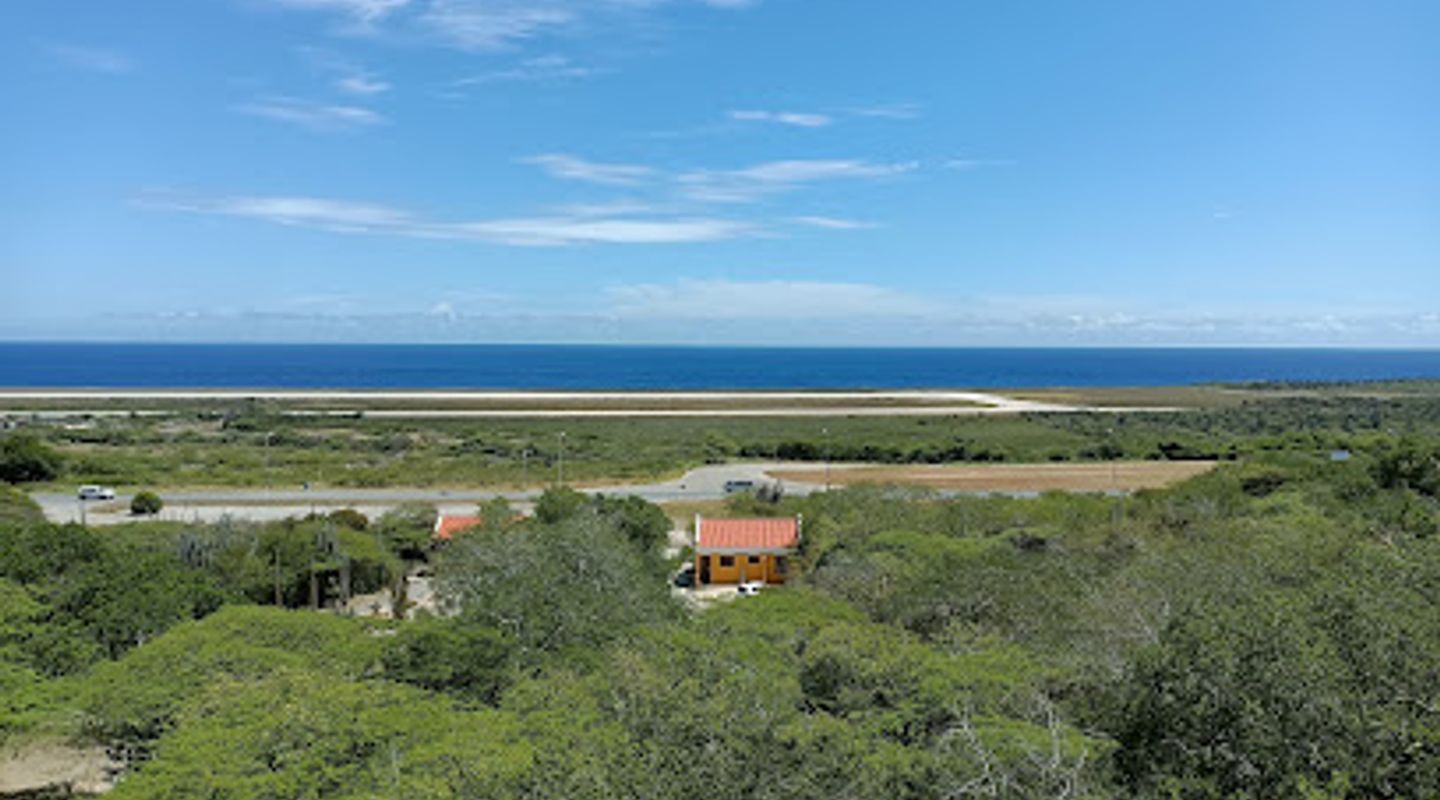
Hato Caves, Playa Santa Cruz Travel Guide
Discover Curaçao's largest caves: a journey through geological wonders, ancient art, and fascinating history. Guided tours daily!
Explore the captivating Hato Caves, Curaçao's largest and most prominent cave system, formed from marine coral limestone over millions of years. Discover ancient Indian petroglyphs, impressive stalactites and stalagmites, and a colony of long-nosed fruit bats within these historically significant caves.
A brief summary to Hato Caves
- 53J2+3Q3, Franklin D. Rooseveltweg, Willemstad, CW
- Click to display
- Click to display
- Monday 9 am-3 pm
- Tuesday 9 am-3 pm
- Wednesday 9 am-3 pm
- Thursday 9 am-3 pm
- Friday 9 am-3 pm
- Saturday 9 am-3 pm
- Sunday 9 am-3 pm

Know before you go
Hi, I'm Eve. Here are a few practical things to know before exploring Hato Caves.
- The guided tour involves climbing 49 steps to reach the cave entrance. Wear comfortable shoes.
- Tours are conducted in English, Dutch, Spanish, and Papiamento. Other languages may be available upon request.
- Bring a camera to capture the stunning formations, but note that photography may be limited to certain areas inside the caves.
- Combine your cave visit with a walk along the Indian Trail to see native flora, fauna, and Arawak petroglyphs.
Do you manage this location?
Take control to get all the benefits, like improved information, better appearance, and stronger visibility across AI-powered discovery. Learn more about listing your business on Evendo
Activate your presenceOther nearby places you may find interesting
The closest places of the same kind, if this one is not quite what you had in mind.
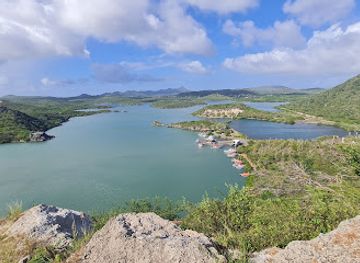
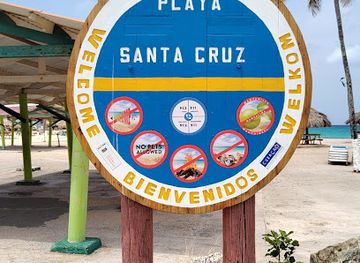

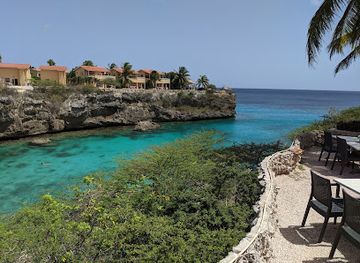
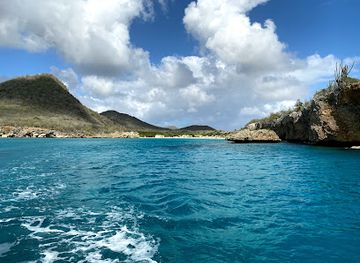
Explore Hato Caves on the Map
A handpicked selection of must-see spots near Hato Caves, mapped for you.
Unlock the Best of Hato Caves
Buy tickets
-
No tickets available
Book tours with entry


Getting There
-
Public Transport
From Willemstad, take bus 4B from the Otrobanda bus station to Hato Caves. The bus ride takes approximately 22 minutes, and buses depart every two hours. The one-way fare is about $2.
-
Taxi/Ride-Share
Taxis and ride-sharing services are readily available in Willemstad and at the cruise ship terminal. A taxi ride from Willemstad to Hato Caves typically takes around 15-20 minutes, depending on traffic. Expect to pay approximately $25 - $35 for a one-way trip.
-
Car
If driving from Willemstad, follow the Franklin D. Rooseveltweg (airport road) north. Hato Caves are clearly signposted and located approximately 10 km from the city center. Parking is available at the site. Parking is included in the entry fee.
Discover more about Hato Caves













Your all‑in‑one travel companion app
Explore expert travel guides, compare and book tours, experiences, hotels, and more—all from the palm of your hand. Download now for seamless trip planning wherever your wanderlust takes you.


Explore More of Playa Santa Cruz
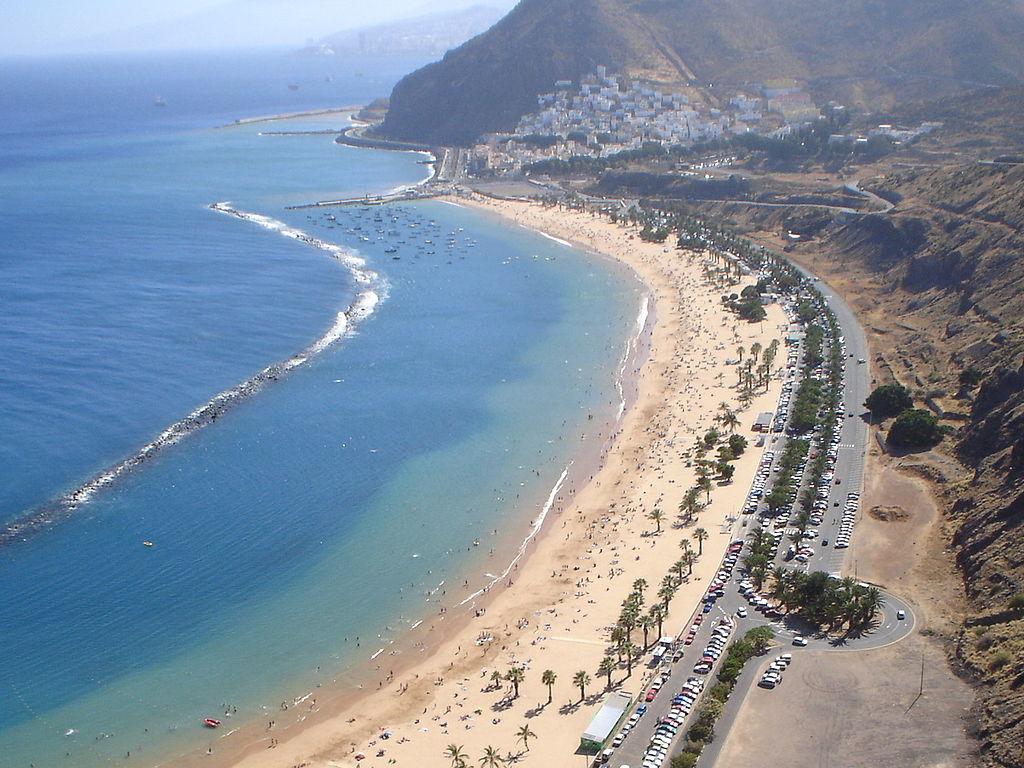
Looking beyond Hato Caves? Discover Playa Santa Cruz for broader travel guides, local hot-spots, and regional highlights.
Explore Playa Santa Cruz
Discover the vibrant flavors of Curacao at Pizza Hut Sta. Maria, where delicious pizzas meet a warm Caribbean atmosphere.
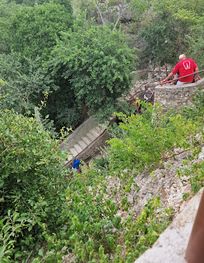
Discover ancient Indian carvings and native flora on this accessible trail near Curaçao's famous Hato Caves, a blend of history and nature.