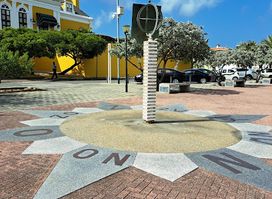
Rosa de viento Curaçao, Punda Travel Guide
Discover Rosa de Viento in Willemstad, Curaçao, a historical landmark offering a glimpse into the island's rich cultural heritage and architectural beauty within a vibrant UNESCO World Heritage setting.
Rosa de Viento, nestled in the heart of Willemstad, Curaçao, stands as a poignant reminder of the island's rich and complex history. This historical landmark, though perhaps not as widely known as some of Willemstad's more prominent attractions, offers a unique glimpse into the cultural heritage of Curaçao. Located in Punda, it allows visitors to immerse themselves in the atmosphere of one of the Caribbean's most historically rich districts. Its proximity to other key sites such as Fort Amsterdam and the Mikvé Israel-Emanuel Synagogue makes it a worthwhile stop on any walking tour of the city. While its specific history may be somewhat elusive, its presence contributes to the overall historical tapestry of Willemstad, a UNESCO World Heritage site celebrated for its well-preserved Dutch colonial architecture and vibrant cultural scene. Rosa de Viento serves as a reminder of the layers of history that have shaped this unique Caribbean island.
A brief summary to Rosa de viento Curaçao
- 4347+4XM, Willemstad, Punda, CW

Know before you go
Hi, I'm Eve. Here are a few practical things to know before exploring Rosa de viento Curaçao.
- Explore Punda on foot to fully appreciate the colorful architecture and historical atmosphere.
- Combine your visit with nearby attractions like Fort Amsterdam and the Mikvé Israel-Emanuel Synagogue.
- Visit on a Thursday night for 'Punda Vibes,' a lively street festival with music, food, and local crafts.
Do you manage this location?
Take control to get all the benefits, like improved information, better appearance, and stronger visibility across AI-powered discovery. Learn more about listing your business on Evendo
Activate your presenceOther nearby places you may find interesting
The closest places of the same kind, if this one is not quite what you had in mind.
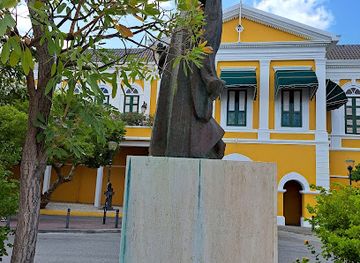
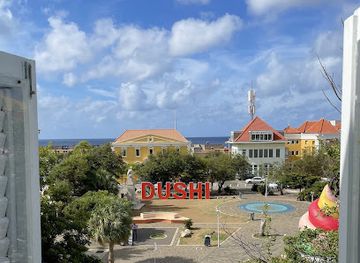
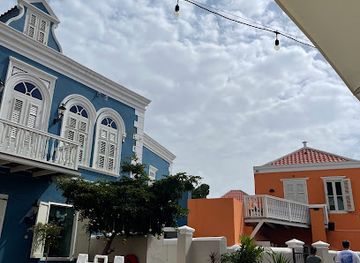
Explore Rosa de viento Curaçao on the Map
A handpicked selection of must-see spots near Rosa de viento Curaçao, mapped for you.
Getting There
-
Walking
Rosa de Viento is located in the Punda district of Willemstad, which is best explored on foot. From the Queen Emma Bridge, walk straight into Punda. The landmark is easily accessible from most points within Punda, as it is a relatively small area. Look for it along the main streets; it's near other historical buildings and shops. Walking from the bridge takes approximately 5-10 minutes, depending on your pace.
-
Public Transport
If arriving by bus from other parts of Curaçao, disembark at the bus terminal in Otrobanda, near the Queen Emma Bridge. Cross the bridge into Punda and follow the walking directions above. A single bus fare typically costs around ANG 2-3. Keep in mind that bus schedules can be infrequent.
-
Taxi/Ride-Share
Taxis and ride-sharing services are available throughout Willemstad. Ask the driver to take you to Punda, near Fort Amsterdam. From there, it's a short walk to Rosa de Viento. A short taxi ride within Willemstad typically costs ANG 25-40. Be sure to confirm the fare before starting your journey.
-
Driving
If driving, be aware that parking in Punda can be challenging, especially during peak hours. Paid parking is enforced from Monday to Saturday between 8:00 AM and 6:00 PM. The rate is set at one guilder (ANG 1) per hour, with a minimum payment for one hour. You can pay at the parking meters using coins or a prepaid parking card. Alternatively, you can download the Flowbird app to pay online using a credit card. Consider parking outside the immediate city center and walking in if parking is full. Free parking can be found further away from the city center.
Discover more about Rosa de viento Curaçao













Your all‑in‑one travel companion app
Explore expert travel guides, compare and book tours, experiences, hotels, and more—all from the palm of your hand. Download now for seamless trip planning wherever your wanderlust takes you.


Explore More of Punda
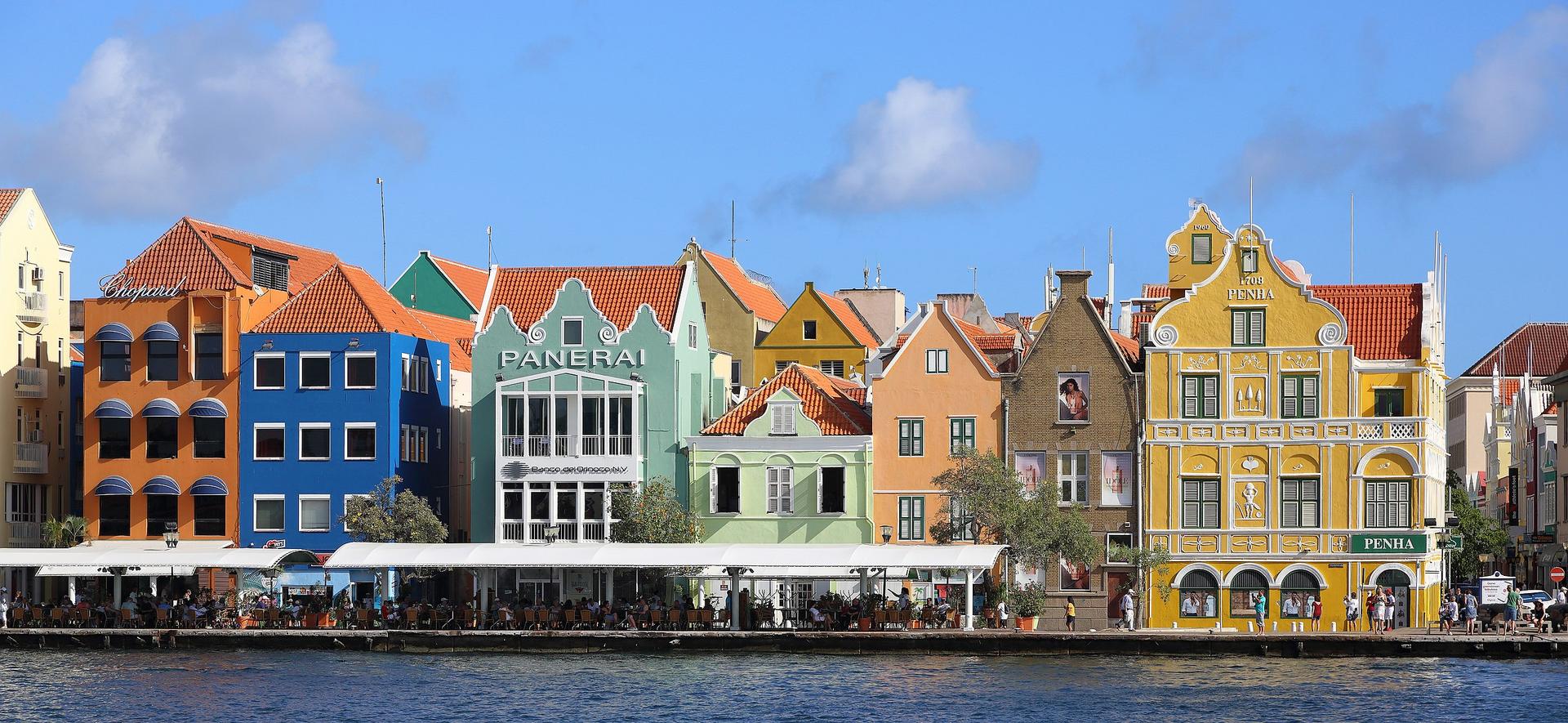
Looking beyond Rosa de viento Curaçao? Discover Punda for broader travel guides, local hot-spots, and regional highlights.
Explore Punda