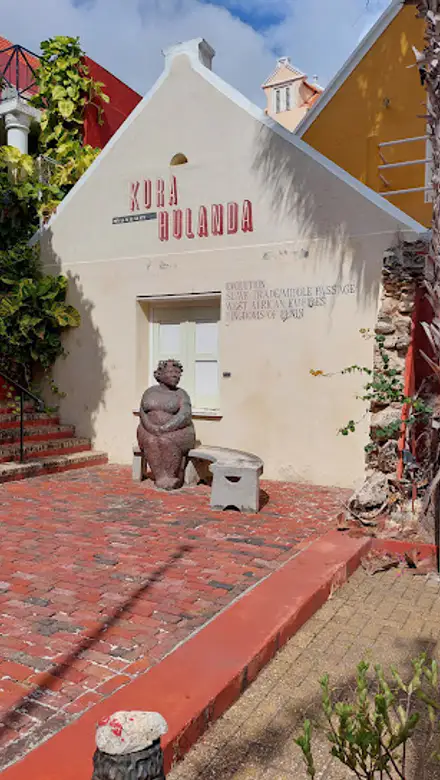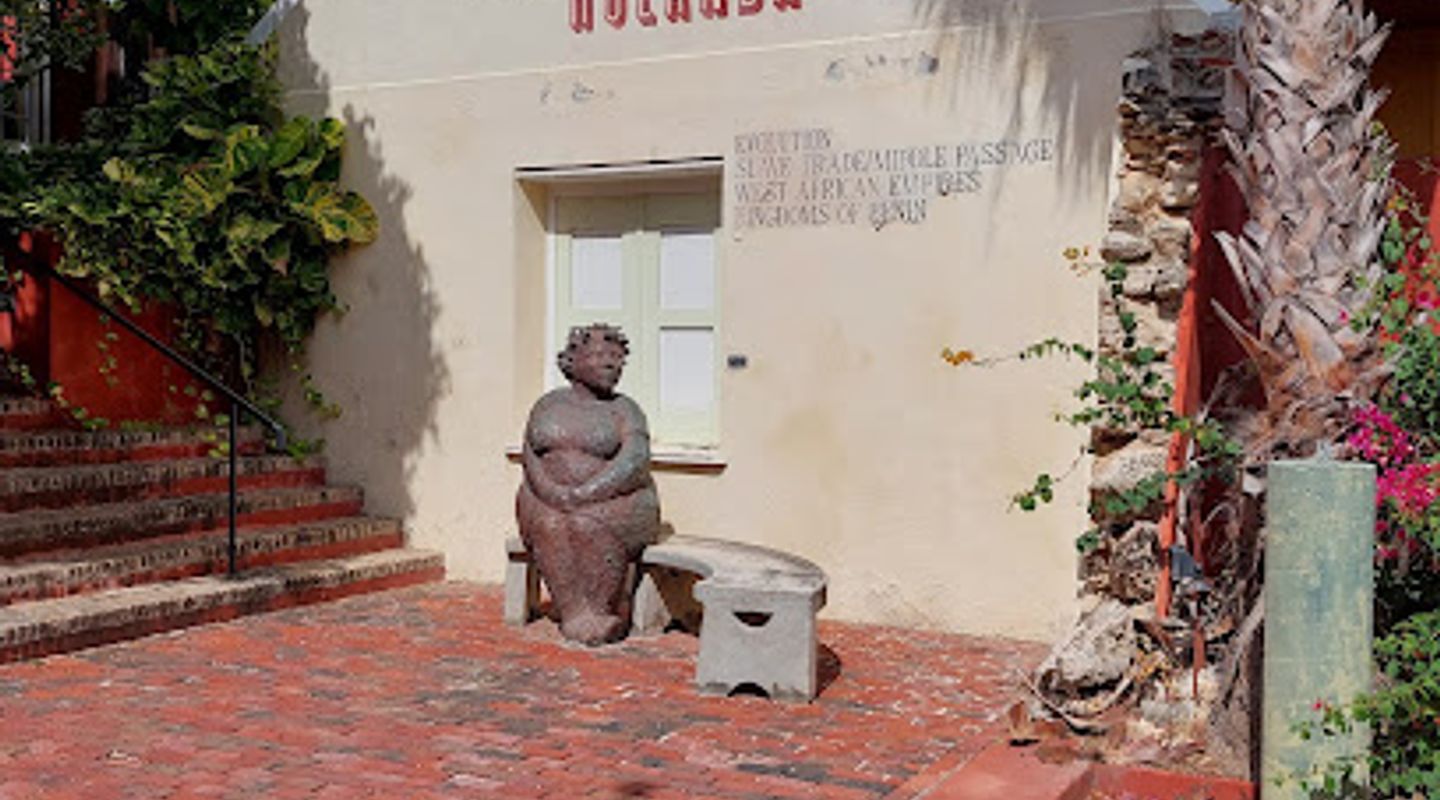
Museum Kura Hulanda, Tera Kora Travel Guide
Explore the poignant history of the Atlantic slave trade and African heritage at this immersive museum in Willemstad, Curaçao.
Museum Kurá Hulanda, located in Willemstad's Otrobanda district, is an anthropological museum focusing on the Atlantic slave trade and African history in the Caribbean. It offers a profound and informative experience, showcasing artifacts from continental Africa and exploring the cultural influences on Curaçao.
A brief summary to Museum Kura Hulanda
- 9 Klipstraat, Willemstad, Otrobanda, CW
- Click to display
- Click to display
- Monday 8 am-4 pm
- Tuesday 8 am-4 pm
- Wednesday 8 am-4 pm
- Thursday 8 am-4 pm
- Friday 8 am-4 pm
- Saturday 8 am-4 pm
- Sunday 9 am-2 pm

Know before you go
Hi, I'm Eve. Here are a few practical things to know before exploring Museum Kura Hulanda.
- Allocate at least 3 hours to fully explore the museum's extensive collection and exhibits.
- Consider booking a guided tour in Dutch or English for deeper insights and historical context.
- Check the museum's operating hours, as it is closed on official holidays.
- The museum is wheelchair and stroller accessible.
Do you manage this location?
Take control to get all the benefits, like improved information, better appearance, and stronger visibility across AI-powered discovery. Learn more about listing your business on Evendo
Activate your presenceOther nearby places you may find interesting
The closest places of the same kind, if this one is not quite what you had in mind.
Explore Museum Kura Hulanda on the Map
A handpicked selection of must-see spots near Museum Kura Hulanda, mapped for you.
Unlock the Best of Museum Kura Hulanda
Buy tickets
-
No tickets available
Book tours with entry


Book tours without entry

Getting There
-
Walking
Museum Kurá Hulanda is located in the Otrobanda district of Willemstad, making it easily accessible on foot from many nearby hotels and attractions. From the Queen Emma Pontoon Bridge, walk west along the waterfront. Klipstraat will be on your left. The museum will be on the left at Klipstraat 9. Allow approximately 10-15 minutes to walk from the bridge to the museum. No costs involved.
-
Public Transport
The main bus station in Otrobanda is located near the Otrobanda Viaduct. From the bus station, walk southwest to the museum on Klipstraat. Bus lines 4B goes to Otrobanda. A single bus fare is ANG 1.70. Ensure you have exact change, as bus drivers may not be able to provide it.
-
Taxi
Taxis are readily available in Willemstad and can take you directly to Museum Kurá Hulanda at 9 Klipstraat. A short taxi ride from the Punda area to Otrobanda will cost approximately ANG 25-30. Confirm the fare with the driver before starting your journey. Tipping is expected (about 10%).
-
Driving
If driving, paid parking is available in Otrobanda. Parking costs 1 Cg per hour from Monday to Saturday, between 8 AM and 6 PM. You can pay at parking meters using coins or the Flowbird app. The Renaissance Parking lot is free. From the parking lot it is a short walk to the museum.
Discover more about Museum Kura Hulanda













Your all‑in‑one travel companion app
Explore expert travel guides, compare and book tours, experiences, hotels, and more—all from the palm of your hand. Download now for seamless trip planning wherever your wanderlust takes you.


Explore More of Tera Kora
Looking beyond Museum Kura Hulanda? Discover Tera Kora for broader travel guides, local hot-spots, and regional highlights.
Explore Tera Kora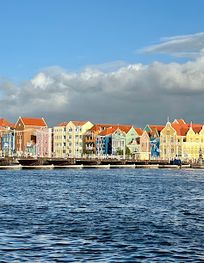
Discover the enchanting Queen Emma Bridge in Willemstad, a floating landmark that connects cultures and offers breathtaking views of Curaçao's vibrant waterfront.
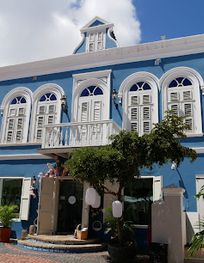
Step back in time at Kura Hulanda Village, a UNESCO site in Curaçao, and immerse yourself in the island's rich history and vibrant culture.