

Free Tera Kòrá Travel Guide & Mobile App
Explore Tera Kòrá with free travel guides. Discover regional history, expert tips, proposed trips, and audio guides on web or mobile app.


Tera Kòrá offers a quiet base for exploring Curaçao’s red-earth countryside, plantation heritage, dry landscapes and western coastal roads.
Read more about Tera Kòrá
When is the best time to visit Tera Kòrá?
Best: January–March · 29°C| Month | High (°C) | Rainfall (mm) |
|---|---|---|
| January (best) | 29 | 20 |
| February (best) | 29 | 20 |
| March (best) | 29 | 20 |
| April | 30 | 25 |
| May | 31 | 30 |
| June | 31 | 35 |
| July | 31 | 40 |
| August | 31 | 45 |
| September | 31 | 50 |
| October | 31 | 55 |
| November | 31 | 60 |
| December | 30 | 65 |
Getting to and around Tera Kòrá
How to get there
Transportation
Best attractions in Tera Kòrá
Tera Kòrá’s attractions are primarily landscape-based and work best as part of a western Curaçao road itinerary. The settlement provides access to the dry inland scenery of Banda Abou, where cactus scrub, reddish soil, low hills, old agricultural boundaries and scattered plantation properties reveal the island’s rural history. Nearby villages add churches, local community life and historic landhuizen, the former plantation houses that are among Curaçao’s most distinctive heritage features. The western road network also leads towards coastal viewpoints, swimming bays and protected natural areas, though these lie outside Tera Kòrá proper and should be treated as neighbouring excursions. Birdwatching, landscape photography and short exploratory walks are rewarding in the cooler parts of the day, while longer outdoor activities require careful preparation for heat and limited shade. Visitors interested in Indigenous archaeology, slavery and plantation history will find that the countryside is best understood through several places rather than one museum complex. Tera Kòrá itself is therefore less a conventional attraction centre than a practical rural setting from which to interpret the wider cultural and environmental character of western Curaçao.
-
Tourist attraction
Kokomo Beach
Discover Kokomo Beach in Curaçao: Turquoise waters, soft sands, vibrant marine life, and a lively beachside atmosphere create the perfect Caribbean escape.
-
Tourist attraction
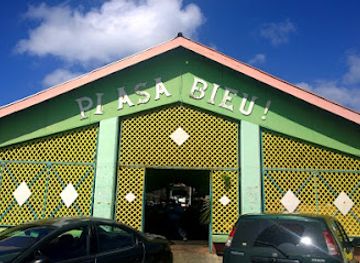
Old Market
Experience Curaçao's vibrant culinary heritage at Plasa Bieu, Willemstad's historic Old Market, offering authentic local dishes and a lively atmosphere for an unforgettable taste of the island.
-
Bird watching area
Flamingos
Discover Curaçao's vibrant Flamingo Sanctuary in Jan Kok: witness stunning pink flamingos in their natural salt pan habitat, a haven for birdwatchers and nature lovers.
-
Plaza
Brión Square
Experience the vibrant culture and history of Curaçao at Brión Square, a lively plaza in Willemstad offering colorful architecture, local crafts, and a taste of Caribbean life.



Best landmarks in Tera Kòrá
Tera Kòrá’s principal landmarks are the visual features of a dry western landscape rather than monumental urban architecture. The settlement’s name itself points to the red-toned earth that appears among limestone, scrub and cactus vegetation, while the surrounding roads preserve the dispersed pattern of Banda Abou’s rural communities. Historic landhuizen in the wider western district are important reminders of plantation agriculture, colonial landholding and the labour of enslaved Africans and later rural communities; individual properties should be checked locally because they are outside Tera Kòrá’s immediate centre. Small churches and village buildings provide a contrasting record of Catholic and community life. Further west, limestone terraces and rugged coastal formations become the dominant natural landmarks, but they belong to neighbouring coastal areas rather than to Tera Kòrá proper. Together, these elements make the area significant as a cultural landscape: its value lies in the relationship between settlement, former agriculture, dry ecology and the roads connecting inland Curaçao with the coast.
-
Bridge
Queen Emma Bridge
Experience the beauty and history of Willemstad at the iconic Queen Emma Bridge, a vital link between Punda and Otrobanda with stunning views.
-
Shopping mall
Renaissance Mall & Rif Fort
Experience the best of Curaçao's history and modern luxury at Renaissance Mall & Rif Fort, offering unique shopping, dining, and cultural experiences.
-
Beach pavillion
Cas Abao Beach
Experience the breathtaking beauty of Cas Abao Beach, a Caribbean paradise with crystal-clear waters and vibrant marine life, perfect for relaxation and adventure.
-
Cruise terminal
Curaçao Cruise Terminal
Experience Curaçao's vibrant culture and beauty from the moment you step off the ship at the bustling Curaçao Cruise Terminal in Willemstad.


Explore Tera Kòrá on the map
Plan your trip on one map. See where the top cities, national parks and sights are, and book hotels and experiences in a few clicks.
Best hotels in Tera Kòrá
Best restaurants in Tera Kòrá
Dining in Tera Kòrá is modest and local in character, with the widest choice generally found in larger neighbouring settlements or on routes towards Willemstad. Visitors should look for Curaçaoan staples such as keshi yena, a baked cheese dish filled with seasoned meat or other savoury ingredients; funchi, a maize-based accompaniment; stews; fried snacks; and fresh fish where available. Papiamentu culinary culture reflects African, European, Latin American and Caribbean influences, while roadside food stalls and simple eateries can offer a more informal alternative to hotel dining. Western Curaçao is also associated with agricultural produce such as aloe and sorghum, although availability varies by season and establishment. Provisioning at a supermarket before exploring the countryside is sensible, particularly for breakfast, drinking water and picnic food. Restaurants near coastal and plantation areas may operate on limited or changing schedules, so confirm arrangements rather than assuming a venue will be open late.
-
Restaurant
Cas Abao Beach
Discover tranquility at Cas Abao Beach - where turquoise waters meet soft sands in beautiful Curaçao.
-
Restaurant
Zanzibar Beach & Restaurant
Experience culinary delights and stunning ocean views at Zanzibar Beach & Restaurant in Curaçao - your tropical paradise awaits.
-
 Restaurant
Blue Bay Curaçao Golf & Beach Resort
Discover unparalleled luxury at Blue Bay Curaçao Golf & Beach Resort - where stunning beaches meet exceptional dining and adventure.
-
Restaurant
Pirate Bay Curaçao Beach Club and Restaurant
Experience sun-soaked bliss at Pirate Bay Curaçao Beach Club - your ultimate destination for food, fun, and breathtaking views.


Best bars in Tera Kòrá
Nightlife in Tera Kòrá is quiet and community-oriented rather than centred on clubs. Evening options are more likely to include a local bar, a casual restaurant, music at a community venue or a relaxed drink at accommodation than a dedicated late-night entertainment district. The larger concentration of bars, live music and clubs is in and around Willemstad, which is outside Tera Kòrá and requires a planned return journey. Western Curaçao’s coastal areas can have a more social atmosphere at particular venues or during local events, but these offerings are seasonal and subject to change. Visitors staying in Tera Kòrá should arrange transport before drinking, avoid assuming that rural roads are well lit and treat the area’s quiet evenings as part of its residential character rather than expecting a major nightlife scene.
-
Bar
Pirate Bay Curaçao Beach Club and Restaurant
Discover Pirate Bay Curaçao, where sun-soaked beaches meet delicious Caribbean cuisine in a vibrant atmosphere.
-
Restaurant
Karakter Beach - Lounge - Restaurant
Discover the culinary delights and stunning views of Karakter Beach - Lounge - Restaurant in beautiful Curaçao, a perfect blend of relaxation and flavor.
-
Restaurant
Eetcafé De Buurvrouw
Discover the authentic tastes of Curaçao at Eetcafé De Buurvrouw, where local flavors meet a vibrant dining atmosphere.
-
Bar
Wet & Wild Beach Club
Experience the vibrant vibes of Wet & Wild Beach Club, the go-to bar in Willemstad, Curaçao, for cocktails, beach lounging, and unforgettable sunsets.


Best nightclubs in Tera Kòrá
Nightlife in Tera Kòrá is quiet and community-oriented rather than centred on clubs. Evening options are more likely to include a local bar, a casual restaurant, music at a community venue or a relaxed drink at accommodation than a dedicated late-night entertainment district. The larger concentration of bars, live music and clubs is in and around Willemstad, which is outside Tera Kòrá and requires a planned return journey. Western Curaçao’s coastal areas can have a more social atmosphere at particular venues or during local events, but these offerings are seasonal and subject to change. Visitors staying in Tera Kòrá should arrange transport before drinking, avoid assuming that rural roads are well lit and treat the area’s quiet evenings as part of its residential character rather than expecting a major nightlife scene.
-
Bar
Wet & Wild Beach Club
Discover the ultimate beach experience at Wet & Wild Beach Club in Curaçao, where relaxation meets vibrant nightlife and thrilling water activities.
-
Night club
Sauc'é Curaçao Bar
Dive into a vibrant nightlife experience at Sauc'é Curaçao Bar, where cocktails and music create unforgettable moments in Salinja.
-
Night club
Cafe De Tijd
Experience the heartbeat of Willemstad's nightlife at Cafe De Tijd, a lively night club offering music, dance, and unforgettable moments.
-
Bar
Club mulata
Discover the vibrant nightlife at Club Mulata, a lively bar in Willemstad, Curaçao, perfect for cocktails, dancing, and unforgettable experiences.


Best shops in Tera Kòrá
Shopping in Tera Kòrá is mainly practical and local, with small shops and everyday services rather than a concentrated retail district. Visitors looking for a wider choice of groceries, pharmacy items, crafts or gifts will generally need to use larger settlements or Willemstad, outside the village. Useful regional purchases include Curaçaoan snacks, local sauces, aloe-based products, artwork, handmade jewellery and small objects inspired by the island’s cactus and maritime landscapes. Markets and informal sellers may offer fruit, baked goods or prepared food, but availability and trading days can vary, so they should not be treated as fixed daily attractions. Supermarkets are the most dependable places to stock up before exploring Banda Abou, especially on water and picnic supplies. For distinctive craft shopping, galleries and specialist food products, plan time in Willemstad while keeping in mind that these purchases represent Curaçao as a whole rather than Tera Kòrá alone.
-
Shopping mall
Renaissance Mall & Rif Fort
Discover a unique blend of shopping, dining, and cultural experiences at Renaissance Mall & Rif Fort in vibrant Willemstad, Curaçao.
-
Shopping mall
Mambo Beach Boulevard
Discover Mambo Beach Boulevard in Curaçao: a premier shopping and dining destination offering vibrant nightlife and stunning ocean views.
-
Shopping mall
Sambil Curacao
Explore Sambil Curacao: A premier shopping mall with diverse shops, delicious dining, and exciting entertainment in the heart of Willemstad.
-
Shopping mall
Zuikertuin Mall
Explore a modern shopping paradise in Willemstad, offering a wide array of shops, dining options, and a vibrant atmosphere for tourists and locals alike.


Get your free copy of our complete guide to Tera Kòrá, delivered straight to you.
Everything on this page, from attractions and restaurants to essentials and local phrases, in one PDF you can read offline, print or share.
Already have an account? Sign in
Your Tera Kòrá guide is ready.
We'll send it to · Not you? Sign out

Getting your guide ready…
We are putting together a fresh copy of the Tera Kòrá guide. This can take up to a minute.
This can take a few moments. If your browser asks, choose Allow so the download can start. You'll find the guide in your Downloads folder.
Nothing happened? Download it again
Sorry, the guide is taking longer than usual. Please try again in a minute, or get it by email instead.
Tera Kòrá essentials
Currency and Payment
Safety
Emergency Situations
Do's and Don'ts
Local Tips
From Eve
Local phrases worth knowing
You don't need to get them perfect. A few words go a long way, and locals appreciate the effort.
Basics
| English | Local | Say it |
|---|---|---|
| Hello | Halo | [ha-lo] |
| Goodbye | Ayo | [ah-yo] |
| Yes | Sí | [see] |
| No | No | [no] |
| Please/You’re welcome | Por fabor | [por fa-bor] |
| Thank you | Danki | [dan-kee] |
| Excuse me/Sorry | Disculpa | [dis-kool-pa] |
| How are you? | Kon ta? | [kon ta] |
| Fine. And you? | Bene. I ta? | [be-ne. ee ta] |
| Do you speak English? | Bo ta papia Ingles? | [bo ta pa-pee-a in-gles] |
| I don't understand | Mi no ta komprondé | [mee no ta kom-pron-day] |
Eating & Drinking
| English | Local | Say it |
|---|---|---|
| I’d like to see the menu, please | Mi ke mira e menu, por fabor | [mee keh mee-ra eh men-u, por fa-bor] |
| I don’t eat meat | Mi no ta kome mes | [mee no ta ko-meh mes] |
| Cheers! | Saluti! | [sa-loo-tee] |
| I would like to pay, please | Mi ke paga, por fabor | [mee keh pa-ga, por fa-bor] |
Emergencies
| English | Local | Say it |
|---|---|---|
| Help! | Yuda! | [yu-da] |
| Go away! | Hala for di! | [ha-la for dee] |
| Call the Police! | Llama e Policía! | [ya-ma eh po-li-si-a] |
| Call a doctor! | Llama un doctor! | [ya-ma un doc-tor] |
| I’m lost | Mi ta perdo | [mee ta per-do] |
| I’m ill | Mi ta mal | [mee ta mal] |
Shopping
| English | Local | Say it |
|---|---|---|
| I’d like to buy... | Mi ke compra... | [mee keh kom-pra] |
| I’m just looking | Mi ta solamente mirando | [mee ta so-la-men-te mi-ran-do] |
| How much is it? | Kantó ta e? | [kan-to ta eh] |
| That’s too expensive | Es ta demasado caro | [es ta de-ma-sa-do ka-ro] |
| Can you lower the price? | Bo por baja e precio? | [bo por ba-ha eh pre-syo] |
Time & Numbers
| English | Local | Say it |
|---|---|---|
| What time is it? | Kiko ora ta? | [kee-ko o-ra ta] |
| It’s one o’clock | Ta un ora | [ta un o-ra] |
| Half past (10) | Medio pas (10) | [me-dio pas (10)] |
| Morning | Mañan | [ma-nyan] |
| Afternoon | Tarde | [tar-de] |
| Evening | Tardes | [tar-des] |
| Yesterday | Ayer | [a-yer] |
| Today | Hoya | [ho-ya] |
| Tomorrow | Mañana | [ma-nyana] |
| 1 | Un | [un] |
| 2 | Dos | [dos] |
| 3 | Tres | [tres] |
| 4 | Cuatro | [kwa-tro] |
| 5 | Cinco | [sin-co] |
| 6 | Seis | [says] |
| 7 | Siete | [see-eh-te] |
| 8 | Ocho | [o-cho] |
| 9 | Nueve | [nwe-ve] |
| 10 | Diez | [dyez] |
Transport & Directions
| English | Local | Say it |
|---|---|---|
| Where's a/the...? | Unda ta un/ e...? | [un-da ta un/ eh] |
| What's the address? | Kiko ta e direccion? | [kee-ko ta eh di-rek-syon] |
| Can you show me (on the map)? | Bo por mustra mi (riba e mapa)? | [bo por mus-tra mee (ree-ba eh ma-pa)] |
| When's the next (bus)? | Kando ta e proximo (bus)? | [kan-do ta eh pro-xi-mo (bus)] |
| A ticket (to ....) | Un billete (pa....) | [un bee-ye-te (pa)] |
History of Tera Kòrá
Indigenous Curaçao before European colonisation
Before European rule, Curaçao was inhabited by Indigenous communities connected to the wider Caribbean and northern South American world. Archaeological evidence across the island records settlement, ceramics, shell use and spiritual practices, although the surviving historical record is uneven. The dry interior around present-day Tera Kòrá would have been shaped by seasonal water sources, native vegetation and movement between the coast and inland areas. Indigenous knowledge of the island’s landscape remained part of the deeper human history later overwritten by colonial settlement and plantation development.
Spanish and Dutch colonial rule
Spain claimed Curaçao in the early sixteenth century, but the island became Dutch in 1634 when the Dutch West India Company took control. Curaçao’s harbour and position near the Venezuelan coast made it valuable for shipping, trade and regional administration. Dutch authority introduced new landholding patterns and linked the island more closely to Atlantic commercial networks. The western countryside, including the area that later became associated with Tera Kòrá, developed within this broader colonial system rather than as an isolated inland community.
Plantations and rural settlement
From the seventeenth century onwards, Curaçao’s countryside was divided into plantations and smaller agricultural properties. The island’s arid climate limited large-scale crop production, but estates cultivated crops such as sorghum, maize and aloe, and also kept livestock. Enslaved Africans formed the labour force under Dutch colonial rule, while free communities and plantation workers created enduring cultural traditions in the western districts. Tera Kòrá’s present-day rural setting, with dry soils, cacti and scattered historic properties, reflects this long agricultural history even where plantation economies have disappeared.
Abolition and the transformation of rural Curaçao
Slavery was abolished in Curaçao in 1863, a major legal change that reshaped labour and landholding across the island. Formerly enslaved people often remained economically connected to plantations under difficult conditions, while others established or strengthened communities in the countryside. Agriculture became increasingly supplementary, and households combined small-scale cultivation, animal keeping, wage labour and trading. The dispersed nature of western settlement, including villages around Tera Kòrá, is partly connected to these post-emancipation patterns and to the gradual reorganisation of rural life.
Oil, migration and modern Curaçao
The opening of the large oil refinery at Schottegat in the early twentieth century transformed Curaçao’s economy and drew workers from elsewhere in the Caribbean, Latin America and beyond. Willemstad and the eastern part of the island experienced the most direct industrial growth, while western settlements retained a more rural character. Roads, public services and changing employment patterns nevertheless connected Tera Kòrá more closely to the island’s urban economy. Curaçao’s multilingual society and cultural variety were reinforced by these movements of people.
Autonomy within the Kingdom of the Netherlands
Curaçao was part of the Netherlands Antilles until that federation was dissolved in 2010. Since then, Curaçao has been a constituent country within the Kingdom of the Netherlands, responsible for many of its own internal affairs while sharing certain kingdom-level responsibilities. This constitutional position applies equally to Tera Kòrá and helps explain the island’s combination of local political institutions, Dutch legal connections, Caribbean society and Papiamentu cultural identity. Contemporary western Curaçao balances residential life, tourism and the preservation of rural landscapes.
Tera Kòrá in Photos
Browse through our photo collection highlighting the charm and character of the destination.
Neighbouring regions of Tera Kòrá
The closest regions to Tera Kòrá, if you have time for more than one.
-
 Band'abou
, Curaçao’s western district, combines reef-fringed beaches, national parks, plantation history, hiking and quiet village life.
-

-

-

-


Swipe for more regions
Explore more

Explore more of Curacao
Discover Curacao, where vibrant culture, stunning beaches, and historic charm come together to create a Caribbean paradise like no other.
Explore Curacao