Background

The Floating Market: A Taste of Venezuela in Curaçao

Experience the vibrant Floating Market in Willemstad, Curaçao: a colorful hub of Venezuelan trade, offering fresh produce, local crafts, and a unique cultural immersion along the waterfront.

4

The Floating Market in Willemstad, Curaçao, is a vibrant and bustling hub where Venezuelan vendors bring their goods by boat to sell fresh produce and local crafts. Located along the Sha Caprileskade in the Punda district, it offers a unique cultural experience and a glimpse into the historical trade connections between Curaçao and Venezuela. The market is a colorful spectacle, with boats laden with fruits, vegetables, and other goods creating a lively atmosphere. Visitors can sample exotic fruits, haggle for souvenirs, and soak in the vibrant community vibe. Despite its name, the market is not actually floating; the vendors dock their boats along the waterfront, transforming the quay into a bustling marketplace. Open daily, it's a must-see for anyone visiting Willemstad, offering a sensory experience that encapsulates the island's past and present.

A brief summary to Floating Market

  • 19 Sha Caprileskade, Willemstad, Punda, CW
  • Monday 6 am-7 pm
  • Tuesday 6 am-7 pm
  • Wednesday 6 am-7 pm
  • Thursday 6 am-7 pm
  • Friday 6 am-7 pm
  • Saturday 6 am-7 pm
  • Sunday 6 am-7 pm

Local tips

  • Visit early in the morning (around 7-9 AM) for the freshest produce and a less crowded experience.
  • Bring cash in local currency (Netherlands Antillean Guilder or ANG) for easier transactions with vendors.
  • Don't be afraid to haggle politely for better prices, especially when buying multiple items.
  • Sample local snacks like arepas or empanadas from the food stalls for an authentic taste of Curaçaoan cuisine.
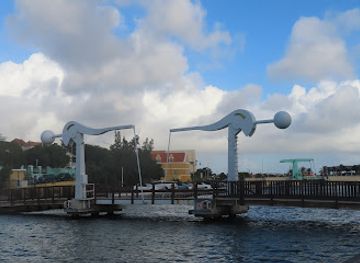
  • Combine your visit with a stroll through the colorful streets of Punda and explore other nearby attractions like the Queen Emma Bridge.
widget icon

Getting There

  • Walking

    If you are in the Punda district, the Floating Market is easily accessible on foot. From the Queen Emma Bridge, walk east along the Sha Caprileskade waterfront. The market is located directly along the water, identifiable by the colorful boats and stalls. The walk from the bridge is approximately 5-10 minutes.

  • Public Transport

    Local buses frequently serve the Punda area. Disembark at a bus stop near the city center or Queen Emma Bridge. From there, walk towards the waterfront along Sha Caprileskade to reach the Floating Market. A single bus fare within Willemstad is around ANG 1.50 - ANG 2.

  • Taxi/Ride-Share

    Taxis are readily available in Willemstad. Simply ask the driver to take you to the Floating Market on Sha Caprileskade in Punda. A short taxi ride from other parts of Willemstad should cost approximately ANG 25-40, depending on the distance and traffic.

  • Driving

    If driving, navigate to the Punda district. Parking is available in the area, but it can be limited and may require payment. Parking costs 1 ANG per hour from Monday to Saturday, between 8 AM and 6 PM. You can pay at parking meters using coins or the Flowbird app. From the parking area, walk towards the waterfront to find the Floating Market.

Unlock the Best of Floating Market

Buy tickets

    No tickets available

Book tours with entry

    No tours available

Book tours without entry

    No tours available

Discover more about Floating Market

The Floating Market, or *Marshe di Bapor* as it's known locally, is one of Willemstad's most iconic attractions, a vibrant testament to the enduring trade ties between Curaçao and Venezuela. For decades, small wooden boats laden with fresh produce have sailed the short distance from the Venezuelan coast to Curaçao, transforming the Sha Caprileskade into a bustling marketplace of exotic sights, sounds, and smells. Though called the Floating Market, the boats are actually docked along the waterfront, creating a continuous line of vendors selling their wares directly from their vessels. This tradition began generations ago, as Curaçao's arid climate made it difficult to grow a wide variety of fruits and vegetables. Venezuelan merchants recognized the opportunity to supply the island with fresh produce, establishing a mutually beneficial trade that continues to this day. Walking along the quay, you'll be greeted by a kaleidoscope of colors. Brightly painted boats overflow with mangoes, papayas, plantains, avocados, and a host of other tropical fruits and vegetables. The air is thick with the sweet scent of ripe produce, mingled with the salty tang of the sea. Vendors call out to passersby, offering samples and inviting them to browse their selection. The Floating Market is more than just a place to buy groceries; it's a cultural experience. The vendors, many of whom have been coming to Curaçao for years, are a friendly and welcoming bunch. They're happy to chat about their produce, share recipes, and offer a glimpse into their lives. Bargaining is common, so don't be afraid to haggle for a good price. Beyond the produce, you'll also find vendors selling handicrafts, clothing, and souvenirs. This is a great place to pick up unique gifts and mementos of your trip. Be sure to sample some of the local snacks and delicacies on offer, such as *arepas* (corn cakes) and *empanadas* (savory pastries). The best time to visit the Floating Market is in the early morning, when the vendors are setting up their stalls and the produce is at its freshest. The market is open daily, but it's busiest on weekdays. Weekends tend to be a bit quieter, but there's still plenty to see and do. While the market has faced challenges in recent years, including political instability in Venezuela and increased competition from supermarkets, it remains an important part of Willemstad's cultural heritage. Efforts are underway to preserve and revitalize the market, ensuring that it continues to thrive for generations to come. A visit to the Floating Market is a sensory feast, a chance to connect with local culture, and a reminder of the enduring ties between Curaçao and its neighbors. It's an experience that will stay with you long after you've left the island. Beyond the immediate vicinity of the Floating Market, the Punda district of Willemstad offers a wealth of attractions. The colorful Dutch colonial architecture, a UNESCO World Heritage site, is a sight to behold. Wander through the streets, admiring the pastel-colored buildings with their ornate gables and balconies. Visit the Mikvé Israel-Emanuel Synagogue, the oldest continuously operating synagogue in the Western Hemisphere. Explore Fort Amsterdam, a historic fortress that now houses government offices. Browse the shops and boutiques along Heerenstraat and Breedestraat, where you'll find everything from designer clothing to local crafts. For a taste of local cuisine, head to the nearby Plasa Bieu, a traditional food market where you can sample authentic Curaçaoan dishes. And don't miss the Queen Emma Bridge, a floating pontoon bridge that connects Punda with the Otrobanda district. The Floating Market is easily accessible from anywhere in Willemstad. It's a short walk from most hotels and guesthouses, and there are plenty of taxis and buses available. Parking can be a challenge in the area, so it's best to arrive on foot or by public transport. The Floating Market is more than just a tourist attraction; it's a living, breathing part of Willemstad's identity. It's a place where cultures meet, where traditions are preserved, and where visitors can experience the true spirit of Curaçao.

Popular Experiences near Floating Market

Popular Hotels near Floating Market

Select Currency