Landhuis Ascencion, Band Abou Travel Guide
Discover Curaçao's colonial past at Landhuis Ascencion, a beautifully restored plantation house offering a glimpse into the island's history, culture, and natural beauty near Barber.
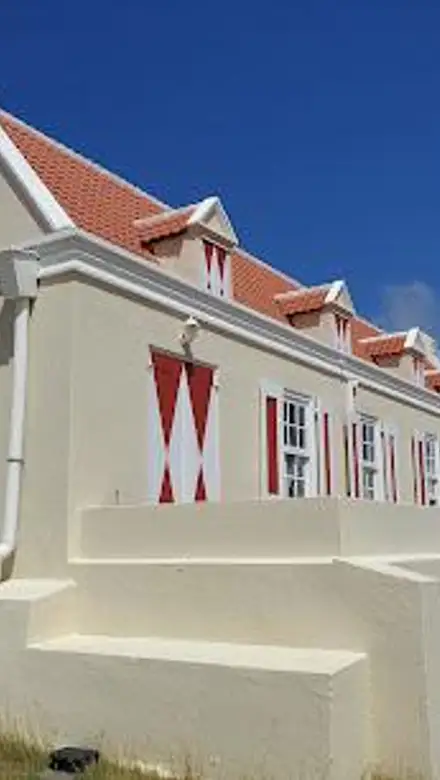
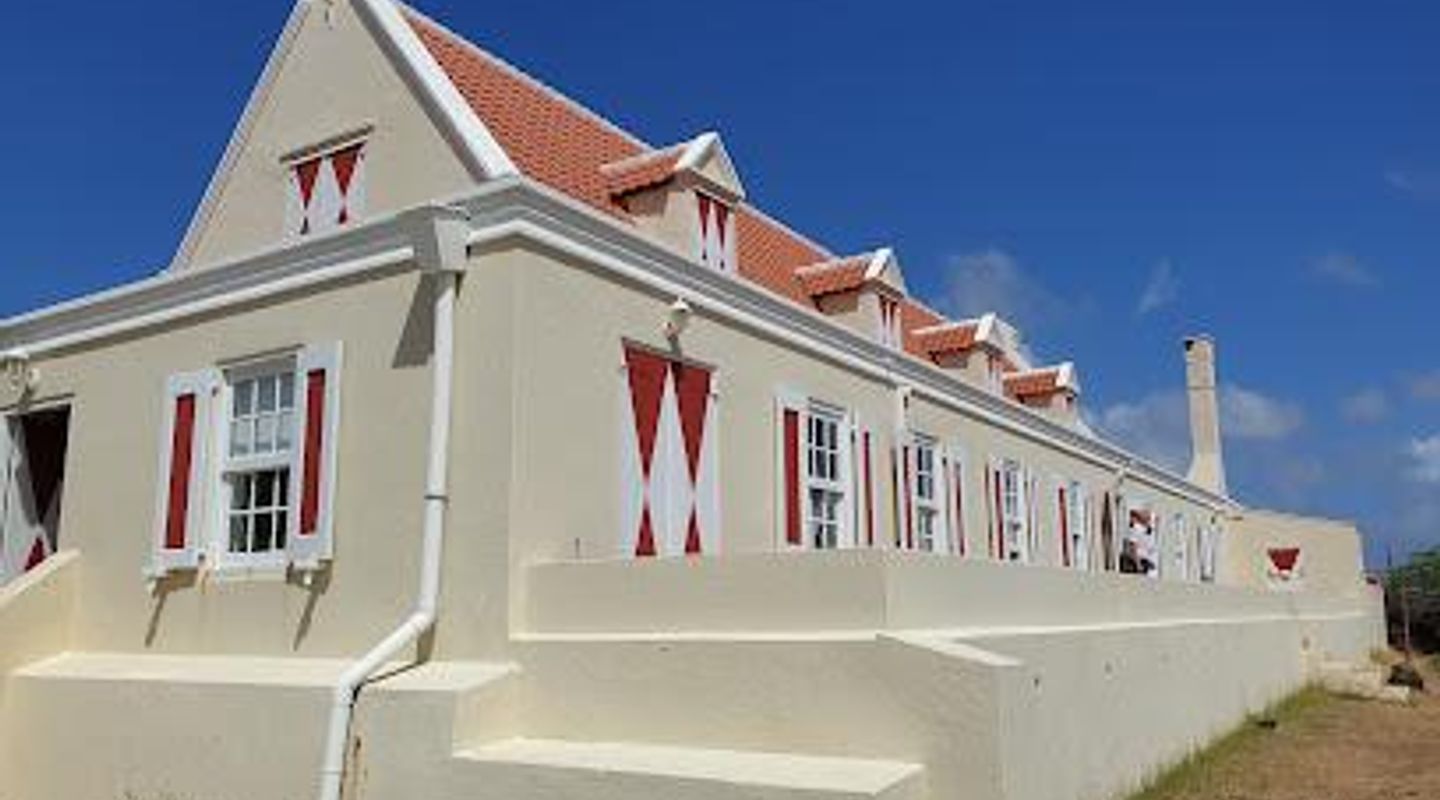
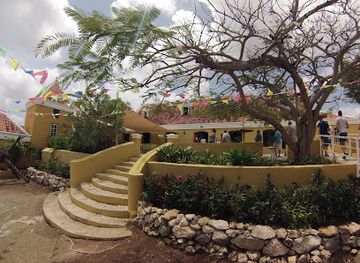
Landhuis Ascencion, a beautifully restored plantation house near Barber, Curaçao, offers a captivating glimpse into the island's colonial history. Dating back to 1672, this historic landmark showcases Dutch colonial architecture and once served as a strategic lookout point. Today, it functions as a museum and cultural center, hosting art exhibitions, workshops, and events. Visitors can explore the meticulously preserved rooms, wander through the serene gardens, and learn about the lives of plantation owners and enslaved people. Open house events on the first Sunday of each month feature local art, music, and dance, providing an immersive cultural experience. With its rich history and tranquil atmosphere, Landhuis Ascencion is a must-visit destination for those seeking to connect with Curaçao's heritage.
A brief summary to Landhuis Ascencion
- 7WFQ+59G, Weg Naar Westpunt, Barber, CW
- Click to display
- Click to display

Know before you go
Hi, I'm Eve. Here are a few practical things to know before exploring Landhuis Ascencion.
- Visit on the first Sunday of the month for the open house, featuring local art, music, and food.
- Take the guided tour on Thursday morning for an in-depth understanding of the landhuis's history.
- Explore the gardens surrounding the landhuis for a peaceful retreat and stunning views.
- Check the schedule for special events and workshops, offering unique cultural experiences.
- Combine your visit with a trip to nearby attractions like Shete Boka National Park or Christoffel National Park.
Do you manage this location?
Take control to get all the benefits, like improved information, better appearance, and stronger visibility across AI-powered discovery. Learn more about listing your business on Evendo
Activate your presenceOther nearby places you may find interesting
The closest places of the same kind, if this one is not quite what you had in mind.
Explore Landhuis Ascencion on the Map
A handpicked selection of must-see spots near Landhuis Ascencion, mapped for you.
Unlock the Best of Landhuis Ascencion
Buy tickets
-
No tickets available
Book tours with entry

Book tours without entry

Getting There
-
Driving
If driving from Willemstad, head northwest on Weg Naar Westpunt. The drive is approximately 30 minutes. Look for signs indicating Landhuis Ascencion on your right. Parking is available on-site. Note that traffic can be heavy during peak hours. There are no tolls on this route.
-
Public Transport
From Willemstad, take a bus heading towards Westpunt. These buses depart from the bus terminal in Punda. Ask the driver to let you know when you are near Landhuis Ascencion. The bus ride takes approximately 45 minutes. From the bus stop, walk back a few meters to find the entrance on your right side. A single bus fare costs approximately ANG 2-3. Check the bus schedule for the return trip.
-
Taxi/Ride-Share
A taxi from Willemstad to Landhuis Ascencion takes approximately 20-30 minutes, depending on traffic. Expect to pay between ANG 70-90. Confirm the fare with the driver before starting your journey. Ride-sharing services are also available, but may be less common in this area.
Discover more about Landhuis Ascencion













Your all‑in‑one travel companion app
Explore expert travel guides, compare and book tours, experiences, hotels, and more—all from the palm of your hand. Download now for seamless trip planning wherever your wanderlust takes you.


Explore More of Band Abou
Looking beyond Landhuis Ascencion? Discover Band Abou for broader travel guides, local hot-spots, and regional highlights.
Explore Band Abou
Experience the serene beauty of Playa Dushi, a stunning beach destination in Curaçao, perfect for relaxation, adventure, and breathtaking sunsets.

Explore the breathtaking Zittende Boom in Curaçao, a hidden gem of lush landscapes and vibrant biodiversity perfect for nature enthusiasts.