

Free Band'abou Travel Guide & Mobile App
Explore Band'abou with free travel guides. Discover regional history, expert tips, proposed trips, and audio guides on web or mobile app.


Band'abou, Curaçao’s western district, combines reef-fringed beaches, national parks, plantation history, hiking and quiet village life.
Read more about Band'abou
When is the best time to visit Band'abou?
Best: February–April · 30–31°C| Month | High (°C) | Rainfall (mm) |
|---|---|---|
| January | 30 | 30 |
| February (best) | 30 | 20 |
| March (best) | 30 | 20 |
| April (best) | 31 | 20 |
| May | 31 | 20 |
| June | 31 | 20 |
| July | 31 | 30 |
| August | 31 | 40 |
| September | 32 | 50 |
| October | 31 | 60 |
| November | 31 | 90 |
| December | 30 | 70 |
Getting to and around Band'abou
How to get there
Transportation
Top city travel guides in Band'abou
The cities of Band'abou, and the easiest places to base yourself.
-

-

-


Swipe for more cities
Destinations in Band'abou
Resorts, valleys and scenic spots worth a trip of their own.
-

-

-

-

-

-


Swipe for more destinations
Best attractions in Band'abou
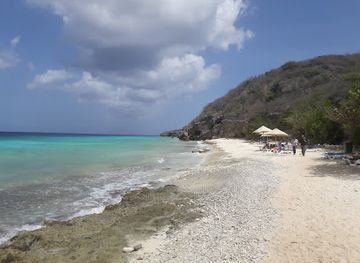
Band'abou’s attractions are spread across a dry, open landscape rather than concentrated in one resort centre. Christoffel National Park combines hiking, wildlife and historic plantation scenery, with trails crossing hills and dry woodland around the island’s highest point. Shete Boka National Park offers a contrasting northern coast of sea caves, limestone platforms and powerful surf, where visitors should remain behind safety barriers and follow park guidance. The leeward shore is calmer and lined with beaches and coves including Playa Lagun, Grote Knip, Daaibooi, Porto Marie and Cas Abao, known for swimming, snorkelling and diving. Landhuis Knip and Landhuis Savonet deepen the experience with plantation history and interpretations of rural life, slavery and the island’s natural environment. Small settlements such as Barber and Soto provide glimpses of inland Curaçao, while salt pans and coastal wetlands can attract flamingos and other birds. The region suits visitors who are happy to combine short walks, swimming, heritage visits and scenic drives rather than follow a single formal sightseeing circuit.
-
Cas Abao Beach
Experience the breathtaking beauty of Cas Abao Beach in Curaçao, where soft sands and crystal-clear waters await your exploration.
-
Tourist attraction
Playa Porto Mari
Discover the stunning Playa Porto Mari in Curaçao, a perfect blend of relaxation, snorkeling, and local cuisine at this tropical paradise.
-
Beach
Grote Knip
Discover Grote Knip, Curaçao's iconic beach paradise: turquoise waters, white sands, and stunning views await. A must-visit Caribbean gem for relaxation and natural beauty.
-
Beach
Playa Grandi
Experience the serene beauty and vibrant marine life at Playa Grandi, a top beach destination in Sabana Westpunt, Curaçao.



Best landmarks in Band'abou
Landhuis Knip is one of Band'abou’s most significant landmarks, both as a surviving plantation estate and as the place associated with Tula’s 1795 revolt against slavery. Its historical importance extends beyond the building itself to the surrounding western landscape, where plantation labour and resistance shaped Curaçao’s history. Landhuis Savonet, near Christoffel National Park, represents another major estate complex and provides a focal point for understanding rural work, land use and the island’s natural environment. Christoffelberg is the district’s defining natural landmark, rising above dry forest and limestone terrain within the national park. Along the northern coast, the sea caves, blowholes and wave-cut cliffs of Shete Boka form a constantly changing geological landmark, distinct from the sheltered coves of the south-western shore. The beaches of Grote Knip and Kleine Knip are recognised for their enclosing cliffs and blue water, while Playa Lagun occupies a narrow inlet backed by steep rock. Together, these places express Band'abou’s connection between plantation history, arid geology and the sea.
-
Bridge
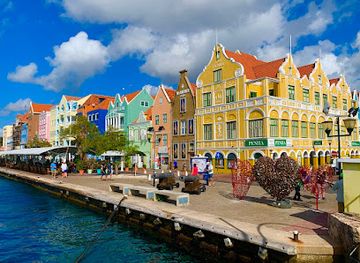
Queen Emma Bridge
Experience the charm of Queen Emma Bridge, a historic floating bridge in Curaçao offering breathtaking views and a glimpse into island life.
-
Beach
Mambo Beach
Experience the vibrant atmosphere of Mambo Beach in Curaçao, offering white sands, turquoise waters, lively entertainment, and diverse dining options.
-
Beach pavillion
Cas Abao Beach
Discover the pristine beauty of Cas Abao Beach, where soft sands meet crystal-clear waters, creating a perfect tropical escape in Curaçao.
-
Hotel
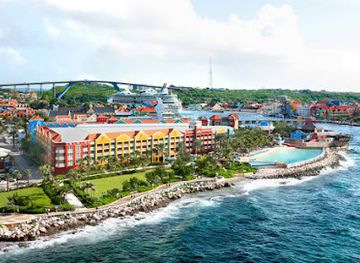
Renaissance Wind Creek Curacao Resort
Discover the luxurious Renaissance Wind Creek Curacao Resort, where stunning beaches, rich culture, and exceptional service await in Willemstad.

Explore Band'abou on the map
Plan your trip on one map. See where the top cities, national parks and sights are, and book hotels and experiences in a few clicks.
Best hotels in Band'abou
Best restaurants in Band'abou
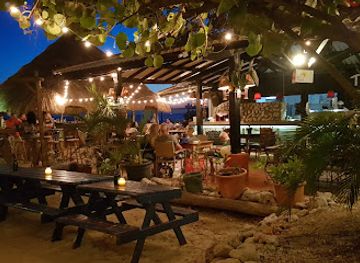
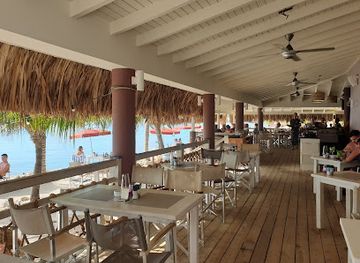
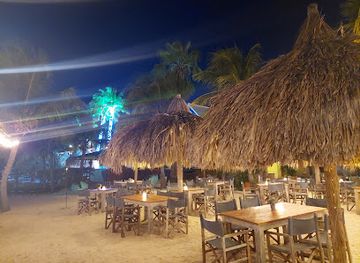
Dining in Band'abou is relaxed and dispersed, with beach restaurants, village eateries, plantation-house venues and small cafés providing the main choices. Menus often combine Curaçaoan cooking with Dutch-Caribbean, Latin American and international influences. Look for keshi yena, a richly filled cheese dish; funchi, a cornmeal accompaniment; stewed goat; fried fish; and seafood prepared according to the day’s catch. Local snacks and sweets may appear alongside fresh juices and the island’s familiar liqueur traditions. Near the beaches, dining tends to focus on simple lunches, grilled seafood and cold drinks, while rural establishments may offer hearty home-style plates. Markets and food shops are useful for buying fruit, bread and provisions before heading to a national park or remote cove. Formal dining is limited compared with Willemstad, so booking or checking arrangements is sensible for plantation venues and popular coastal restaurants, particularly during busy holiday periods.
-
Restaurant
Cas Abao Beach
Explore Cas Abao Beach: A Hidden Gem in Curaçao with Stunning Waters and Vibrant Marine Life Perfect for Relaxation and Adventure.
-
Restaurant
Zanzibar Beach & Restaurant
Experience culinary bliss at Zanzibar Beach & Restaurant with stunning views and exquisite flavors on the beautiful shores of Curaçao.
-
Restaurant
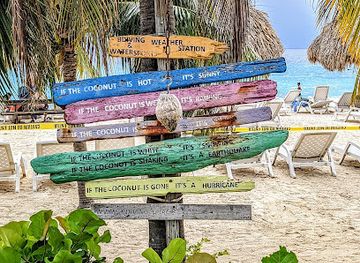
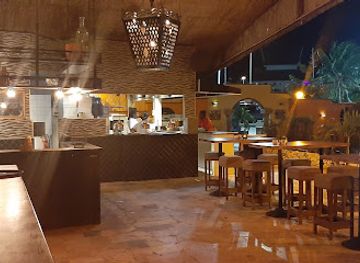
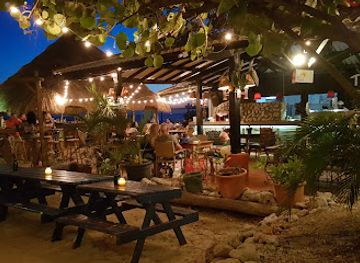
Pirate Bay Curaçao Beach Club and Restaurant
Experience Caribbean bliss at Pirate Bay Curaçao Beach Club & Restaurant - where relaxation meets culinary delight by the turquoise sea.
-
Restaurant
Restaurant & Café Gouverneur De Rouville
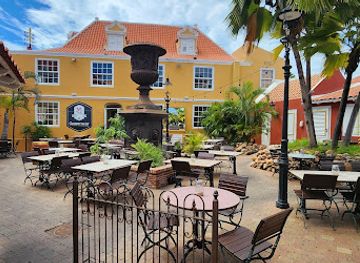
Discover culinary excellence at Restaurant & Café Gouverneur De Rouville in Willemstad – where every dish tells a story.
Best bars in Band'abou
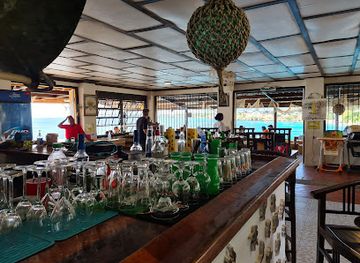
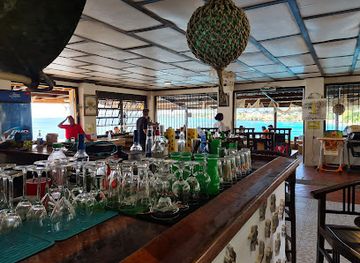
Band'abou is not a major nightclub destination, and evenings are generally quieter than those in Willemstad. Nightlife centres on casual beach bars, restaurants, village cafés and the social atmosphere of local establishments, with occasional live music or cultural events rather than a dense late-night circuit. Visitors staying near the coast can often enjoy a sunset drink or dinner, but should not assume that every beach remains open or staffed late into the evening. Some plantation venues and larger restaurants provide a more atmospheric setting for cocktails or local drinks, while small bars in settlements such as Barber and Soto cater mainly to residents. For clubs, DJs and a wider choice of late-night entertainment, Willemstad is the appropriate destination outside Band'abou. Arrange transport in advance if drinking, as distances are considerable, street lighting is limited in rural areas and taxis may not be immediately available.
-
Bar
Pirate Bay Curaçao Beach Club and Restaurant
Discover the vibrant atmosphere and stunning views at Pirate Bay Curaçao Beach Club, the ultimate beachside retreat in Willemstad.
-
Restaurant
Karakter Beach - Lounge - Restaurant
Discover the tropical charm of Karakter Beach, a culinary haven in Curaçao featuring exquisite dishes and stunning ocean views for a perfect getaway.
-
Restaurant
Hemingway
Experience the vibrant flavors and lively atmosphere of Hemingway, a premier dining destination in Curaçao known for its Caribbean charm.
-
Restaurant
Restaurant Playa Forti
Discover the flavors of Curaçao at Restaurant Playa Forti, where stunning sea views meet authentic Caribbean cuisine in a vibrant atmosphere.
Best nightclubs in Band'abou
Band'abou is not a major nightclub destination, and evenings are generally quieter than those in Willemstad. Nightlife centres on casual beach bars, restaurants, village cafés and the social atmosphere of local establishments, with occasional live music or cultural events rather than a dense late-night circuit. Visitors staying near the coast can often enjoy a sunset drink or dinner, but should not assume that every beach remains open or staffed late into the evening. Some plantation venues and larger restaurants provide a more atmospheric setting for cocktails or local drinks, while small bars in settlements such as Barber and Soto cater mainly to residents. For clubs, DJs and a wider choice of late-night entertainment, Willemstad is the appropriate destination outside Band'abou. Arrange transport in advance if drinking, as distances are considerable, street lighting is limited in rural areas and taxis may not be immediately available.
-
Bar
Playa Porto Mari
Experience the crystal-clear waters and vibrant marine life at Playa Porto Mari, a serene beach destination in Curaçao perfect for relaxation and adventure.
-
National park
Shete Boka National Park
Discover the breathtaking landscapes and rich wildlife of Shete Boka National Park, a natural gem on the island of Curaçao.
-
Restaurant
Restaurant Playa Forti
Discover the flavors of the Caribbean at Restaurant Playa Forti, offering breathtaking views and delightful local cuisine in Curaçao.
-
Tourist attraction
Boka Pistol
Explore Boka Pistol, a serene gem in Curaçao known for its stunning cliffs, vibrant marine life, and tranquil atmosphere, perfect for relaxation and adventure.


Best shops in Band'abou
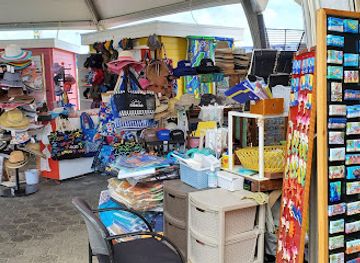
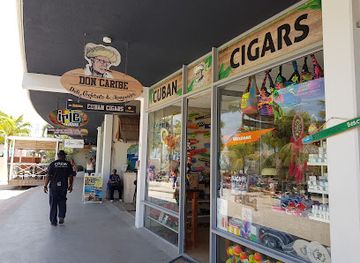
Shopping in Band'abou is practical and local in character rather than centred on large retail complexes. Barber is the most useful inland settlement for everyday supplies, while small shops and food outlets serve the surrounding villages and beach communities. Visitors can buy fruit, snacks, drinks and provisions for walks or beach days, although options become less dependable in the far west. Craft products, locally made foods and Curaçao-themed gifts may be available at heritage sites, small galleries, accommodation venues and roadside businesses, but stock and opening arrangements vary. Look for Curaçaoan seasonings, sweets, preserved foods, locally produced drinks and handmade items rather than imported beach merchandise alone. The best choice of specialist shops, galleries, markets and souvenirs is in Willemstad, outside Band'abou, so combine extensive shopping with time in the capital rather than expecting a concentrated retail district in the western countryside. Always carry purchases away from protected beaches and natural areas without collecting coral, shells or historic fragments.
-
Shopping mall
Renaissance Mall & Rif Fort
Experience the vibrant shopping and dining at Renaissance Mall & Rif Fort, where history meets modern retail in stunning Willemstad, Curaçao.
-
Shopping mall
Mambo Beach Boulevard
Discover the lively Mambo Beach Boulevard in Willemstad, Curaçao, where shopping, dining, and nightlife meet stunning beach views.
-
Shopping mall
Sambil Curacao
Experience the vibrant atmosphere and diverse shopping options at Sambil Curacao, the ultimate shopping destination in Willemstad.
-
Shopping mall
Zuikertuin Mall
Discover the vibrant shopping and dining experience at Zuikertuin Mall in Willemstad, Curaçao – a perfect blend of local charm and modern amenities.

Get your free copy of our complete guide to Band'abou, delivered straight to you.
Everything on this page, from attractions and restaurants to essentials and local phrases, in one PDF you can read offline, print or share.
Already have an account? Sign in
Your Band'abou guide is ready.
We'll send it to · Not you? Sign out

Getting your guide ready…
We are putting together a fresh copy of the Band'abou guide. This can take up to a minute.
This can take a few moments. If your browser asks, choose Allow so the download can start. You'll find the guide in your Downloads folder.
Nothing happened? Download it again
Sorry, the guide is taking longer than usual. Please try again in a minute, or get it by email instead.
Band'abou essentials
Currency and Payment
Safety
Emergency Situations
Do's and Don'ts
Local Tips
From Eve
Local phrases worth knowing
You don't need to get them perfect. A few words go a long way, and locals appreciate the effort.
Basics
| English | Local | Say it |
|---|---|---|
| Hello | Halo | [ha-lo] |
| Goodbye | Ayo | [ah-yo] |
| Yes | Sí | [see] |
| No | No | [no] |
| Please/You're welcome | Por fabor / Danki | [por fa-bor / dan-ki] |
| Thank you | Danki | [dan-ki] |
| Excuse me/Sorry | Disculpa | [dis-kul-pa] |
| How are you? | Kon ta bai? | [kon ta bye] |
| Fine. And you? | Bon. Y bo? | [bon. ee bo] |
| Do you speak English? | Bo ta papia Ingles? | [bo ta pa-pi-a in-gles] |
| I don't understand | Mi no ta komprondé | [mi no ta kom-pron-day] |
Eating & Drinking
| English | Local | Say it |
|---|---|---|
| I'd like to see the menu, please | Mi ke mira e menu, por fabor | [mi ke mi-ra e me-nu, por fa-bor] |
| I don't eat meat | Mi no ta kome carne | [mi no ta ko-me kar-ne] |
| Cheers! | Saluti! | [sa-lu-ti] |
| I would like to pay, please | Mi ke paga, por fabor | [mi ke pa-ga, por fa-bor] |
Emergencies
| English | Local | Say it |
|---|---|---|
| Help! | Yuda! | [yu-da] |
| Go away! | Bai awa! | [bye a-wa] |
| Call the Police! | Yama e Polisia! | [ya-ma e po-li-si-a] |
| Call a doctor! | Yama un doktor! | [ya-ma un dok-tor] |
| I'm lost | Mi ta perdí | [mi ta per-di] |
| I'm ill | Mi ta mal | [mi ta mal] |
Shopping
| English | Local | Say it |
|---|---|---|
| I'd like to buy... | Mi ke compra... | [mi ke kom-pra] |
| I'm just looking | Mi ta solamente mirando | [mi ta so-la-men-te mi-ran-do] |
| How much is it? | Kuanto ta e? | [kwan-to ta e] |
| That's too expensive | Es ta demasiado caro | [es ta de-ma-si-a-do ka-ro] |
| Can you lower the price? | Bo por baja e precio? | [bo por ba-ha e pre-sio] |
Time & Numbers
| English | Local | Say it |
|---|---|---|
| What time is it? | Kiko ora ta? | [ki-ko o-ra ta] |
| It's one o'clock | Ta un ora | [ta un o-ra] |
| Half past (10) | Medio pa (10) | [me-di-o pa (10)] |
| Morning | Mañana | [ma-nya-na] |
| Afternoon | Tarde | [tar-de] |
| Evening | Anochi | [a-no-chi] |
| Yesterday | Ayer | [a-yer] |
| Today | Hoy | [oy] |
| Tomorrow | Mañana | [ma-nya-na] |
| 1 | Un | [un] |
| 2 | Dos | [dos] |
| 3 | Tres | [tres] |
| 4 | Cuatro | [kwa-tro] |
| 5 | Cinco | [sin-ko] |
| 6 | Seis | [seis] |
| 7 | Siete | [sye-te] |
| 8 | Ocho | [o-cho] |
| 9 | Nueve | [nwe-ve] |
| 10 | Diez | [dyez] |
Transport & Directions
| English | Local | Say it |
|---|---|---|
| Where's a/the...? | Unda ta un/ e...? | [un-da ta un/ e] |
| What's the address? | Kiko ta e adrès? | [ki-ko ta e a-dres] |
| Can you show me (on the map)? | Bo por mustra mi (riba e mapa)? | [bo por mus-tra mi (ri-ba e ma-pa)] |
| When's the next (bus)? | Kando ta e prome (bus)? | [kan-do ta e pro-me (bus)] |
| A ticket (to ....) | Un bilhete (pa ...) | [un bi-lhe-te (pa)] |
History of Band'abou
Caquetio Settlement and Early Indigenous Heritage
Before European colonisation, Curaçao was inhabited by Caquetio communities associated with the wider Arawakan cultural world of the southern Caribbean. Their presence is recorded through archaeological remains, including pottery, tools and rock art, while the island’s caves and sheltered valleys preserve evidence of long human use. Band'abou’s dry landscape, coastal inlets and freshwater sites formed part of this early settlement geography. Although much of the visible built heritage dates from later centuries, indigenous history provides the earliest context for understanding how people adapted to Curaçao’s arid climate and marine environment.
Spanish Exploration and Dutch Rule
Spanish navigators reached Curaçao at the end of the fifteenth century, beginning a period of European claims and forced displacement of indigenous communities. The Dutch West India Company took control in 1634, and Curaçao subsequently developed as a strategic port and commercial centre within the Dutch Atlantic world. Willemstad became the island’s principal urban and maritime centre, while the western countryside assumed a different role, supplying agriculture, livestock and plantation production. Band'abou’s later landhouses and estate landscapes reflect this division between the port and the rural districts.
Plantations, Landhouses and Enslaved Labour
From the seventeenth century onwards, plantations were established across Band'abou for crops, livestock and the provision of food and other resources. The landhouses served as administrative and residential centres for estates, while enslaved Africans performed much of the agricultural and domestic labour. Water scarcity, drought and the island’s uneven soils limited large-scale cultivation, but estates remained important to Curaçao’s economy and social order. Landhuis Knip, Landhuis Savonet and other surviving sites help visitors understand how plantation ownership, labour, religion and rural life shaped the western district.
The 1795 Revolt Led by Tula
In August 1795, Tula, an enslaved man associated with Landhuis Knip, led a major revolt against slavery in Curaçao. The uprising began in Band'abou and spread to other plantations, with participants demanding freedom and an end to brutal conditions. Colonial authorities suppressed the revolt and Tula was executed, but his leadership later became a central symbol of resistance and emancipation in Curaçao. The events of 1795 give Landhuis Knip and the surrounding western landscape particular historical importance, linking local places to the wider history of slavery in the Caribbean.
Emancipation and Rural Change in 1863
Slavery was abolished in Curaçao in 1863, part of the wider emancipation process in the Dutch Caribbean. Freedom did not bring immediate economic equality: many formerly enslaved people remained connected to plantation estates through poorly paid labour or tenant arrangements, while rural communities developed their own social and cultural networks. Across Band'abou, plantation agriculture gradually lost importance and many estates were abandoned, subdivided or adapted to new uses. The district’s scattered villages, church communities and surviving landhouses preserve aspects of this long transition from an enslaved plantation economy to a more diverse rural society.
Conservation and the Contemporary Western District
During the twentieth century, Curaçao’s economy became increasingly associated with Willemstad’s harbour, oil industry and services, while Band'abou retained a more rural character. Growing recognition of the value of the island’s dry forests, reefs, caves and rugged coast led to the protection of areas including Christoffel National Park and Shete Boka National Park. Today, conservation, small-scale agriculture, heritage interpretation, diving and beach tourism coexist across the district. This modern landscape reflects both the vulnerability of Curaçao’s natural resources and the continuing importance of its western cultural heritage.
Neighbouring regions of Band'abou
The closest regions to Band'abou, if you have time for more than one.
-

-

-

-

-


Swipe for more regions
Explore more

Explore more of Curacao
Discover Curacao, where vibrant culture, stunning beaches, and historic charm come together to create a Caribbean paradise like no other.
Explore Curacao