Museum Kura Hulanda: A Journey Through the African Diaspora
Explore the poignant history of the transatlantic slave trade at Museum Kura Hulanda in Curaçao, a moving and educational experience set in a former slave trading post.
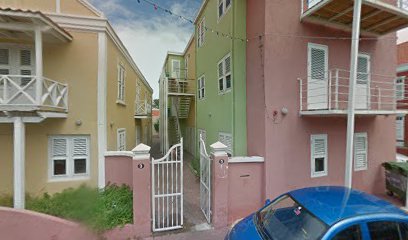
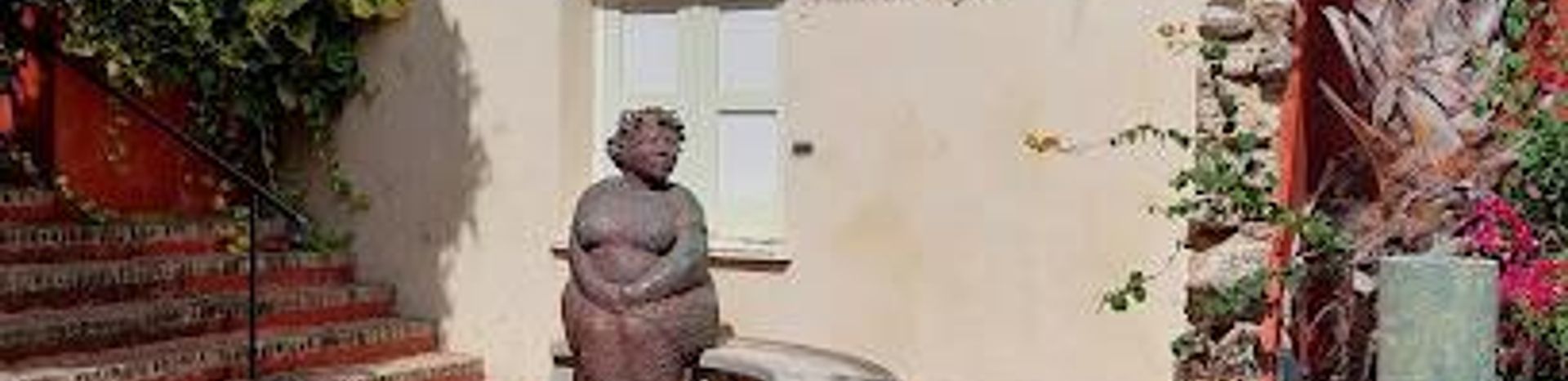
Museum Kura Hulanda, located in the heart of Willemstad's Otrobanda district, offers a profound and moving exploration of the transatlantic slave trade. Situated on the site of a former slave trading post, the museum provides a comprehensive look at the history of slavery, from its origins in Africa to its impact on the Caribbean and the Americas. Through powerful exhibits and artifacts, visitors gain a deeper understanding of the human cost of this brutal trade and the enduring legacy of African culture in Curaçao. The museum also showcases the rich cultural heritage of West Africa, highlighting the traditions and empires that were disrupted by the slave trade. Allow at least 3 hours to fully absorb the museum's extensive collection and its important message. Guided tours are available in English and Dutch for a small additional fee, offering valuable context and insights.
A brief summary to Museum Kura Hulanda
- 9 Klipstraat, Willemstad, Otrobanda, CW
- +59994629737
- Visit website
- Monday 8 am-4 pm
- Tuesday 8 am-4 pm
- Wednesday 8 am-4 pm
- Thursday 8 am-4 pm
- Friday 8 am-4 pm
- Saturday 8 am-4 pm
- Sunday 9 am-2 pm
Local tips
- Allocate at least 3 hours to fully explore the museum's extensive exhibits and absorb its powerful message.
- Consider taking a guided tour in English or Dutch for an additional $3 per person to gain deeper insights into the exhibits.
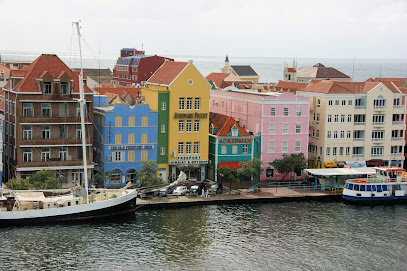
- Combine your visit with a stroll through Otrobanda, known for its colorful architecture and vibrant street art.
- Check the museum's opening hours, as it is closed on official holidays.

Getting There
-
Walking
Museum Kura Hulanda is located in the Otrobanda district of Willemstad, easily accessible on foot from most points within Otrobanda and Punda. From the Queen Emma Bridge, walk west along the waterfront. Turn left onto Klipstraat; the museum will be on your right. Allow approximately 10-15 minutes walking time from the bridge. Note that the sidewalks can be uneven in places.
-
Public Transport
If arriving by public transport from other parts of Curaçao, take a bus to the Otrobanda bus terminal. From the terminal, walk north towards the waterfront, then turn left onto Klipstraat. The museum will be a short walk on your right. Bus fares within Willemstad are typically around 1.25 ANG (approximately $0.70 USD).
-
Taxi/Ride-Share
Taxis and ride-sharing services are readily available in Willemstad. A taxi from Punda to Museum Kura Hulanda will cost approximately 15-20 ANG (approximately $8-$11 USD), depending on traffic. Be sure to confirm the fare with the driver before starting your journey.
-
Driving
If driving, paid parking is available in the area surrounding Museum Kura Hulanda. Parking costs 1 ANG per hour, Monday to Saturday, between 8:00 AM and 6:00 PM. Payment can be made at parking meters using coins or a prepaid parking card. A mobile app is also available for payment. Parking is free on Sundays and public holidays.
Discover more about Museum Kura Hulanda
Iconic landmarks you can’t miss

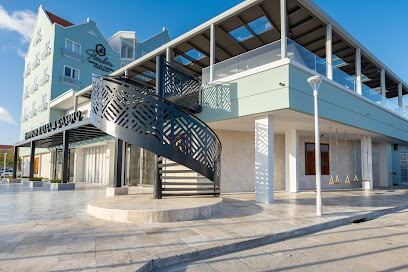
Harbor Hotel & Casino Curacao
0.1 km
Discover the perfect blend of luxury, entertainment, and culinary delights at Harbor Hotel & Casino Curacao, your ideal getaway in Willemstad.
Brión standbeeld
0.1 km
Discover the Brion Standbeeld in Willemstad, Curaçao - a stunning statue celebrating the island's rich cultural heritage and vibrant history.

Kura Botanica Hotel
0.1 km
Experience a luxurious, adults-only retreat in the heart of Willemstad, surrounded by lush botanical gardens and historic charm.
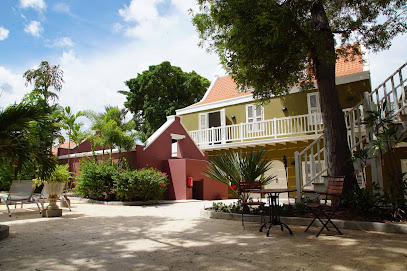
Kon. Emmabrug
0.2 km
Explore the stunning Kon. Emmabrug, a floating bridge in Willemstad, Curaçao, connecting culture and breathtaking views of the historic city.
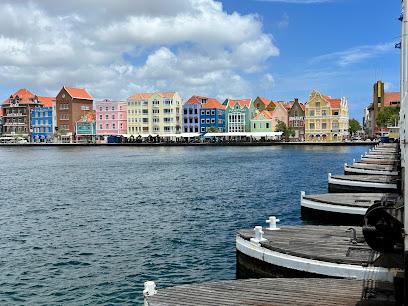
Handelskade
0.3 km
Explore Handelskade in Willemstad, Curaçao, where vibrant culture, stunning architecture, and local flavors come together for an unforgettable experience.
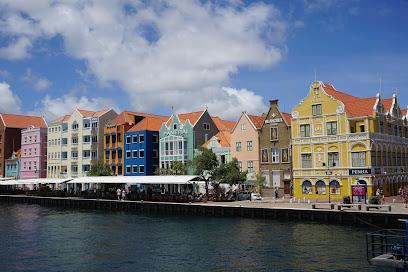
Unmissable attractions to see

Kura Hulanda Village
0.0 km
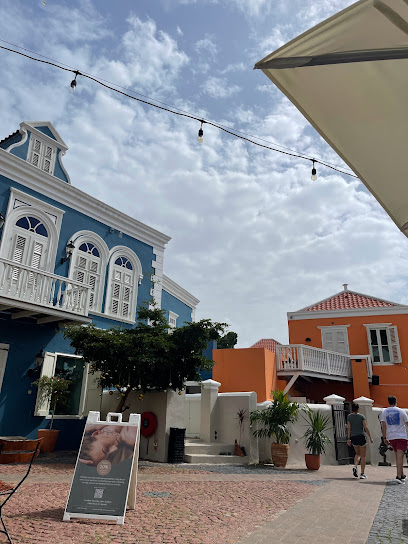
Explore Curaçao's soul in Kura Hulanda Village: a meticulously restored historical landmark in Willemstad's Otrobanda, blending colonial charm with a poignant museum experience.
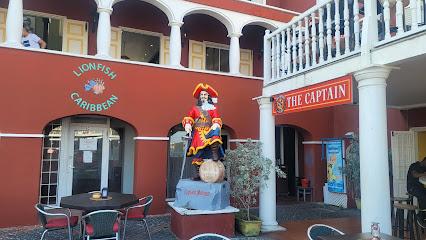
The Captain
0.1 km
Experience Curaçao's vibrant culture at The Captain, a waterfront bar in Otrobanda offering stunning views, refreshing drinks, and a taste of local hospitality near the Queen Emma Bridge.
Swings
0.1 km
Experience a playful pause on Breedestraat in Willemstad, where simple swings offer a unique photo opportunity amidst the colorful Dutch colonial architecture of Curaçao's historic Otrobanda district.
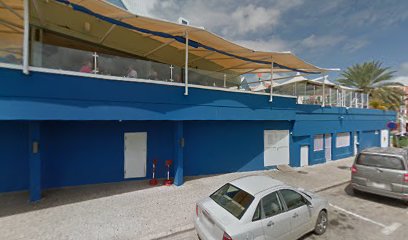
Promenade Willemstad
0.1 km
Explore the vibrant Promenade Willemstad, where stunning waterfront views meet lively local culture and delicious culinary experiences in Curaçao.
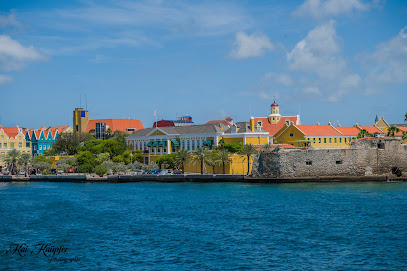
Brión Square
0.1 km
Experience the vibrant culture and charm of Curaçao at Brión Square, a colorful plaza in the heart of Willemstad filled with art, food, and local life.
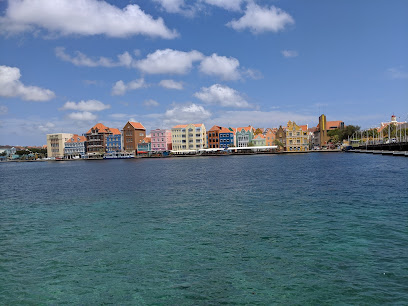
Dushi Walks (Otrobanda)
0.1 km
Explore the vibrant streets of Dushi Walks in Otrobanda, Willemstad, and immerse yourself in the colorful culture of Curaçao.
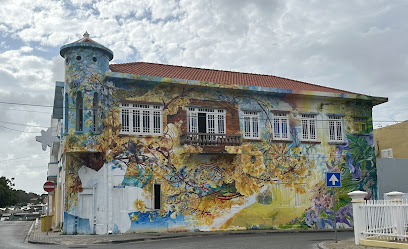
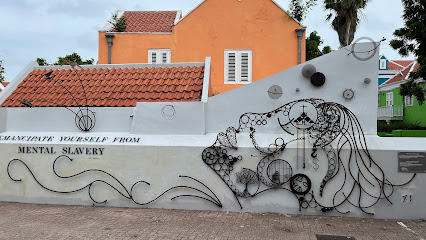
Emancipate Yourself from Mental Slavery (artwork)
0.2 km
Discover the profound message behind Emancipate Yourself from Mental Slavery, a striking artwork in the vibrant Otrobanda neighborhood of Willemstad, Curaçao.
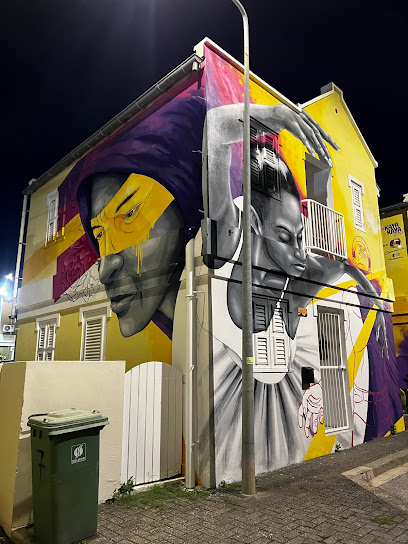
Bida ta un Bunita Lucha (artwork)
0.2 km
Immerse yourself in the vibrant artistry of Bida ta un Bunita Lucha, a cultural masterpiece in Willemstad, Curaçao, reflecting the island's rich heritage.
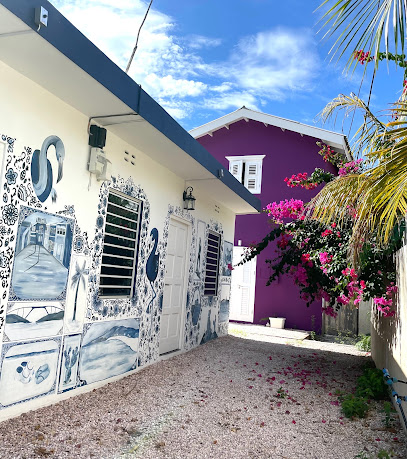
Kaya Kaya street art
0.2 km
Explore vibrant murals and artistic expressions at Kaya Kaya Street Art in Willemstad, Curaçao, a must-visit destination for art lovers and photographers.
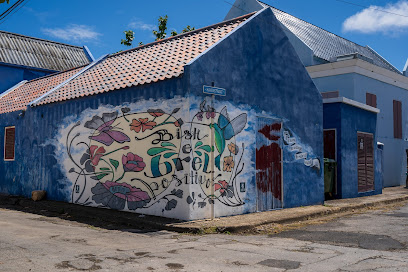
artwork
0.2 km
Experience the vibrant artworks of Willemstad, where every piece captures the essence of Curaçao's rich culture and history.
Molenplein
0.2 km
Experience the vibrant charm of Molenplein in Otrobanda, Willemstad, where culture, cuisine, and community come together in a colorful Caribbean setting.
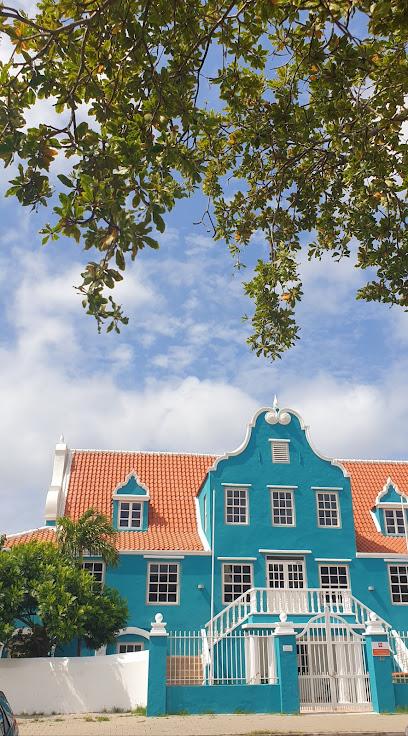
Viaduct Otrobanda
0.2 km
Experience the vibrant heart of Willemstad at Viaduct Otrobanda, connecting history, culture, and breathtaking views in a UNESCO World Heritage setting.
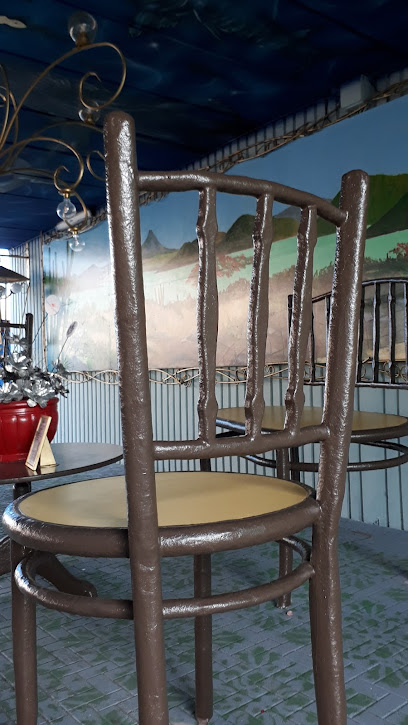
mural by Santiagopolio
0.2 km
Discover the vibrant Santiagopolio mural in Willemstad's Otrobanda, a colorful celebration of Curaçao's culture and artistic spirit, adding to the district's unique charm.
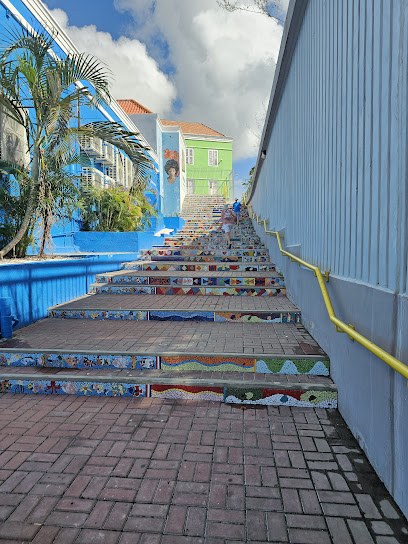
Queen Emma Bridge
0.2 km
Discover the iconic Queen Emma Bridge in Willemstad, a historical landmark offering breathtaking views and a vibrant cultural experience.
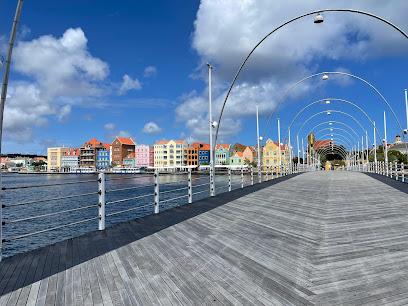
Much'i Ser'i Trapi
0.2 km
Discover the artistic charm of Much'i Ser'i Trapi in Otrobanda, Willemstad, a unique cultural attraction showcasing Curaçao's vibrant heritage.
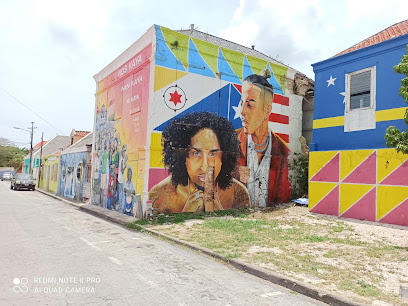
Essential places to dine

RustiQ Curaçao
0.0 km
Experience the flavors of the Caribbean at RustiQ Curaçao - where local ingredients meet modern culinary artistry.
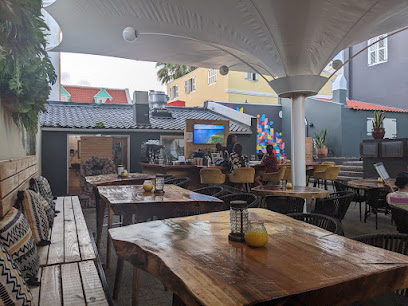
Restaurant & Café Gouverneur De Rouville
0.1 km
Experience authentic Caribbean flavors at Restaurant & Café Gouverneur De Rouville in Willemstad – where taste meets breathtaking views.
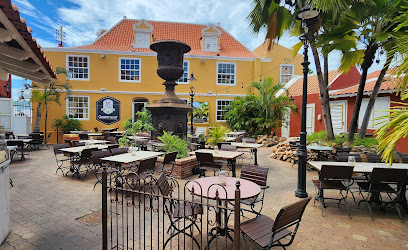
Harbor Restaurant Curaçao
0.1 km
Discover exquisite Caribbean cuisine at Harbor Restaurant Curaçao while enjoying breathtaking waterfront views in vibrant Otrobanda.
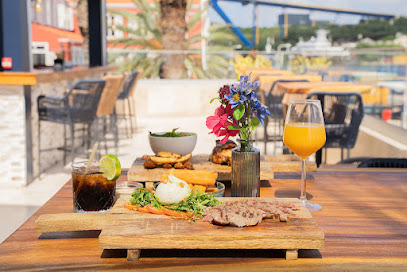
Caleo Crudos y Parrilla
0.1 km
Experience unparalleled flavors at Caleo Crudos y Parrilla in Willemstad – where fresh ingredients meet artistic culinary creations.
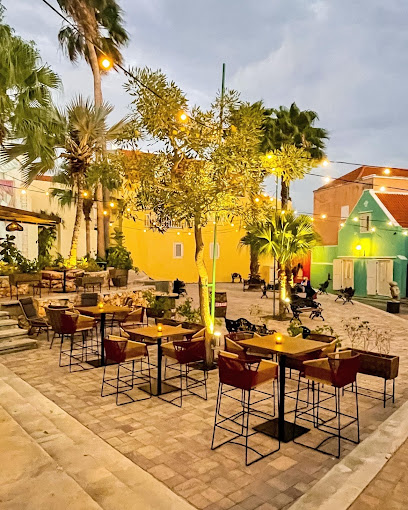
Lionfish Caribbean
0.1 km
Discover unique seafood delights at Lionfish Caribbean in Willemstad - a sustainable dining experience celebrating local flavors.
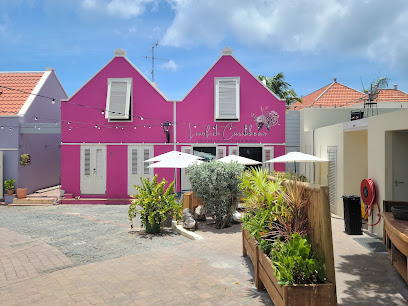
Florès Stadsterras
0.1 km
Experience the vibrant flavors and stunning views at Florès Stadsterras in Willemstad, Curaçao - a true culinary delight.
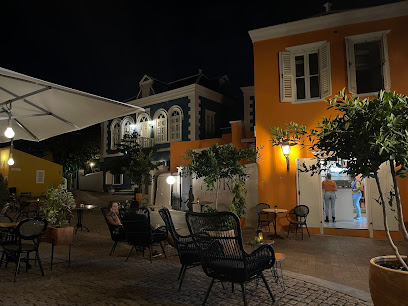
brgr haus
0.1 km
Discover gourmet burgers in the heart of Willemstad at brgr haus – where every bite is an adventure in flavor.
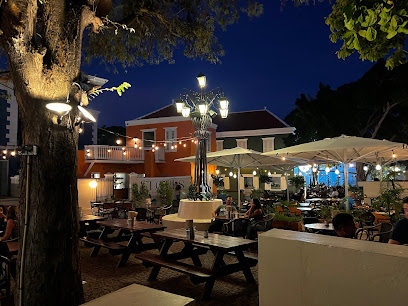
Tandoori Heights
0.2 km
Experience authentic Indian cuisine at Tandoori Heights in Willemstad, where flavor meets hospitality in a vibrant Caribbean atmosphere.
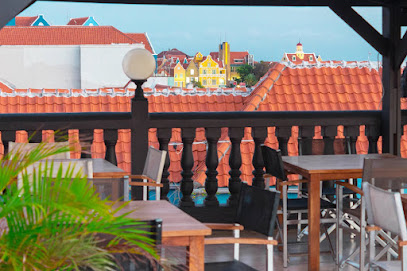
Bario Foodyard
0.2 km
Discover Bario Foodyard in Willemstad - a vibrant culinary hotspot offering diverse flavors from vegan dishes to fresh seafood.
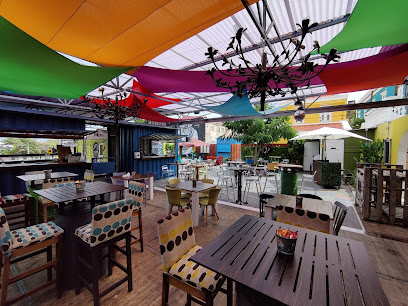
Pasa Kontrami
0.2 km
Experience vibrant Caribbean flavors at Pasa Kontrami - a premier grill restaurant in Willemstad offering delicious dishes and a welcoming atmosphere.
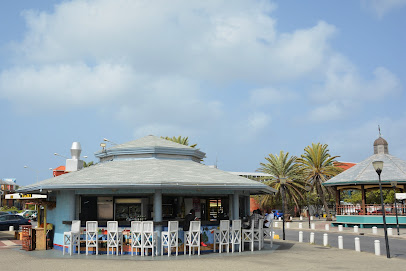
Gostoso, La Cubanita
0.2 km
Experience authentic Caribbean flavors at Gostoso, La Cubanita - where fresh seafood meets vibrant culture in Willemstad.
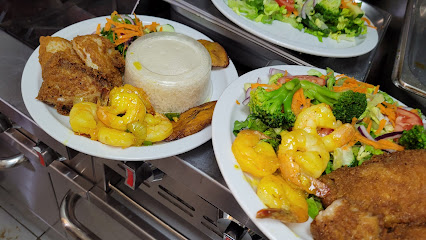
Xingki Bar Restaurant
0.2 km
Experience exquisite Caribbean cuisine at Xingki Bar Restaurant in vibrant Willemstad—where every bite tells a story.
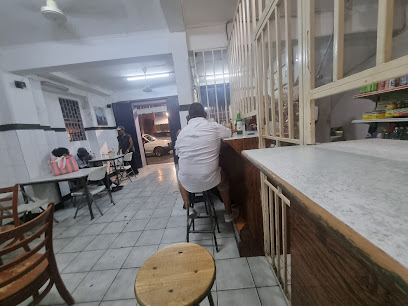
The City Curaçao
0.3 km
Experience the vibrant flavors of The City Curaçao, where local cuisine meets breathtaking waterfront views in Willemstad.
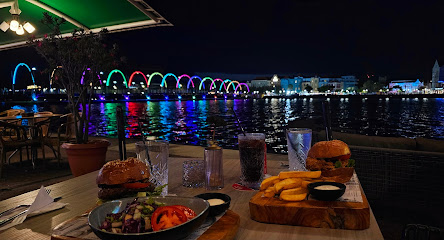
Iguana Café
0.3 km
Experience authentic Curaçaoan flavors at Iguana Café along Willemstad's iconic Handelskade waterfront.
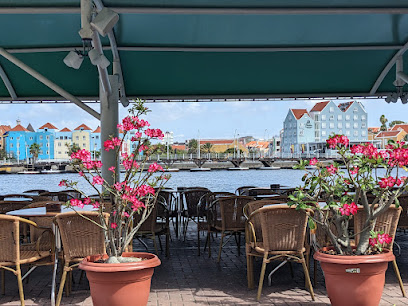
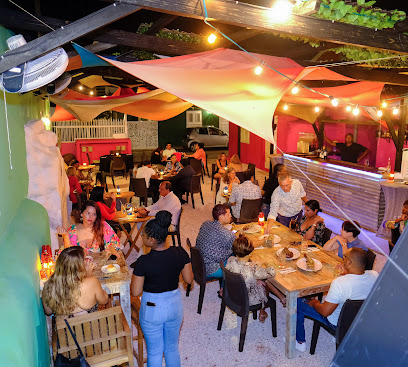
Bodega Siete Gotas
0.3 km
Discover authentic Caribbean flavors at Bodega Siete Gotas in Willemstad—where every meal is an unforgettable experience under the stars.
Markets, malls and hidden boutiques

Kas Lila Gifts & More
0.1 km
Discover unique souvenirs and local crafts at Kas Lila Gifts & More, the heart of Curacao's vibrant shopping scene.
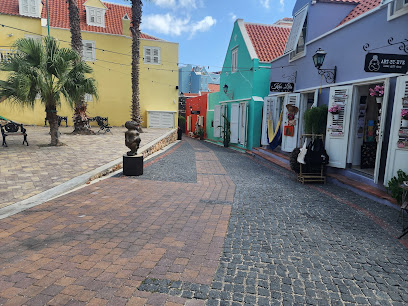
Art-by-Eve Kura Hulanda
0.1 km
Discover unique handmade artworks and souvenirs that embody the vibrant spirit of Curaçao at Art-by-Eve Kura Hulanda.
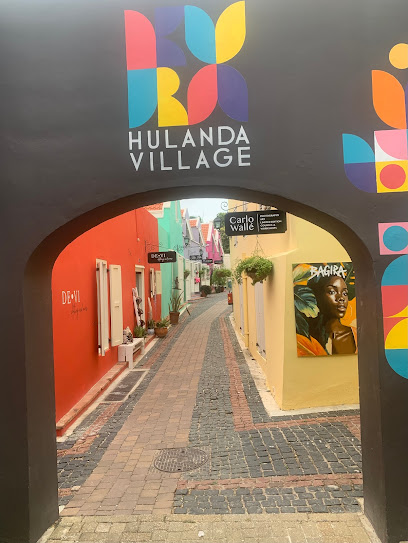
Concept Store by Sea & Sand
0.1 km
Explore the creativity of Curaçao at the Concept Store by Sea & Sand, where unique artistry meets local culture in a delightful shopping experience.
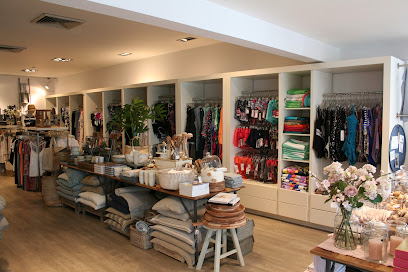
Hi-Tech Fashions Curacao
0.1 km
Explore unique fashion finds at Hi-Tech Fashions in Willemstad, Curacao, where style meets local creativity.
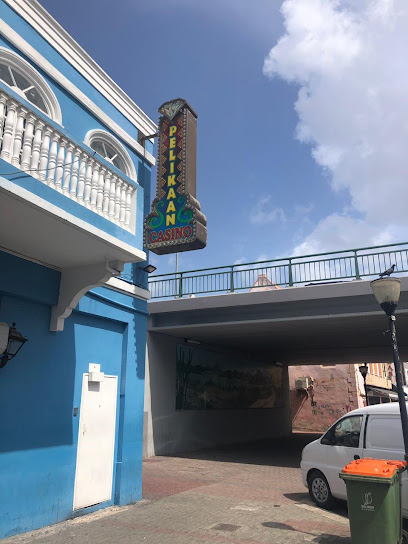
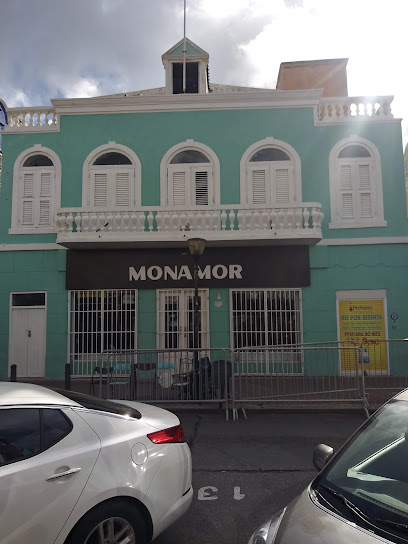
Monamor Boutique
0.1 km
Explore Monamor Boutique in Willemstad for a unique shopping experience featuring vibrant clothing and local artistry in a charming atmosphere.
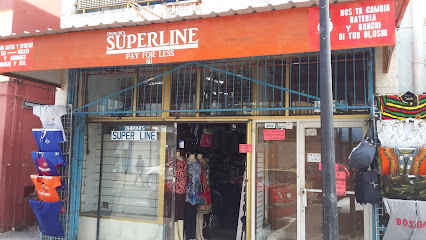
SUPERLINE OTRABANDA Curacao
0.2 km
Immerse yourself in Curacao's vibrant culture with unique clothing and accessories at SUPERLINE OTRABANDA, where Caribbean fashion awaits.
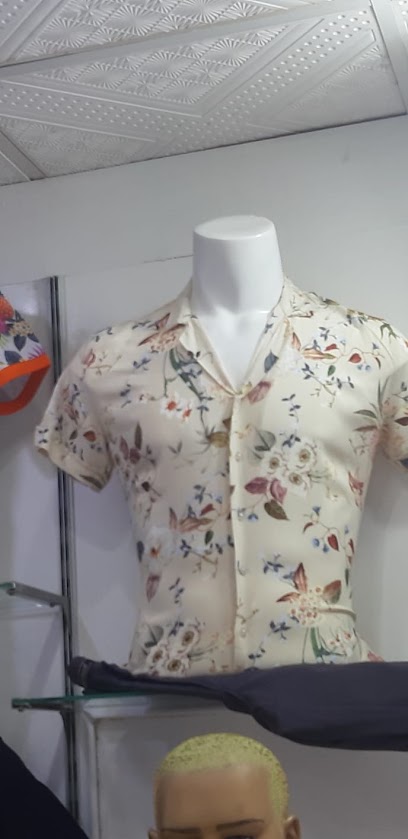
Notion Exclusive Men & Children Clothes
0.2 km
Explore exclusive men and children’s fashion at Notion in Willemstad, offering unique styles that embody the vibrant spirit of Curaçao.
The Old Freeport Shop
0.3 km
Explore The Old Freeport Shop in Willemstad for exquisite watches and fine jewelry that embody the spirit of Curaçao.
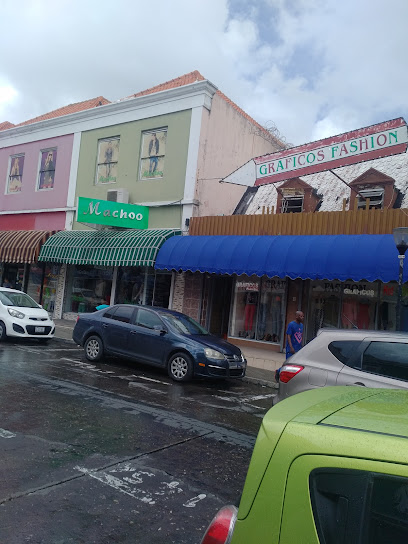
Graficos Fashion
0.3 km
Discover vibrant fashion at Graficos Fashion, where style meets the colorful spirit of Curaçao's culture.
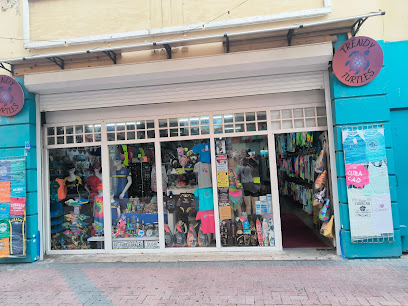
Trendy turtles
0.3 km
Discover authentic souvenirs and local crafts at Trendy Turtles in Willemstad, the heart of Curaçao's vibrant culture and artistry.
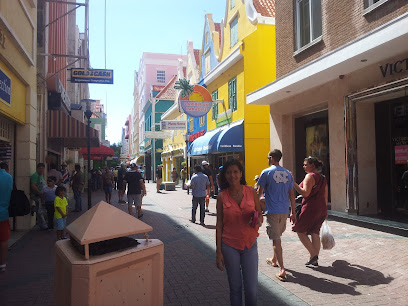
Victoria’s Secret Curacao in Punda
0.3 km
Explore the elegance of Victoria’s Secret Curacao in Punda, where luxury lingerie, chic accessories, and captivating perfumes await every visitor.
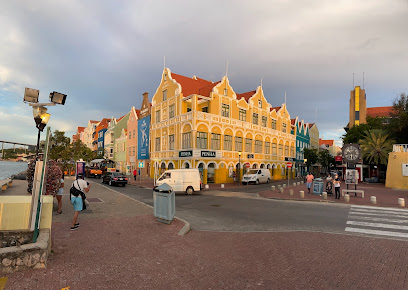
Island Treasures
0.3 km
Explore Island Treasures in Willemstad, Curaçao for unique souvenirs and local crafts that embody the island's vibrant culture.
Meow stores Curaçao
0.3 km
Experience the vibrant fashion scene at Meow Stores in Willemstad, Curaçao, where trendy clothing meets island charm.
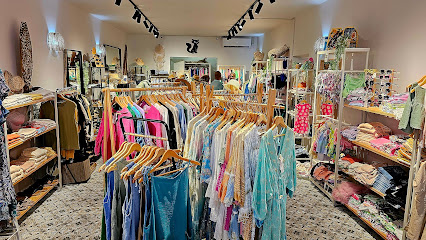
10$ SOUVENIRS
0.3 km
Explore 10$ Souvenirs in Willemstad for unique, affordable gifts that capture the spirit of Curaçao's vibrant culture.
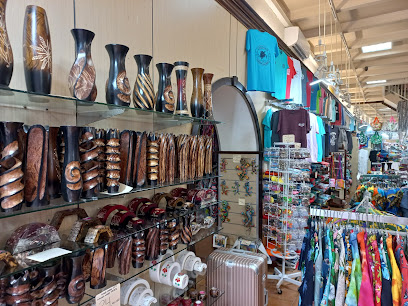
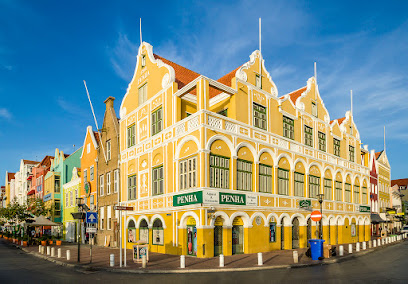
Penha Duty Free Curacao in Punda
0.3 km
Discover luxury shopping at Penha Duty Free Curacao, offering top perfumes, cosmetics, and premium liquors in the heart of Punda.
Essential bars & hidden hideouts

Swinging Old Lady Brewery
0.0 km
Swinging Old Lady Brewery: A premier brewpub in Willemstad, Curaçao, offering craft beers and waterfront views that capture the island's vibrant spirit.
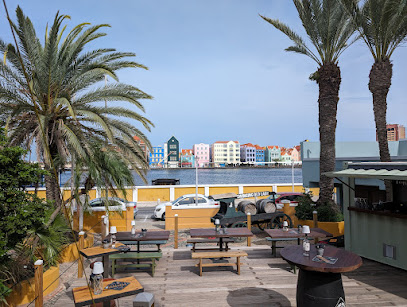
OtroVibe
0.2 km
Discover OtroVibe in Willemstad, a cocktail bar where vibrant flavors and a lively atmosphere come together for an unforgettable Caribbean experience.
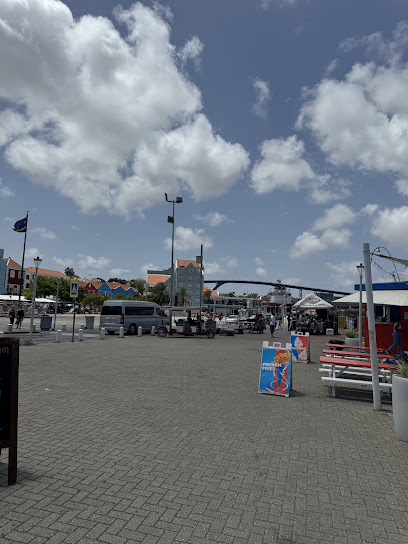
GAZE Bar & Lounge Curaçao
0.3 km
Discover the lively atmosphere of GAZE Bar & Lounge in Curaçao, where cocktails, dancing, and live music create an unforgettable nightlife experience.
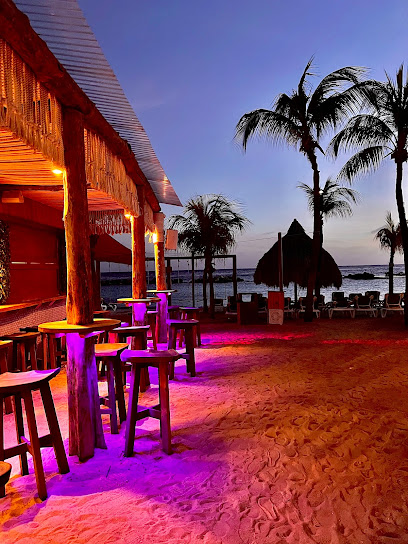
The Sopranos Sport Bar & Pizzeria
0.3 km
Experience the best of sports and Italian cuisine at The Sopranos Sport Bar & Pizzeria in Willemstad, Curaçao.
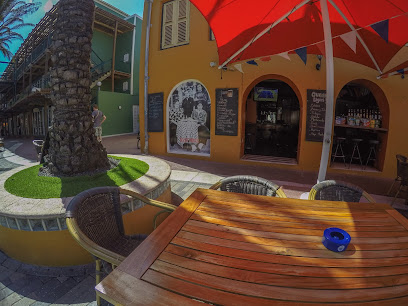
The tiki tok youssef A.k.A Youssef el khabbaz
0.3 km
Discover the lively ambiance at Youssef el Khabbaz, a top bar in Punda, Curaçao, where drinks and local music create unforgettable nights.
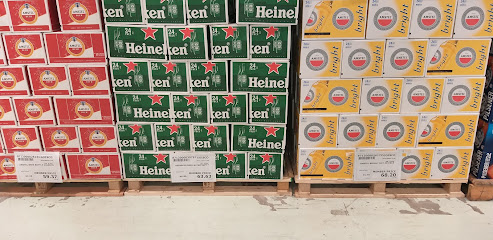
GORDO GRILL & BAR
0.4 km
Experience the vibrant flavors of Curaçao at Gordo Grill & Bar, located in the lively Punda district of Willemstad.
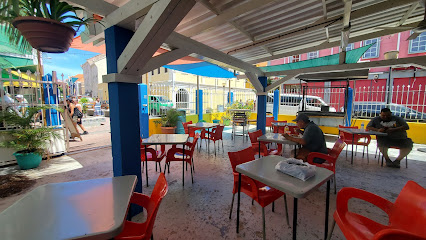
Terrace Plaza
0.4 km
Discover the vibrant atmosphere of Terrace Plaza, a must-visit bar in Willemstad, offering refreshing drinks and local culture.
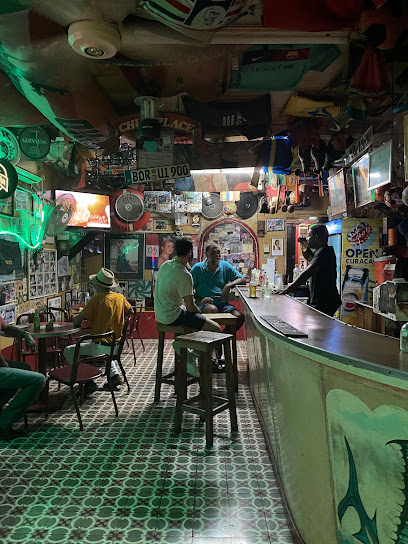
Netto Bar
0.4 km
Discover the lively ambiance and friendly service of Netto Bar in Otrobanda, a must-visit spot for tourists in Curaçao.
Nightclubs & after hour spots

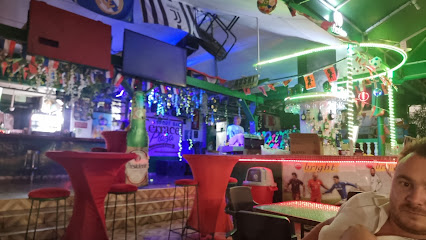
JJ Discobar
0.3 km
Discover the pulsating nightlife and vibrant atmosphere at JJ Discobar in Willemstad, Curaçao - a must-visit bar for every traveler.
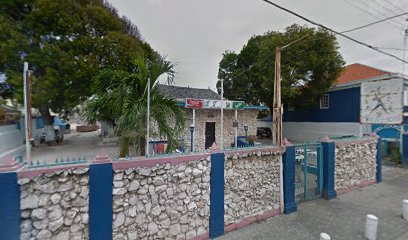
WildHogs MC/ Hogs Nest
0.4 km
Discover the electrifying nightlife at WildHogs MC / Hogs Nest in Willemstad, Curaçao, where music and fun come together for an unforgettable evening.
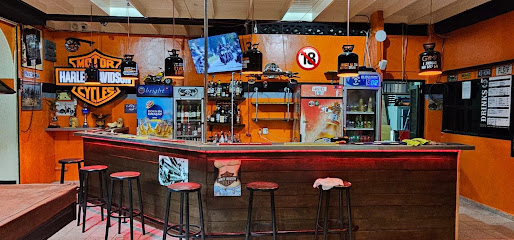
Rif fort bar
0.4 km
Discover the lively Rif Fort Bar in Willemstad, Curaçao, where Caribbean views and vibrant nightlife create unforgettable memories.
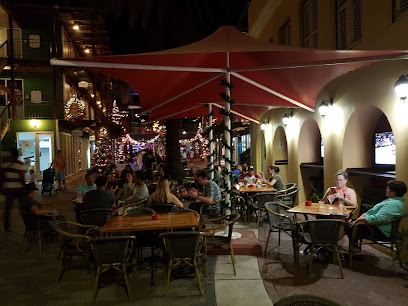
Doo-shee cocktail bar
0.4 km
Experience the vibrant nightlife of Willemstad at Doo-shee Cocktail Bar, where exceptional cocktails and a lively atmosphere await you.
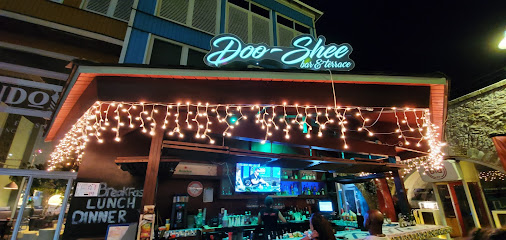
Cascada Rooftop Bar + Kitchen
0.5 km
Experience breathtaking views and a fusion of flavors at Cascada Rooftop Bar + Kitchen in Willemstad, Curaçao.
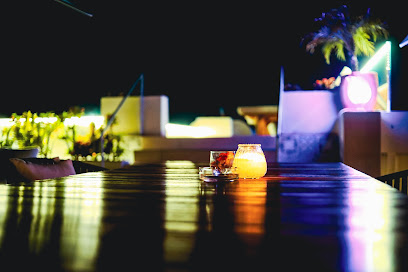
Cafe De Tijd
0.6 km
Experience the heartbeat of Willemstad's nightlife at Cafe De Tijd, a lively night club offering music, dance, and unforgettable moments.
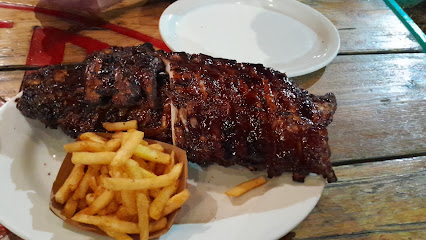
Blastbar qrasow
0.6 km
Experience the vibrant nightlife at Blastbar Qrasow in Willemstad, Curaçao, where unforgettable cocktails and lively atmosphere await.
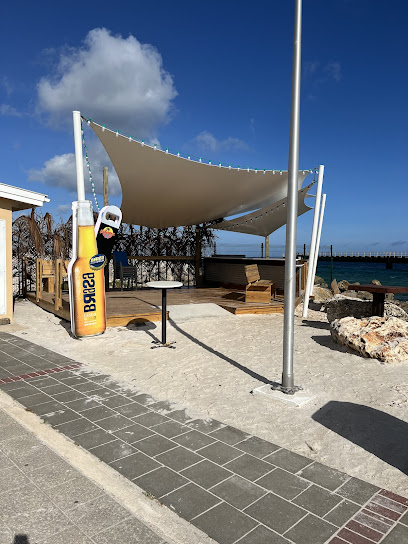
NEW KING
0.7 km
Discover the vibrant nightlife of Curaçao at NEW KING Bar in Otrobanda, where local flavors meet a lively atmosphere for an unforgettable experience.
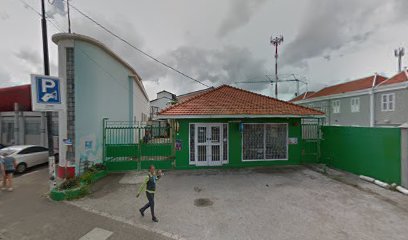
Club Knarp - Bar&Nightlife
0.9 km
Explore vibrant nightlife at Club Knarp, a premier night club in Willemstad, Curaçao, where music and energy come alive every weekend.
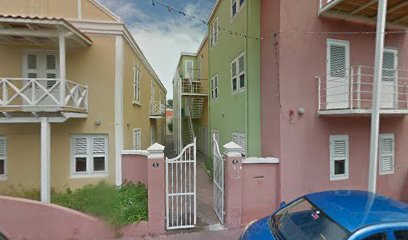
Club Patio - Bar&Nightlife
0.9 km
Discover the pulsating heart of Curaçao's nightlife at Club Patio, where unforgettable nights and vibrant energy meet.