Queen Emma Bridge: The Swinging Old Lady
Experience the charm of Willemstad on the Queen Emma Bridge, a floating pedestrian bridge offering stunning views and a unique glimpse into Curaçao's rich history and vibrant culture.
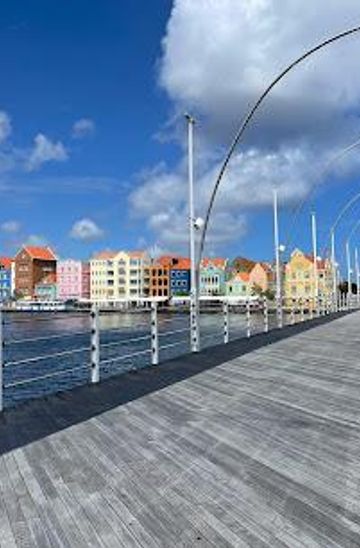
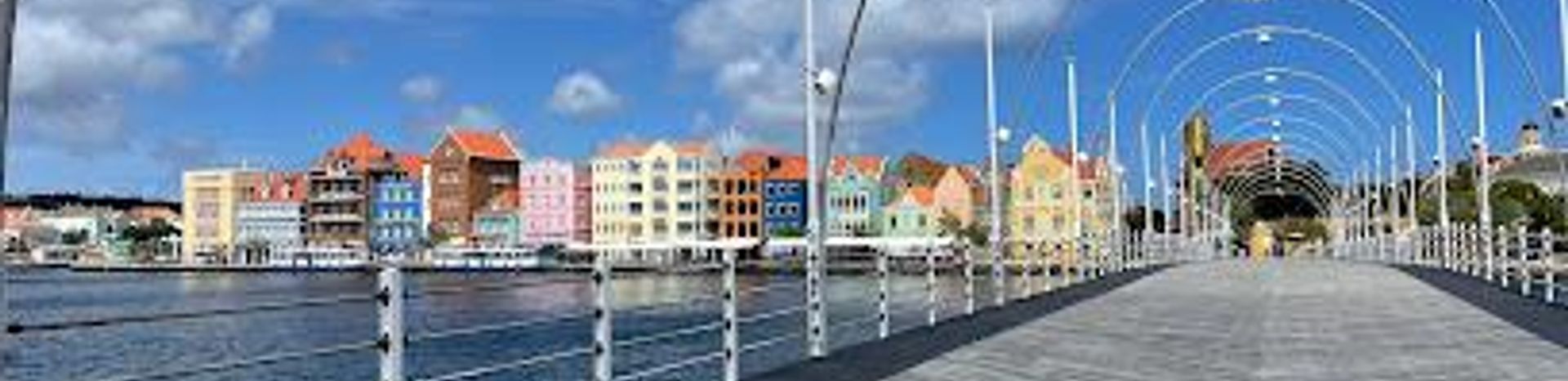
The Queen Emma Bridge, affectionately known as the "Swinging Old Lady," is a unique floating pontoon bridge connecting the Punda and Otrobanda districts of Willemstad, Curaçao. Built in 1888, it swings open to allow ships to pass through St. Anna Bay, offering pedestrians stunning views of the harbor and colorful Dutch colonial architecture. This pedestrian-only bridge is a must-see landmark, embodying the island's history and charm. Crossing the bridge provides an immersive experience, especially at sunset when the city lights reflect on the water. The surrounding area is vibrant, with local shops, cafes, and markets adding to the lively atmosphere. Whether capturing memorable photos or simply enjoying the scenery, the Queen Emma Bridge is a central part of Curaçao's heritage.
A brief summary to Queen Emma Bridge
- Kon. Emmabrug, Willemstad, Punda, CW

Know before you go
Hi, I'm Eve. Here are a few practical things to know before exploring Queen Emma Bridge.
- Visit the bridge at sunset for magical views of the city lights reflecting on the water.
- Check the cruise ship schedules to anticipate bridge opening times for ship passage.
- Take advantage of the free ferry service when the bridge is open to experience the bay from a different perspective.
- Explore the nearby shops and cafes in Punda and Otrobanda for a taste of local culture and cuisine.
- Wear comfortable shoes, as you'll likely be doing a lot of walking around the bridge and surrounding areas.
Do you manage this location?
Take control to get all the benefits, like improved information, better appearance, and stronger visibility across AI-powered discovery. Learn more
Activate your presenceOther nearby places you may find interesting

Getting There
-
Walking
The Queen Emma Bridge is centrally located in Willemstad, connecting the Punda and Otrobanda districts. If you are already in either of these districts, the bridge is easily accessible on foot. Simply follow the main streets towards the St. Anna Bay waterfront. Look for the distinctive orange bridge; it's hard to miss! Orientation is straightforward due to the bridge's prominence and the surrounding landmarks.
-
Public Transport
If arriving by public transport from other parts of Curaçao, take a bus to either the Punda or Otrobanda bus terminal in Willemstad. From either terminal, the Queen Emma Bridge is a short walk. From the Otrobanda terminal, walk towards the waterfront and the bridge will be visible to your right. From the Punda terminal, walk towards the waterfront, passing the floating market, and the bridge will be directly ahead. A single bus fare within Willemstad typically costs ANG 1.70 - ANG 2.50. Ensure you have exact change.
-
Taxi/Ride-Share
Taxis and ride-sharing services are readily available throughout Willemstad. Simply ask your driver to take you to the Queen Emma Bridge in either Punda or Otrobanda. Most drivers will be familiar with the location. Agree on the fare before starting your journey. A short taxi ride within Willemstad will likely cost between ANG 25.00 and ANG 55.00, depending on the distance and time of day. Note that fares may increase by 25% at night or with more than 4 passengers.
-
Driving
If driving, paid parking is available in both Punda and Otrobanda. Parking meters are in operation Monday to Saturday between 8:00 AM and 6:00 PM. The rate is ANG 1 per hour, with an additional ANG 0.50 for every extra half hour. Parking is free on Sundays and public holidays. You can pay at the parking meters using coins, a special parking card (available for purchase), or via a mobile app. Be aware that wheel clamps may be placed on vehicles with unpaid or expired parking. The cost of removing a clamp is ANG 25.
Discover more about Queen Emma Bridge
Explore the best of what Queen Emma Bridge has to offer













More about Punda
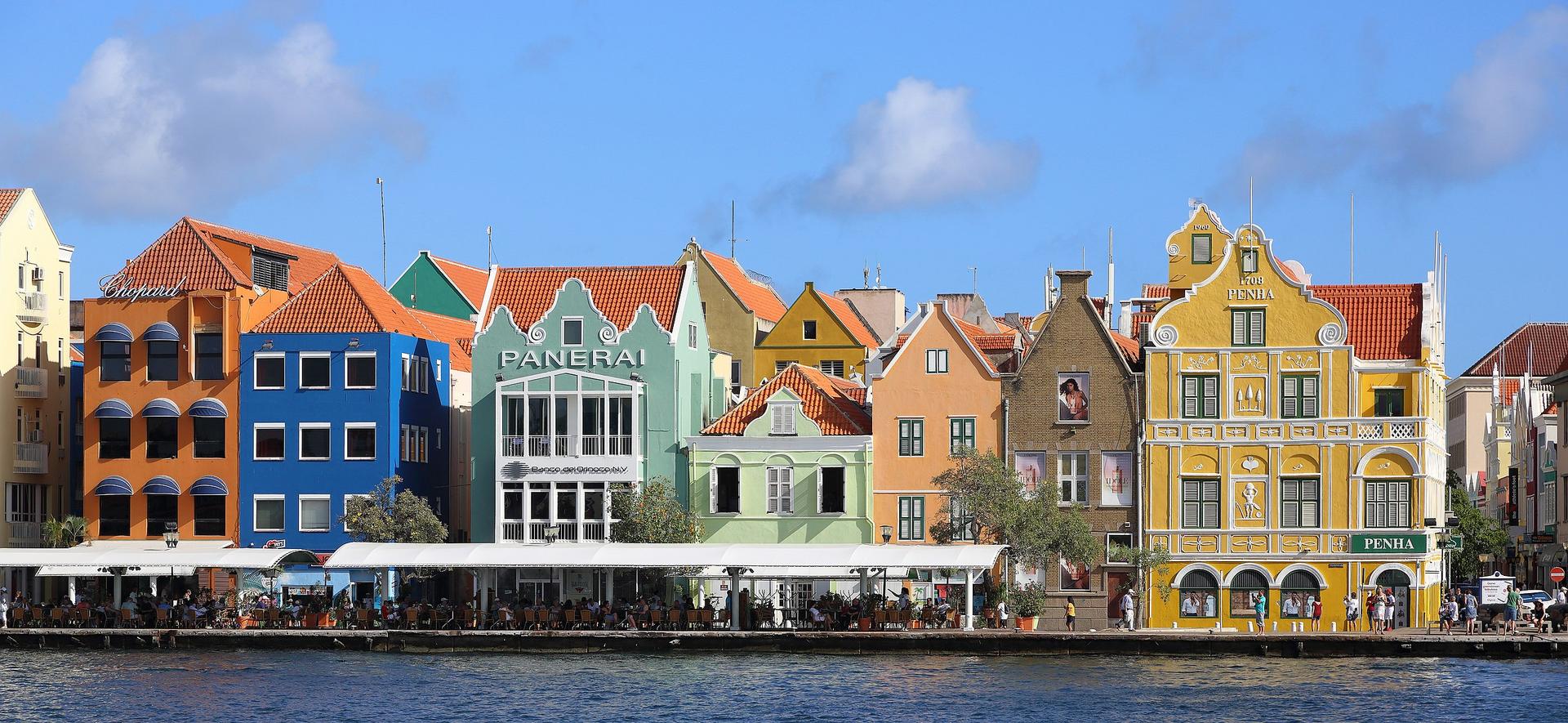
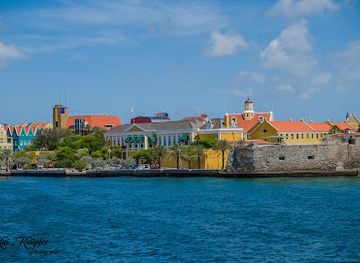
Discover Punda, the vibrant heart of Curacao, with its colorful colonial architecture, rich history, local markets, and lively cultural scene.
Tell me more about Punda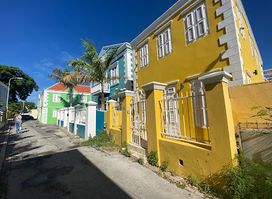
Uncover the hidden gems of Willemstad with guided walking tours that weave through history, culture, and stunning architecture.
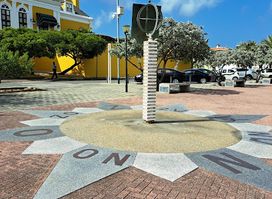
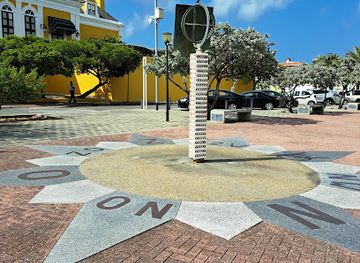
Discover the timeless charm of the Sundial in Willemstad, Curaçao, a captivating landmark blending history, culture, and stunning visuals in the heart of the island's historic district.