Museum Kura Hulanda, Willemstad Travel Guide
Explore the poignant history of the transatlantic slave trade and its lasting impact at Museum Kurá Hulanda, a cultural landmark in Willemstad's historic Otrobanda district.
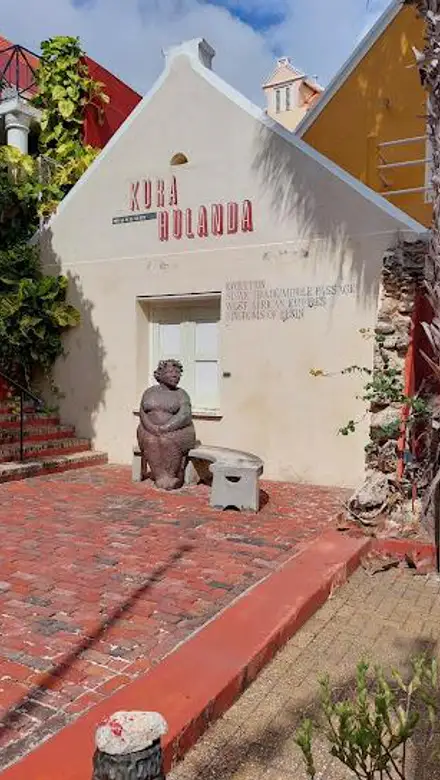
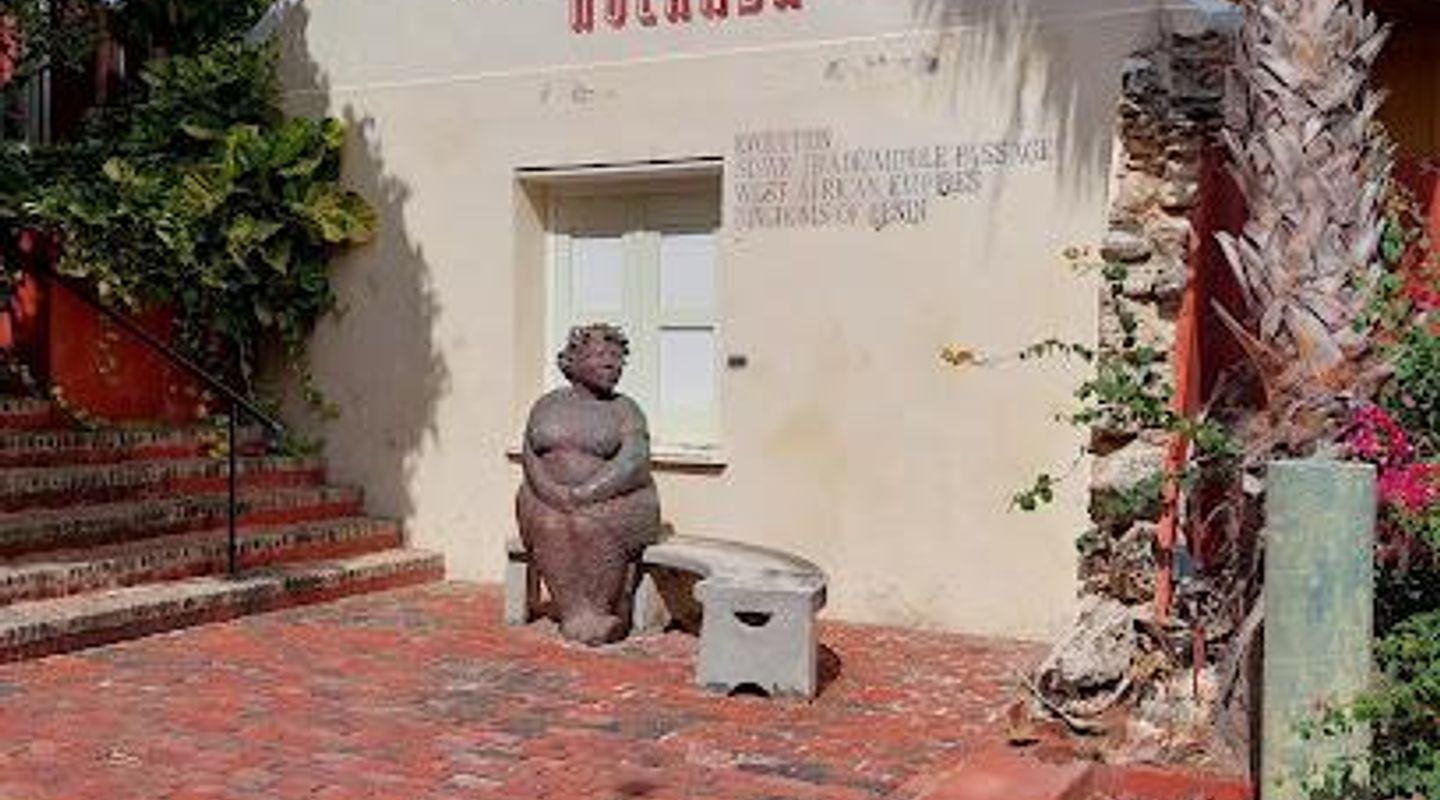
Museum Kurá Hulanda, located in the heart of Willemstad's Otrobanda district, offers a profound and moving exploration of the transatlantic slave trade and its impact on Curaçao and the wider Caribbean. Housed within a beautifully restored 19th-century merchant's house and former slave quarters, the museum presents a comprehensive narrative, from the capture of Africans to their forced relocation and the enduring legacy of African culture. Beyond slavery, the museum showcases West African empires, Mesopotamian artifacts, and Caribbean art, providing a rich tapestry of human history and cultural influences. Allow ample time to absorb the powerful exhibits and gain a deeper understanding of this significant historical period. The museum's location within the historic Kurá Hulanda Village adds to the experience, with its cobblestone streets and colonial architecture creating a unique atmosphere.
A brief summary to Museum Kura Hulanda
- 9 Klipstraat, Willemstad, Otrobanda, CW
- Click to display
- Click to display
- Monday 8 am-4 pm
- Tuesday 8 am-4 pm
- Wednesday 8 am-4 pm
- Thursday 8 am-4 pm
- Friday 8 am-4 pm
- Saturday 8 am-4 pm
- Sunday 9 am-2 pm

Know before you go
Hi, I'm Eve. Here are a few practical things to know before exploring Museum Kura Hulanda.
- Allocate at least 3 hours to fully explore the museum's extensive exhibits and immerse yourself in the history.
- Consider taking a guided tour in Dutch or English for deeper insights and historical context; they are available for a small additional fee.
- Combine your visit with a stroll through the charming Kurá Hulanda Village, admiring the restored colonial architecture and cobblestone streets.
- Check the museum's opening hours in advance, as it is closed on official holidays.
Do you manage this location?
Take control to get all the benefits, like improved information, better appearance, and stronger visibility across AI-powered discovery. Learn more about listing your business on Evendo
Activate your presenceOther nearby places you may find interesting
The closest places of the same kind, if this one is not quite what you had in mind.

Explore Museum Kura Hulanda on the Map
A handpicked selection of must-see spots near Museum Kura Hulanda, mapped for you.
Unlock the Best of Museum Kura Hulanda
Buy tickets
-
No tickets available
Book tours with entry


Book tours without entry

Getting There
-
Walking
Museum Kurá Hulanda is centrally located in the Otrobanda district of Willemstad, making it easily accessible on foot from many nearby hotels, restaurants, and attractions. From the Queen Emma Pontoon Bridge, walk west along the Breedestraat. Turn right onto Klipstraat; the museum will be on your left. The walk is approximately 5-10 minutes from the bridge. Look for the distinctive colonial architecture of Kurá Hulanda Village.
-
Public Transport
Local buses (Konvoi or smaller vans) serve the Otrobanda area. Check local bus routes for the nearest stop to Kurá Hulanda. From the bus stop, follow Klipstraat to the museum entrance. A single bus fare is approximately 2 ANG (Antillean Guilder), which is roughly $1.15 USD. However, relying on public transportation to return to a cruise port on time can be risky.
-
Taxi/Ride-Share
Taxis and ride-sharing services are readily available in Willemstad. A short taxi ride from Punda or other parts of Otrobanda to Museum Kurá Hulanda will cost approximately 20-30 ANG (about $11-$17 USD), depending on the distance and traffic. Confirm the fare with the driver before starting your journey.
-
Driving
If driving, paid parking is available in Otrobanda. Parking meters are installed in strategic locations. The fee is 1 ANG per hour, with an additional 0.50 ANG for every extra half hour. Alternatively, free parking can be found near the baseball stadium, though it may be a longer walk. The Renaissance Mall & Rif Fort also offer free parking in their parking garage.
Discover more about Museum Kura Hulanda













Your all‑in‑one travel companion app
Explore expert travel guides, compare and book tours, experiences, hotels, and more—all from the palm of your hand. Download now for seamless trip planning wherever your wanderlust takes you.


Explore More of Willemstad
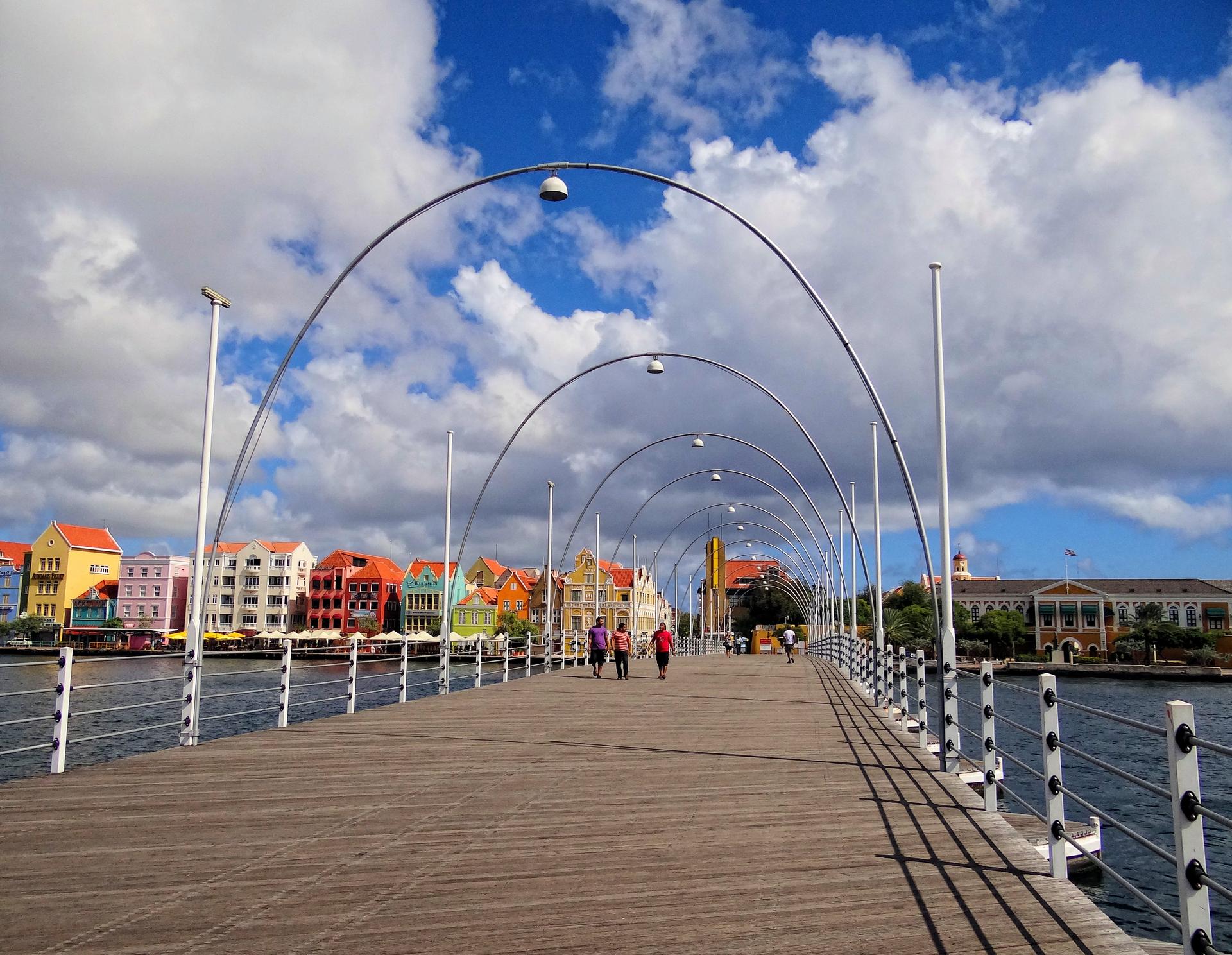
Looking beyond Museum Kura Hulanda? Discover Willemstad for broader travel guides, local hot-spots, and regional highlights.
Explore Willemstad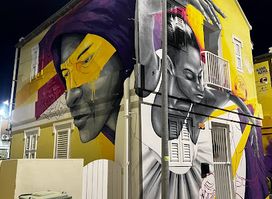
Immerse yourself in the vibrant artistry of Bida ta un Bunita Lucha, a cultural masterpiece in Willemstad, Curaçao, reflecting the island's rich heritage.
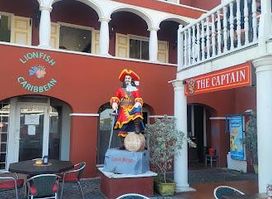
Experience Curaçao's vibrant culture at The Captain, a waterfront bar in Otrobanda offering stunning views, refreshing drinks, and a taste of local hospitality near the Queen Emma Bridge.