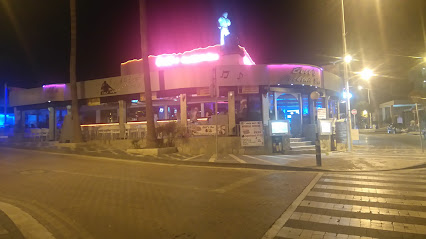
Ayia Napa Aqueduct: A Testament to Ancient Engineering
Explore the ancient Ayia Napa Aqueduct, a Roman-era marvel showcasing innovative engineering that supplied water to the monastery and region, offering a serene escape into Cyprus's rich history.
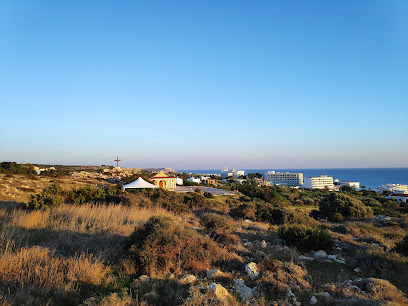
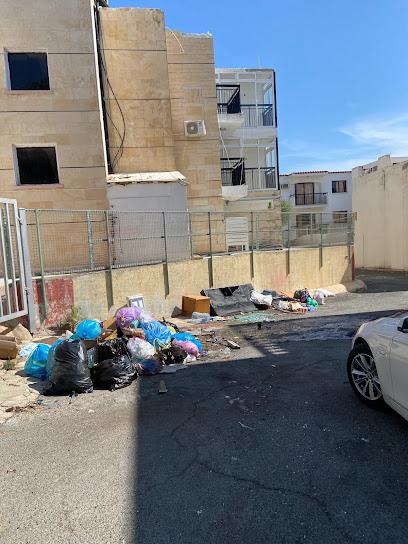
The Ayia Napa Aqueduct, a historical monument dating back to Roman times with Frankish alterations, stands as a testament to ancient engineering prowess. Originally designed to supply water to the Ayia Napa Monastery and the surrounding region, it showcases a complex system that utilized gravity to channel water from distant sources. Today, visitors can explore the well-preserved remains of this 2-kilometer-long structure, offering a glimpse into the island's rich history and the ingenuity of its past inhabitants. While exploring, be mindful of the aqueduct's somewhat neglected state and the presence of litter, as highlighted by some visitors. Despite this, the site offers a unique historical experience and photo opportunities, especially during the golden hours. The aqueduct serves as a reminder of the past and a peaceful escape from the bustling tourist areas of Ayia Napa.
A brief summary to Ayia Napa Aqueduct
- X2Q3+JRF, Ayia Napa, CY
- Monday 12 am-12 am
- Tuesday 12 am-12 am
- Wednesday 12 am-12 am
- Thursday 12 am-12 am
- Friday 12 am-12 am
- Saturday 12 am-12 am
- Sunday 12 am-12 am
Local tips
- Wear comfortable shoes for walking along the aqueduct path, as the terrain can be uneven in places.
- Visit during the early morning or late afternoon for the best lighting for photography and to avoid the midday heat.
- Combine your visit with a trip to nearby attractions like the Ayia Napa Monastery or Sculpture Park for a full day of exploration.
- Bring water and snacks, as there are limited facilities available near the aqueduct.
- Be mindful of the environment and dispose of any litter responsibly to help preserve the site for future visitors.

Getting There
-
Walking
From Ayia Napa Square, head south on Nissi Avenue. After approximately 300 meters, turn left onto the pedestrian walkway towards Ayia Napa Monastery. Walk past the monastery and continue straight for about 500 meters until you reach a traffic circle. Take the second exit onto Kavo Gkreko Avenue and walk for another 700 meters. The Ayia Napa Aqueduct will be on your right, a short distance from the main road. No costs are associated with this route.
-
Public Transport
From Ayia Napa Square, walk to the nearest bus stop on Nissi Avenue. Take bus 101 or 102 towards Protaras and disembark at the 'Ayia Napa Aqueduct' stop. From there, follow the signs to the aqueduct, a 5-minute walk. Buses run every 15-20 minutes during the day. A one-way ticket costs €1.50 during the day (4:00 AM to 9:00 PM) and €2.50 at night (9:00 PM to 4:00 AM).
-
Taxi/Ride-Share
A taxi or ride-share from the center of Ayia Napa to the aqueduct takes approximately 5-10 minutes. Taxi services like Bolt and CABCY are available. The estimated fare for a short trip around Ayia Napa is €10-€15. Confirm the price with the driver or check the app before starting your ride.
Discover more about Ayia Napa Aqueduct
Iconic landmarks you can’t miss

SHALOS Studıos
0.2 km
Comfortable studios in the heart of Ayia Napa, offering a convenient base for exploring the town's beaches, nightlife, and cultural attractions.
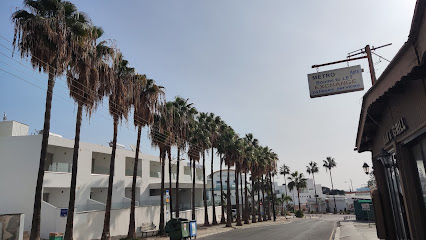
Blood Brothers Tattoo Studio, Ayia Napa
0.4 km
Ayia Napa's top tattoo destination, offering custom designs, expert piercings, and a welcoming atmosphere for unforgettable body art experiences.
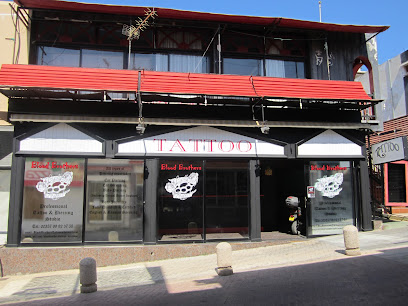
Ayia Napa Square
0.5 km
Experience the vibrant heart of Ayia Napa: a blend of history, culture, nightlife, and stunning Mediterranean charm in one bustling square.
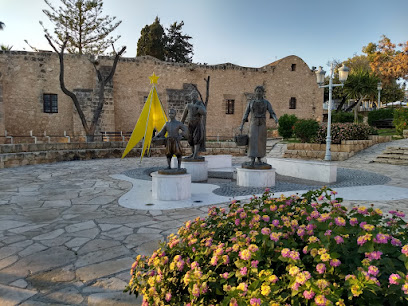
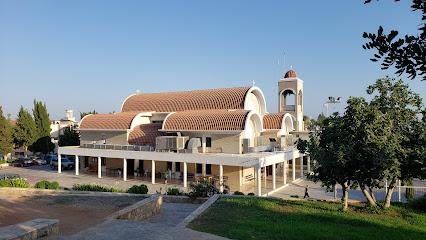
Church of Ayia Napa (Panagia) - Virgin
0.5 km
Explore the rich heritage and stunning architecture of the Church of Ayia Napa, a must-visit spiritual landmark in the heart of Cyprus.
Ayia Napa Strip Tourist Info World
0.6 km
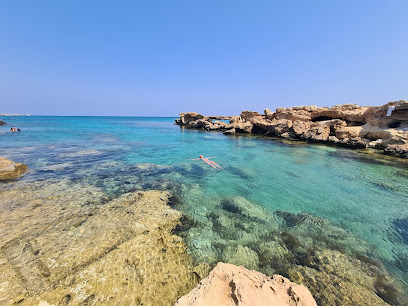
Experience the electrifying nightlife, diverse dining, and stunning beaches at the Ayia Napa Strip, the heart of Cyprus's tourist scene.
The Castle Club
0.6 km
Experience Ayia Napa's premier nightlife at The Castle Club, a multi-arena venue with world-class DJs and unforgettable parties.

Pantachou Beach
0.6 km
Experience the beauty of Pantachou Beach in Ayia Napa, a stunning sandy paradise perfect for relaxation, water sports, and vibrant beach life.
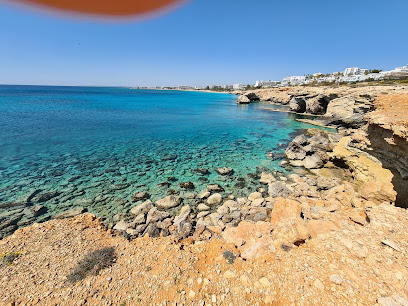
Limanaki Beach (Public Beach)
0.7 km
Discover Limanaki Beach in Ayia Napa: Golden sands, clear waters, and a perfect location for a memorable beach day.
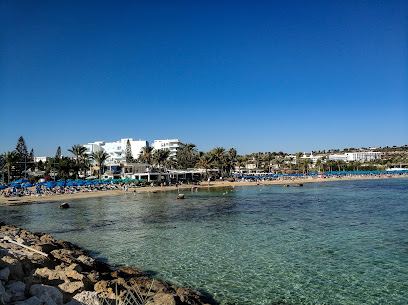
Galaxy Boat Hire Ayia Napa
0.7 km
Explore Ayia Napa's stunning coastline with personalized boat rentals, uncovering hidden gems and creating unforgettable memories on the Mediterranean Sea.
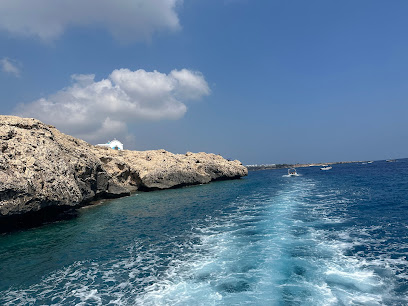
boat trips
0.7 km
Discover the stunning coastline of Ayia Napa with unforgettable boat trips, featuring secluded beaches, crystal-clear waters, and breathtaking views.
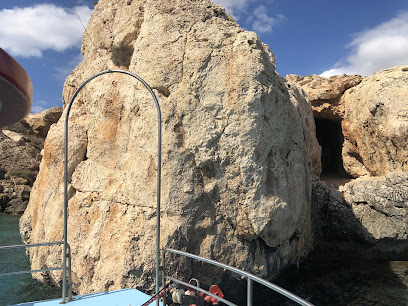
Yellow Submarine
0.8 km
Dive into an unforgettable adventure with the Yellow Submarine, exploring Cyprus's stunning underwater landscapes and vibrant marine life on a unique boat tour.
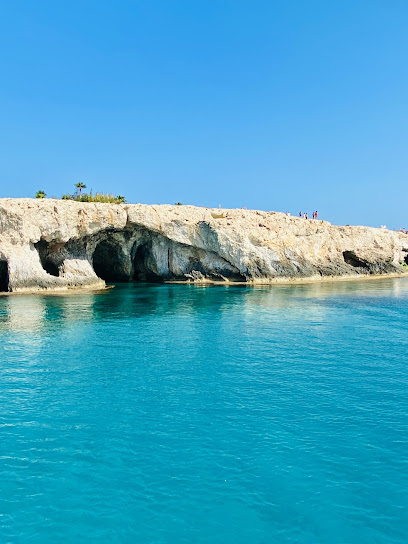
Battle in Ayia Napa Monument
0.8 km
Explore the Battle in Ayia Napa Monument, a historical landmark that embodies the resilience and spirit of Cyprus's past.
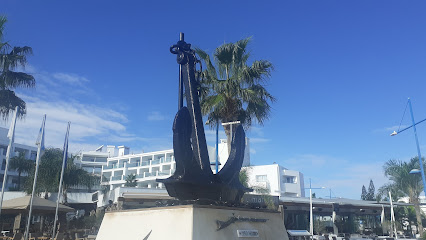
Αγίου Επιφανίου
0.8 km
Discover the serene beauty of Agios Epiphanios Church in Ayia Napa, a Byzantine gem with panoramic views and a peaceful atmosphere.
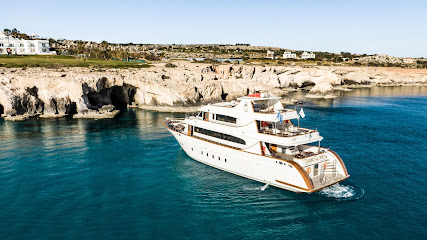
Ocean Queen - Ayia Napa's Biggest and most luxurious boat
0.8 km
Experience the Cyprus coast in style aboard Ayia Napa's most luxurious boat. Daily cruises, VIP service, and unforgettable moments await!
The Black Pearl Boat
0.9 km
Experience the thrill of pirate adventures aboard The Black Pearl Boat in Ayia Napa, Cyprus. Perfect for families and thrill-seekers alike!
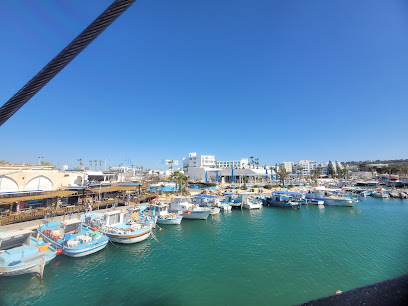
Unmissable attractions to see

Thalassa
0.2 km
Explore Cyprus's captivating maritime heritage at the Thalassa Museum in Ayia Napa, showcasing millennia of seafaring history, ancient artifacts, and marine life in an immersive cultural experience.
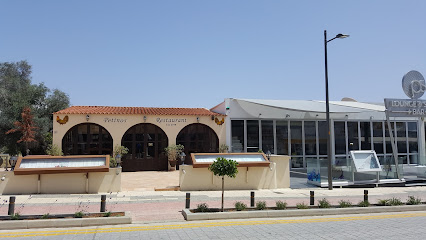
Ayia Napa
0.4 km
Discover the vibrant beaches, rich history, and electrifying nightlife of Ayia Napa, Cyprus, a top destination for sun and fun.
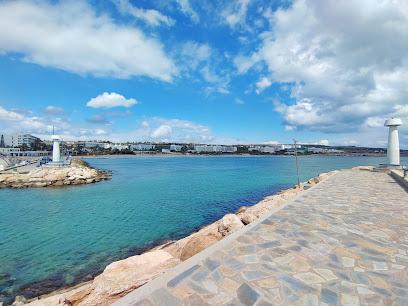
Zypern
0.4 km
Discover the allure of Zypern in Ayia Napa: Beaches, history, and vibrant culture await in this Mediterranean paradise.
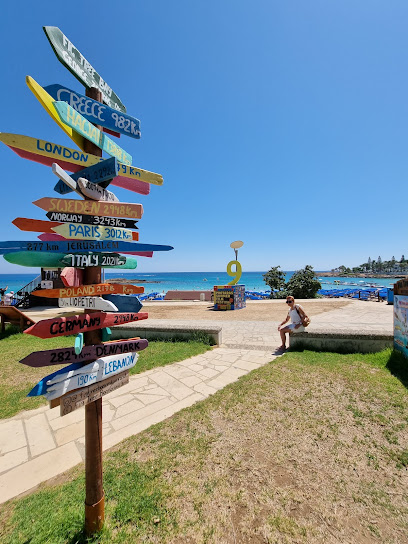
Ayia Napa Monument
0.4 km
Discover the heart of Ayia Napa at its iconic monument, a symbol of history and culture, surrounded by vibrant town life and offering a glimpse into Cyprus's rich heritage.
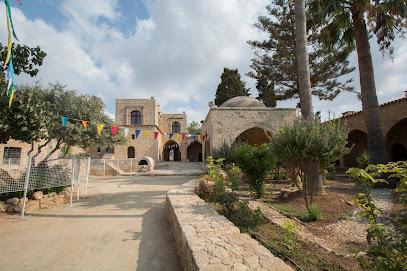
Cyprus Taste Tours - Ayia Napa
0.4 km
Discover Cyprus through its cuisine with guided tours of local markets, traditional restaurants, and wineries in Ayia Napa.

Monastery of Ayia Napa
0.5 km
Explore the Monastery of Ayia Napa, a serene Eastern Orthodox site blending history, spirituality, and stunning architecture in the heart of Cyprus.
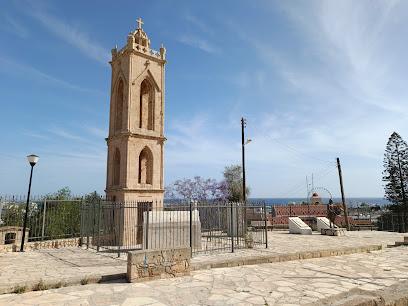
Ficus sycomorus Ayia Napa
0.5 km
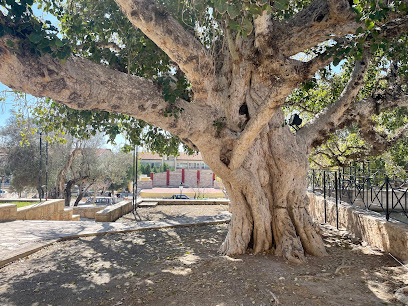
Discover the ancient Ficus sycomorus in Ayia Napa, a majestic tree offering a tranquil escape and a glimpse into Cyprus's natural and cultural heritage, perfect for relaxation and memorable photos.
Chypre 03 : Monastère
0.5 km
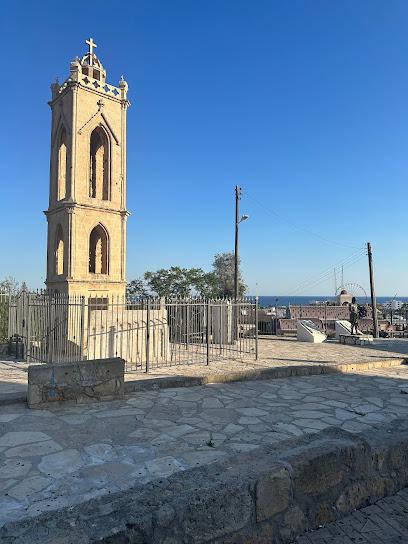
Discover the serene beauty and rich history of Ayia Napa Monastery, a cultural landmark offering a tranquil escape in the heart of Ayia Napa, Cyprus.
Древнейшие дерево Айя Напы
0.5 km
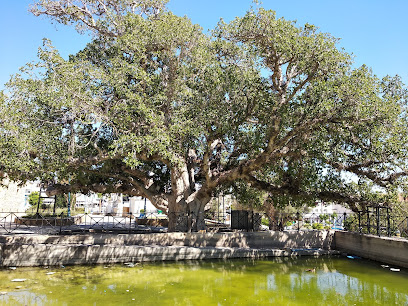
Discover a 600-year-old sycamore fig tree near Ayia Napa Monastery, a tranquil escape and a tangible link to Cyprus's history and beauty.
Beachworld Watersports
0.6 km
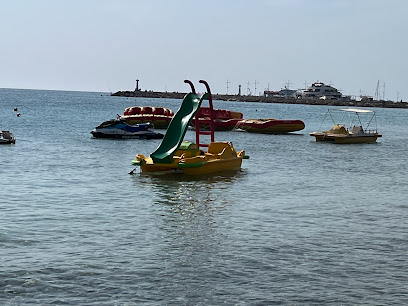
Experience thrilling water sports at Beachworld Watersports in Ayia Napa, Cyprus. Jet skis, parasailing, and more await in the Mediterranean sun!
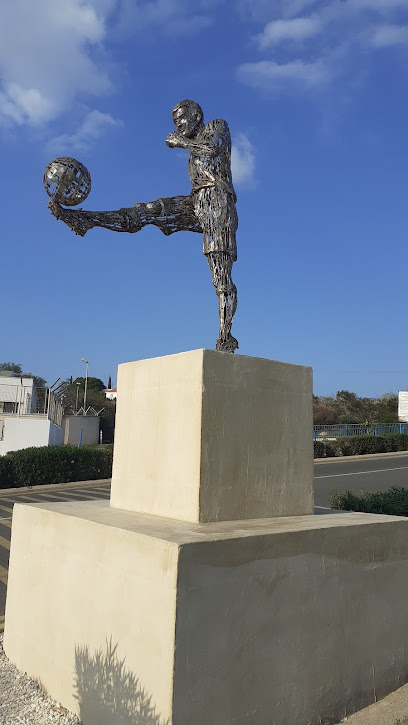
Football Monument «Kastros»
0.6 km
Explore the Football Monument «Kastros» in Ayia Napa, a captivating tribute to the passion and unity of football, perfect for tourists and enthusiasts alike.
Paranoia Scary Attraction
0.7 km
Experience spine-chilling thrills at Paranoia Scary Attraction in Ayia Napa, where interactive scares create an unforgettable adventure.

Aqua Club in Pambos Napa Rocks
0.7 km
Experience the vibrant nightlife of Ayia Napa at Aqua Club, a lively live music bar within Pambos Napa Rocks Hotel, offering energetic entertainment.
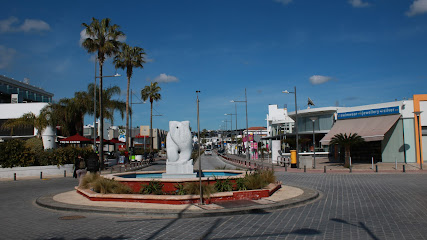
Συντριβάνι Δύο Ψαριών
0.7 km
A picturesque landmark in Ayia Napa, the Fountain of Two Fish symbolizes the town's connection to the sea and rich fishing heritage.
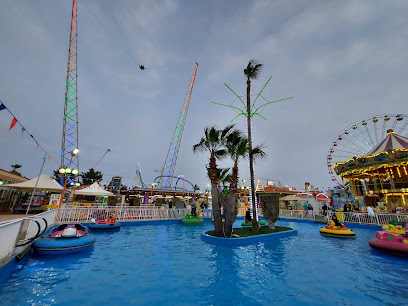
Parko Paliatso Luna Park
0.7 km
Experience thrilling rides and family fun at Parko Paliatso Luna Park in Ayia Napa, the largest amusement park in Cyprus, offering unforgettable entertainment for all ages.
Essential places to dine

Al Ritrovo Italian Restaurant
0.1 km
Experience authentic Italian flavors at Al Ritrovo Italian Restaurant in Ayia Napa - where delicious pizzas meet warm hospitality.
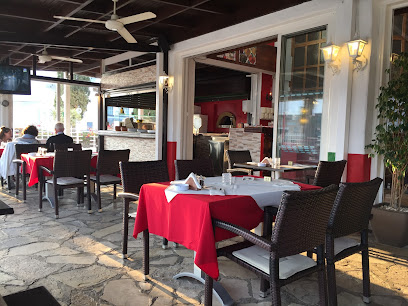
OPAS TRADITIONAL TAVERN Ayia Napa
0.1 km
Experience authentic Cypriot cuisine at Opas Traditional Tavern in Ayia Napa, where every dish tells a story.
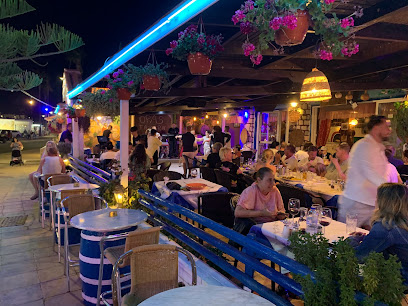
En Yevo Tavernaki
0.2 km
Experience authentic Greek cuisine at En Yevo Tavernaki in Ayia Napa, where every meal is a celebration of flavor and tradition.
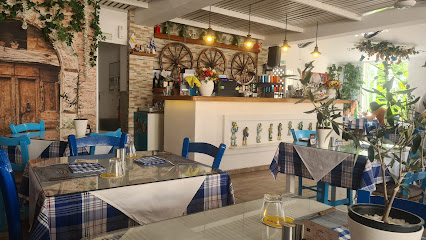
Quadro Restaurant
0.3 km
Experience the best of Italian cuisine at Quadro Restaurant in Ayia Napa - where every dish tells a delicious story.
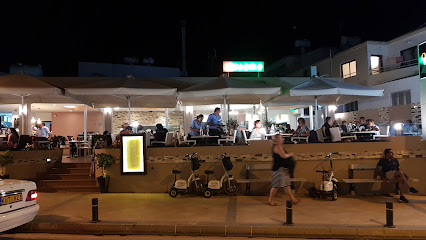
Sage Restaurant
0.3 km
Discover the exquisite flavors of Mediterranean cuisine at Sage Restaurant in Ayia Napa – where every meal is a celebration.
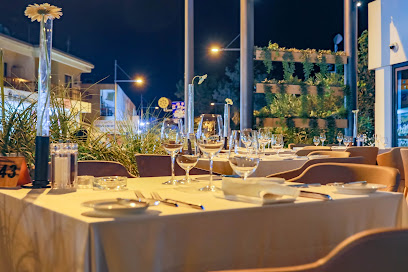
Odin Restaurant
0.4 km
Experience exquisite Mediterranean cuisine at Odin Restaurant in Ayia Napa, where flavor meets tradition in every dish.
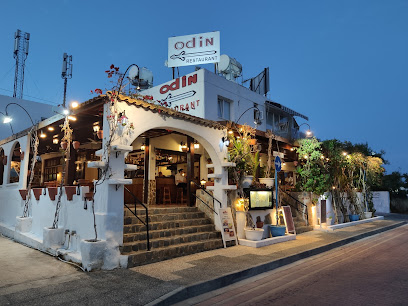
Hard Rock Cafe
0.4 km
Savor classic American cuisine amidst rock 'n' roll history at Hard Rock Cafe Ayia Napa – where every meal is a celebration of flavor.
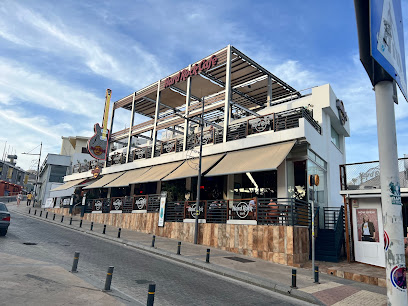
Clarabel
0.4 km
Experience authentic Cypriot cuisine at Clarabel in Ayia Napa - where tradition meets culinary innovation in a vibrant setting.
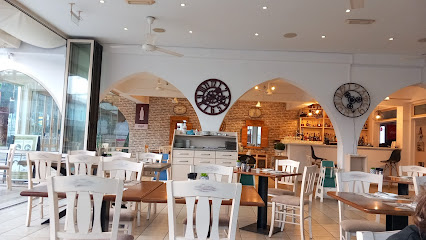
Sale e Pepe
0.4 km
Experience authentic Italian cuisine at Sale e Pepe in Ayia Napa - where flavors come alive in a charming setting.
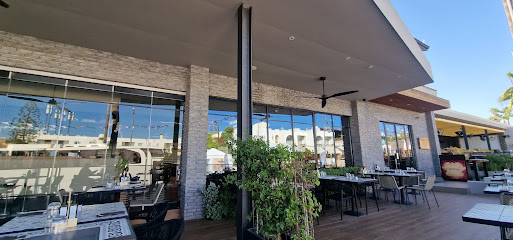
STAMNA TAVERN
0.4 km
Experience authentic Greek cuisine at Stamna Tavern in Ayia Napa - where every meal tells a story of tradition and flavor.
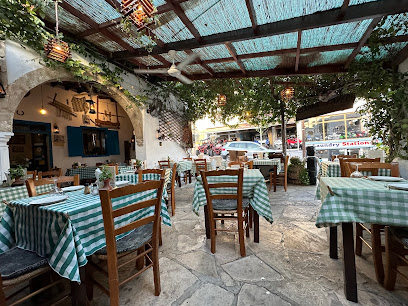
Bella Italy Cy
0.5 km
Experience authentic Italian flavors at Bella Italy Cy in Ayia Napa—your go-to destination for delicious pasta, pizza, and breakfast delights.
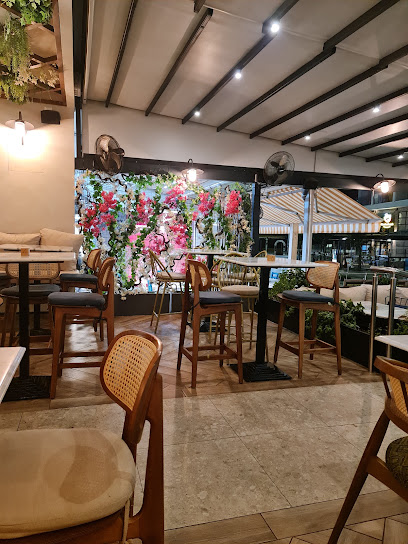
Centro Storico
0.5 km
Experience authentic Cypriot cuisine at Centro Storico – where every meal is a celebration of flavor and tradition in Ayia Napa.
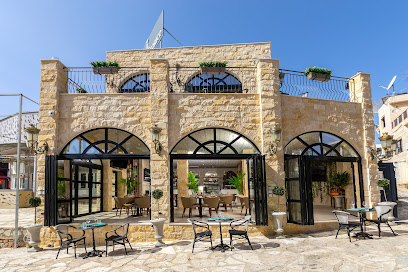
Farmers Traditional Tavern
0.5 km
Savor the flavors of Cyprus at Farmers Traditional Tavern – where tradition meets taste in every dish.
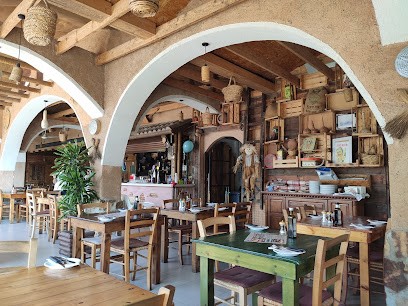
AVRA authentic cypriot kitchen
0.5 km
Savor authentic Greek flavors at AVRA Authentic Cypriot Kitchen in Ayia Napa—where delicious food meets vibrant live music.
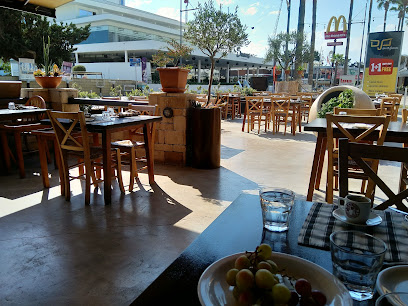
Davinci Napiana Italian Cuisine
0.5 km
Experience authentic Italian cuisine at Davinci Napiana in Ayia Napa - where Mediterranean flavors meet exceptional service.
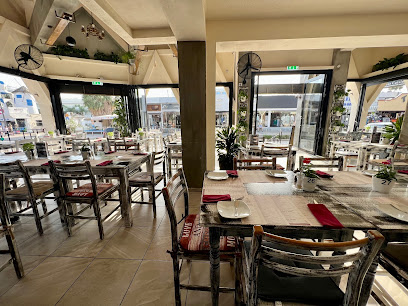
Markets, malls and hidden boutiques

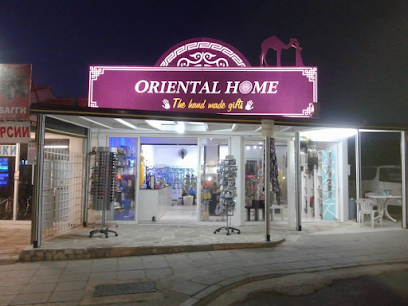
The Oriental Home - Shop & Entertainment
0.1 km
Experience the vibrant nightlife of Ayia Napa at The Oriental Home, a premier bar and hookah lounge offering a unique blend of culture and relaxation.
Curiosity shop
0.2 km
Explore Ayia Napa's Curiosity Shop for unique clothing and souvenirs that reflect the vibrant culture and creativity of Cyprus.

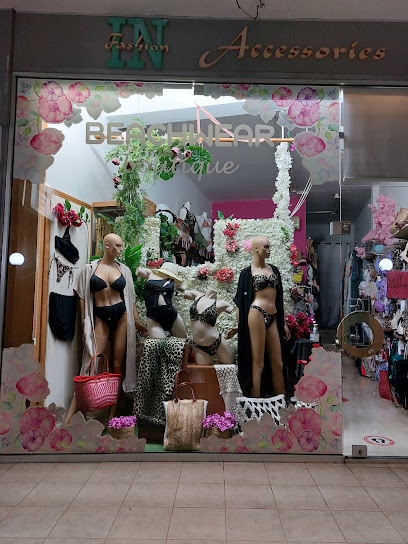
In Fashion Beachwear Boutique
0.3 km
Explore the stylish selection of beachwear at In Fashion Beachwear Boutique in Ayia Napa, where fashion meets the sun.
Aphrodite Gift Shop
0.4 km
Discover unique souvenirs and local crafts at Aphrodite Gift Shop in Ayia Napa, capturing the spirit of Cyprus in every unique item.
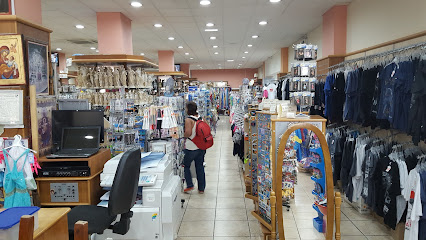
Designer Branded Outlet
0.4 km
Discover unbeatable deals on designer clothing at the Designer Branded Outlet in Ayia Napa, where fashion meets affordability in a vibrant setting.

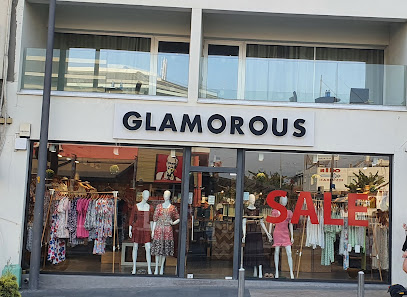
Glamorous
0.5 km
Explore Glamorous in Ayia Napa for trendy clothing and unique styles that reflect the vibrant spirit of Cyprus, perfect for every occasion.
La Forêt de Bijoux
0.5 km
Explore La Forêt de Bijoux in Ayia Napa for unique women's fashion and accessories that celebrate contemporary styles and local craftsmanship.

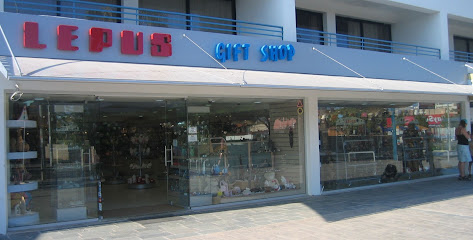
LEPUS Gift Shop - Ayia Napa
0.5 km
Explore LEPUS Gift Shop in Ayia Napa for unique souvenirs, stylish handbags, and exquisite watches capturing the essence of Cyprus.
AquaTails Fish Spa & Beauty Center
0.5 km
Experience the ultimate relaxation at AquaTails Fish Spa & Beauty Center in Ayia Napa, where tranquility and beauty meet amidst stunning coastal views.
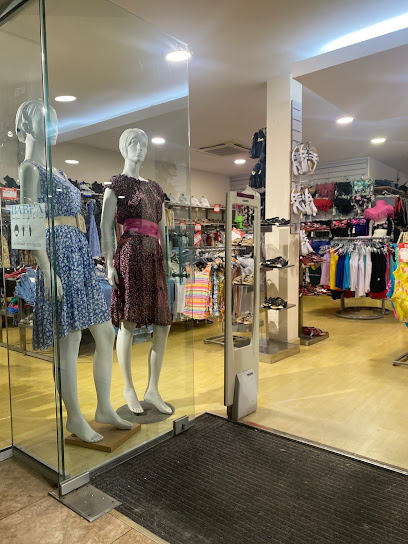
Santa Napa Gift Shop
0.6 km
Explore the charm of Cyprus through unique gifts at Santa Napa Gift Shop in Ayia Napa, where every item tells a story.

Adonis Gift Center
0.6 km
Discover unique handmade gifts and local delicacies at Adonis Gift Center in Ayia Napa, Cyprus - a treasure trove for tourists.
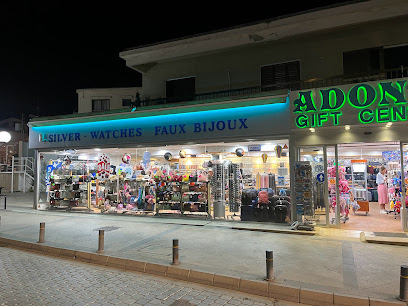
Central point
0.6 km
Discover convenience and local treasures at Central Point in Ayia Napa, your ultimate stop for essentials and unique souvenirs.
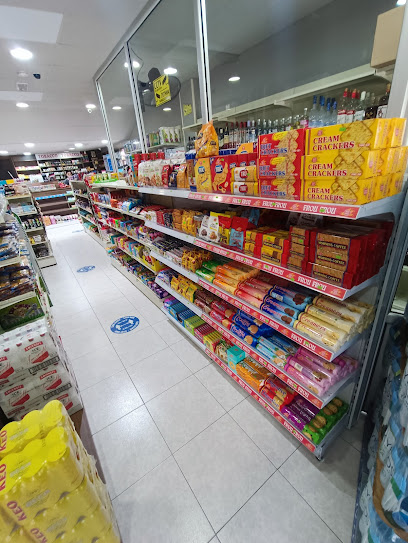
Schale boutique
0.6 km
Explore the chic and vibrant collections at Schale Boutique in Ayia Napa, where fashion meets the essence of Cyprus.

Napas North Entry Supermarket
0.6 km
Experience the essence of Cyprus at Napas North Entry Supermarket - your go-to spot for local flavors and essentials in Ayia Napa.
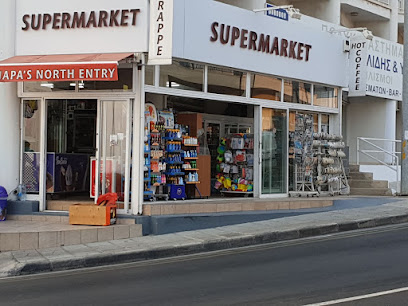
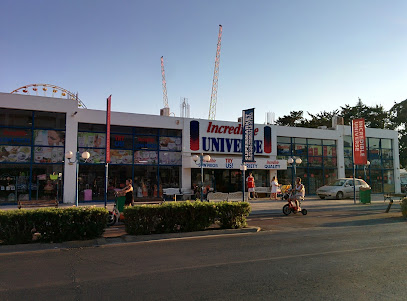
Incredible Universe
0.6 km
Discover Incredible Universe in Ayia Napa, a supermarket offering a wide range of products at fantastic prices for every traveler’s needs.
Essential bars & hidden hideouts

River Rock Cocktail Bar & Shisha Lounge
0.1 km
Experience the vibrant nightlife of Ayia Napa at River Rock Cocktail Bar & Shisha Lounge, where cocktails and shisha blend in perfect harmony.
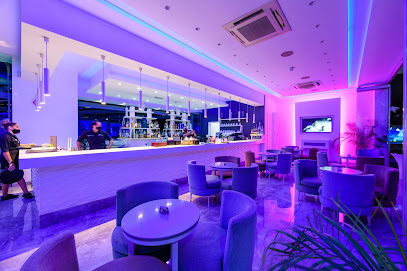
Abacus Restaurant and Lounge Bar
0.2 km
Experience the vibrant flavors of Cyprus at Abacus Restaurant and Lounge Bar, where culinary delight meets a lively atmosphere in Ayia Napa.
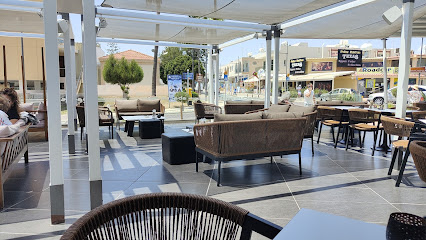
The Liquid Cafe N Bar
0.3 km
Discover the vibrant ambiance of The Liquid Cafe N Bar in Ayia Napa, where delicious cuisine meets a lively atmosphere for an unforgettable experience.
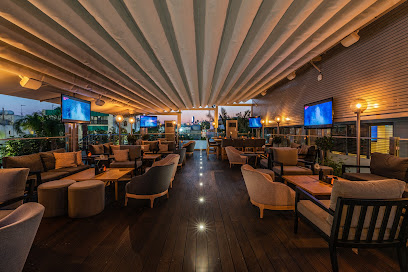
Asylum Rock Bar
0.3 km
Discover the vibrant nightlife at Asylum Rock Bar in Ayia Napa, Cyprus, where great drinks and live music create unforgettable experiences.
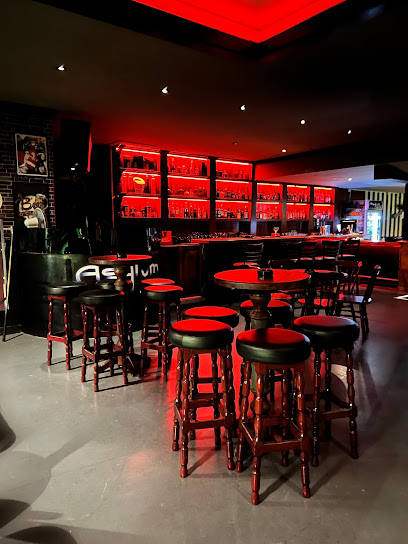
Pepper Bar Lounge
0.4 km
Experience the vibrant nightlife of Ayia Napa at Pepper Bar Lounge, known for its expertly crafted cocktails and lively atmosphere.
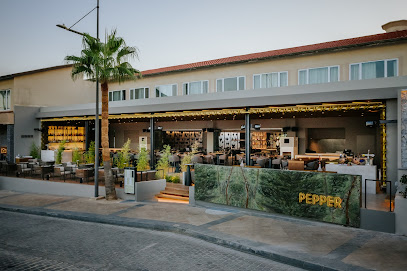
The Square Bar
0.4 km
Experience Ayia Napa's vibrant nightlife at The Square Bar, where great drinks and lively atmosphere await you.
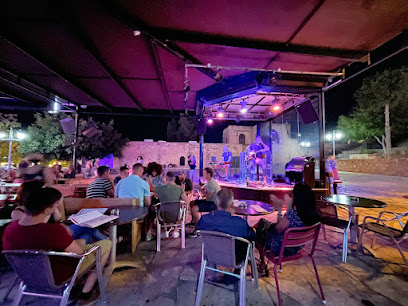
Ambassaden Bar
0.5 km
Experience the lively nightlife at Ambassaden Bar in Ayia Napa, where delicious cocktails and vibrant music create unforgettable evenings.
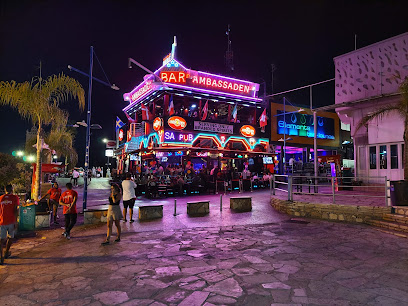
Bazaar Bar
0.5 km
Discover the lively atmosphere of Bazaar Bar in Ayia Napa, where delicious cocktails and vibrant nightlife await every traveler seeking unforgettable experiences.
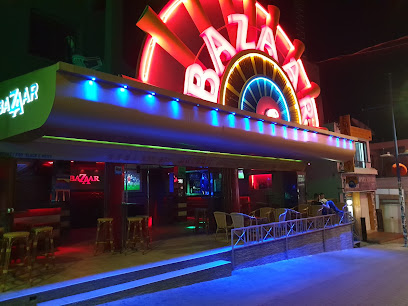
Elements Bar - Lounge
0.5 km
Experience the vibrant nightlife at Elements Bar - Lounge in Ayia Napa, where expertly crafted cocktails and a lively atmosphere await.
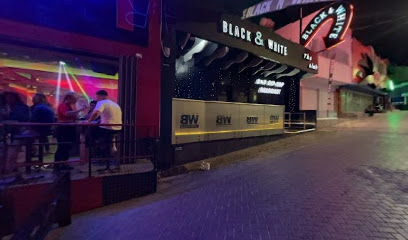
Tommy's Pub
0.5 km
Discover the lively atmosphere at Tommy's Pub in Ayia Napa, where delicious food, refreshing drinks, and unforgettable memories await.
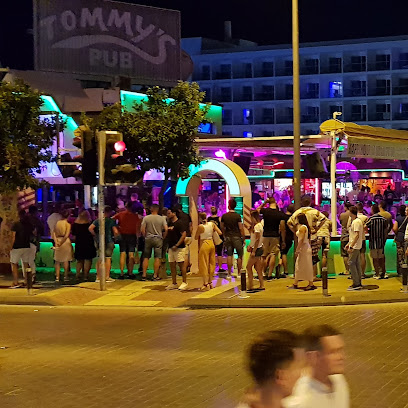
Kaliva On The Beach
0.5 km
Discover the perfect blend of relaxation and nightlife at Kaliva On The Beach, where delicious food meets stunning views in Ayia Napa, Cyprus.
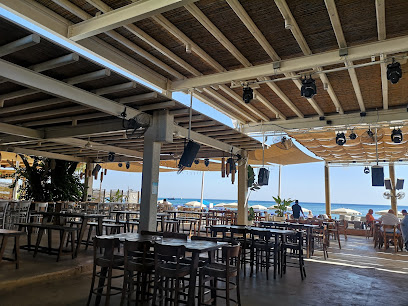
Grabbarna Grus
0.5 km
Join the party at Grabbarna Grus, a vibrant bar in Ayia Napa offering cocktails, music, and a lively atmosphere for an unforgettable night out.

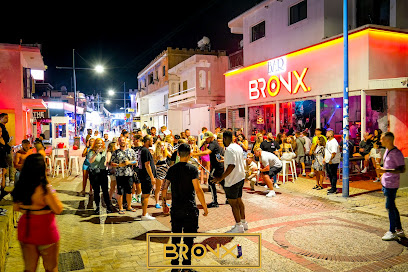
BRONX. Bar
0.5 km
Discover the energy of Ayia Napa at BRONX Bar, where vibrant nightlife, crafted cocktails, and a friendly atmosphere await.
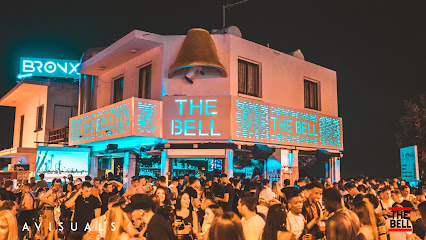
The Bell
0.6 km
Experience vibrant nightlife at The Bell in Ayia Napa, where lively ambiance meets refreshing drinks and great company.
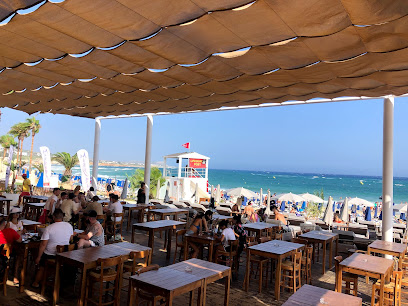
Paradisos Beach Venue
0.6 km
Discover the ultimate beachside experience at Paradisos Beach Venue, where exquisite dining meets vibrant nightlife in the heart of Ayia Napa, Cyprus.
Nightclubs & after hour spots

Traveller's Dance Bar
0.4 km
Immerse yourself in Ayia Napa's vibrant nightlife at Traveller's Dance Bar, where dancing, cocktails, and unforgettable moments await.
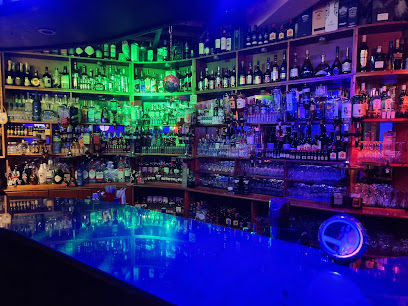
The Place Dance Bar
0.5 km
Discover the electrifying nightlife at The Place Dance Bar in Ayia Napa, where music and dance come alive under the stars.
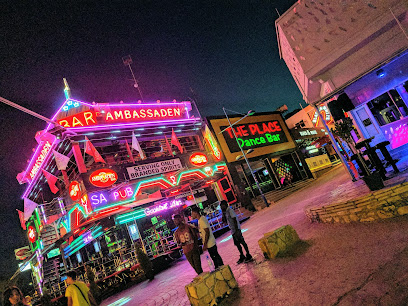
Club Black N' White - Ayia Napa
0.5 km
Dive into the electrifying nightlife of Ayia Napa at Club Black N' White, the ultimate destination for dance and entertainment.

Bar-Club Tropicana
0.6 km
Experience the electrifying nightlife at Bar-Club Tropicana, the ultimate party destination in Ayia Napa, Cyprus, where the dance floor awaits you until dawn.
Titanic Club Ayia Napa
0.6 km
Discover the heart of Ayia Napa's nightlife at Titanic Club, where music, dancing, and vibrant energy create unforgettable experiences.
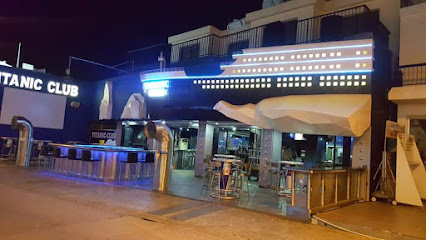
Priva
0.6 km
Experience Ayia Napa's nightlife at Priva, a stylish bar offering exquisite cocktails and a vibrant atmosphere for unforgettable evenings.
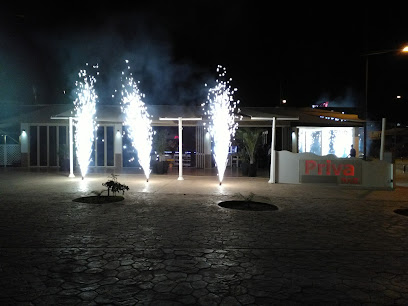
CarWash Disco
0.9 km
Discover the vibrant nightlife at CarWash Disco, a must-visit night club in Ayia Napa, Cyprus, known for its energetic atmosphere and unforgettable parties.
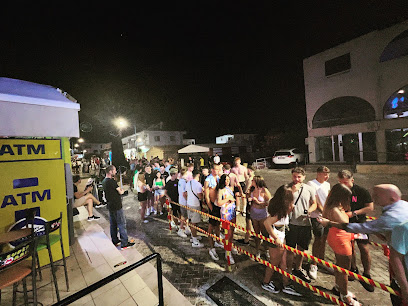
Diamonds Night Club Ayia Napa
1.0 km
Discover the electrifying nightlife of Diamonds Night Club in Ayia Napa, where music, dance, and fun come together for an unforgettable experience.
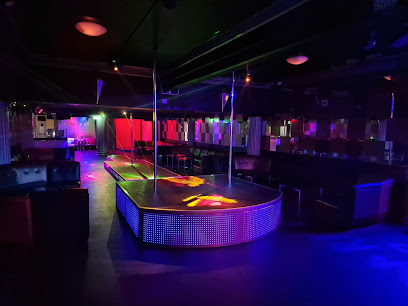
Toga Toga Strip Club
1.8 km
Immerse yourself in the electrifying nightlife at Toga Toga Strip Club, a premier destination for unforgettable entertainment in Ayia Napa, Cyprus.

Levels Beach Bar
4.5 km
Discover the vibrant atmosphere and culinary delights of Levels Beach Bar, a seaside gem in Ayia Napa, Cyprus.
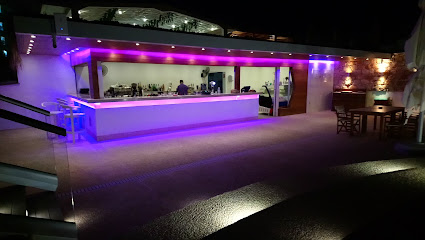
Diamonds Showbar - Cabaret & Live Music Venue
4.9 km
Discover the electric atmosphere of Diamonds Showbar, a premier cabaret and live music venue in Protaras, Cyprus, where unforgettable nights await.
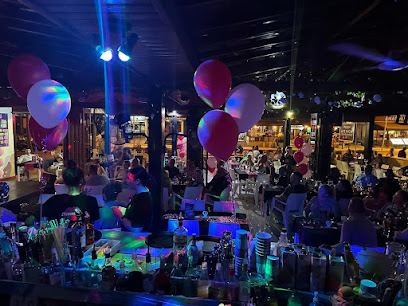
Sfinx
5.0 km
Experience the vibrant nightlife at Sfinx in Protaras, Cyprus, where great drinks and live entertainment create unforgettable moments.
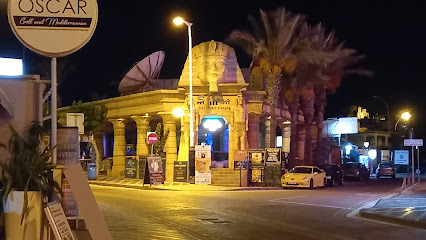
Ghetto Cocktail Bar
5.0 km
Explore Ghetto Cocktail Bar in Protaras for unique cocktails, mouth-watering burgers, and an unforgettable nightlife experience.
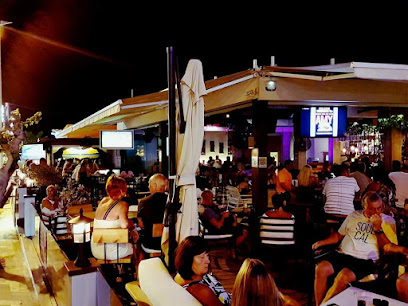
Joker Square
5.0 km
Discover the lively atmosphere of Joker Square, Protaras' premier nightlife destination offering great drinks and unforgettable entertainment.
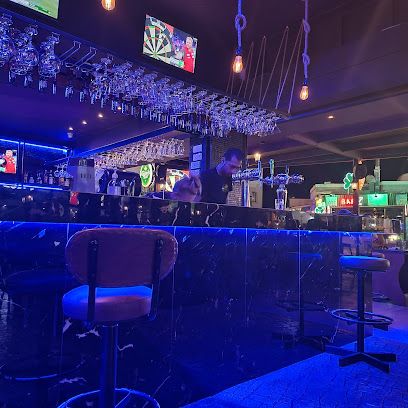
Bell's Cocktail Bar
5.2 km
Discover the lively spirit of Cyprus at Bell's Cocktail Bar, where every cocktail tells a story and the night comes alive.