
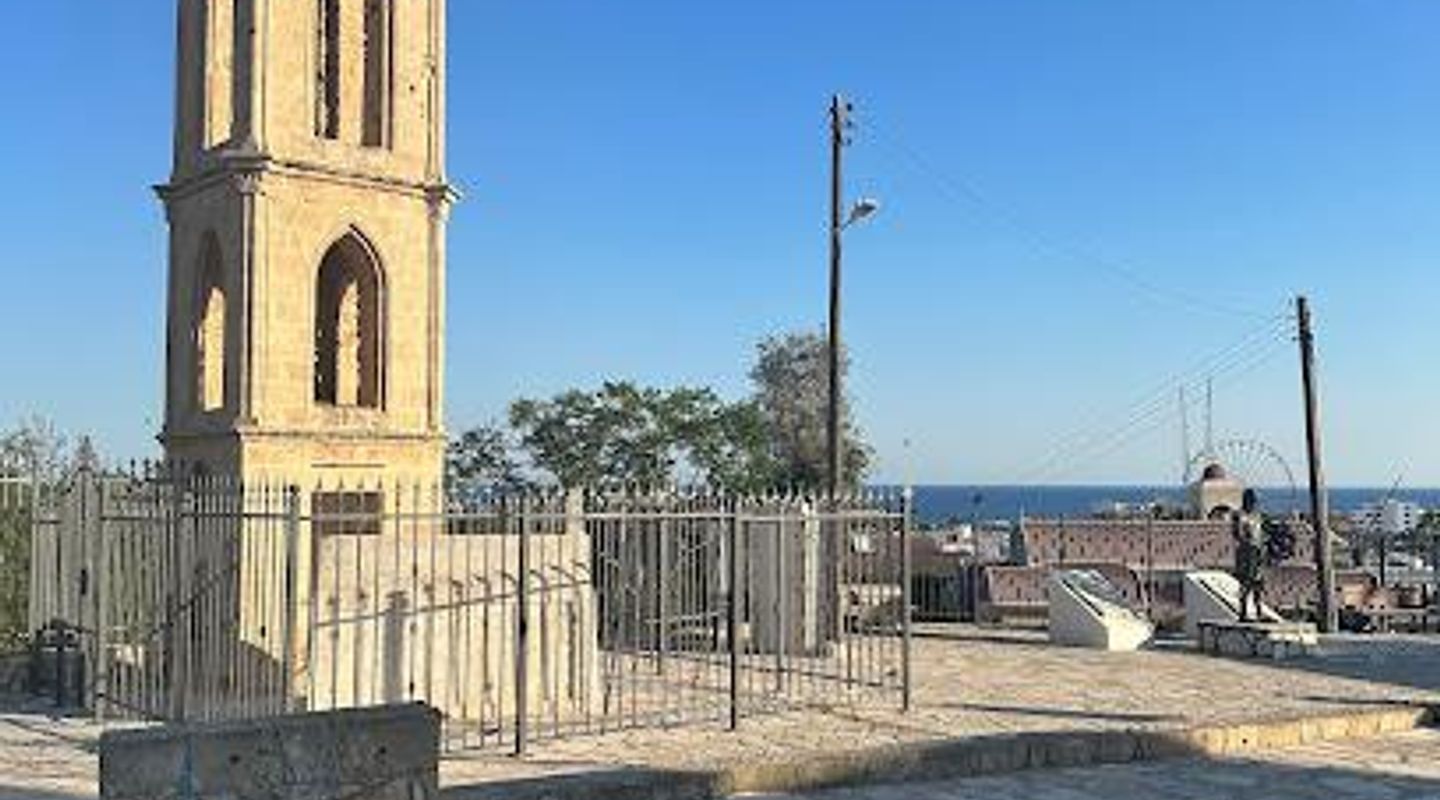
Chypre 03 : Monastère, Ayia Napa Travel Guide
Discover the serene beauty and rich history of Ayia Napa Monastery, a cultural landmark offering a tranquil escape in the heart of Ayia Napa, Cyprus.
Chypre 03: Monastère, also known as the Ayia Napa Monastery, is a serene oasis nestled in the heart of Ayia Napa, Cyprus. This historic site, dating back to around 1500 AD, offers a tranquil escape from the bustling resort town. Originally a Catholic monastery during Venetian rule, it later became Orthodox and played a significant role as a refuge and spiritual center. The architecture showcases a blend of medieval and Venetian influences, with a partially underground structure carved into the rock. Visitors can explore the ancient cave church, admire the centuries-old sycamore fig tree, and soak in the peaceful atmosphere of the courtyard. Today, the monastery serves as a museum and a venue for cultural events, providing a glimpse into the island's rich religious and architectural heritage. Its central location makes it easily accessible, inviting tourists to discover a place of contemplation amidst Ayia Napa's vibrant energy.
A brief summary to Chypre 03 : Monastère
- XXQX+WQ7, Grigori Afxentiou, Ayia Napa, CY

Know before you go
Hi, I'm Eve. Here are a few practical things to know before exploring Chypre 03 : Monastère.
- Visit early in the morning or late in the afternoon to avoid crowds and experience a more peaceful atmosphere.
- Take time to explore the ancient cave church and admire the centuries-old sycamore fig tree.
- Check the local event calendar for cultural performances or festivals held at the monastery.
- Combine your visit with a trip to the nearby Thalassa Municipal Museum to learn more about the region's marine history.
- Wear comfortable shoes as the monastery grounds involve some walking on uneven surfaces.
Do you manage this location?
Take control to get all the benefits, like improved information, better appearance, and stronger visibility across AI-powered discovery. Learn more about listing your business on Evendo
Activate your presenceOther nearby places you may find interesting
The closest places of the same kind, if this one is not quite what you had in mind.

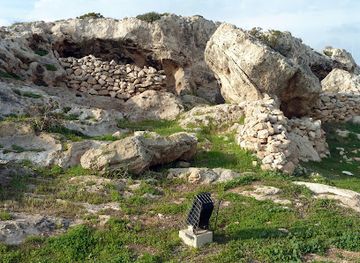
Explore Chypre 03 : Monastère on the Map
A handpicked selection of must-see spots near Chypre 03 : Monastère, mapped for you.
Getting There
-
Walking
From Ayia Napa Square, a central point in the town, head east on Grigori Afxentiou Street. Continue walking straight for approximately 800 meters. The Monastère will be located on your right side, marked with the address XXQX+WQ7. The walk is relatively flat and straightforward.
-
Public Transport
From Ayia Napa Square, walk to the nearest bus stop located on the main road. Board a local bus heading towards Paralimni or Protaras (routes 101/102 are common). Inform the driver that you want to get off at the stop nearest to Grigori Afxentiou Street. After getting off, walk back towards Grigori Afxentiou Street and continue walking for about 200 meters. The Monastère will be on your right. A single bus fare is approximately €2.
-
Taxi/Ride-Share
Taxis are readily available in Ayia Napa. A short taxi ride from a central location like Ayia Napa Square to the Monastère will cost approximately €10-€15. Ride-sharing apps like Bolt and CABCY also operate in the area and may offer slightly lower prices. Be sure to confirm the fare before starting your journey.
Discover more about Chypre 03 : Monastère













Your all‑in‑one travel companion app
Explore expert travel guides, compare and book tours, experiences, hotels, and more—all from the palm of your hand. Download now for seamless trip planning wherever your wanderlust takes you.


Explore More of Ayia Napa
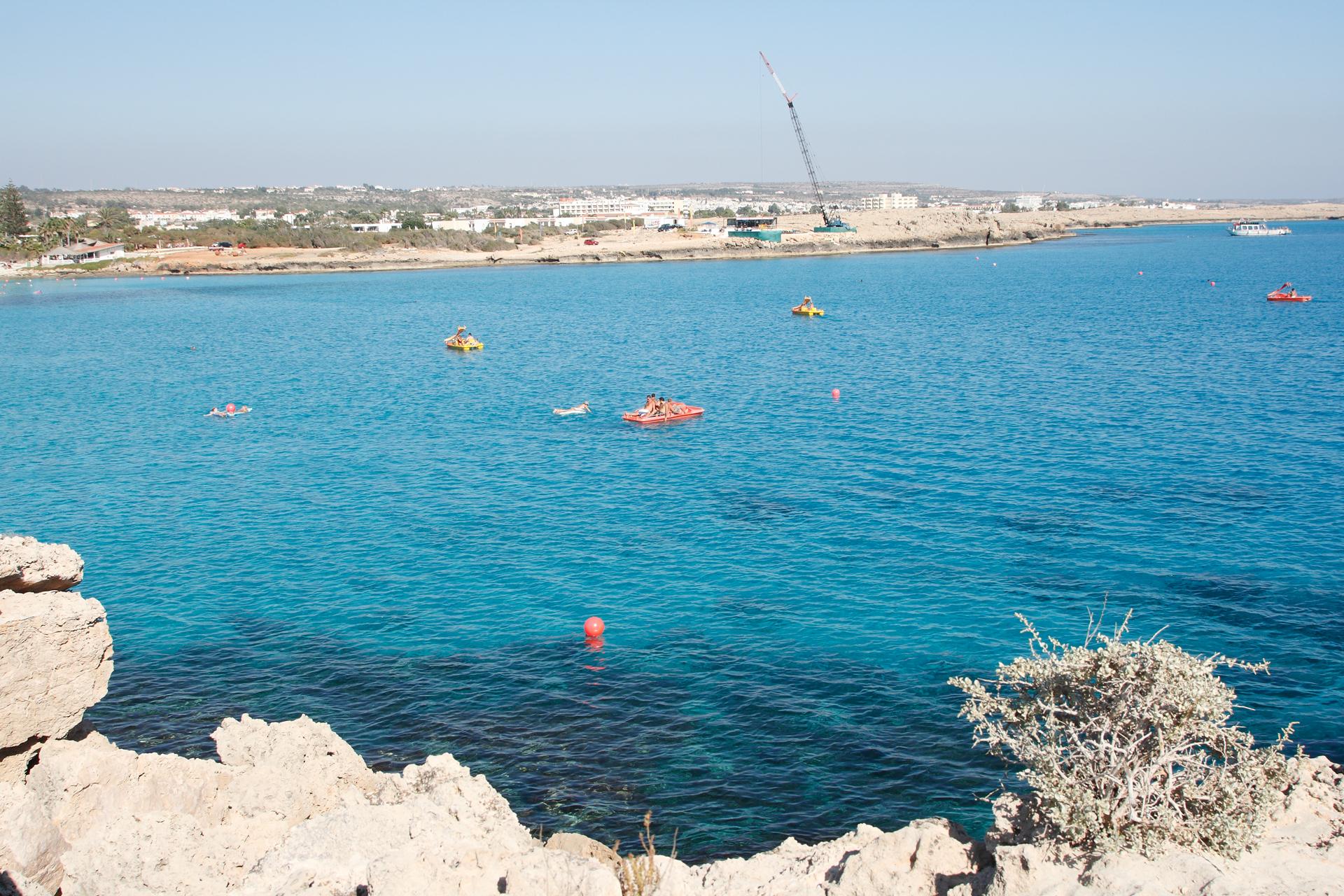
Looking beyond Chypre 03 : Monastère? Discover Ayia Napa for broader travel guides, local hot-spots, and regional highlights.
Explore Ayia Napa