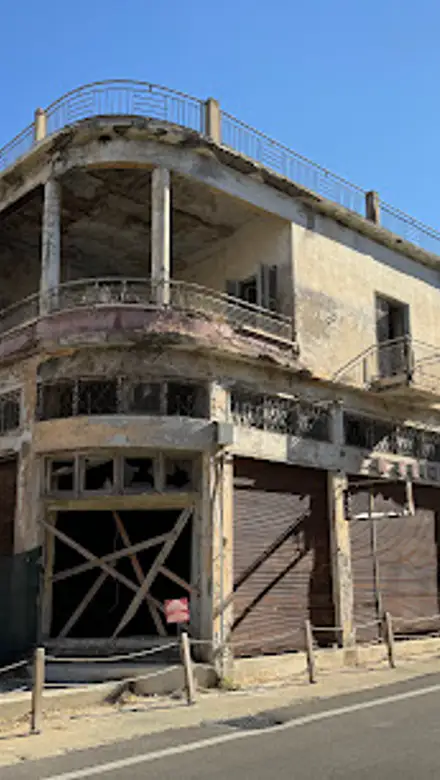
Famagusta Ghost Town Travel Guide
Free Guide: Explore Famagusta's Ghost Town, Varosha: A haunting journey through Cyprus's divided past, where decaying hotels and silent streets tell a poignant story of conflict and resilience.


A brief summary of Famagusta Ghost Town
Explore Famagusta's Ghost Town, Varosha: A haunting journey through Cyprus's divided past, where decaying hotels and silent streets tell a poignant story of conflict and resilience.
Famagusta's Ghost Town, also known as Varosha, stands as a haunting monument to the Cyprus conflict of 1974. Once a glamorous resort, it was abruptly abandoned and fenced off, remaining untouched for decades. Today, visitors can explore a portion of this eerie time capsule, witnessing decaying hotels and overgrown streets, offering a poignant glimpse into a frozen moment in history. While access is limited to designated areas, the experience is profoundly moving, providing a stark reminder of the human cost of conflict and the passage of time. The beach remains stunning, offering a surreal juxtaposition of natural beauty and urban decay. Exploring Varosha is free, but be prepared for a somber and thought-provoking journey.
- Address
- 4X93+3VJ, Gazimağusa 99450
Getting there
Walking
Public Transport
Taxi/Ride-Share
Driving
Discover more about Famagusta Ghost Town
Overview
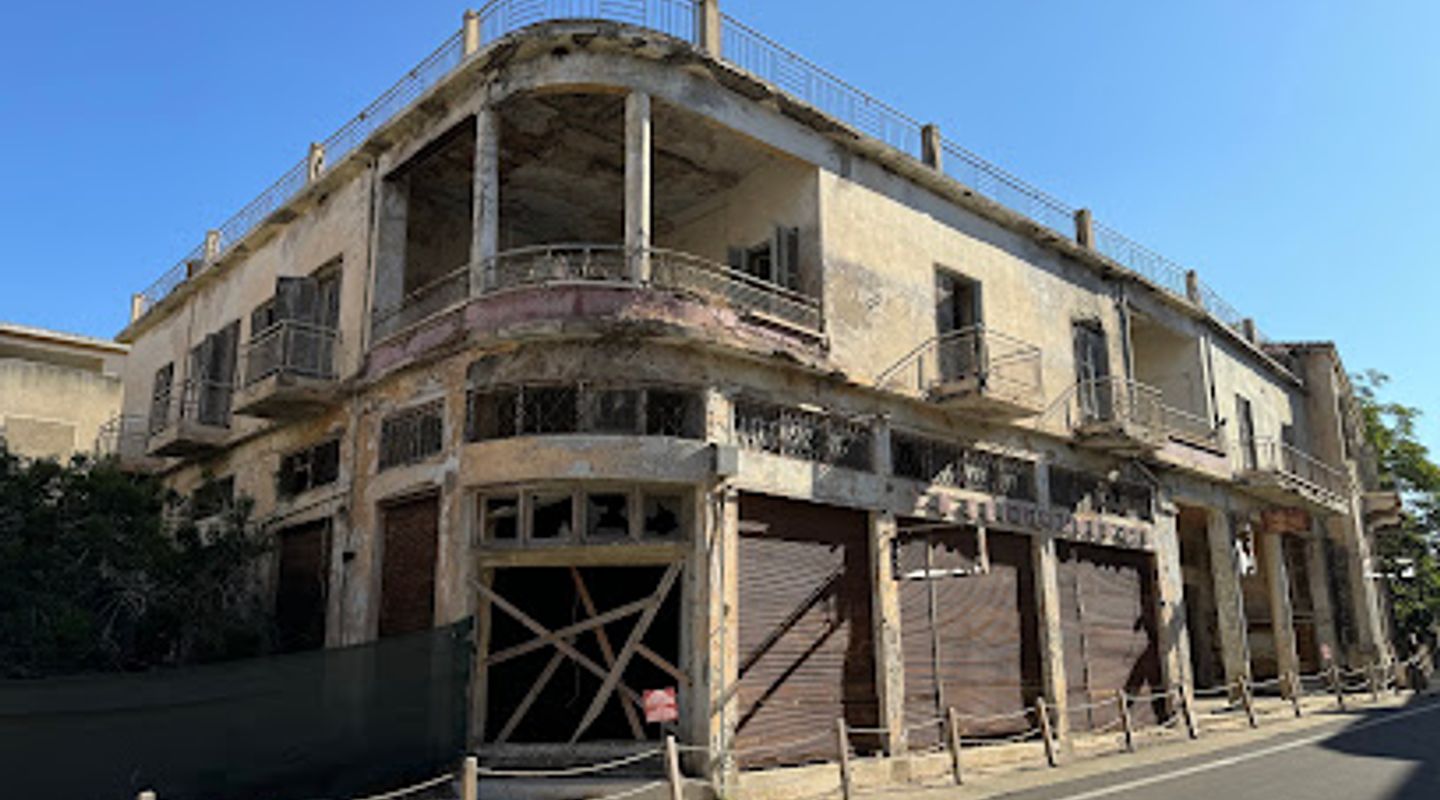
Varosha, the 'Ghost Town' of Famagusta, is a powerful and poignant reminder of the complex history of Cyprus. Once a thriving and glamorous resort, often dubbed the 'French Riviera of Cyprus,' it boasted pristine beaches, luxury hotels, and a vibrant nightlife that attracted celebrities and tourists from around the globe. This all changed dramatically in 1974 following the Turkish invasion of Cyprus. As Turkish forces advanced, the Greek Cypriot residents of Varosha fled, expecting to return when the situation stabilized. However, the area was fenced off by the Turkish military, and access was prohibited, transforming the once-bustling resort into an abandoned and decaying urban area. For decades, Varosha remained untouched, a frozen snapshot of the past. Buildings and infrastructure deteriorated, and nature began to reclaim the city. The image of abandoned cars, left exactly where their owners parked them, became a chilling symbol of the suddenness of the evacuation. The laundry still hanging on clotheslines and half-cooked meals left on stoves further emphasized the abrupt departure of its residents. The city became a bargaining chip in ongoing political negotiations, a tangible representation of the unresolved status of Cyprus. In recent years, parts of Varosha have been partially reopened to the public, allowing visitors to explore a limited section of this eerie and fascinating place. While access remains restricted and buildings are off-limits due to safety concerns, walking or cycling through the designated areas offers a unique and unforgettable experience. The sight of decaying hotels, overgrown streets, and the remnants of a once-thriving community evokes a powerful sense of loss and reflection. Exploring Varosha today is like stepping back in time. The visible war damage, rocket holes in buildings, and the general state of disrepair serve as a stark reminder of the conflict that divided the island. The contrast between the natural beauty of the beach and the decaying urban landscape creates a surreal and haunting atmosphere. Visitors are encouraged to be respectful and mindful of the area's history and the sensitivities surrounding the Cyprus issue. While exploring, you'll notice the juxtaposition of past and present. The skeletal remains of hotels that once hosted the world's elite now stand as hollow shells, monuments to a bygone era. Nature has begun to assert itself, with vegetation creeping through cracks in the pavement and trees sprouting from abandoned buildings. The beach, however, retains its stunning beauty, offering a surreal contrast to the urban decay. Walking along the shoreline, one can almost imagine the vibrant life that once filled this now-silent city. Varosha is more than just a ghost town; it's a living museum, a testament to the human cost of conflict, and a reminder of the enduring power of hope and resilience. It's a place that invites reflection on the past, consideration of the present, and contemplation of the future of Cyprus. A visit to Varosha is an experience that will stay with you long after you leave, prompting reflection on the fragility of peace and the importance of preserving cultural heritage. Despite the limited access and the somber atmosphere, Varosha offers a unique and compelling travel experience. It's a place where history comes alive, where the echoes of the past resonate in the present, and where visitors can gain a deeper understanding of the complex and often tragic history of Cyprus. Whether you are a history buff, a dark tourism enthusiast, or simply a traveler seeking a unique and meaningful experience, Famagusta's Ghost Town is a destination that will leave a lasting impression. Varosha is a place where the past is not just remembered, but felt. It is a place that challenges visitors to confront the realities of conflict and displacement, and to consider the importance of peace, reconciliation, and the preservation of cultural heritage. It is a place that will stay with you long after you leave, prompting reflection on the human condition and the enduring power of the human spirit. Visiting Varosha is a journey into the heart of Cypriot history, a walk through a time capsule, and an opportunity to witness the resilience of nature in the face of human conflict. It is an experience that is both haunting and hopeful, a reminder of the past and a testament to the enduring power of the human spirit.
Evendo Review Centre
 Google
Guest reviews
Explore Famagusta Ghost Town on the map
A handpicked selection of must-see spots near Famagusta Ghost Town, mapped for you.
Get your free copy of our complete guide to Famagusta Ghost Town, delivered straight to you.
Everything on this page, from opening hours and how to get there to Eve’s tips and the best time to go, in one PDF you can read offline, print or share.
Already have an account? Sign in
Your Famagusta Ghost Town guide is ready.
We'll send it to · Not you? Sign out

Getting your guide ready…
We are putting together a fresh copy of the Famagusta Ghost Town guide. This can take up to a minute.
This can take a few moments. If your browser asks, choose Allow so the download can start. You'll find the guide in your Downloads folder.
Nothing happened? Download it again
Sorry, the guide is taking longer than usual. Please try again in a minute, or get it by email instead.
Unlock the best of Famagusta Ghost Town
Skip-the-line tickets, guided tours with entry, and walking tours of the area, booked in a few clicks.
 Tour with entry
Red Bus Varosha Experience in English from Ayia Napa & Protaras
from $40.54 Tour with entry
Mr John Personal Experience - Varosha Ghost Town Famagusta Tour
from $42.67 Tour with entry
Mr John 3 in 1 Day Tour Dividing line, Varosha, Famagusta
from $42.69 Tour with entry
Famagusta and Salamis Tour from Ayia Napa
from $58.67


Other nearby places you may find interesting
The closest places of the same kind, if this one is not quite what you had in mind.
-
-
-
-
-


Swipe for more places
More to explore near Famagusta Ghost Town

 Best experiences near Famagusta Ghost Town
 Best hotels near Famagusta Ghost Town
 Best landmarks near Famagusta Ghost Town
 Best attractions near Famagusta Ghost Town
 Best shops near Famagusta Ghost Town
 Best restaurants near Famagusta Ghost Town
 Best bars near Famagusta Ghost Town
Do you manage this location?
Take control to get all the benefits, like improved information, better appearance, and stronger visibility across AI-powered discovery.
Explore more

Explore more of Famagusta District
Discover Famagusta District: A blend of ancient ruins, stunning beaches, and charming villages in the heart of Cyprus.
Explore Famagusta District
Explore more of Cyprus
Discover Cyprus: A Mediterranean paradise with a rich tapestry of history, culture, and breathtaking landscapes, offering a perfect blend of relaxation and adventure.
Explore Cyprus